Knowledge Base

Knowledge Hub

Access BIOFIN's library of resources, including flagship publications, country reports, finance solution case studies, webinars, explainer videos, podcasts, and more.

Key Publications

Publications

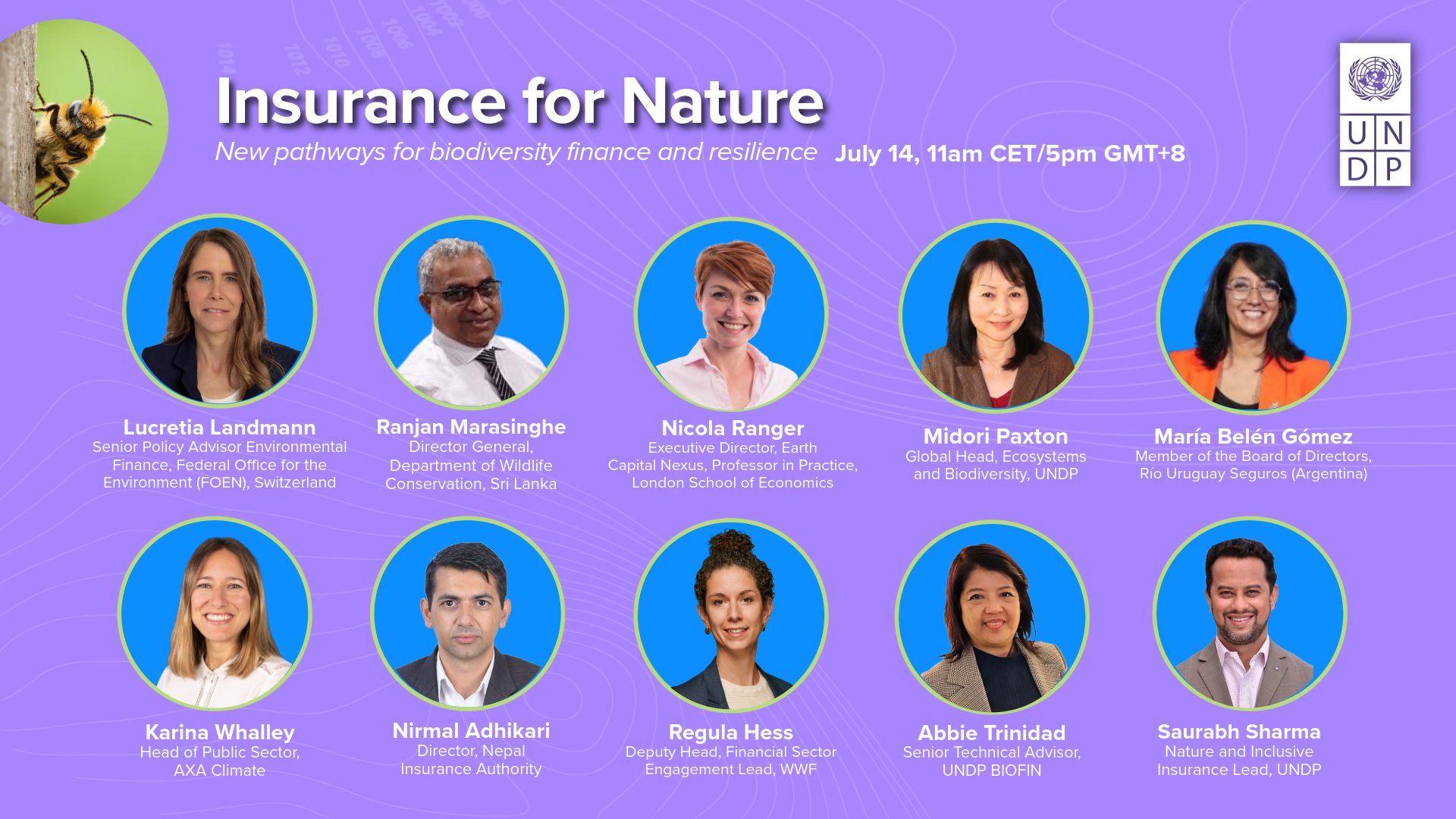
Insurance can play a crucial role in biodiversity conservation by providing financial protection against risks to natural assets, incentivizing sustainable practices, and securing key investments.
Publications

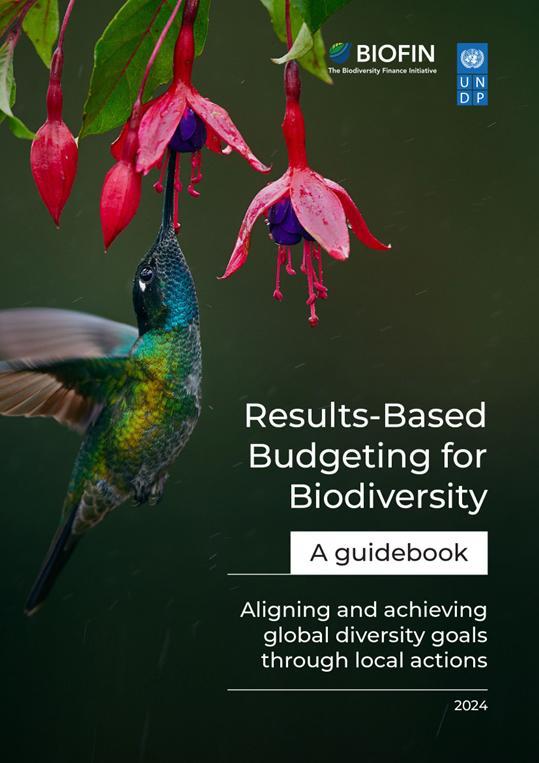
In 2022, countries adopted new global biodiversity targets under the Kunming-Montreal Global Biodiversity Framework (GBF), revisiting many goals that had gone unachieved or underachieved over the past decade.
Publications

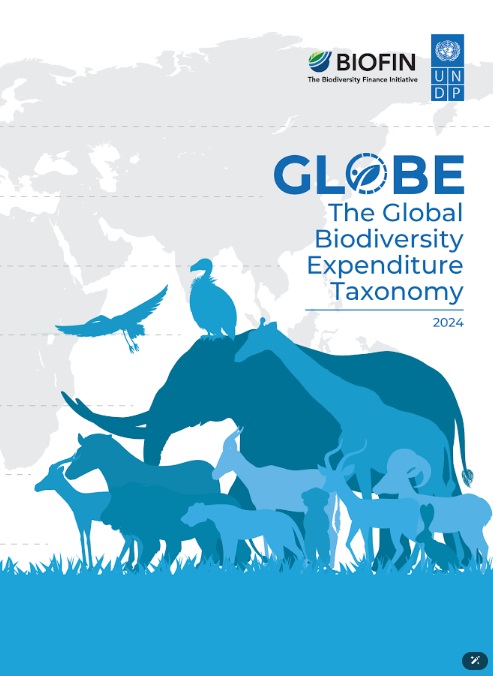
Global Biodiversity Expenditure (GLOBE) is a taxonomy that categorizes all potential public expenditures for biodiversity.

The taxonomy consists of two components:
Publications

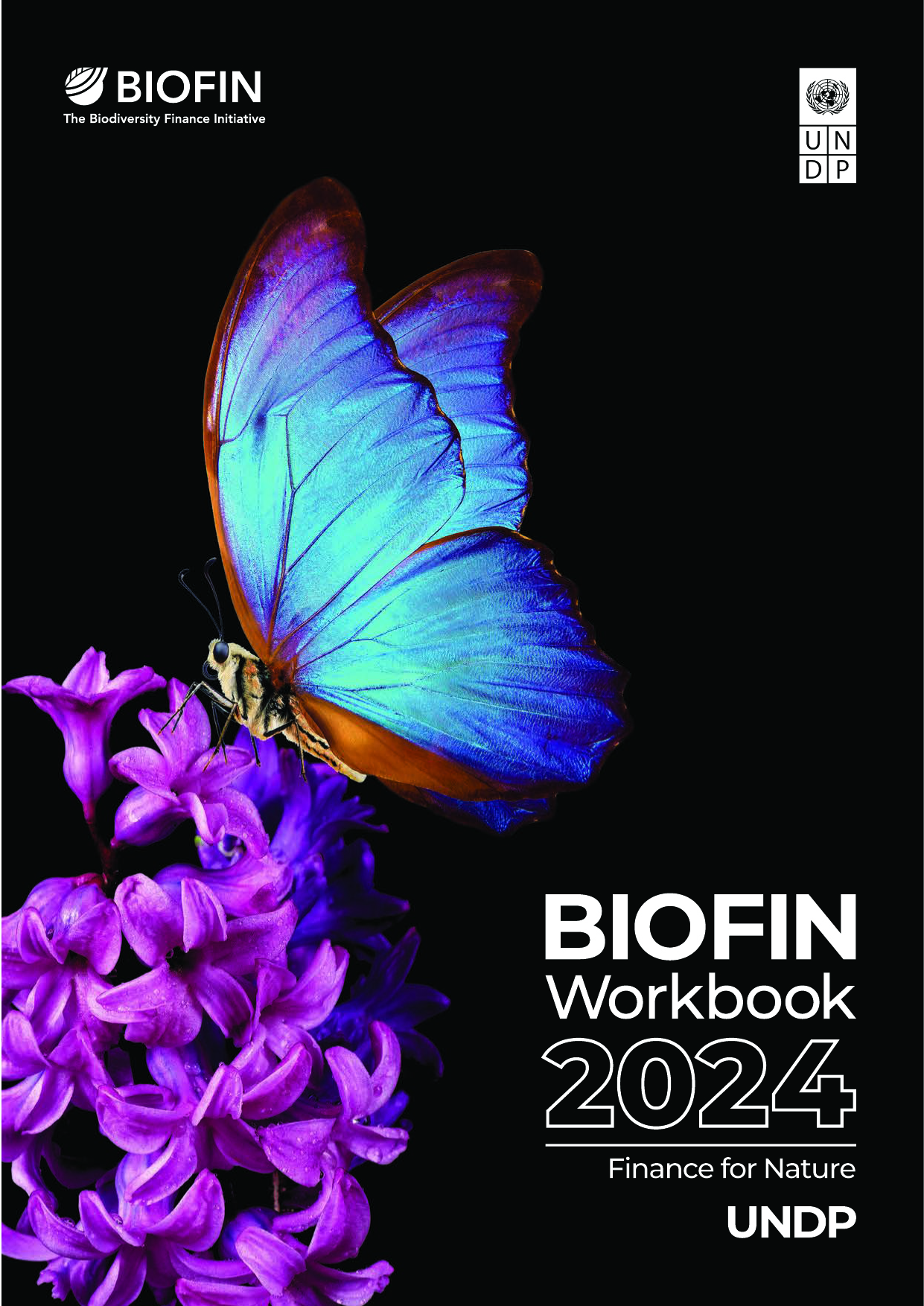
The BIOFIN Workbook 2024 provides detailed guidance to design and implement national biodiversity finance plans.  These are not mere plans. They set out a process to engage a coalition of actors around the issue of biodiversity finance for an extended time.
Publications

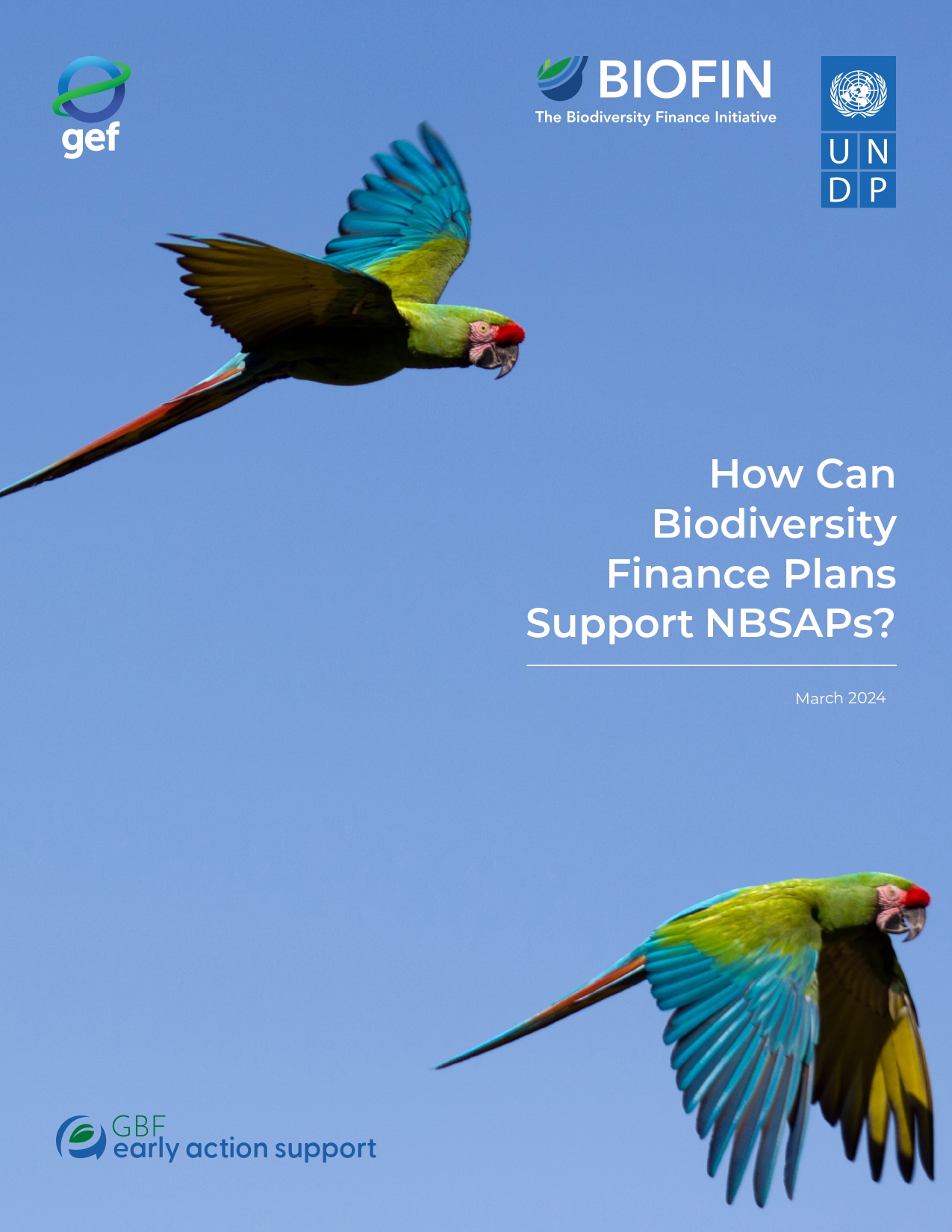
At the Conference of the Parties to the Convention on Biological Diversity 15 (CBD COP 15) in 2022, countries agreed to review and update their National Biodiversity Strategy and Action Plans
Publications

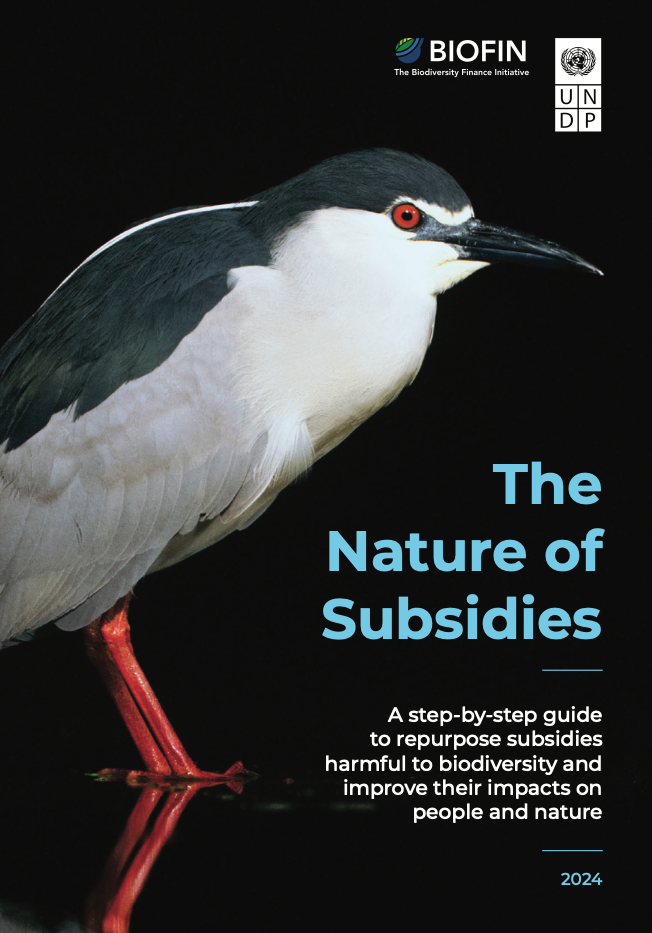
Well-intentioned subsidies aimed at socio-economic goals can have unintended negative impacts on the environment, including biodiversity. The BIOFIN team has developed a step-by-step guide to repurpose such subsidies and improve their positive impacts on people and nature.
Publications

The Kunming-Montreal Global Biodiversity Framework (GBF) calls for a whole-of-society approach to halting and reversing nature loss.

Publications

The Little Book of Investing in Nature provides an essential overview of the area of biodiversity finance at a time when governments and international negotiators are urgently seeking pragmatic solutions for the twin crises of climate change and the loss of nature.

E-LEARNING

Learning for nature: our free biodiversity finance certified e-learning course

Take our free biodiversity finance certified e-learning course. Master the methodology, connect with experts, and gain certification.

Start E-Learning
Browse the Knowledge Platform
651 Results
Publications

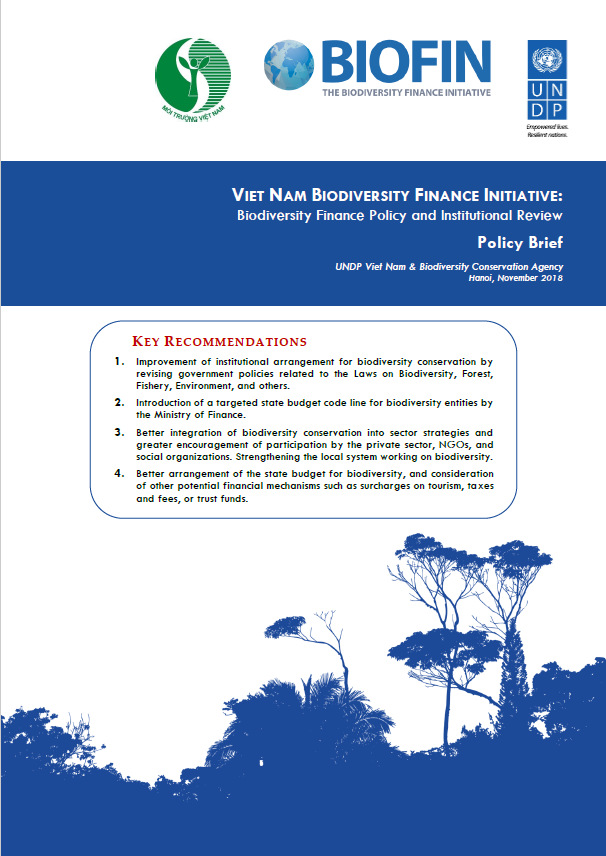
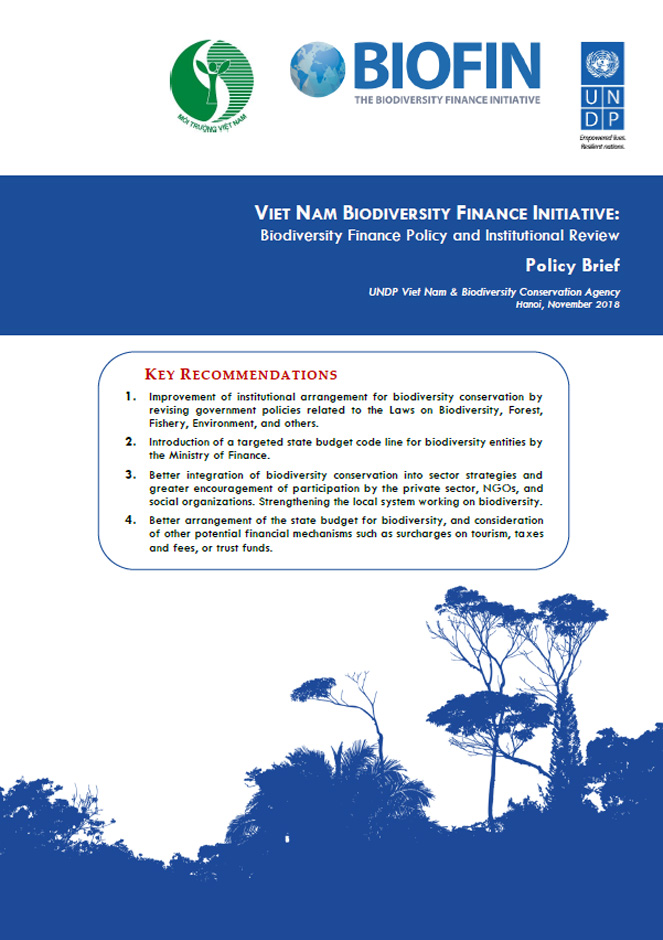
The Biodiversity Finance Policy and Institutional Review (PIR) in Viet Nam (VN) has been conducted by independent consultant from May 2017 to February 2018. The PIR report focuses on analyzing the status and progress of the National Biodiversity Strategy (NBS) of Viet Nam, presented in 6 chapters including introduction and recommendations as well as references and annexes.

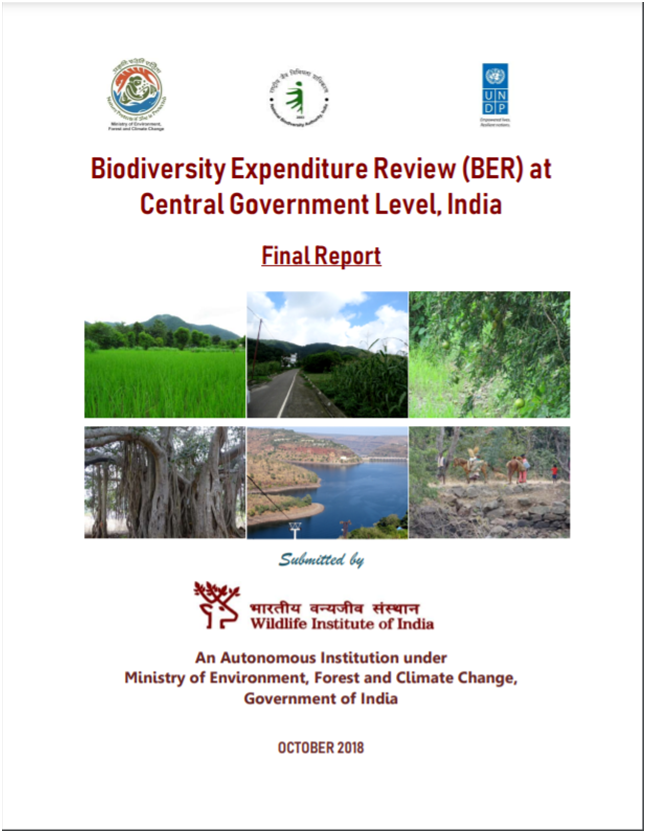
In recent decades, the status of biodiversity (BD) in Viet Nam is worsening against a high annual economic growth (6-8% on average), which has strong impact on dependency sectors like agriculture, fishery and forestry in which most people with low incomes earn their living. Recent studies on BD valuation show that investment in BD conservation is significantly less than its contribution to economic development in provinces and the country, in general. A supplementary study on the Biodiversity Expenditure Review provides more information in this regard.

To improve biodiversity conservation, in recent years the legal framework has been strengthened, including the National Constitution (2013), the Law on Biodiversity (2008), the Law on Environment Protection (2005), the Law on Forestry (2004, revised in 2017), the Law on Fishery (2003, revised in 2017), all supported by a variety of government policies and regulations providing guidance to the implementation of legislation on BD conservation. The VN NBS is the most important policy to accelerate BD conservation in VN.

Publications
Publications
Publications
Publications

In this executive summary, BIOFIN Mexico compiles the results of Phase I of the project, as well as the finance solutions for biodiversity that the initiative will be implementing during Phase II. 

Publications

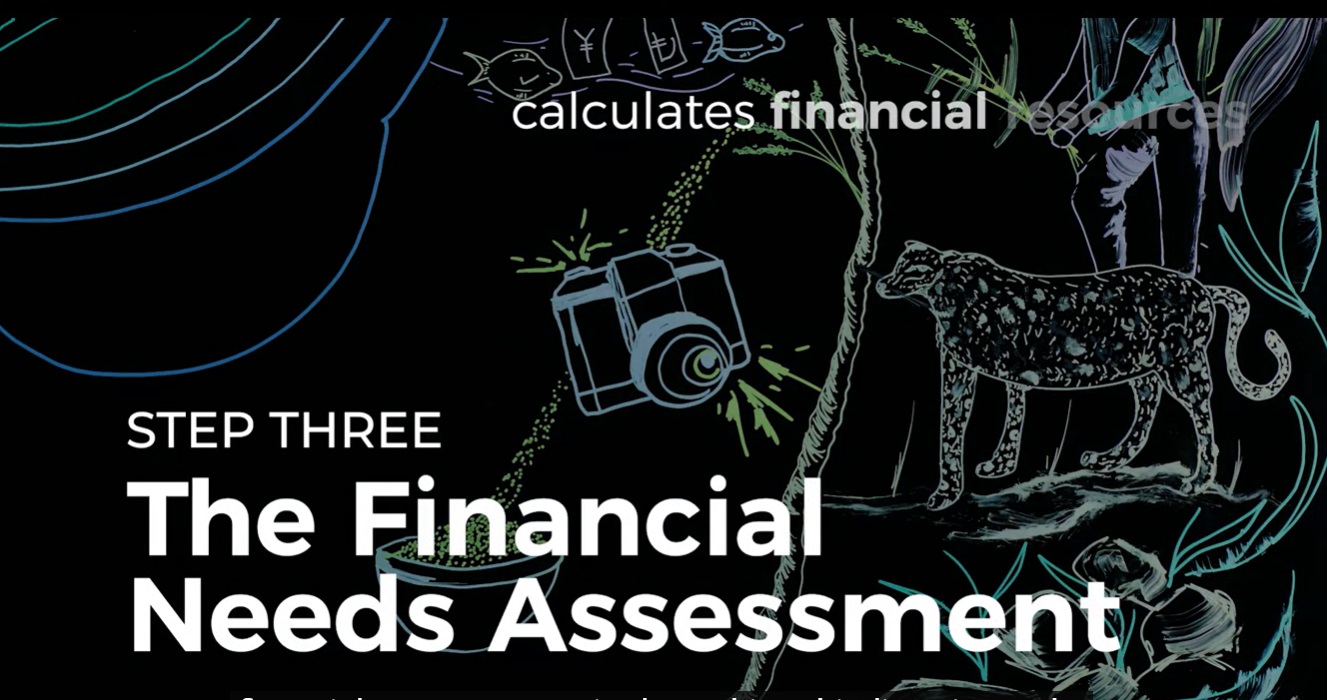
Following the BIOFIN methodology, the Biodiversity Financial Needs Assessment (FNA) aims to make a comprehensive estimate of the financial resources required to achieve national biodiversity targets. This FNA builds on the findings of Thailand’s BER, which showed that the main domestic source of biodiversity funding in Thailand is from the government’s budget allocation, which mostly pays for the operations of the core environmental agencies. The total expenditure for the core agencies accounted for around 80 percent of the overall biodiversity related budget in 2015. The finance gap as the difference between the BAU budget allocation scenario and the required budget to execute the actions in the target areas amounts to $942 million (THB 31,978 million) for the remaining three-year period of the current NBSAP (2019-2021).

BIOFIN Videos
SEE ALL