Knowledge Base

KNOWLEDGE HUB

Knowledge Hub

Access BIOFIN's library of resources, including flagship publications, country reports, finance solution case studies, webinars, explainer videos, podcasts, and more.

Key Publications

Publications

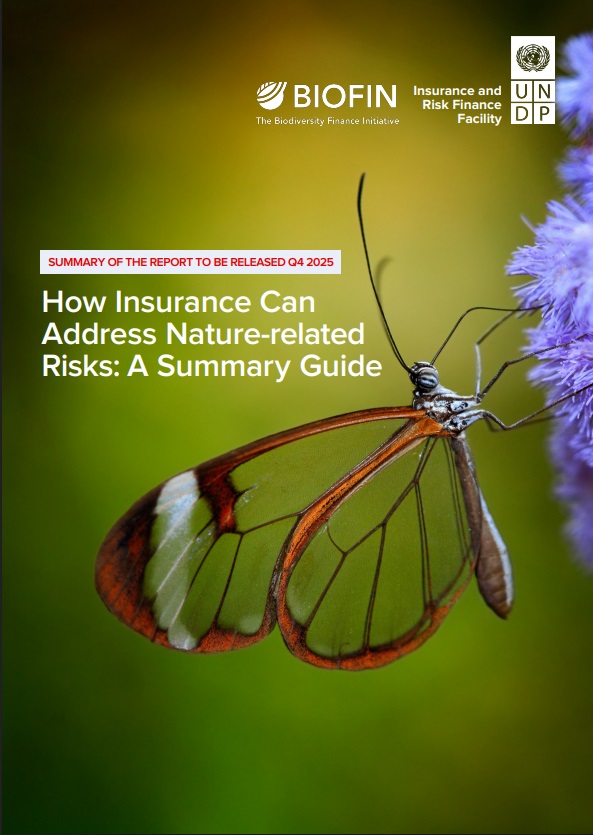
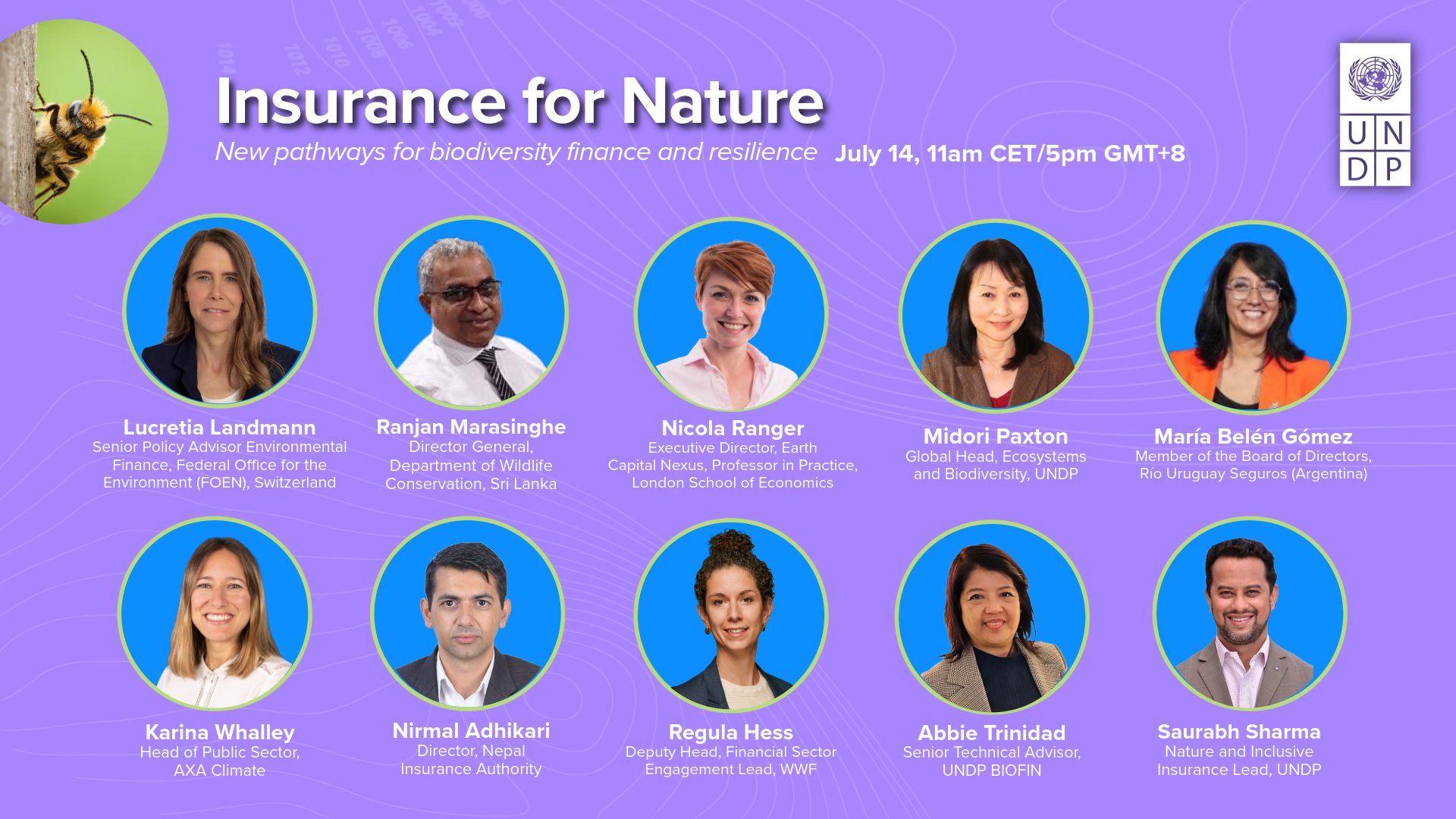
Insurance can play a crucial role in biodiversity conservation by providing financial protection against risks to natural assets, incentivizing sustainable practices, and securing key investments.
Publications

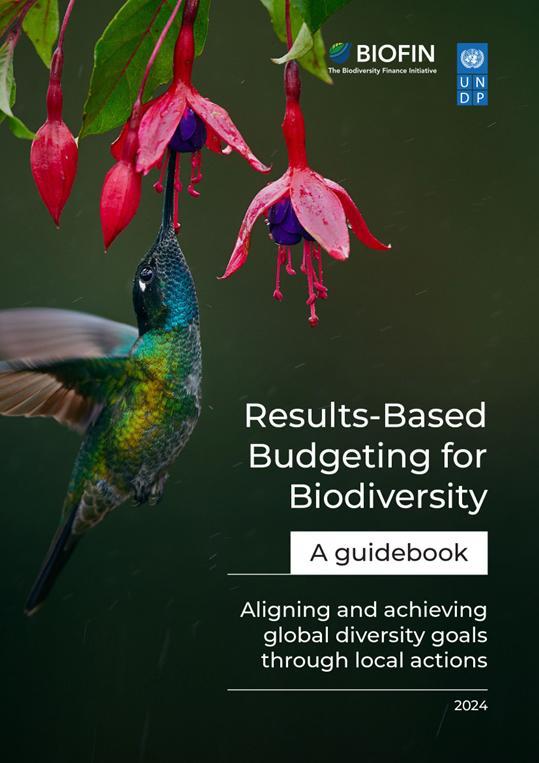
In 2022, countries adopted new global biodiversity targets under the Kunming-Montreal Global Biodiversity Framework (GBF), revisiting many goals that had gone unachieved or underachieved over the past decade.
Publications

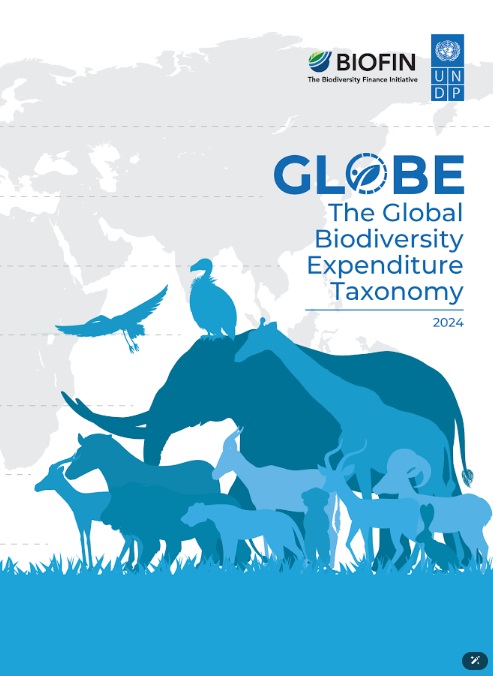
Global Biodiversity Expenditure (GLOBE) is a taxonomy that categorizes all potential public expenditures for biodiversity.

The taxonomy consists of two components:
Publications

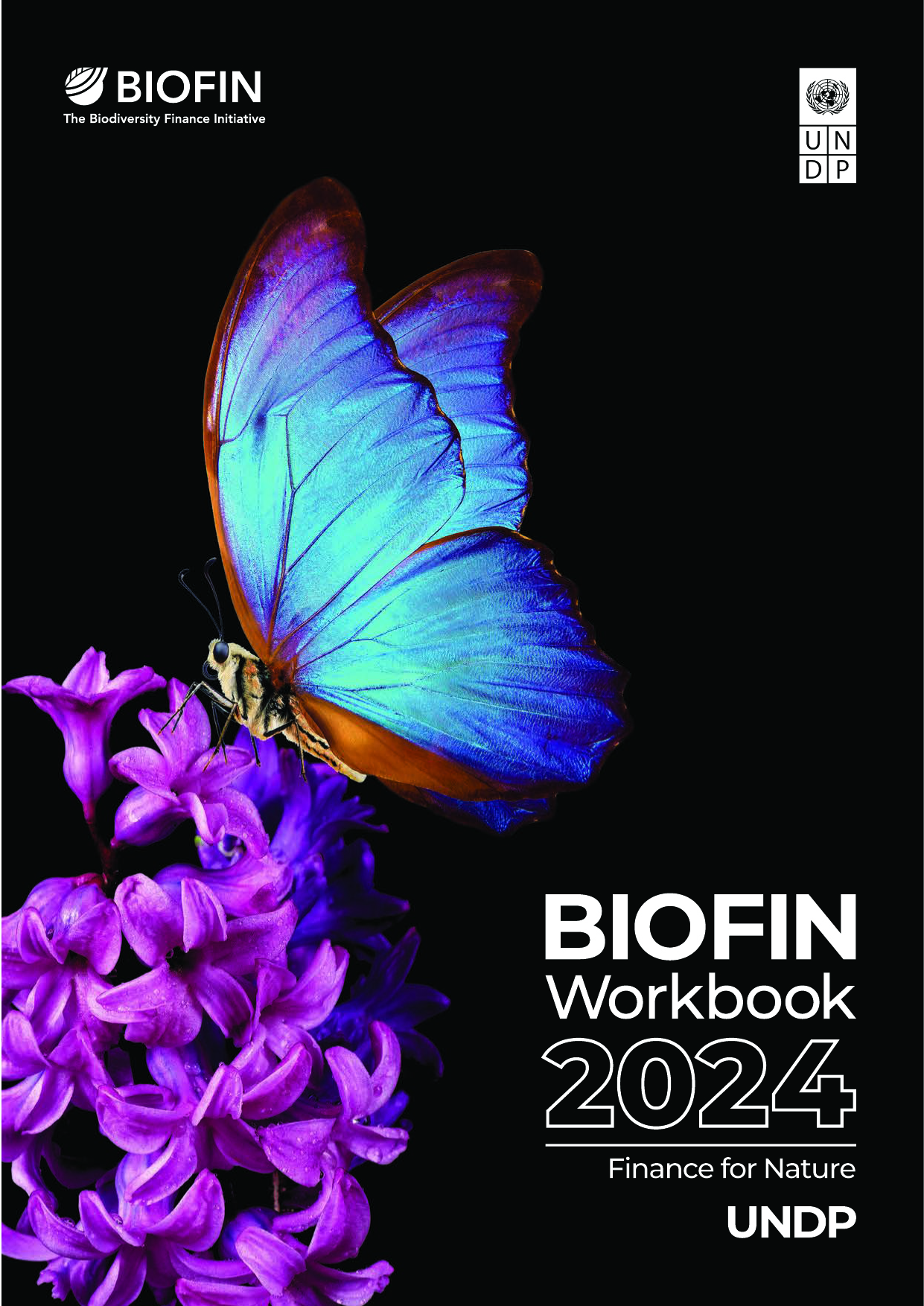
The BIOFIN Workbook 2024 provides detailed guidance to design and implement national biodiversity finance plans.  These are not mere plans. They set out a process to engage a coalition of actors around the issue of biodiversity finance for an extended time.
Publications

At the Conference of the Parties to the Convention on Biological Diversity 15 (CBD COP 15) in 2022, countries agreed to review and update their National Biodiversity Strategy and Action Plans
Publications

Well-intentioned subsidies aimed at socio-economic goals can have unintended negative impacts on the environment, including biodiversity. The BIOFIN team has developed a step-by-step guide to repurpose such subsidies and improve their positive impacts on people and nature.
Publications

The Kunming-Montreal Global Biodiversity Framework (GBF) calls for a whole-of-society approach to halting and reversing nature loss.

Publications


The Little Book of Investing in Nature provides an essential overview of the area of biodiversity finance at a time when governments and international negotiators are urgently seeking pragmatic solutions for the twin crises of climate change and the loss of nature.

E-LEARNING

Learning for nature: our free biodiversity finance certified e-learning course

Take our free biodiversity finance certified e-learning course. Master the methodology, connect with experts, and gain certification.

Start E-Learning
Browse the Knowledge Platform

636 Results
Publications

This publication presents Zambia’s Policy and Institutional Review (PIR) of biodiversity financing, examining the policy, legal, and institutional frameworks that underpin investments in biodiversity conservation. While Zambia is richly endowed with biodiversity that supports livelihoods, ecosystem services, and socio-economic development, growing pressures on forests, wildlife, fisheries, and other natural resources highlight significant financing gaps. The review assesses past and current biodiversity expenditures, identifies resource constraints, and outlines opportunities to strengthen financing mechanisms. It also proposes sector-specific finance solutions across agriculture, environment, forestry, fisheries, water, and wildlife, aligned with the National Biodiversity Strategy and Action Plan (2015–2025) and the Seventh National Development Plan, to support more effective and sustainable biodiversity conservation.

Publications

Mongolian territory spans across the Siberian taiga, Euroasian steppes and the desserts of Central Asia. Due to the transitional ecosystems and harsh continental climatic conditions, the biodiversity in Mongolia is quite delicate, thus natural rehabilitation is very slow and sometimes the negative impacts can be almost irreversible. In addition, the nomadic civilization and pastoral farming has been a unique part of Mongolian biodiversity.

Publications

English version of BIOFIN Mexico's first brochure 

Publications

This report summarizes current findings from the budget expenditure review that

was conducted as part of BIOFIN’s overall assessment of Thailand’s current

biodiversity policy environment and investment status. BIOFIN’s conceptual

model views the integration of biodiversity investment and resource mobilization

into public and private decision making and financing, as being based on a

three-part process: 1) A review of current policy practice, biodiversity and

ecosystem trends, relevant actors and current expenditures (Policy and Institutional

Review in Workbook 1A, 1B and Expenditure Review in Workbook 1C);

2) Costing for the implementation of national biodiversity strategies and actions

(Workbook 2); and 3) Identification of potential finance actors, mechanisms,

revenue and feasibility (Workbook 3). The process evolves around national

biodiversity strategies and action plans that aim to synthesize the root causes

of biodiversity and ecosystem pressures, generate public awareness, and

identify potential drivers of changes and financing solutions. The resource

mobilization plans aim to achieve a better investment state by generating

sufficient public and private responses in order to close the biodiversity financing

gap.

Publications

The BIOFIN Workbook is BIOFIN's flagship publication and holds the methodology for all countries to follow the BIOFIN process. The 2016 Workbook is the second edition and was launched at the COP13 in Mexico in December 2016 

Publications

The BIOFIN Workbook is BIOFIN's flagship publication and holds the methodology for all countries to follow the BIOFIN process. The 2016 Workbook is the second edition and was launched at the COP13 in Mexico in December 2016 

Multimedia

An opinion piece by UNDP Thailand's Deputy Resident Representative Martin Hart-Hansen after BIOFIN Day held in April 2017

Publications

The BIOFIN Workbook is BIOFIN's flagship publication and holds the methodology for all countries to follow the BIOFIN process. The 2016 Workbook is the second edition and was launched at the COP13 in Mexico in December 2016 

Publications

The BIOFIN Workbook is BIOFIN's flagship publication and holds the methodology for all countries to follow the BIOFIN process. The 2016 Workbook is the second edition and was launched at the COP13 in Mexico in December 2016 

Publications

The BIOFIN Workbook is BIOFIN's flagship publication and holds the methodology for all countries to follow the BIOFIN process. The 2016 Workbook is the second edition and was launched at the COP13 in Mexico in December 2016