Knowledge Base

Knowledge Hub

Access BIOFIN's library of resources, including flagship publications, country reports, finance solution case studies, webinars, explainer videos, podcasts, and more.

Key Publications
Publications

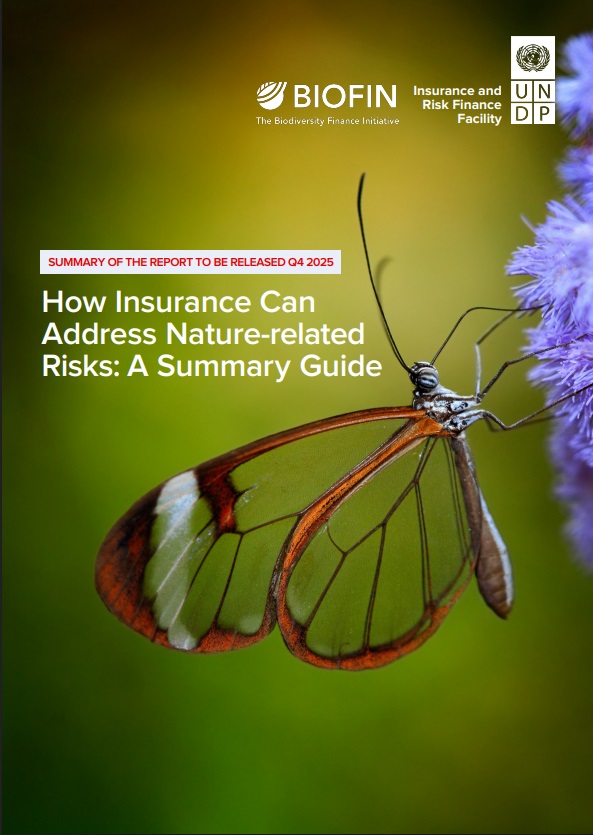
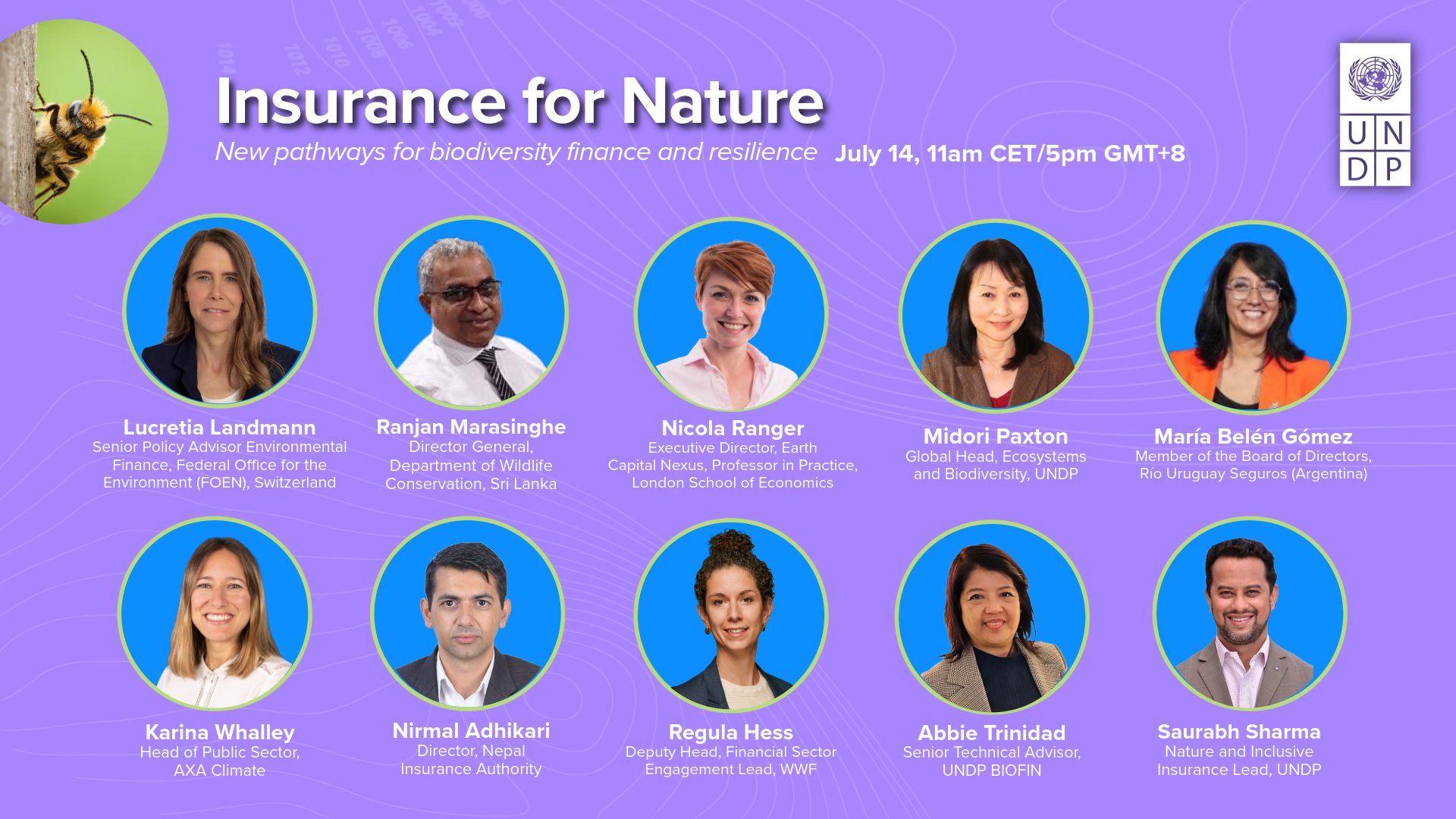
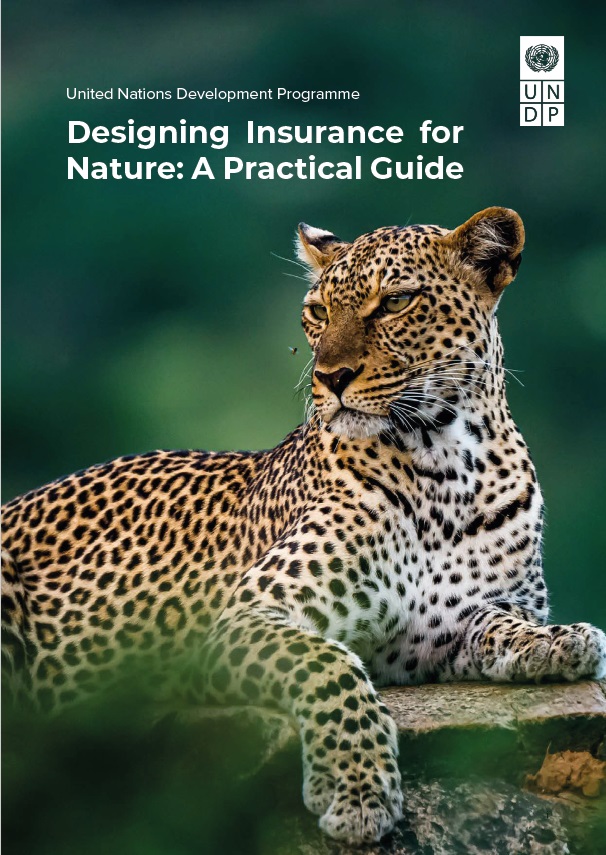
Insurance can play a crucial role in biodiversity conservation by providing financial protection against risks to natural assets, incentivizing sustainable practices, and securing key investments.
Publications

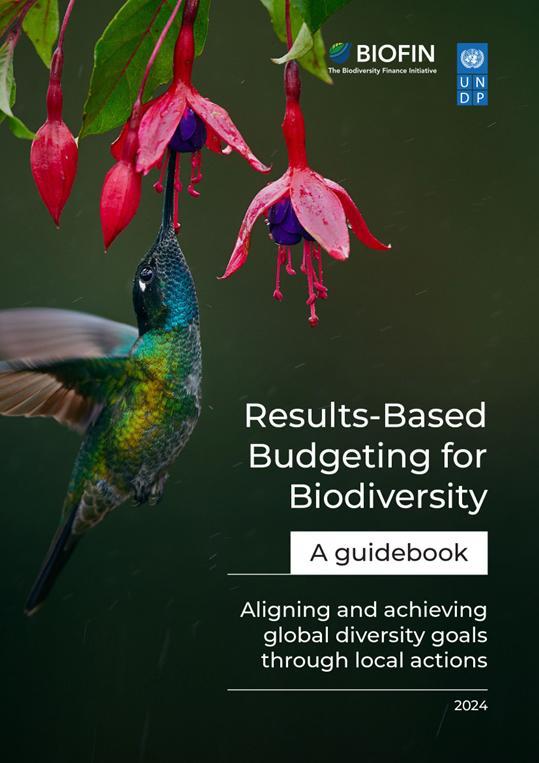
In 2022, countries adopted new global biodiversity targets under the Kunming-Montreal Global Biodiversity Framework (GBF), revisiting many goals that had gone unachieved or underachieved over the past decade.
Publications

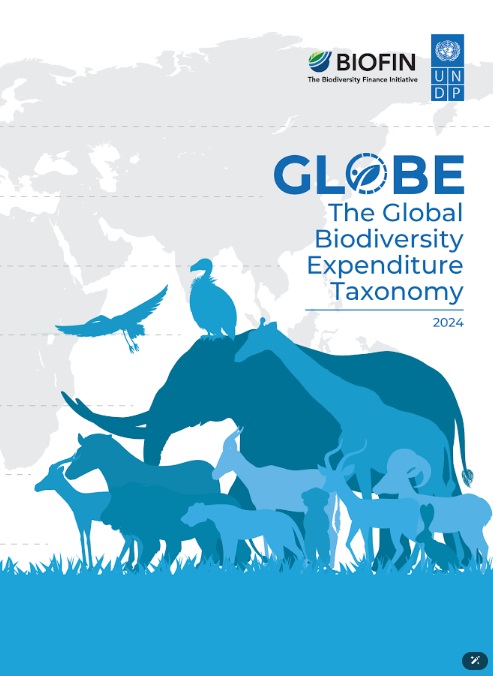
Global Biodiversity Expenditure (GLOBE) is a taxonomy that categorizes all potential public expenditures for biodiversity.

The taxonomy consists of two components:
Publications

The BIOFIN Workbook 2024 provides detailed guidance to design and implement national biodiversity finance plans.  These are not mere plans. They set out a process to engage a coalition of actors around the issue of biodiversity finance for an extended time.
Publications

At the Conference of the Parties to the Convention on Biological Diversity 15 (CBD COP 15) in 2022, countries agreed to review and update their National Biodiversity Strategy and Action Plans
Publications

Well-intentioned subsidies aimed at socio-economic goals can have unintended negative impacts on the environment, including biodiversity. The BIOFIN team has developed a step-by-step guide to repurpose such subsidies and improve their positive impacts on people and nature.
Publications

The Kunming-Montreal Global Biodiversity Framework (GBF) calls for a whole-of-society approach to halting and reversing nature loss.

Publications

The Little Book of Investing in Nature provides an essential overview of the area of biodiversity finance at a time when governments and international negotiators are urgently seeking pragmatic solutions for the twin crises of climate change and the loss of nature.

E-LEARNING

Learning for nature: our free biodiversity finance certified e-learning course

Take our free biodiversity finance certified e-learning course. Master the methodology, connect with experts, and gain certification.

Start E-Learning
Browse the Knowledge Platform
645 Results
Publications

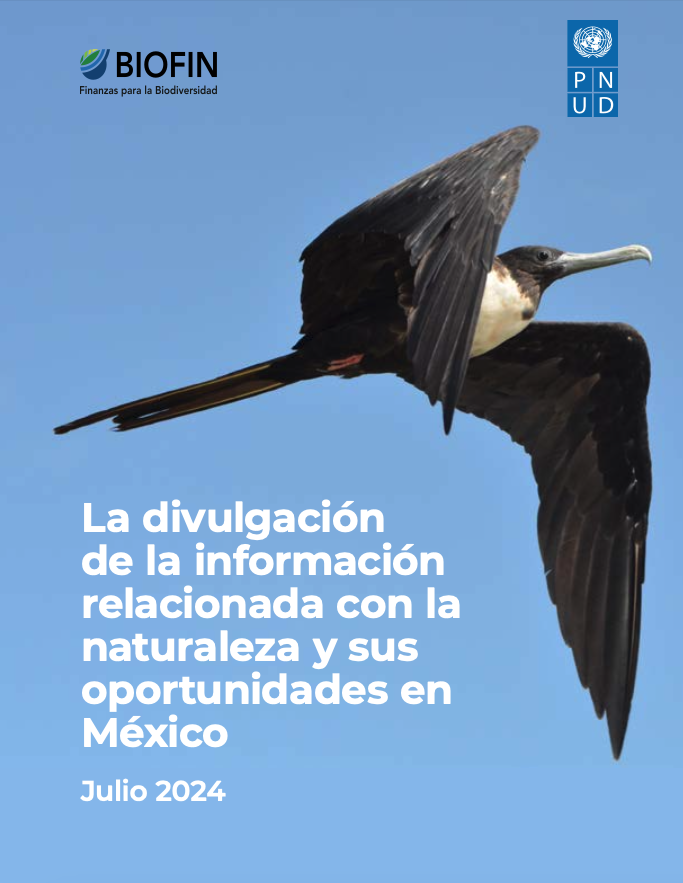
El nuevo folleto de BIOFIN México presenta una visión completa de la iniciativa, proporcionando información detallada sobre su trabajo, objetivos y soluciones de financiamiento. Este material ofrece una mirada accesible y clara a las actividades realizadas y las estrategias implementadas para la conservación de la biodiversidad. Además, el folleto destaca el compromiso del equipo y su contribución al desarrollo sostenible, sin dejar de lado los logros obtenidos hasta la fecha. Es una herramienta valiosa que informa sobre el trabajo de la Iniciativa y su impacto en la protección de la biodiversidad.

Publications

In the COP15, countries agreed to a Global Biodiversity Framework which sets targets to protect 30% of the earth’s land, inland waters, oceans and coastal areas by 2030 with emphasis on areas important for biodiversity and ecosystem services. Expanding restricted spaces for conservation may present transition risks to mining, agriculture and tourism sectors if applied in the Philippines.  The Philippines has sound strategies and comprehensive environmental laws and policies, but some penalties need updating.  Taxes, subsidies, fines, and penalties if set high enough, are effective mechanisms to discourage pollutive activities and promote green practices. Policies to attract green investments using incentives are found in the Green Jobs Act and AFRD or the Agriculture, Fisheries and Rural Development Financing Enhancement Act. These recent laws refer to “green” activities, but the term will need further definition.

Biodiversity financing requires significant investments, but public budgets are inadequate. The BIOFIN public and private biodiversity expenditure study shows scenarios where better alignment of public budgets can augment spending for biodiversity in the ENR sectors. Private finance will be needed to augment financing for “green” activities with nature-positive outcomes and climate change adaptation. The Philippines recently published a Sustainable Finance Road map which outlines plans to raise finance through a mix of tools, including better disclosures and the adoption of a green taxonomy. The Philippine Financial System holds substantial assets where a large part is held by banks. The larger banks lend more to the capital-intensive sectors, whereas the smaller banks lend to agriculture and retail consumers, mostly MSMEs. Regardless of size, bank portfolios are exposed to climate and nature risks.

This technical brief highlights the findings and recommendations of the study conducted by BIOFIN Philippines on the country’s readiness for nature-related finance disclosures. The study assessed Philippines’ institutional, policy and regulatory readiness for disclosure of nature-related finance and risks. It also assessed the institutional arrangements readiness and capacities of national and local associations of economic agents and put forward a set of entry points and recommendations moving forward.

NAT00732.jpg

Photo credit: Photo by Department of Tourism and Department of Environment and Natural Resources in the Philippines

DOWNLOAD

Publications

At the Conference of the Parties to the Convention on Biological Diversity 15 (CBD COP 15) in 2022, countries agreed to review and update their National Biodiversity Strategy and Action Plans (NBSAPs) and to develop, update and implement national Biodiversity Finance Plans (BFPs).

The NBSAPs serve as the basic policy framework for the implementation of the CBD at the national level and BFPs aim to close the biodiversity financing gap and support efforts to achieve the NBSAP targets.

This report provides a brief overview of the two policy mechanisms, emphasizes their complementarity and guides their joint development to deepen their impact.

ENGLISH

FRENCH

RUSSIAN


Publications

This publication was produced within the framework of the Biodiversity Finance Initiative (BIOFIN) Argentina project. The analysis and conclusions expressed herein do not necessarily reflect the views of the United Nations Development Programme, its Executive Board, or its Member States.

UNDP builds partnerships at all levels of society to help nations withstand crises and promotes and sustains growth that improves the quality of life for all. Present on the ground in nearly 170 countries and territories, we offer a global perspective and local knowledge in service of people and nations.

Publications

This publication was produced within the framework of the Biodiversity Finance Initiative (BIOFIN) Argentina project. The analysis and conclusions expressed herein do not necessarily reflect the views of the United Nations Development Programme, its Executive Board, or its Member States.

UNDP builds partnerships at all levels of society to help nations withstand crises and promote and sustain growth that improves the quality of life for all. Present on the ground in nearly 170 countries and territories, we offer a global perspective and local knowledge in the service of people and nations.

Publications

This publication was produced within the framework of the Biodiversity Finance Initiative (BIOFIN) Argentina project. The analysis and conclusions expressed herein do not necessarily reflect the views of the United Nations Development Programme, its Executive Board, or its Member States.

UNDP builds partnerships at all levels of society to help nations withstand crises and drive and sustain the kind of growth that improves the quality of life for everyone. Present in nearly 170 countries and territories, we offer a global perspective and local insight to empower people and nations.

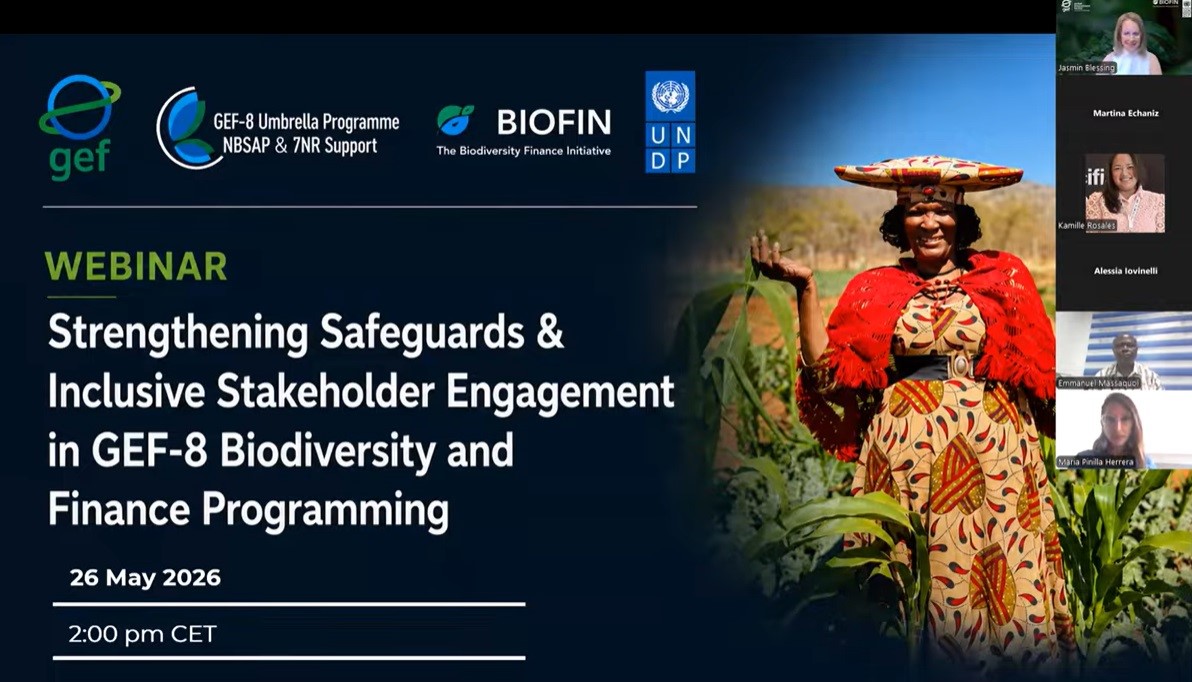
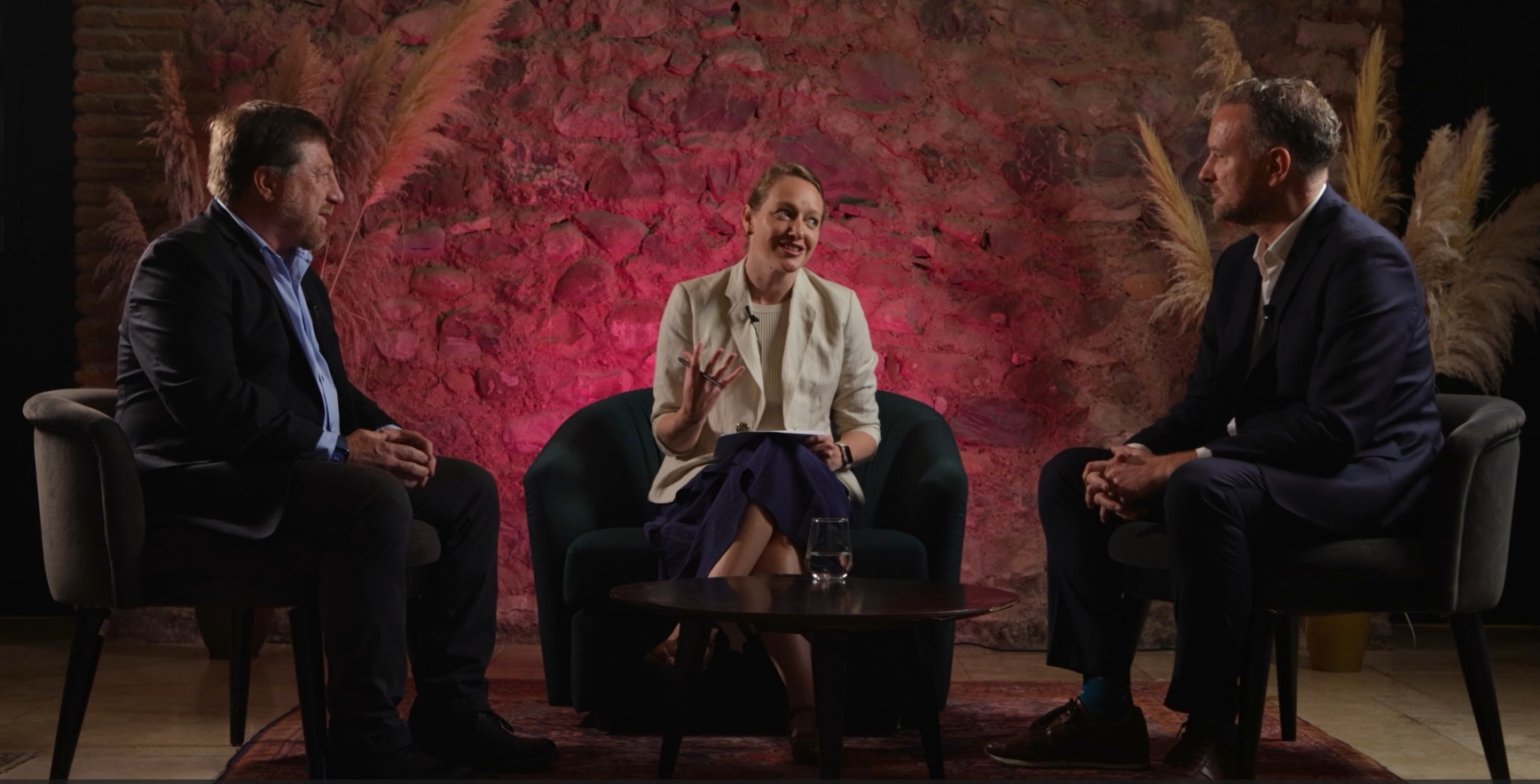
Webinars

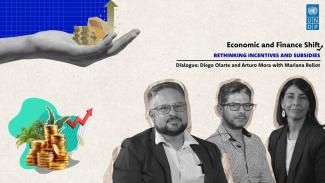
Well-intentioned subsidies targeting socio-economic goals can have unintended negative impacts on nature.

Our exceptional speakers shared knowledge and best practices on how to identify and redesign harmful subsidies and improve their positive impacts on people and nature.

Speakers:

  • Haoliang Xu, Under-Secretary-General and Associate Administrator of the United Nations Development Programme (UNDP)
  • Rebecca Pow MP, Parliamentary Under-Secretary of State for Nature (Minister for Nature), United Kingdom
  • Maria Teresa Becerra, Chief of Office, International Affairs, Ministry of Environment and Sustainable Development, Colombia
  • David Laborde, Director of the Agrifood Economics and Policy Division, FAO Moderator:
  • Francine Pickup - Deputy Assistant Administrator of UNDP and Deputy Director in the Office of Policy and Programme Support, UNDP

Download the guidelines on harmful subsidies

French Spanish

Webinars

UNDP BIOFIN and UNEP FI launch a new partnership aimed at strengthening support for countries via a Public-Private Community of Practice for Nature and Development Finance, which will engage public and private actors to share thought-leadership and practice on emerging topics and challenges including debt sustainability, debt for nature conversions, the biodiversity credit markets, nature-based solutions, the voluntary carbon market, sustainability-linked bonds and loans, and impact finance. The collaboration includes a webinar series aimed at public officials to help better understand the possible application of private finance to their NBSAP review and implementation. This webinar is aimed at supporting CBD Parties to better understand the possible application of public and private finance to their NBSAP revision and update. BIOFIN and UNEP FI will provide an overview of the partnership and its goals, will introduce the recently released briefing note, and will gather information from the audience about which topics they would like to learn more about and what they would like to gain from this partnership.

English

French

Spanish

Russian


Videos

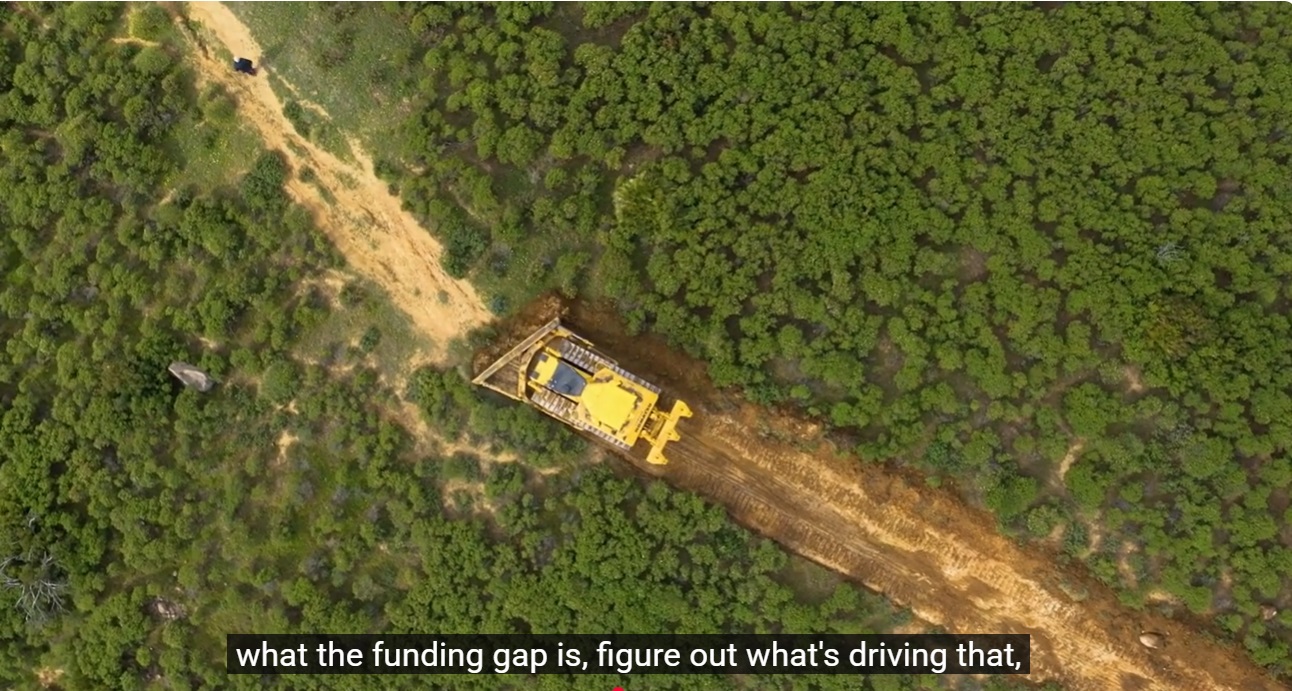
The world faces a US$800 billion per year biodiversity funding gap, funds needed to protect and restore nature. UNDP-BIOFIN is at the forefront of working with governments, the private sector, civil society, and indigenous communities to identify finance solutions that help close this gap. This short film, narrated by BIOFIN experts across the world, captures the challenges the world faces and the practical solutions that can put the health of our planet back on track. 

Publications

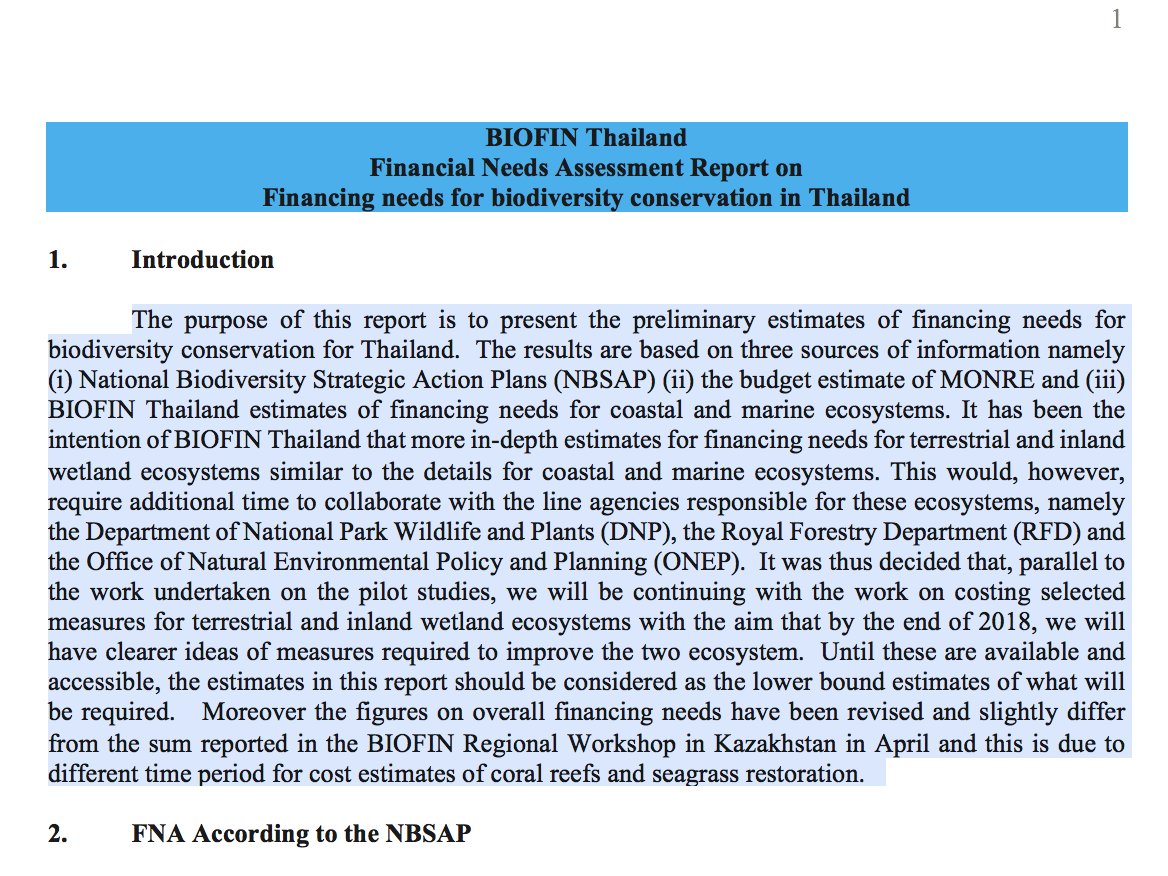
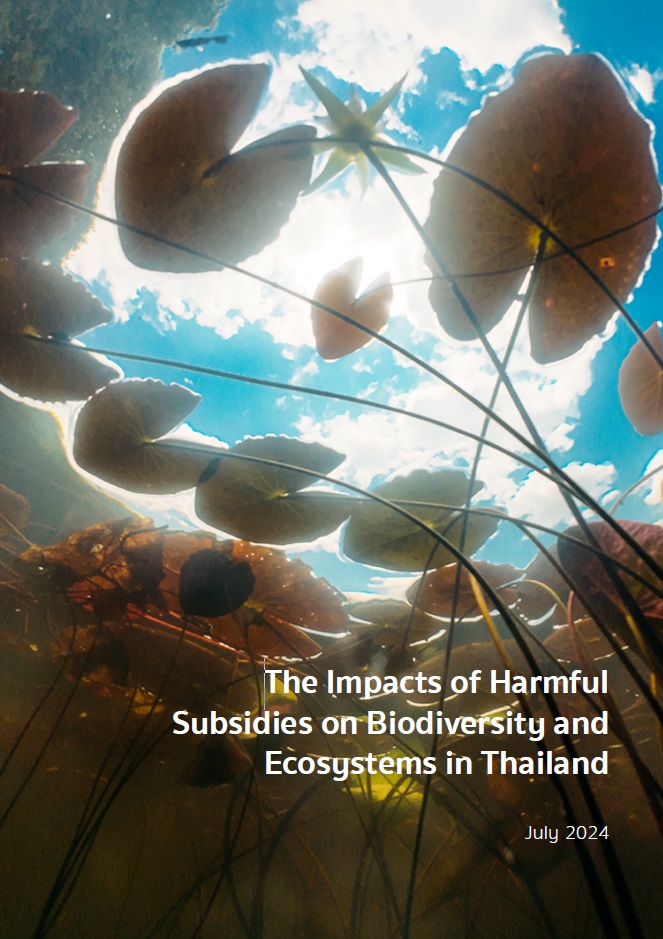
For Thailand’s biodiversity finance perspective, UNDP has conducted the review of biodiversity-related expenditures for all government agencies from 2022 – 2024. The findings show that the country's primary funding for biodiversity comes from the government budget. Budget data shows that responsibility for biodiversity-related activities rests mainly on three core environmental agencies – the Department of Marine and Coastal Resources, the Department of National Parks, Wildlife and Plant Conservation, and the Royal Forest Department. All three are within the Ministry of Natural Resources and Environment, making the ministry the central authority in charge of biodiversity conservation and management efforts in Thailand. Total biodiversity-related expenditures for the fiscal years 2022 – 2024 amount to 20.8 billion THB, but there are fluctuations from year to year. Taken together with findings from previous BER, it is found that allocations for biodiversity from government budget as a proportion of total government expenditures is in decline, dropping from 0.53% in 2016 to 0.38% in 2020, and to 0.16% in 2022 before rebounding slightly to 0.30% in 2023. To address the funding gap and improve efficiency, the government should explore increased private sector involvement, cost-saving measures, and revenue generation strategies for biodiversity conservation and to avoid future expenditure on the biodiversity.

Publications

Well-intentioned subsidies aimed at socio-economic goals can have unintended negative impacts on the environment, including biodiversity. The BIOFIN team has developed a step-by-step guide to repurpose such subsidies and improve their positive impacts on people and nature.

DOWNLOAD THE GUIDE

ENGLISH

SPANISH

FRENCH

RUSSIAN

Webinars

Nearly 1 million species are at risk of extinction because of human activity. It is time to ensure that efforts help reverse and not accelerate the looming planetary crises – climate change and nature loss – while also boosting sustainable job opportunities for communities. 

Increasing evidence demonstrates that well-intended subsidies and government support that target socio-economic goals (food security, energy security, etc.) may have unintended negative and costly environmental effects, including biodiversity. The countries have taken little action to redirect finances from environmentally harmful subsidies by reducing or redesigning them. 

To facilitate this process and support the implementation of the global biodiversity framework of the coming decade, the UNDP-Biodiversity Finance Initiative (BIOFIN) has developed step-by-step guidelines to examine, repurpose, and monitor major subsidies to make them fiscally responsible and nature-positive. These guidelines are guiding countries to: 

English

French

Spanish

BIOFIN Videos
SEE ALL