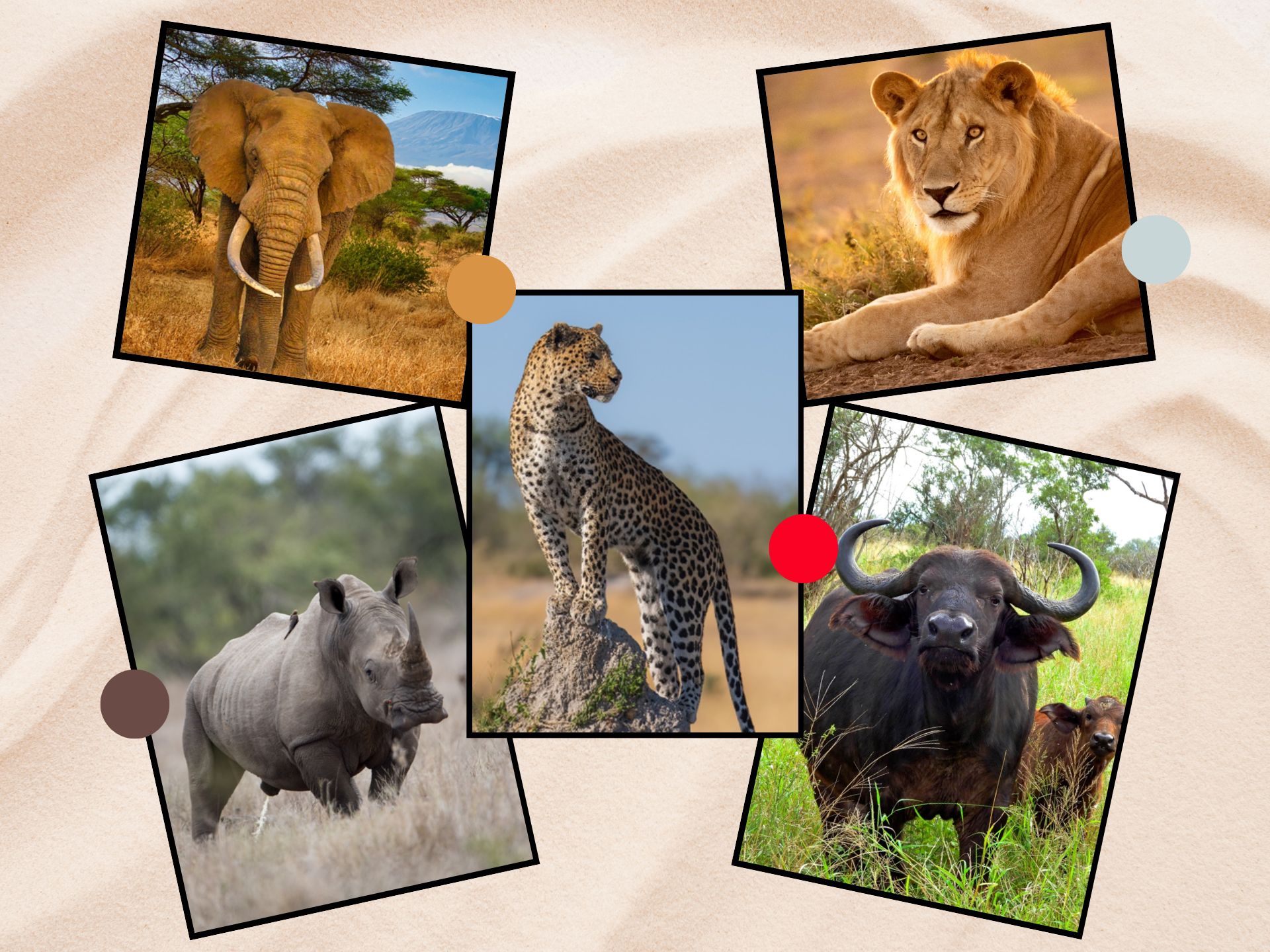
The “Big Five” may define Africa’s wildlife heritage, but today, a new “Big Five” is emerging across the continent: the key trends shaping how that heritage is financed.
As 56 countries gather in Nairobi from 28–30 April 2026 for the largest regional dialogue on biodiversity finance, the conversation is shifting decisively from ambition to implementation, and from protecting nature in principle to backing those commitments with real financing.
At the center of this shift is the Biodiversity Finance Initiative (BIOFIN), a UNDP-led programme supporting governments to move from analysis to action. By identifying finance gaps, designing policy and investment solutions, and embedding them into national systems, BIOFIN is helping countries turn strategies into results.
The impact is already visible. Across 41 countries, BIOFIN-supported solutions have helped unlock more than $2.7 billion for nature, offering a glimpse of what is possible as more countries move into implementation.
If the elephant signals the scale of change, the lion reflects the growing role of private finance. The leopard and the rhino? They reveal equally important shifts in how biodiversity is funded. Together, these trends form Africa’s new “Big Five” of biodiversity finance.
1. From plans to scale: biodiversity finance plans enter implementation
More than 30 countries across Africa and the Arab States are now advancing Biodiversity Finance Plans (BFPs), supported by BIOFIN and the Global Environment Facility.
These plans go beyond analysis. They identify concrete, country-led finance solutions, from fiscal reforms to investment pipelines, designed to unlock domestic and private finance for biodiversity.
What makes this moment pivotal is the transition to implementation. Countries are no longer just diagnosing the biodiversity finance gap; they are beginning to close it.
This is the inflection point: where planning meets scale.

2. Private sector engagement moves from concept to practice
Engaging in the private sector has long been recognized as essential. What is changing now is how this engagement is materializing.
In Zambia, BIOFIN-supported reforms have helped lay the groundwork for a green bond market, creating incentives and regulatory frameworks that attract private capital into environmentally beneficial investments.
Across the region, countries are also exploring blended finance, using public and concessional funds to reduce risk and crowd in private investment.
The shift is clear: the private sector is no longer a supporting actor. It is becoming central to how biodiversity is financed.

3. Protected area financing gets smarter and more sustainable
Protected areas remain the backbone of conservation but financing them sustainably has long been a challenge.
Countries are now applying smarter, data-driven approaches. In Botswana, reforms to protected area fees have increased revenues while strengthening the ecotourism model. In Zanzibar, willingness-to-pay analysis is informing marine park fee structures, aligning pricing with both conservation needs and visitor expectations.
These are not just revenue measures. They reflect a broader shift toward strategic management of conservation assets, where pricing, policy, and sustainability work together.

4. Public finance reform becomes a core lever
Public finance remains one of the most powerful tools available and countries are using it more strategically.
In Rwanda, innovations such as biodiversity budget tagging and improved expenditure tracking are helping governments better align spending with environmental priorities. Elsewhere, countries are reassessing subsidies, fees, and fiscal policies to better reflect the value of nature.
This marks a fundamental shift: biodiversity is no longer treated as a standalone environmental issue, but as a core element of economic governance.

5. Congo Basin countries step forward on nature finance
Countries across the Congo Basin, many of them Francophone, are accelerating efforts to mobilize finance for nature.
Given the Basin’s global importance as one of the world’s largest carbon sinks and biodiversity hotspots, this momentum carries significance far beyond the region.
The focus is not only on protecting ecosystems, but on building the financial systems required to sustain them through policy reform, finance planning, and implementation of concrete solutions.
As these efforts advance, the Congo Basin has the potential to become a global reference point for financing large-scale ecosystems.

A Defining Moment for Nature Finance
Together, these trends point to something larger than individual countries’ actions. They signal a structural shift in how biodiversity is financed, moving away from fragmented approaches toward integrated, system-level solutions.
This transformation comes at a critical moment, as countries prepare for upcoming global milestones, including COP17.
It also reflects a growing recognition that finance solutions can deliver multiple benefits at once. Increasingly, countries are designing approaches that generate “triple wins”: protecting biodiversity, advancing climate mitigation and adaptation, and strengthening resilience to land degradation.
With more than 91 countries preparing to move into implementation, the opportunity to unlock finance at scale is unprecedented.
What happens next will not only shape biodiversity outcomes across Africa and the Arab States, but it will help define how finance can work more effectively in a resource-constrained world.
Categories
Archives
- Febrero 2024 (6)
- Enero 2024 (3)
- Diciembre 2023 (1)
- Noviembre 2023 (7)
- Octubre 2023 (5)
- Septiembre 2023 (2)
- Agosto 2023 (2)
- Julio 2023 (1)
- Junio 2023 (1)
- Mayo 2023 (45)