Knowledge Base

KNOWLEDGE HUB

Knowledge Hub

Access BIOFIN's library of resources, including flagship publications, country reports, finance solution case studies, webinars, explainer videos, podcasts, and more.

Key Publications

Publications

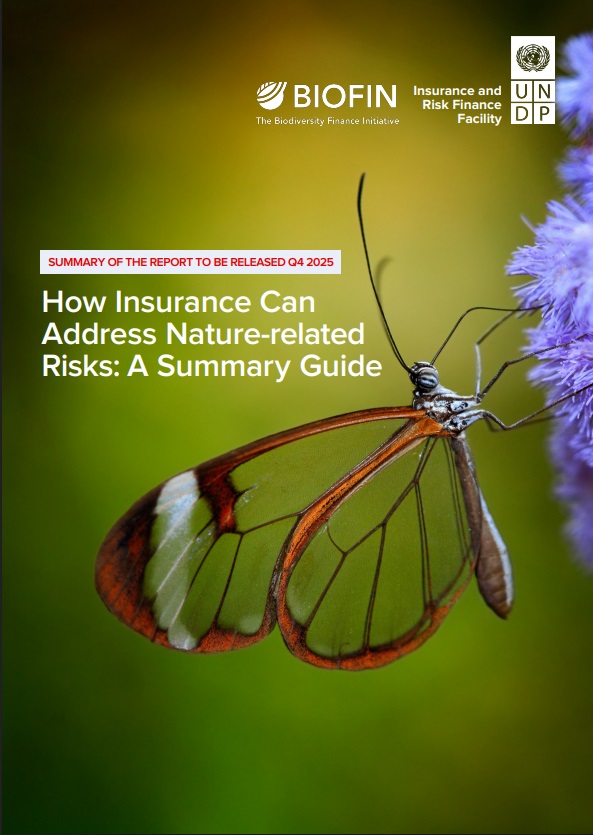
Insurance can play a crucial role in biodiversity conservation by providing financial protection against risks to natural assets, incentivizing sustainable practices, and securing key investments.
Publications

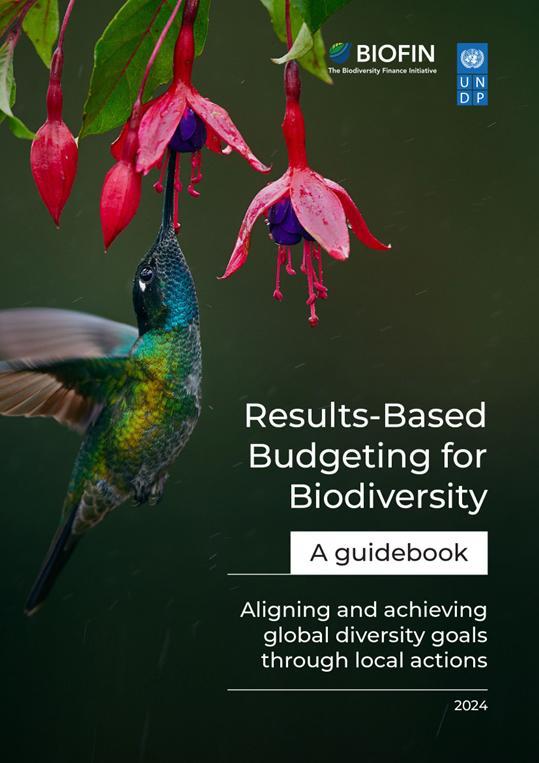
In 2022, countries adopted new global biodiversity targets under the Kunming-Montreal Global Biodiversity Framework (GBF), revisiting many goals that had gone unachieved or underachieved over the past decade.
Publications

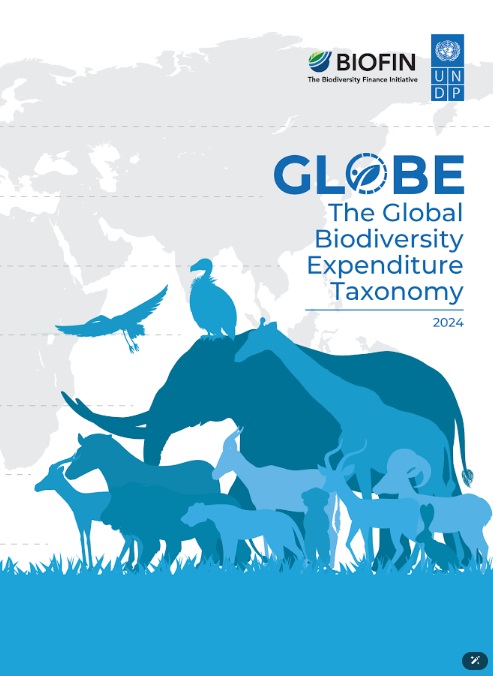
Global Biodiversity Expenditure (GLOBE) is a taxonomy that categorizes all potential public expenditures for biodiversity.

The taxonomy consists of two components:
Publications

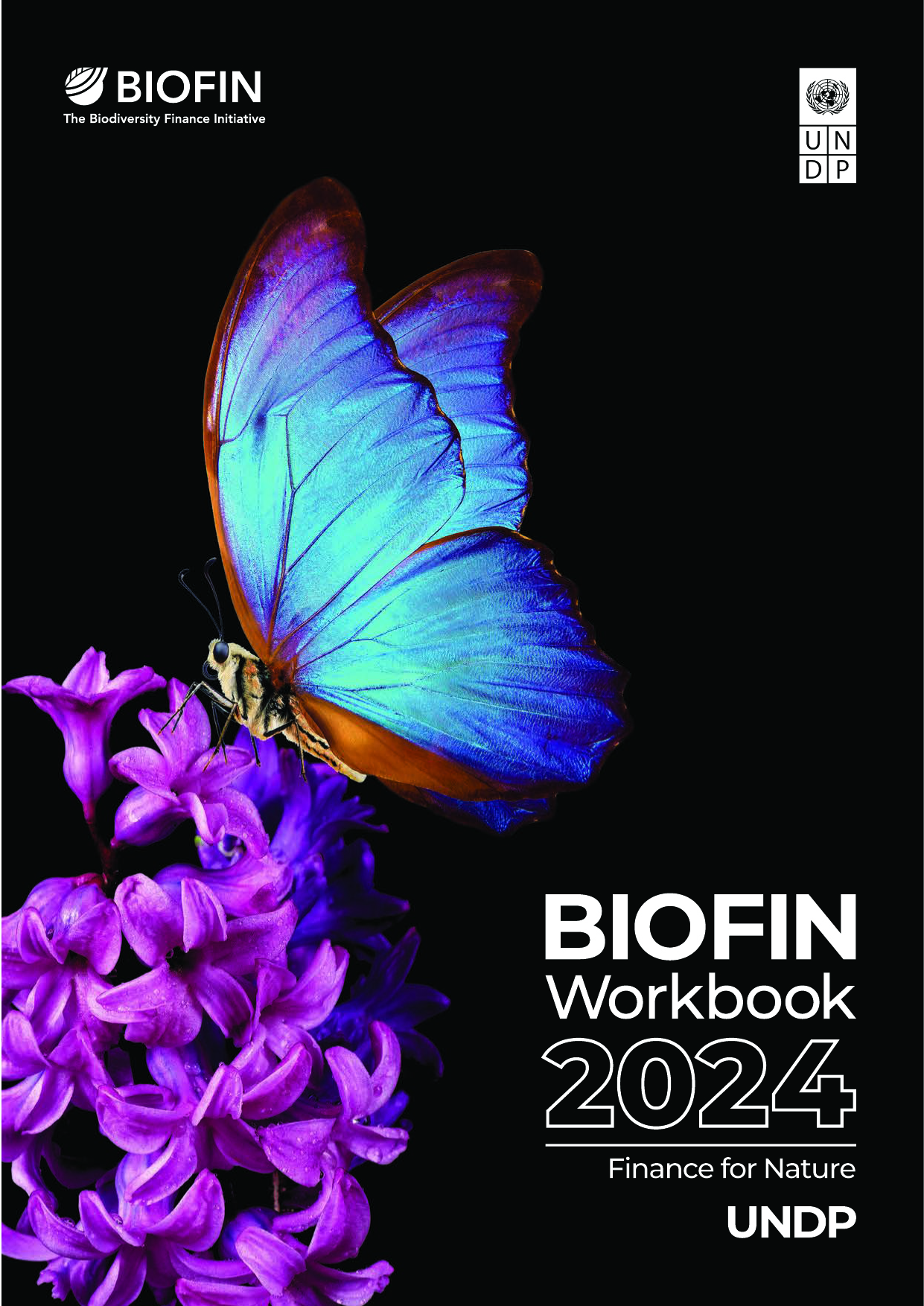
The BIOFIN Workbook 2024 provides detailed guidance to design and implement national biodiversity finance plans.  These are not mere plans. They set out a process to engage a coalition of actors around the issue of biodiversity finance for an extended time.
Publications

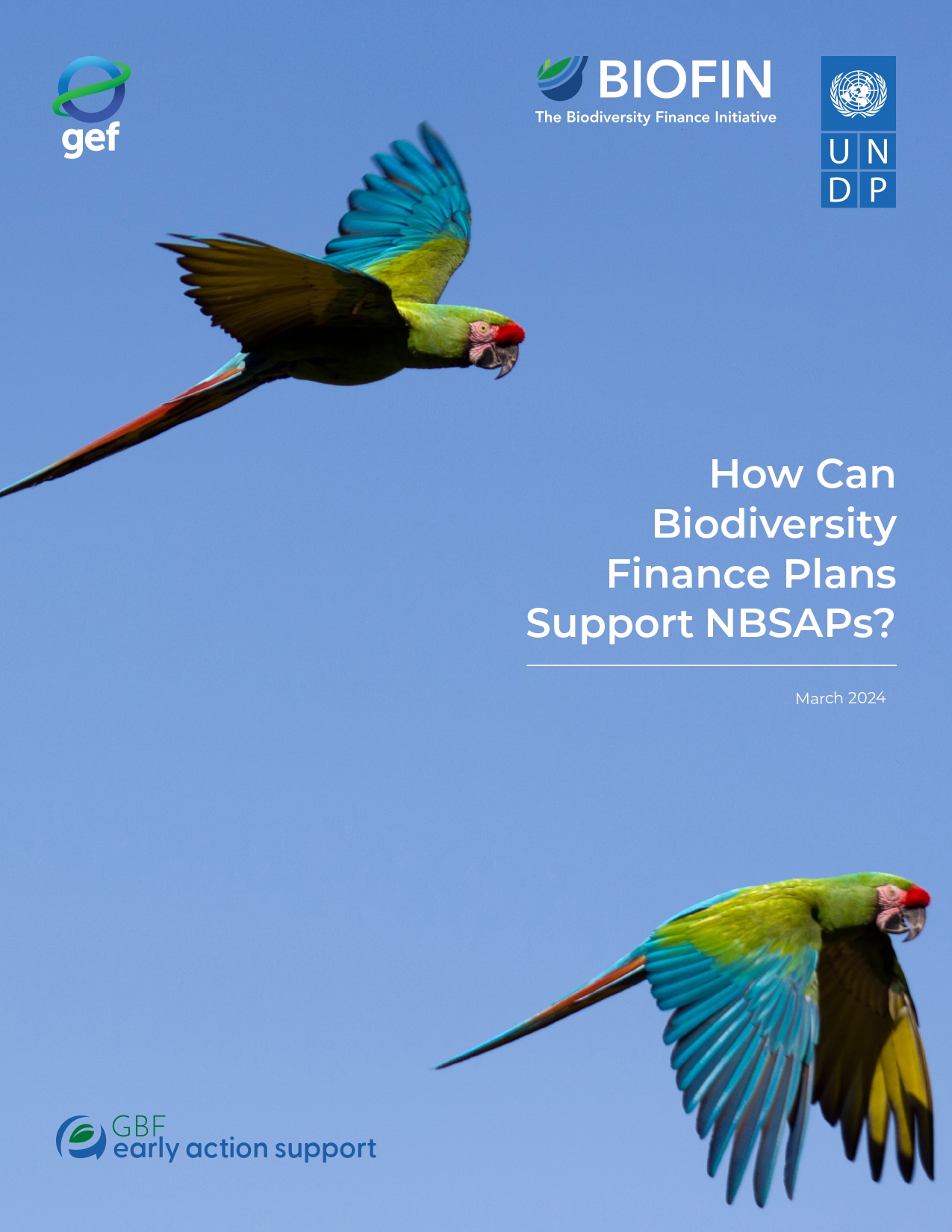
At the Conference of the Parties to the Convention on Biological Diversity 15 (CBD COP 15) in 2022, countries agreed to review and update their National Biodiversity Strategy and Action Plans
Publications

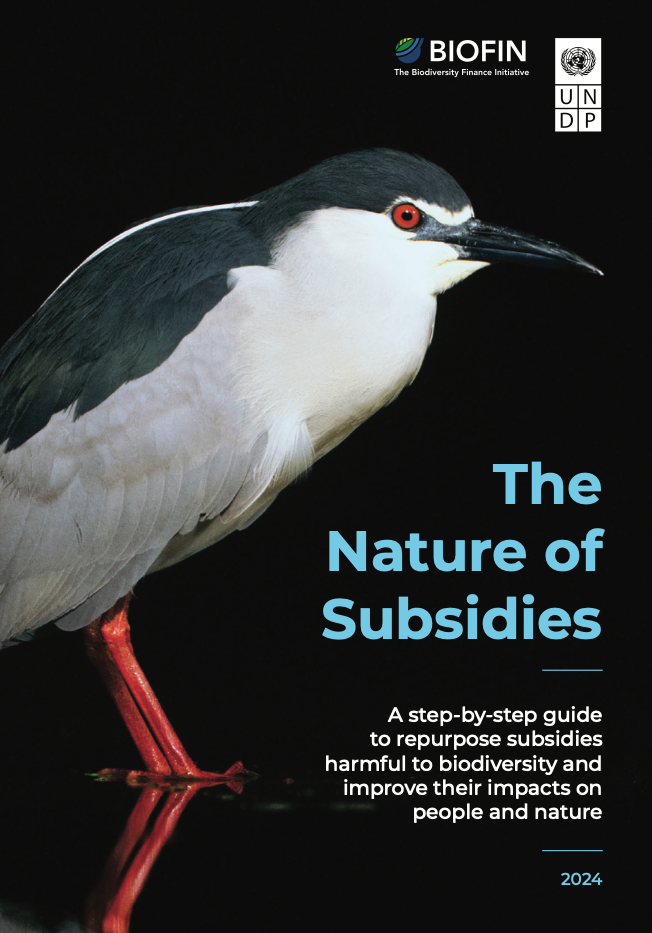
Well-intentioned subsidies aimed at socio-economic goals can have unintended negative impacts on the environment, including biodiversity. The BIOFIN team has developed a step-by-step guide to repurpose such subsidies and improve their positive impacts on people and nature.
Publications

The Kunming-Montreal Global Biodiversity Framework (GBF) calls for a whole-of-society approach to halting and reversing nature loss.

Publications


The Little Book of Investing in Nature provides an essential overview of the area of biodiversity finance at a time when governments and international negotiators are urgently seeking pragmatic solutions for the twin crises of climate change and the loss of nature.

E-LEARNING

Learning for nature: our free biodiversity finance certified e-learning course

Take our free biodiversity finance certified e-learning course. Master the methodology, connect with experts, and gain certification.

Start E-Learning
Browse the Knowledge Platform
21 Results
Publications

The Thailand Biodiversity Finance Plan (BFP) 2023-2027 represents a significant step forward in the nation’s commitment to preserving its rich biodiversity while aligning with the global objectives outlined in the Kunming-Montreal Global Biodiversity Framework. This plan is intricately linked to Thailand’s National Biodiversity Action Plan 2023–2027 to ensure a cohesive approach to environmental stewardship.

Download

Publications

The purpose of this report is to present the preliminary estimates of financing needs for biodiversity conservation for Thailand.  The results are based on three sources of information namely (i) National Biodiversity Strategic Action Plans (NBSAP) (ii) the budget estimate of MONRE and (iii) BIOFIN Thailand estimates of financing needs for coastal and marine ecosystems. It has been the intention of BIOFIN Thailand that more in-depth estimates for financing needs for terrestrial and inland wetland ecosystems similar to the details for coastal and marine ecosystems. This would, however, require additional time to collaborate with the line agencies responsible for these ecosystems, namely the Department of National Park Wildlife and Plants (DNP), the Royal Forestry Department (RFD) and the Office of Natural Environmental Policy and Planning (ONEP).  It was thus decided that, parallel to the work undertaken on the pilot studies, we will be continuing with the work on costing selected measures for terrestrial and inland wetland ecosystems with the aim that by the end of 2018, we will have clearer ideas of measures required to improve the two ecosystem.  Until these are available and accessible, the estimates in this report should be considered as the lower bound estimates of what will be required.   Moreover the figures on overall financing needs have been revised and slightly differ from the sum reported in the BIOFIN Regional Workshop in Kazakhstan in April and this is due to different time period for cost estimates of coral reefs and seagrass restoration.

Publications

Well-intended subsidies and investments aimed at socio-economic development can have unintended negative impacts on the environment, particularly biodiversity and ecosystems. The study of the Impacts of Subsidies on Biodiversity and Ecosystems in Thailand draws on the methodology from the BIOFIN Workbook 2018 and the step-by-step guide to repurpose subsidies harmful to biodiversity and improve their impacts on people and nature (2024).

Publications

BIOFIN คืออะไร

โครงการความร่วมมือระดับโลกที่เรียกว่า ไบโอฟิน (BIOFIN: The Biodiversity Finance Initiative) ได้ถือ กำเนิดขึ้นเมื่อปี พศ 2555 จากการริเริ่มของโครงการพัฒนาแห่งสหประชาชาติ (UNDP: United Nations Development Programme) ในคราวการประชุมภาคีอนุสัญญาว่าด้วยความหลากหลายทางชีวภาพ

(Convention on Biological Diversity: CBD) โดยในช่วงเริ่มต้นมีสมาชิก 12 ประเทศที่นำระบบและ

วิธีการแบบใหม่มาทดลองใช้ในการแก้ไขปัญหาด้านการเงินและงบประมาณเพื่อการดูแลความหลากหลาย ทางชีวภาพ ซึ่งเป็นที่รู้จักกันในชื่อ BIOFIN methodology หรือกระบวนการไบโอฟิน ซึ่งปัจจุบันมีประเทศ ที่ร่วมโครงการจำนวนกว่า 30 ประเทศ ได้แก่ เบลิซ บราซิล บอตสวานา ภูฏาน ชิลี โคลอมเบีย คอสตาริกา คิวบา เอกวาดอร์ ฟิจิ จอร์เจีย กัวเตมาลา อินเดีย อินโดนีเซีย คาซักสถาน คีร์กีซสถาน มาเลเซีย เม็กซิโก มองโกเลีย โมซัมบิก นามิเบีย เปรู ฟิลิปปินส์ รวันดา เซเชลล์ แอฟริกาใต้ ศรีลังกา ไทย ยูกันดา เวียดนาม และแซมเบีย โดยประเทศไทยได้เริ่มดำเนินโครงการนี้ผ่านการเห็นชอบของรัฐบาลไทย นำโดยสำนักงาน คณะกรรมการพัฒนาการเศรษฐกิจและสังคมแห่งชาติ เมื่อวันที่ 4 มิถุนายน 2557

วัตถุประสงค์หลักของโครงการ BIOFIN คือ การสนับสนุนทางด้านวิชาการของโครงการพัฒนาแห่ง

สหประชาชาติ โดยนำกรอบความคิดและกระบวนการ BIOFIN methodology เป็นองค์ความรู้หลักในการ บริหารจัดการความหลากหลายทางชีวภาพได้อย่างยั่งยืน รวมทั้งสร้างองค์ความรู้ในฐานที่กว้างขึ้นผ่านความ ร่วมมือระหว่างประเทศ และระหว่างภูมิภาคในการระดมทรัพยากรเพื่อการอนุรักษ์ความหลากหลายทาง ชีวภาพ ดังนั้น โครงการการริเริ่มการเงินเพื่อความหลากหลายทางชีวภาพ หรือ BIOFIN จึงมุ่งหวังให้

ประเทศสมาชิกสามารถเรียนรู้วิธีการบริหารจัดการการเงิน บุคคลากร และทรัพยากรด้านอื่นๆ เพื่อดูแล รักษาความหลากหลายทางชีวภาพอย่างมีประสิทธิภาพ โดยคุณลักษณะสำคัญของ BIOFIN methodology คือ การพัฒนาแผนการระดมทุนเพื่ออนุรักษ์และฟื้นฟู ความหลากหลายทางชีวภาพ  และการจัดลำดับ

ความสำคัญของโครงการที่ควรได้รับการดูแลอย่างถูกที่ถูกเวลา ซึ่งเงินทุนควรจะมาจากแหล่งต่างๆ ไม่ว่าจะ เป็นระดับชาติหรือระดับนานาชาติ ทั้งภาครัฐและเอกชน ในรูปแบบดั้งเดิมและเป็นนวัตกรรมใหม่ๆ เพื่อหา แนวทางผสมผสานทางการลงทุนเพื่อความหลากหลายทางชีวภาพที่เหมาะสมของ   แต่ละประเทศ เพื่อ สร้างผลลัพท์ทางการเงิน 4 ประการ คือ (1) สร้างรายได้จากการบริหารจัดการความหลากหลายทาง ชีวภาพ (Generate revenue) (2) วางกรอบงบประมาณที่เกี่ยวกับความหลากหลายทางชีวภาพอย่าง เหมาะสม (Realign current expenditure) (3) หลีกเลี่ยงค่าใช้จ่ายที่ต้องใช้ฟื้นฟูทรัพยากรความ หลากหลายทางชีวภาพ (Avoid the need for future biodiversity expenditures) และ (4) เกิด การลงทุนด้านความหลากหลายทางชีวภาพที่มีประสิทธิภาพและประสิทธิผลมากขึ้น (Deliver financial resources more effectively and efficiently)   

Publications

For Thailand’s biodiversity finance perspective, UNDP has conducted the review of biodiversity-related expenditures for all government agencies from 2022 – 2024. The findings show that the country's primary funding for biodiversity comes from the government budget. Budget data shows that responsibility for biodiversity-related activities rests mainly on three core environmental agencies – the Department of Marine and Coastal Resources, the Department of National Parks, Wildlife and Plant Conservation, and the Royal Forest Department. All three are within the Ministry of Natural Resources and Environment, making the ministry the central authority in charge of biodiversity conservation and management efforts in Thailand. Total biodiversity-related expenditures for the fiscal years 2022 – 2024 amount to 20.8 billion THB, but there are fluctuations from year to year. Taken together with findings from previous BER, it is found that allocations for biodiversity from government budget as a proportion of total government expenditures is in decline, dropping from 0.53% in 2016 to 0.38% in 2020, and to 0.16% in 2022 before rebounding slightly to 0.30% in 2023. To address the funding gap and improve efficiency, the government should explore increased private sector involvement, cost-saving measures, and revenue generation strategies for biodiversity conservation and to avoid future expenditure on the biodiversity.

Publications


Biodiversity finance solutions have the potential to unlock a better future for people and the planet, but they can only work when partners from all levels come together. This collection of 11 stories demonstrates the power and sheer variety of biodiversity finance solutions being implemented across the world. 

Each story, authored by a partner working alongside UNDP-BIOFIN, offers an insight into how biodiversity finance solutions help put us on a path to a nature-positive future. From community leaders to mayors, from national park Directors to government partners, the authors speak to the power of biodiversity finance solutions and how they are protect and restore nature while also boosting economies more sustainably.  

Screenshot 2022-12-07 at 10.18.19.png

Publications

For Thailand’s biodiversity finance perspective, UNDP has conducted the review of biodiversity-related expenditures for all government agencies from 2016 – 2020. The key findings show that the bulk of biodiversity finance in Thailand come from government budget. Budget data shows that responsibility for biodiversity-related activities rests mainly on three core environmental agencies – Department of Marine and Coastal Resources, Department of National Parks, Wildlife and Plant Conservation, and Royal Forest Department. All three are within Ministry of Natural Resources and Environment, placing the ministry at the center of biodiversity conservation and management efforts in Thailand. This provides a constant stream of funds necessary for maintaining conservation and research activities in the country. Though the total biodiversity-related expenditures fluctuate, the proportion of the figures to Thailand’s nominal gross domestic product (GDP) remains constant at 0.08 percent from 2017 to 2020. However, when comparing biodiversity expenditures with total expenditures, there is a slight downward trend. The figure dropped from 0.53 percent in 2016 to 0.46 percent in 2018 to 0.38 percent in 2020.  For 2020, the findings show that approximately THB12 billion (US$360 million) per year has been allocated for ‘biodiversity action agenda’ in the country. Data also shows the task of safeguarding biodiversity cannot be accomplished by environmental agencies alone. The work of a wide range of agencies is also crucial to maintaining and developing biodiversity resources.

Publications

[English below]

โครงการไบโอฟินภายใต้โครงการพัฒนาแห่งสหประชาชาติ ได้เล็งเห็นถึงแนวโน้มการเปลี่ยนแปลงระบบการเงินเพื่อการดูแลความหลากหลายทางชีวภาพที่เพิ่มขึ้นอย่างมีนัยสำคัญของกระแสการเงินทั้งในและต่างประเทศที่มุ่งเน้นการลงทุนเพื่อบริหารจัดการความหลากหลายทางชีวภาพ โดยมีเครื่องมือทางการเงิน ผู้ให้บริการทางการเงิน และกลไกการส่งมอบบริการที่หลากหลายกว่าที่เคยเป็นมา อย่างไรก็ดี หนึ่งในความท้าทายที่ผู้เกี่ยวข้องกับเรื่องระบบการเงินเพื่อธรรมชาติพบเจอ คือการคัดเลือกกลไกการเงินที่สามารถตอบโจทย์นักลงทุนพร้อม แนวทางแก้ไขปัญหาที่เหมาะสม และมีประสิทธิผลมากที่สุด ซึ่งกลไกการเงินนั้นๆต้องสามารถผสานร่วมกับกลไกการเงินอื่นๆ สร้างนวัตกรรมแปลกใหม่ เพื่อให้ผู้ที่มีส่วนเกี่ยวข้องได้มีเครื่องมือที่เหมาะสมในการลงทุนเพื่อดูแลรักษาธรรมชาติได้ดีกว่าเดิม ดังนั้น “คู่มือ” ฉบับนี้จึงเป็นจุดเริ่มต้นของการรวบรวมชุดความคิด แนวทางการนำร่องกลไกการเงิน และกลยุทธ์ที่สามารถนำไปประยุกต์ใช้ได้จริง

--

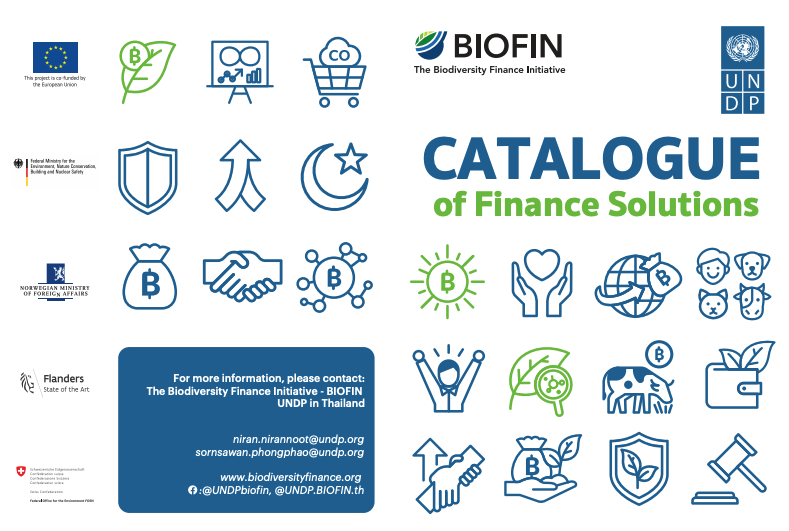
The biodiversity finance landscape is changing. Both domestic and international financial flows have grown and the range of financing instruments, providers, and delivery mechanisms now available is significantly wider than ever before. One of the key challenges for practitioners is selecting the most appropriate and effective solutions out of the growing list of consolidated, emerging, and non-traditional mechanisms to fund nature and better align interest of various actors.

This “catalogue” is the beginning of a comprehensive list of these instruments, tools and strategies that are

applicable to the field of biodiversity finance.


Publications

Link to download: https://www.th.undp.org/content/thailand/en/home/library/environment_energy/the-biodiversity-finance-plan.html 

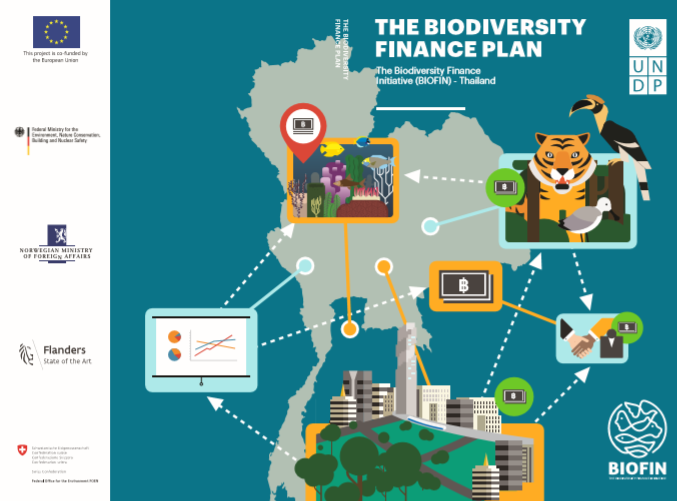
The Biodiversity Finance Plan (The Plan) outlines a set of actions which would help to significantly improve the management and financing of biodiversity conservation in Thailand. The Plan calls for an integrated national approach which builds on the economic and business imperative for scaling up action on biodiversity protection in order to meet national biodiversity goals. Without a concerted effort involving both the public and private sector as well as civil society in the implementation of prioritized biodiversity finance solutions, Thailand will not be able to continue to enjoy the benefits of the ecosystem services generated by its national biodiversity. The Plan is prepared in line with the Biodiversity Policy and Institutional Review (PIR), the Biodiversity Expenditure Review (BER), and the Financial Needs Assessment (FNA) in response to the National Biodiversity Strategy and Action Plan (NBSAP).

Implementing the Plan

The Plan aims to deliver a prioritized set of biodiversity finance solutions which explore new finance mechanisms and ways of creating and supporting new partnerships. These finance solutions aim to capture the breadth of options available, for meeting the four results of biodiversity finance as outlined by The Biodiversity Finance Initiative – BIOFIN: 1) Avoid future expenditures, 2) Deliver better, 3) Generate revenues, and 4) Realign expenditures. The prioritized biodiversity finance solutions in the Plan are complementary and promote a combination of systemic and local sustainable financing, policy changes, and other incentive mechanisms within four thematic areas of intervention. The finance solutions can be summarized as follows:

1. Sustainable Tourism Finance Solution: Increasing industry revenue sources for safeguarding biodiversity and environmental management.

2. Wildlife and Protected Areas Finance Solution: Introduction of conservation vehicle license plates to support wildlife conservation in Thailand  

3. Government Budget Finance Solution: Enhancing effectiveness and biodiversity impact of local budgets in Thailand

4. Private Sector Finance Solution: Mobilizing the private sector and impact investment in support of biodiversity


Publications

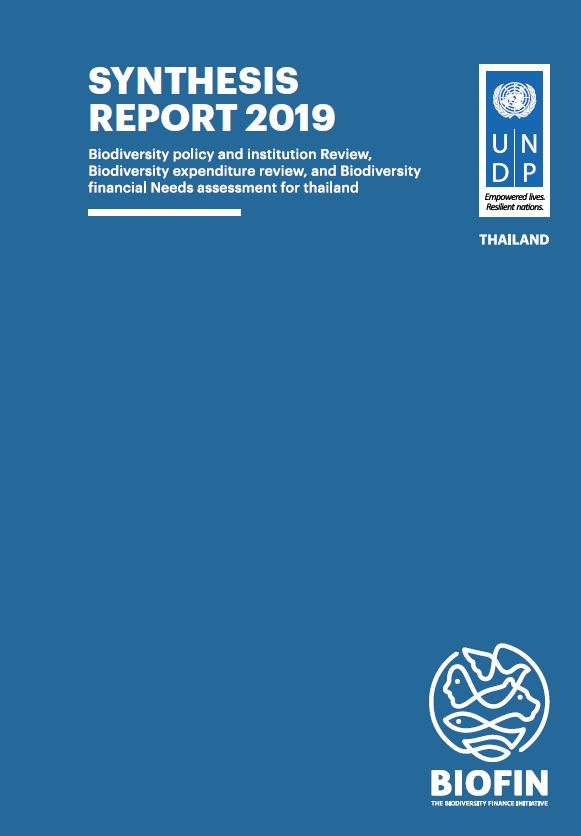
This Synthesis Report compiles the findings from three assessments conducted as part of the national Biodiversity Finance Initiative (BIOFIN) process in Thailand. The three assessments discussed include the policy and institutional review (PIR), the budget and expenditure review (BER), and the financial needs assessment (FNA). The PIR analyzes the policy and institutional context, identifies the biodiversity targets to be achieved, and lays out the context for the intended change in financing. The BER analyzes public and private expenditures for biodiversity and establishes past and projected expenditures on biodiversity. The FNA provides an estimation of the financing required to achieve identified biodiversity targets. The FNA also assesses the financing gap between the status quo of projected expenses and the estimated budget to meet biodiversity goals. Findings from these three assessments feed into the formulation of the countrys Biodiversity Finance Plan (BFP) and are used to develop prioritized finance solutions that are then taken into the implementation phase of the BIOFIN process

As the first phase of the national BIOFIN process in Thailand was completed in 2018, several lessons can be drawn. First, the large financing gap required to achieve national biodiversity targets requires increased contributions from all stakeholders including the private sector and citizens. Second, efforts to conserve and enhance biodiversity resources require the participation of all stakeholders, especially local governments and communities. The ideas embodied in the BIOFIN process could be utilized at the local level in order to have informed decision-making regarding budgeting for biodiversity. Third, data on biodiversity should be collected and a holistic database for biodiversity created. Data could be gathered by different agencies, with one central agency responsible for gathering all data into a single database. Finally, increasing the awareness of the importance of biodiversity in the younger generation is crucial to sustaining biodiversity resources into the future. Thus, activities towards this end should be encouraged.

Publications

This Synthesis Report compiles the findings from three assessments conducted as part of the national Biodiversity Finance Initiative (BIOFIN) process in Thailand. The three assessments discussed include the policy and institutional review (PIR), the budget and expenditure review (BER), and the financial needs assessment (FNA). The PIR analyzes the policy and institutional context, identifies the biodiversity targets to be achieved, and lays out the context for the intended change in financing. The BER analyzes public and private expenditures for biodiversity and establishes past and projected expenditures on biodiversity. The FNA provides an estimation of the financing required to achieve identified biodiversity targets. The FNA also assesses the financing gap between the status quo of projected expenses and the estimated budget to meet biodiversity goals. Findings from these three assessments feed into the formulation of the countrys Biodiversity Finance Plan (BFP) and are used to develop prioritized finance solutions that are then taken into the implementation phase of the BIOFIN process

As the first phase of the national BIOFIN process in Thailand was completed in 2018, several lessons can be drawn. First, the large financing gap required to achieve national biodiversity targets requires increased contributions from all stakeholders including the private sector and citizens. Second, efforts to conserve and enhance biodiversity resources require the participation of all stakeholders, especially local governments and communities. The ideas embodied in the BIOFIN process could be utilized at the local level in order to have informed decision-making regarding budgeting for biodiversity. Third, data on biodiversity should be collected and a holistic database for biodiversity created. Data could be gathered by different agencies, with one central agency responsible for gathering all data into a single database. Finally, increasing the awareness of the importance of biodiversity in the younger generation is crucial to sustaining biodiversity resources into the future. Thus, activities towards this end should be encouraged.

Publications

This Synthesis Report compiles the findings from three assessments conducted as part of the national Biodiversity Finance Initiative (BIOFIN) process in Thailand. The three assessments discussed include the policy and institutional review (PIR), the budget and expenditure review (BER), and the financial needs assessment (FNA). The PIR analyzes the policy and institutional context, identifies the biodiversity targets to be achieved, and lays out the context for the intended change in financing. The BER analyzes public and private expenditures for biodiversity and establishes past and projected expenditures on biodiversity. The FNA provides an estimation of the financing required to achieve identified biodiversity targets. The FNA also assesses the financing gap between the status quo of projected expenses and the estimated budget to meet biodiversity goals. Findings from these three assessments feed into the formulation of the countrys Biodiversity Finance Plan (BFP) and are used to develop prioritized finance solutions that are then taken into the implementation phase of the BIOFIN process

As the first phase of the national BIOFIN process in Thailand was completed in 2018, several lessons can be drawn. First, the large financing gap required to achieve national biodiversity targets requires increased contributions from all stakeholders including the private sector and citizens. Second, efforts to conserve and enhance biodiversity resources require the participation of all stakeholders, especially local governments and communities. The ideas embodied in the BIOFIN process could be utilized at the local level in order to have informed decision-making regarding budgeting for biodiversity. Third, data on biodiversity should be collected and a holistic database for biodiversity created. Data could be gathered by different agencies, with one central agency responsible for gathering all data into a single database. Finally, increasing the awareness of the importance of biodiversity in the younger generation is crucial to sustaining biodiversity resources into the future. Thus, activities towards this end should be encouraged.