
BIODIVERSITY FINANCE
Increasing Biodiversity Finance: Moving the needle in Latin America
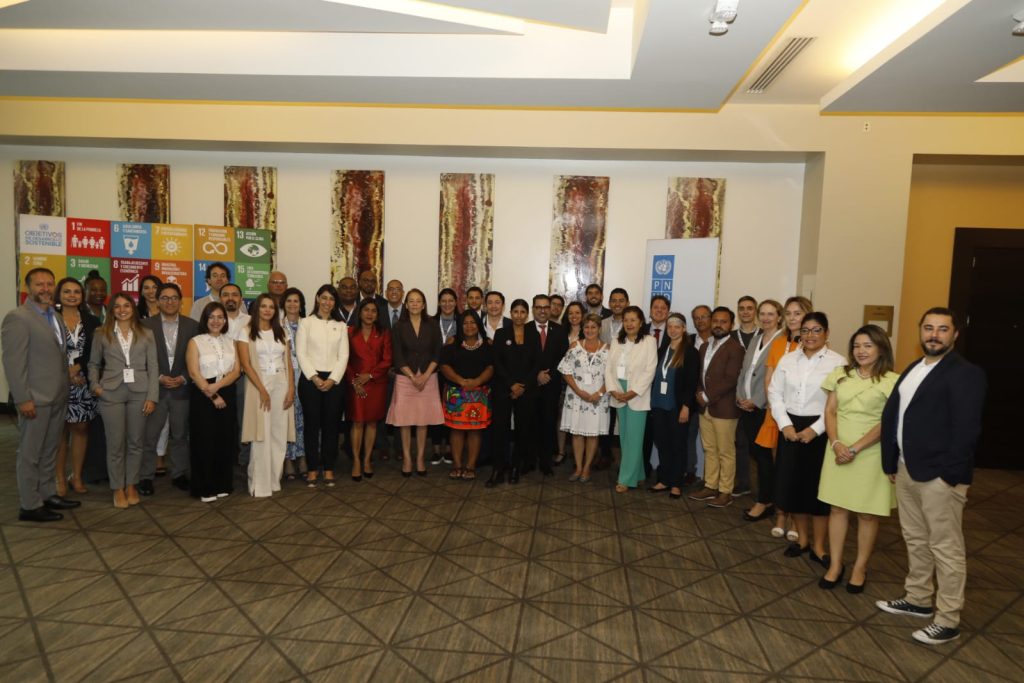
Last September, a significant event unfolded in Panama, where representatives from 10 countries convened for the 9th Latin American and…






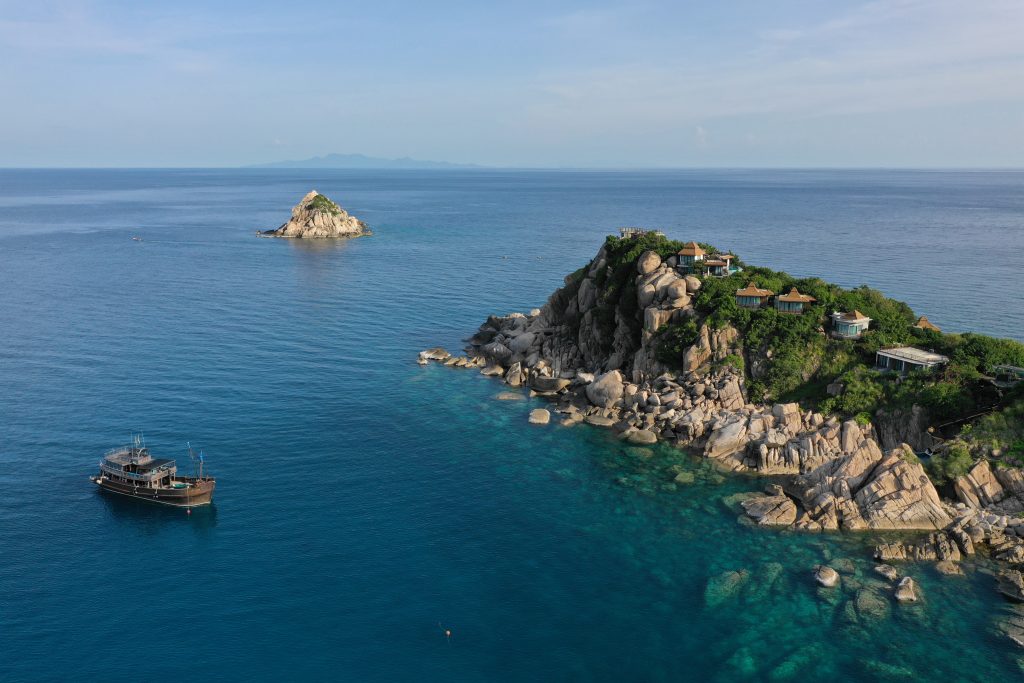
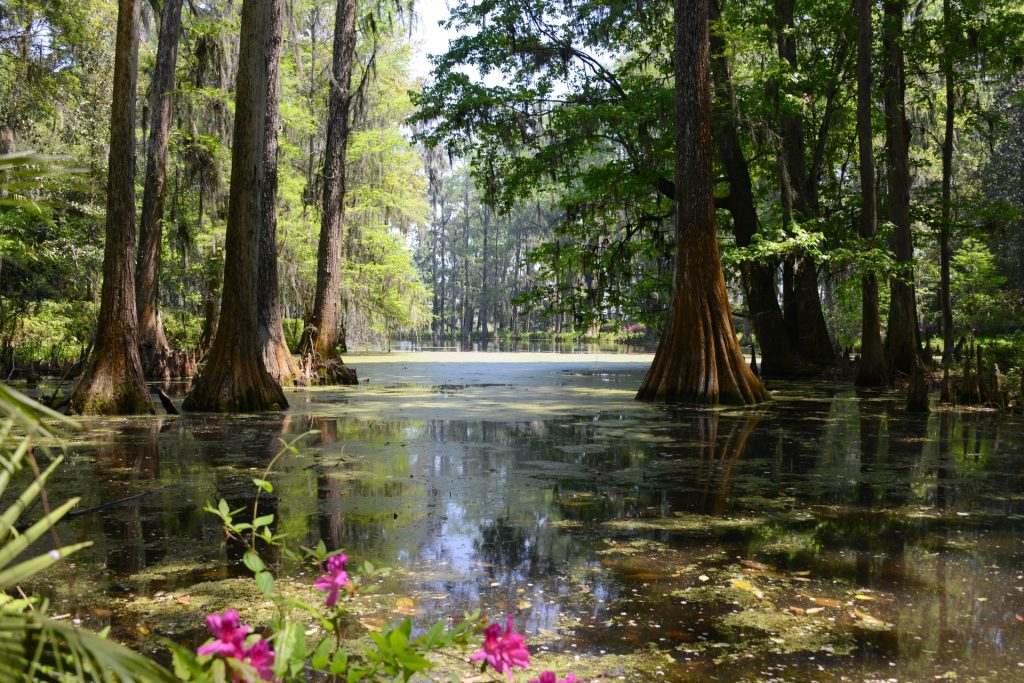
Belize's economy and the well-being of its people are deeply connected to nature. Its forests, coastal and marine ecosystems, wetlands and globally important Belize Barrier Reef support tourism, fisheries, agriculture, water security and local livelihoods. With around 60% of the country retaining natural forest cover and an extensive network of terrestrial and marine protected areas, conserving this natural capital is critical to Belize's sustainable development.
Yet managing protected areas, restoring ecosystems and achieving national biodiversity targets require sustained investment. Limited public resources and competing development priorities make it essential to diversify funding sources, improve the effectiveness of biodiversity expenditure and mobilize greater private and international finance for nature.
UNDP BIOFIN works with the Government of Belize and national partners to address these financing challenges by strengthening the country's biodiversity finance framework and translating biodiversity priorities into practical finance solutions. The programme has supported protected-area finance and revenue reforms, biodiversity investment planning and tracking, environmental funds and innovative approaches to mobilizing private finance. It has also helped institutionalize biodiversity finance through the establishment of the National Biodiversity Office, strengthening Belize's capacity to coordinate investment and mobilize resources for nature over the long term.
1. Environmental Funds
This approach suggests that Belize's existing national environmental funds (EF) be optimized. The solution attempts to examine the regional and national landscape for EFs in Belize, as well as offer an optimization technique for EFs to use. National EFs are expected to use the optimization method and best practices to improve fund operation and management, investment management, and resource mobilization.
2. Green Debt
The Green Debt solution provides a tax incentive for financial institutions (banks, credit unions, and other financial organizations) to support "green" initiatives. Providing this tax subsidy would encourage local financial institutions to fund "green" initiatives, allowing the private sector to participate in the implementation and attainment of the NBSAP.
3. Crowdfunding
The use of donation crowdfunding platforms to fund initiatives and the conservation and management of Protected Areas (PAs) in Belize is proposed in this proposal. Using crowdfunding to diversify PA financing and infuse extra revenue into the NPAS would be beneficial. Revenues that can help with financial sustainability and can be used to fund long-term development projects in these PAs.
4. Compensation for Planned Environmental Damage
The Compensation for Planned Environmental Damage approach recommends incorporating a restoration sub-programmed/component into Belize's Environmental and Social Impact Assessment (ESIA) program. Private or public land developers who alter essential ecosystems (such as resource exploitation, pollution, and/or land-use change) would be required to restore other degraded ecosystems under the program (through payment for restoration works, carrying out the restoration or setting up a performance bond).
5. Debt for Nature Swap
The Debt-for-Nature Swap (DNS) approach offers the implementation of a debt-swap arrangement including repayment (partial or total) of Belize's foreign debt in return for future contributions (by GOB) to carry out conservation and preservation activities in Belize's prioritized ecosystems. A Debt-for-Nature Swap arrangement can allow Belize to lessen its debt payment load, freeing up budgetary space for public sector biodiversity investment and other investments/expenditures.
6. Carbon Market
Through the construction of a Clean Development Mechanism, the Carbon Market solution investigates the possibility of Belize participating in voluntary regional and worldwide Greenhouse Gas (GHG) emissions trading (CDM).
7. Establishment of a Biodiversity Office/ Department
The creation of a Biodiversity Office (BiO) inside the Ministry of Sustainable Development, Climate Change, and Disaster Risk Management to promote biodiversity management and NBSAP implementation was recommended as part of this proposal. The NBSAP's execution necessitates coordination between government ministries and agencies, as well as NGOs and the corporate sector. The Biodiversity Office will provide the necessary administration and coordination for Belize's NBSAP to be implemented efficiently.
8. Grants
This method offers getting grant financing for environmental work within protected regions. A evaluation of current PAs in Belize is designed as part of this solution, with the goal of creating best practice recommendations for business model creation and piloting this method inside PAs. The goal of this funding option is to gain funds for PAs that may be used to buy land for "corridors" or other conservation and preservation projects.
9. Results-based budgeting
The establishment of a Results Based Budgeting (RBB) framework for use by government agencies and PA managers is proposed in this solution. The framework would make it easier to plan and manage conservation funds using a results-based approach.
10. Biodiversity Investment and Impact Tracking Tool
This solution suggests improving the current Biodiversity Impact Investment Tracking Tool, which would be used to categorize/classify biodiversity expenditures using a methodology based on the BER classifications. The tool is expected to be implemented at the Biodiversity Office and throughout Belize's NPAS. The tracking tool would help the Biodiversity Office maximize its effectiveness in matching actions with national biodiversity goals.
11. Blended Finance Model
By using charitable donations or grants, private equity, and/or concessionary loan financing inside the PA system, this strategy aims to expand on PA business models. Both investors and the national PA system should benefit from an effective Blended Finance (BF) framework.
Institutionalizing Biodiversity Finance
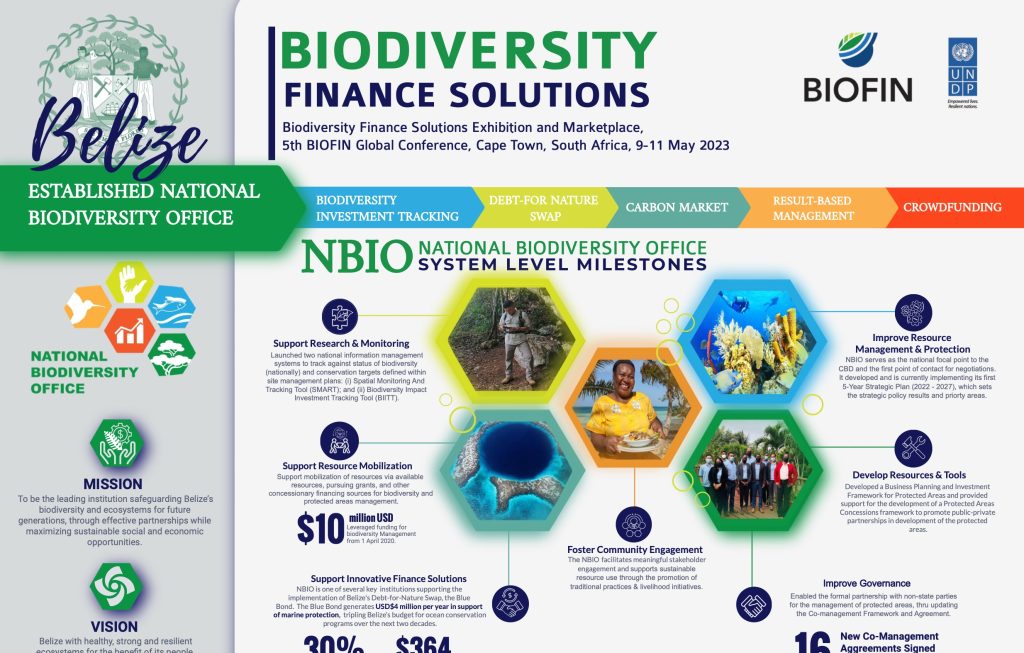
UNDP BIOFIN supported the establishment of Belize’s National Biodiversity Office (NBIO) within the government, creating an institutional home for coordinating biodiversity management and finance. The Office strengthens implementation of national biodiversity priorities, supports resource mobilization and helps mainstream biodiversity finance across government and other sectors.
Mobilizing Finance for Biodiversity Conservation
More than US$500,000 has been earmarked for targeted biodiversity conservation investments in support of the Protected Areas Conservation Trust (PACT) Conservation Areas Fund. The investment contributes to strengthening sustainable financing for conservation and Belize’s protected-area system.
Modernizing Protected Area Finance
UNDP BIOFIN supported the modernization of Belize’s protected-area fee system, helping strengthen revenue generation and institutionalize biodiversity financing. The reform is part of broader efforts to diversify and improve the sustainability of financing for the country’s protected areas.
Strengthening the Financial Sustainability of Protected Areas
UNDP BIOFIN supported the development of a Business Planning and Investment Framework for Protected Areas and delivered three pilot business plans, accompanied by business-planning training for protected-area managers. The initiative is helping protected areas strengthen financial planning, identify investment opportunities and improve operational efficiency, while providing an approach that can be replicated across the protected-area system.
Developing Green Debt Solutions
UNDP BIOFIN has supported the development of a green debt framework designed to encourage financial institutions to finance environmentally sustainable investments. A draft framework has been submitted to key stakeholders, providing a foundation for using financial incentives to increase private-sector participation in biodiversity finance.
Tracking Biodiversity Investment and Impact
UNDP BIOFIN supported the development of a Biodiversity Investment and Impact Tracking Tool to improve the monitoring of biodiversity expenditure and its contribution to national biodiversity priorities. The tool is designed to help government and protected-area institutions better understand where biodiversity finance is going and strengthen the alignment of investments with conservation objectives.