NEWS
Armenia launches BIOFIN to advance biodiversity financing
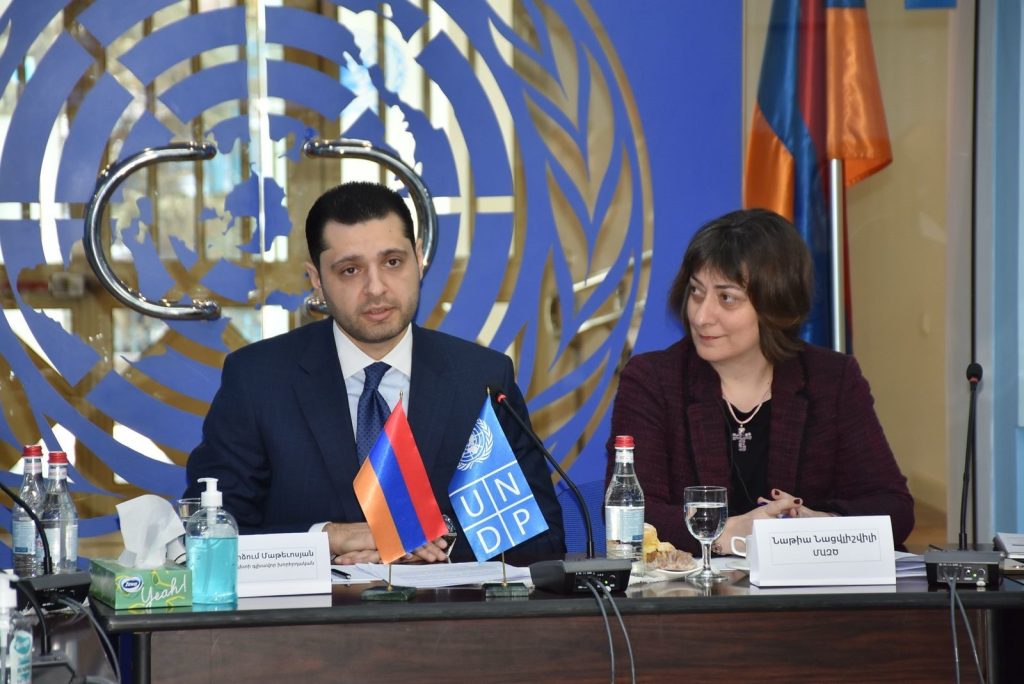
Yerevan, 28 March 2025 – Armenia officially launched the Biodiversity Finance Initiative (BIOFIN) project today at an event held at…

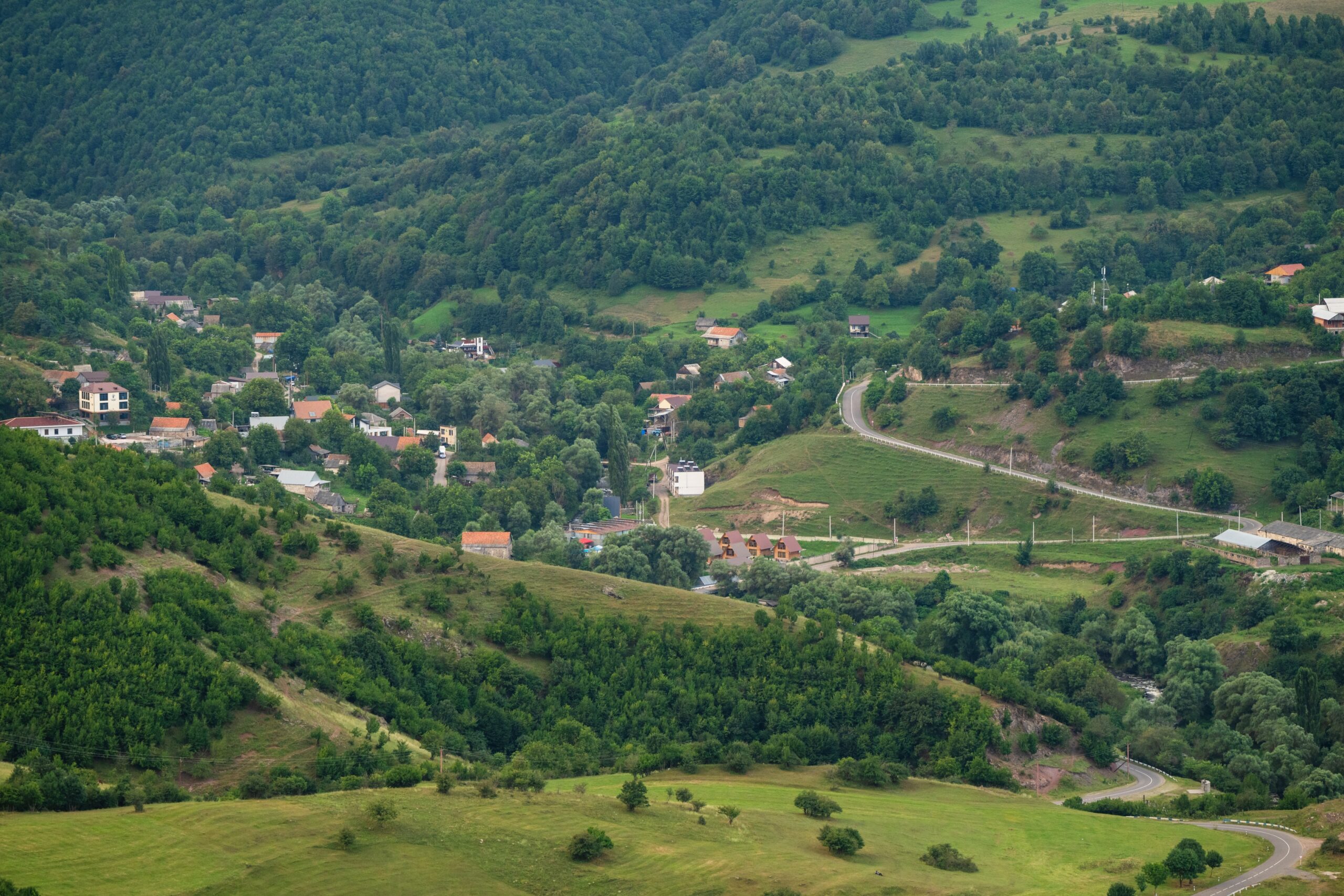







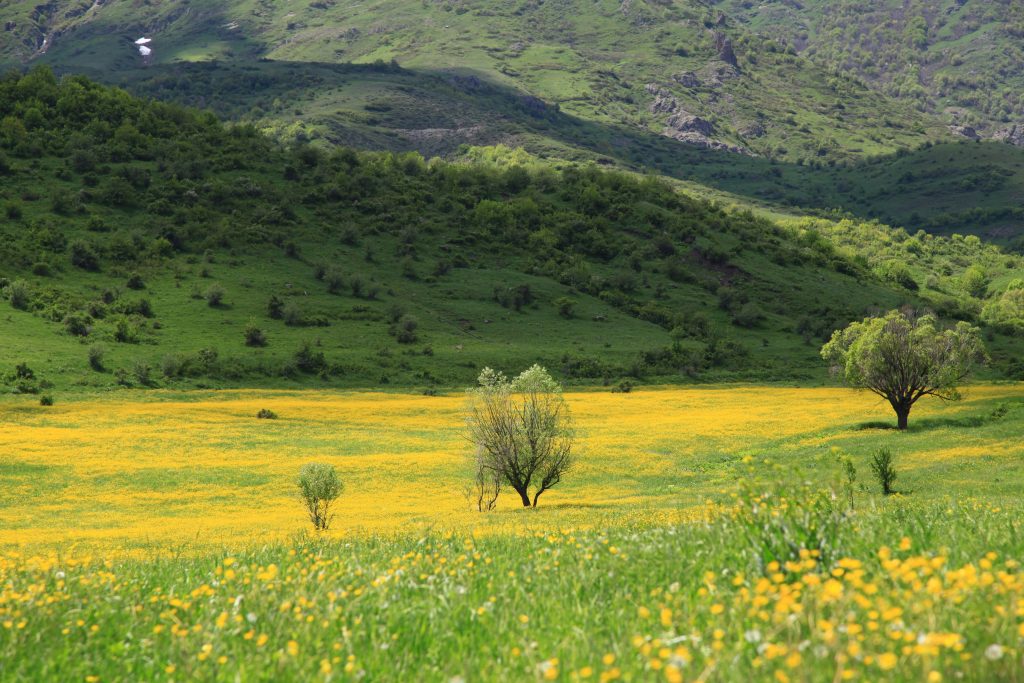
Armenia is a mountainous country in the South Caucasus with exceptionally diverse landscapes ranging from semi-deserts and steppes to forests, wetlands and alpine and sub-alpine meadows. Despite its relatively small territory, this diversity of ecosystems supports rich flora and fauna, including numerous endemic, relict and rare species. Armenia’s natural capital provides essential ecosystem services and supports agriculture, forestry, water resources, tourism and local livelihoods.
Yet Armenia’s biodiversity faces growing pressures from land and pasture degradation, unsustainable agricultural practices, forest degradation, resource extraction, water pollution and climate change. Around 80% of pastures and an estimated 70% of forests are degraded to varying degrees, with land and forest degradation alone estimated to cause approximately US$79 million in economic losses annually. Addressing these pressures requires not only stronger conservation measures, but also sustained and better-targeted investment in nature.
UNDP BIOFIN is supporting Armenia to build the financial evidence and mechanisms needed to address this challenge. Through the Policy and Institutional Review, Biodiversity Expenditure Review and Finance Needs Assessment, the programme is assessing how biodiversity is currently financed, identifying financing needs and gaps, and exploring opportunities to mobilize and better align public, private and international resources with national biodiversity priorities. Preliminary analysis points to an annual biodiversity financing gap of around US$115 million.
Building on this evidence, Armenia is developing its Biodiversity Finance Plan in alignment with the country’s updated National Biodiversity Strategy and Action Plan. The Plan will prioritize feasible finance solutions to mobilize biodiversity-positive investment, improve the effectiveness of existing expenditure and strengthen incentives for nature. Biodiversity Budget Tagging is already moving into implementation, helping lay the foundation for systematically identifying and tracking biodiversity-related public expenditure.
Identifying Priority Biodiversity Finance Solutions
UNDP BIOFIN Armenia has screened 33 potential biodiversity finance solutions spanning public finance, market-based and fiscal instruments, international and climate-linked finance, private-sector investment, institutional mechanisms and innovative financing approaches.
The solutions were assessed against environmental and socio-economic benefits, financial sustainability, feasibility and scalability, regulatory and institutional readiness, and their potential contribution to Armenia's national biodiversity targets. Through further analysis and stakeholder consultations, the most feasible and impactful solutions will be prioritized for inclusion in Armenia's Biodiversity Finance Plan.
Finance Solution 1: Biodiversity Budget Tagging
Biodiversity Budget Tagging (BBT) is the first biodiversity finance solution moving into implementation in Armenia. The mechanism aims to systematically identify, track and analyse biodiversity-related expenditure across government budgets, improving the transparency and effectiveness of public finance for nature.
UNDP BIOFIN is supporting the development of a methodology adapted to Armenia's public financial management system, capacity building for government institutions and the application of biodiversity tags to relevant budget programmes and expenditure. The Ministry of Finance and Ministry of Environment are key institutional partners in developing and integrating the mechanism into government budgeting processes.
Once operational, Biodiversity Budget Tagging will enable Armenia to regularly quantify public expenditure on biodiversity, identify financing gaps and opportunities, and assess how government resources contribute to national biodiversity priorities. It will also help mainstream biodiversity considerations across sectors rather than limiting biodiversity finance to environmental institutions alone. Implementation began in June 2026 with dedicated support from Norway.
Potential Finance Solution: Results-Based Budgeting for Biodiversity
Armenia is also exploring opportunities to link Biodiversity Budget Tagging with Results-Based Budgeting (RBB). Combining the two mechanisms could strengthen the connection between biodiversity expenditure and measurable conservation outcomes, helping government institutions assess not only how much is spent on biodiversity but also what those investments achieve.
Building Armenia’s Biodiversity Finance Evidence Base
UNDP BIOFIN has supported Armenia in developing the core analytical foundations for biodiversity finance, including the Policy and Institutional Review (PIR), Biodiversity Expenditure Review (BER), Finance Needs Assessment (FNA), subsidy review and an initial screening of potential finance solutions. Together, these assessments provide the evidence needed to understand current financial flows, estimate financing needs and identify opportunities to mobilize and better align resources with Armenia’s biodiversity priorities.
Identifying an Estimated US$115 Million Annual Financing Gap
BIOFIN’s analysis points to an estimated annual biodiversity financing gap of around US$115 million, highlighting the scale of additional resources and improvements in expenditure effectiveness needed to achieve Armenia’s biodiversity priorities. The Finance Needs Assessment is providing an evidence base for linking financing requirements with realistic implementation capacities and potential finance solutions.
Strengthening Biodiversity Expenditure Tracking
The Biodiversity Expenditure Review established a financial baseline for 2021–2025, examining biodiversity-related flows across public budgets, donor programmes, private-sector compliance and emerging green finance. The analysis identified gaps in how biodiversity expenditure is classified, tracked and linked to measurable results, creating a foundation for better aligning financial flows with national biodiversity targets.
Launching Biodiversity Budget Tagging
Armenia is moving from biodiversity finance analysis toward implementation through the introduction of Biodiversity Budget Tagging. The initiative received dedicated support from Norway and began implementation in June 2026. It aims to strengthen the systematic identification and tracking of biodiversity-related public expenditure and improve the integration of biodiversity considerations into government budgeting.
Screening Subsidies for Biodiversity Impacts
UNDP BIOFIN assessed 24 government subsidy programmes across agriculture, infrastructure development, extractive industries and the environment to identify their potential impacts on biodiversity. The analysis developed recommendations for making subsidy programmes more biodiversity-friendly, providing a basis for future finance solutions aimed at reforming and redirecting incentives toward more positive outcomes for nature.
Identifying and Prioritizing Biodiversity Finance Solutions
An initial screening identified 33 potential finance solutions using criteria including environmental and socio-economic benefits, financial sustainability, feasibility, scalability, regulatory requirements and alignment with national biodiversity targets. Through national consultations, this long list will be narrowed to the most feasible solutions for inclusion in Armenia’s Biodiversity Finance Plan.
Strengthening the Enabling Environment for Biodiversity Finance
The Policy and Institutional Review identified opportunities to strengthen Armenia’s enabling environment for biodiversity finance, including better cross-sectoral coordination, stronger protected-area financing and management, improved integration of biodiversity into planning and investment decisions, reform of biodiversity-harmful subsidies, and stronger financing mechanisms. These findings are helping translate policy commitments into finance-ready actions linked to Armenia’s national biodiversity targets.