NEWS
Togo advances work to strengthen biodiversity finance
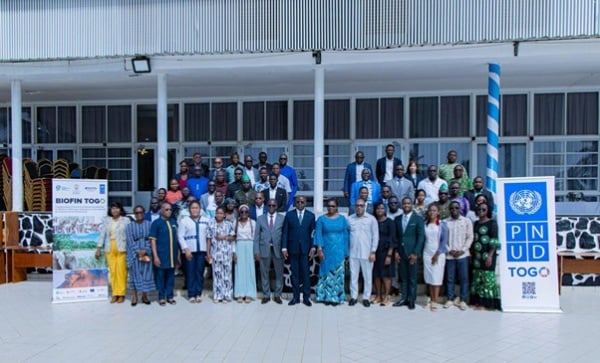
Togo has taken another step towards developing a more strategic and diversified approach to financing biodiversity, with the first meeting…

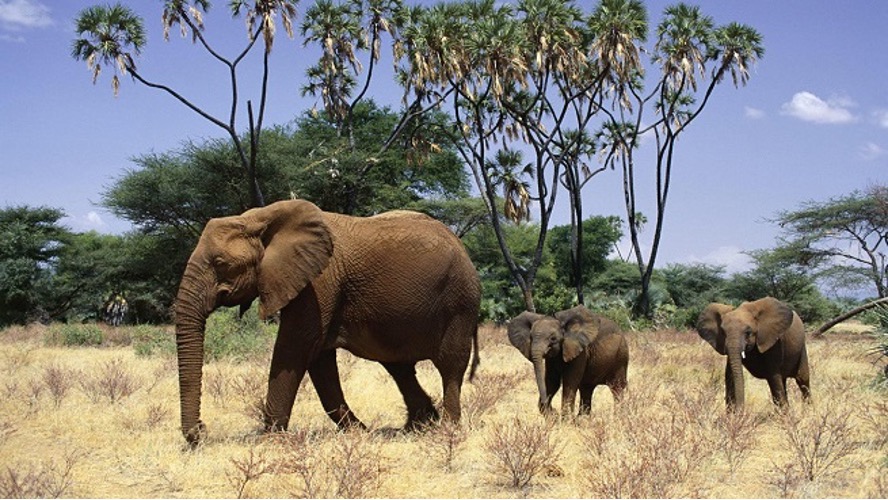





Togo possesses remarkable biodiversity, characterized by a variety of terrestrial, aquatic, and coastal ecosystems that directly support economic development, food security, and people’s livelihoods. As the country’s true natural capital, biodiversity is a pillar of strategic sectors such as agriculture, forestry, fisheries, and tourism.
The primary sector, which is heavily dependent on ecosystem services, accounts for 18 to 20 percent of the Gross Domestic Product (GDP) and employs 60 to 70 percent of the labor force, illustrating the critical role of biodiversity in the national economy.
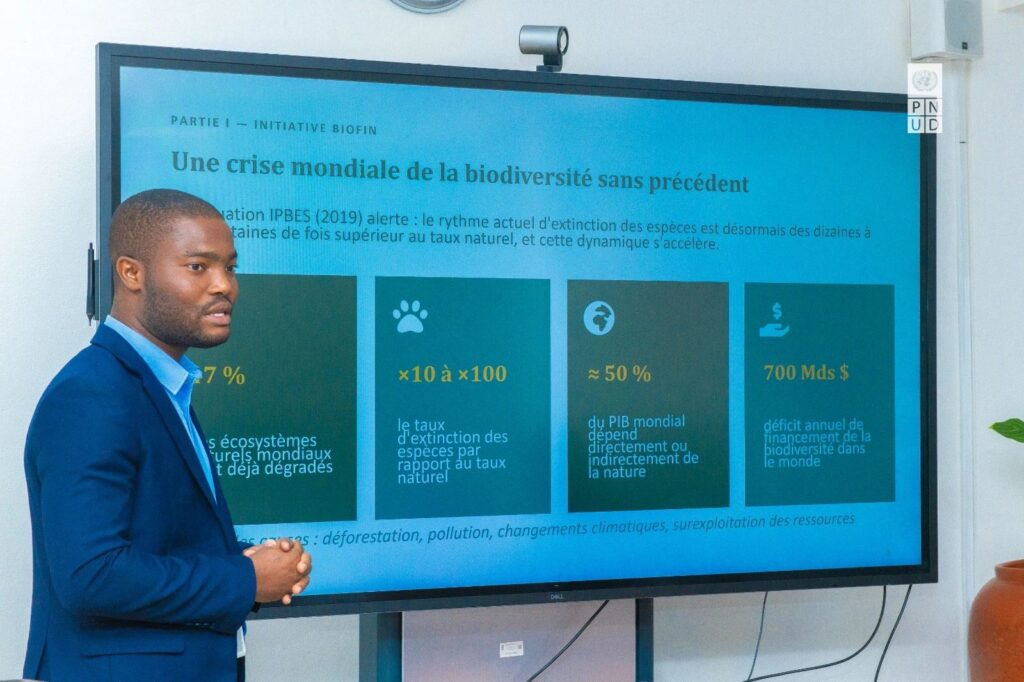
However, this natural heritage is under increasing pressure from agricultural expansion, unsustainable use of natural resources, urbanization, extractive activities, and the adverse effects of climate change. These pressures are gradually undermining ecosystem services that are essential to economic growth, climate resilience, and people’s well-being.
To reverse this trend, the Government of Togo has adopted the National Biodiversity Strategy and Action Plan (SPANB 2021–2030), which is aligned with the Kunming–Montreal Global Biodiversity Framework. Its implementation requires an estimated investment of 116.3 billion CFA francs, of which nearly 94.8 billion CFA francs have yet to be mobilized, highlighting the importance of developing innovative and sustainable financing mechanisms.
It was against this backdrop that Togo joined the Biodiversity Financing Initiative (BIOFIN) in 2024, with support from the United Nations Development Program (UNDP). BIOFIN is assisting the country in developing its first Biodiversity Financing Plan (BFP), which aims to identify financial needs, analyze current expenditures, and develop solutions to mobilize more national and international resources for biodiversity.
To date, the BIOFIN process has enabled the completion of the Policy and Institutional Analysis (PIA) and the identification of 16 potential financing solutions, of which four have been selected as priorities: the launch of the Togo Green Fund (TGF), the implementation of ecotourism fees and access fees for protected areas, the development of a national digital platform for mobilizing biodiversity-related revenues, and the consolidation and expansion of the green budget to include local governments. These solutions will help diversify funding sources, strengthen domestic resource mobilization, and ensure more sustainable financing for biodiversity in Togo.
Following the Policy and Institutional Analysis (PIA) of biodiversity financing in Togo, sixteen (16) financing solutions were identified to strengthen resource mobilization for biodiversity. After a prioritization exercise conducted with national stakeholders, four solutions were selected as priorities for early implementation. All these solutions are currently in the design phase and will be further developed as part of the preparation of the Biodiversity Financing Plan (BFP).
1. Launch of the Togo Green Fund (TGF) (Priority Solution)
Description: To support the effective implementation of the Togo Green Fund as a national mechanism for mobilizing, managing, and allocating resources to finance actions in support of biodiversity, climate action, and the sustainable management of natural resources. The fund will help improve the coordination of financing and attract additional domestic and international resources.
Lead organizations/partners: MERFPCC, Ministry of Finance and Budget (MFB), UNDP/BIOFIN.
2. National Digital Platform for Mobilizing Domestic Revenue Dedicated to Biodiversity (Priority Solution)
Description: Develop an integrated digital platform to centralize, secure, track, and optimize the collection of various biodiversity-related revenues (royalties, taxes, compensation payments, voluntary contributions, fines, etc.). This solution will help improve transparency, traceability, and efficiency in resource mobilization.
Lead organizations/partners: MERFPCC, MFB, OTR, Ministry of the Digital Economy, UNDP/BIOFIN.
3. Ecotourism Fees and Access Fees for Protected Areas (Priority Solution) Description : Strengthen or introduce entrance fees for visitors to national parks, reserves, and other ecotourism sites. A portion of the revenue will be allocated to the sustainable financing of protected area management and the development of surrounding communities.
Lead agencies/partners: MERFPCC, National Office of Protected Areas (ONAP), Ministry of Tourism, local governments, UNDP/BIOFIN.
4. Green Budgeting (Priority Solution)
Description : Gradually expand the green budgeting approach already underway in Togo to all ministries and local governments in order to better identify, monitor, and increase public spending that supports biodiversity.
Lead organizations/partners: MFB, MERFPCC, local governments, UNDP/BIOFIN.
5. Payment for Ecosystem Services (PES)
Description: Develop a mechanism that allows beneficiaries of ecosystem services—such as water supply, carbon sequestration, or soil protection—to compensate communities and other stakeholders who ensure their preservation. This mechanism could be applied in watersheds, community forests, and conservation areas.
Lead organizations/partners: MERFPCC, MFB, local governments, UNDP/BIOFIN.
6. Green Taxation / Eco-Taxes
Description: Develop and implement environmental taxation measures, including eco-taxes on activities that have a negative impact on biodiversity (pollution, exploitation of natural resources, plastics, etc.). This reform will be based on the findings of the national study on environmental taxation strategy and its guide to best practices.
Lead organizations/partners: MFB, Togolese Revenue Office (OTR), MERFPCC, UNDP/BIOFIN.
7. Biodiversity Offset
Description: Establish a mechanism requiring project developers whose projects have residual impacts on ecosystems to fund compensatory measures that will help achieve the goal of no net loss of biodiversity.
Lead organizations/partners: MERFPCC, ANGE, MFB, UNDP/BIOFIN.
8. Carbon Market
Description: Develop projects that generate carbon credits through reforestation, landscape restoration, and the conservation of forests and mangroves in order to mobilize international climate-results-based financing.
Lead organizations/partners: MERFPCC, National Climate Monitoring Unit, UNDP/BIOFIN.
9. Green Bonds
Description: To study the feasibility of issuing green bonds to raise capital from investors to finance ecosystem restoration, reforestation, and biodiversity conservation projects.
Lead organizations/partners: MFB, BCEAO, BOAD, the financial sector, UNDP/BIOFIN.
10. Conservation Trust Funds
Description: Create a sustainable financial mechanism whose investment income will provide long-term funding for protected areas, ecosystem restoration programs, and community-based conservation initiatives.
Lead organizations/partners: MERFPCC, MFB, technical and financial partners, UNDP/BIOFIN.
11. Environmental Grants
Description: Establish financial incentives to encourage practices that promote biodiversity, including agroecology, reforestation, sustainable land management, and ecosystem restoration.
Lead organizations/partners: MFB, MERFPCC, Ministry of Agriculture, UNDP/BIOFIN.
12. Debt-for-Nature Swap
Description: Explore the possibilities of converting a portion of public debt into investments dedicated to biodiversity conservation, in partnership with creditors and international financial institutions.
Lead organizations/partners: MFB, MERFPCC, international financial partners, UNDP/BIOFIN.
13. Islamic Finance
Description: To explore the potential of Islamic finance instruments, such as green sukuk, environmental waqf, and green zakat, to diversify funding sources for biodiversity and sustainable development projects.
Lead organizations/partners: MFB, BCEAO, financial institutions, UNDP/BIOFIN.
14. Mobilizing the Diaspora
Description: Develop mechanisms that enable Togolese living abroad to contribute to the financing of biodiversity conservation projects through dedicated funds, diaspora bonds, or crowdfunding platforms.
Lead organizations/partners: Ministry of Foreign Affairs, MFB, MERFPCC, UNDP/BIOFIN.
15. Carbon Tax
Description: To study the phased implementation of a tax on greenhouse gas emissions in order to encourage low-carbon practices while generating additional resources to fund biodiversity and climate initiatives.
Lead organizations/partners: MFB, OTR, MERFPCC, UNDP/BIOFIN.
16. Mobilization of the Insurance Industry
Description: Develop green insurance products and innovative mechanisms for managing environmental risks in order to strengthen the resilience of ecosystems and nature-dependent economic activities. Lead organizations/partners: Ministry of Finance and Budget, insurance sector, MERFPCC, UNDP/BIOFIN.
Pending the development and implementation of the Biodiversity Financing Plan, the main results already achieved through the implementation of the BIOFIN initiative in Togo are:
No posts found.