STORY
A New Generation of Women Conservationists in São Tomé and Príncipe
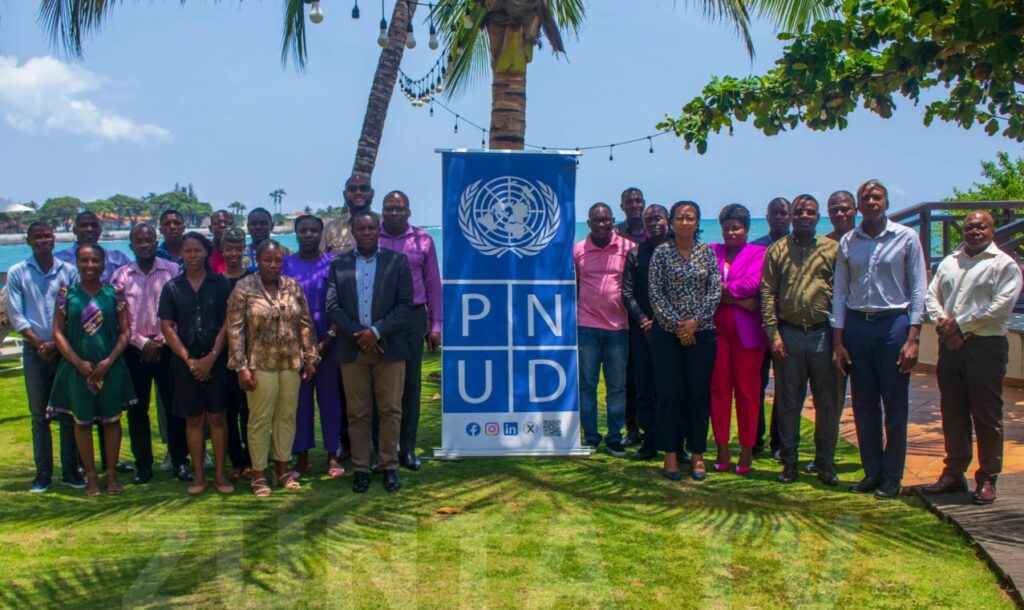
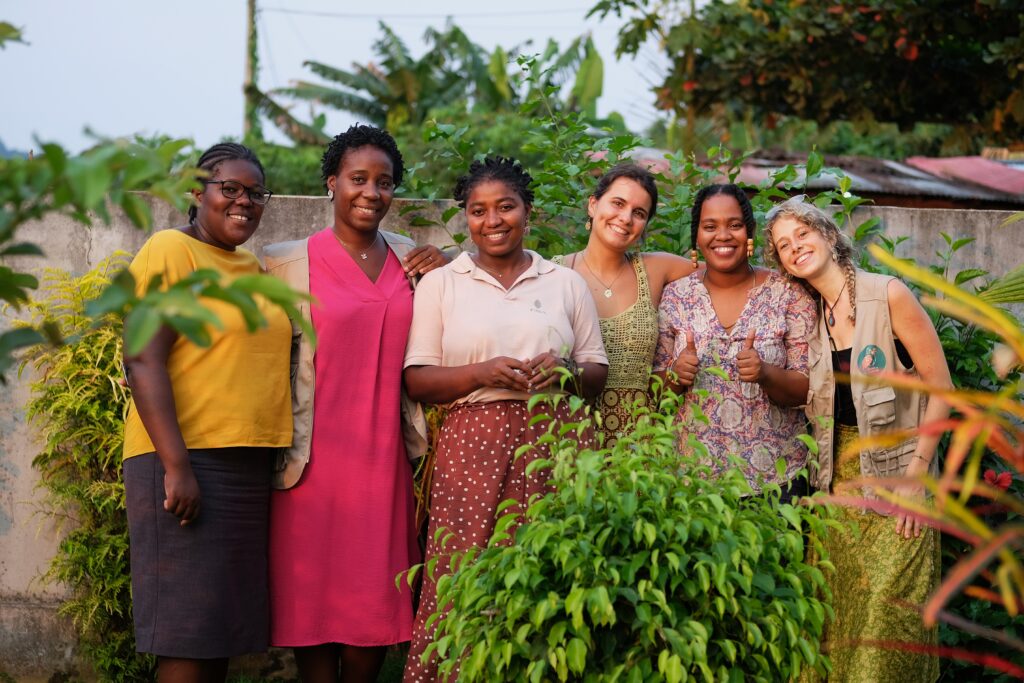
Twenty young women are gaining the skills, networks and financial knowledge needed to protect the island nation’s unique biodiversity and…


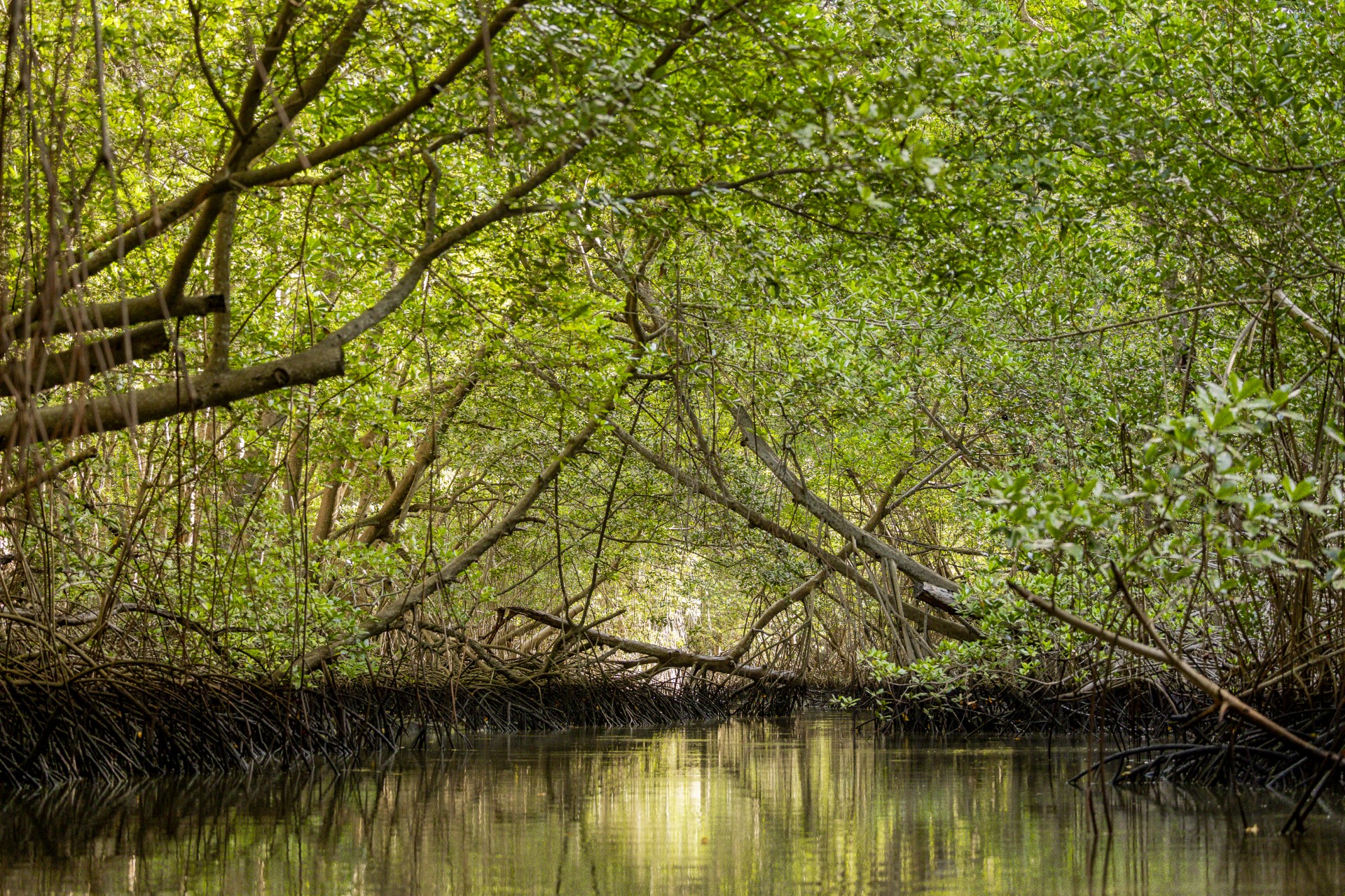
São Tomé and Príncipe is home to globally significant biodiversity, with high levels of endemism and distinctive terrestrial and marine ecosystems. These ecosystems support agriculture, fisheries, tourism and forestry while providing essential services such as water regulation, coastal protection, food security and climate resilience. However, they face increasing pressure from agricultural expansion, deforestation, charcoal production, overfishing, urbanization and climate change.
Biodiversity conservation remains underfunded. Limited fiscal space and high public debt constrain domestic investment, while biodiversity-related spending represents less than 1 percent of total public expenditure. Financing therefore continues to depend heavily on international cooperation and donor-funded projects.
Existing sources include national budget allocations, environmental taxes and fines, and support from international partners. The country is also developing more sustainable instruments, including the ECOTELA Conservation Trust Fund, the National Climate and Environmental Fund, an ecological import tax, a debt-for-nature agreement and pilot payments for ecosystem services. Many of these mechanisms remain at an early stage and require stronger governance and institutional capacity to become fully operational.
UNDP BIOFIN is supporting São Tomé and Príncipe in developing a more coordinated and sustainable approach to biodiversity finance. Through the Policy and Institutional Review, Biodiversity Expenditure Review, Financial Needs Assessment and Biodiversity Finance Plan, the initiative is helping the country understand current expenditure, estimate financing needs and identify practical finance solutions. The process aims to strengthen the integration of biodiversity into national planning and budgeting, improve institutional coordination, and mobilize a more diverse mix of public, private and international resources for nature.
1. Debt-for-nature agreement
São Tomé and Príncipe is developing a debt-for-nature mechanism with Portugal. Under the proposed arrangement, part of the country’s debt would be converted into investments in biodiversity conservation, climate resilience and sustainable development. A feasibility study was completed in 2024 and the agreement has been signed, but the mechanism is not yet operational.
Stage: Design and preparation for implementation
Lead institutions: Ministry of Finance and Directorate of Environment and Climate Action.
2. Ecological import tax
Introduced in 2025, the ecological import tax applies to imported products associated with negative environmental impacts. Revenue generated through the tax is intended to support environmental and biodiversity-related investment. The mechanism for allocating and managing this revenue is still being finalized.
Stage: Design and early operationalization
Lead institutions: Ministry of Finance, Customs Administration and Directorate of Environment and Climate Action.
Finance solutions under implementation
3. ECOTELA Conservation Trust Fund
Established in 2025, ECOTELA is an independent conservation trust fund designed to provide sustainable, long-term financing for biodiversity conservation and protected-area management. It aims to mobilize €1.5 million by 2027 and help reduce the country’s dependence on short-term, project-based donor funding.
Stage: Implementation
Lead partner: BirdLife International.
4. National Climate and Environmental Fund
The National Climate and Environmental Fund was established by decree-law in 2025 as a national mechanism for financing climate action, biodiversity conservation, ecosystem restoration and environmental management. It is intended to mobilize and coordinate domestic and international resources for national environmental priorities.
Stage: Implementation
Lead institution: Directorate of Environment and Climate Action.
5. FAYA Natural Dividend pilot
Launched by the FAYA Foundation in the Autonomous Region of Príncipe in 2025, the Natural Dividend pilot is testing a mechanism to reward local communities for protecting biodiversity and maintaining ecosystem services. The initiative seeks to link conservation with local livelihoods and the island’s sustainable economic development.
Stage: Pilot implementation
Lead organization: FAYA Foundation
More information: FAYA Natural Dividendncrease and improve the management of revenue for conservation and protected-area operations.
Stage: Preliminary assessment
Potential partners: Ministry responsible for the environment, protected-area authorities, tourism institutions and service providers.
UNDP BIOFIN is supporting São Tomé and Príncipe in developing a more diversified, sustainable and nationally owned biodiversity finance system. The expected results include:
1. More sustainable biodiversity financing
Reduce dependence on fragmented, short-term donor funding by developing a broader mix of domestic, private and international finance for biodiversity conservation, climate resilience and sustainable livelihoods.
2. Stronger governance and coordination
Improve coordination among government institutions, development partners, civil society organizations and the private sector involved in biodiversity finance planning and implementation.
3. Biodiversity integrated into public finance
Strengthen the integration of biodiversity into national planning and budgeting through biodiversity-responsive budgeting, the introduction of budget markers and improved tracking of biodiversity-related expenditure.
4. Increased domestic resource mobilization
Generate additional domestic finance through mechanisms such as the ecological import tax, biodiversity-related tourism and fisheries revenue, payments for ecosystem services and high-integrity carbon finance.
5. Improved access to international finance
Strengthen national capacity to develop proposals and access resources from international climate and biodiversity funds, including the Global Environment Facility, Green Climate Fund and Adaptation Fund, as well as other relevant financing mechanisms.