NEWS
Financing Nature in a Changing Global Context
Op-ed: Hear from one of UNDP Lesotho's Sustainable Finance Specialists

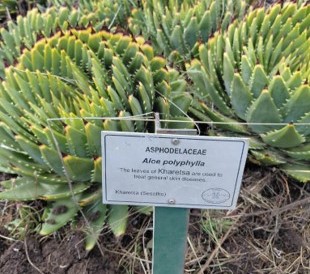
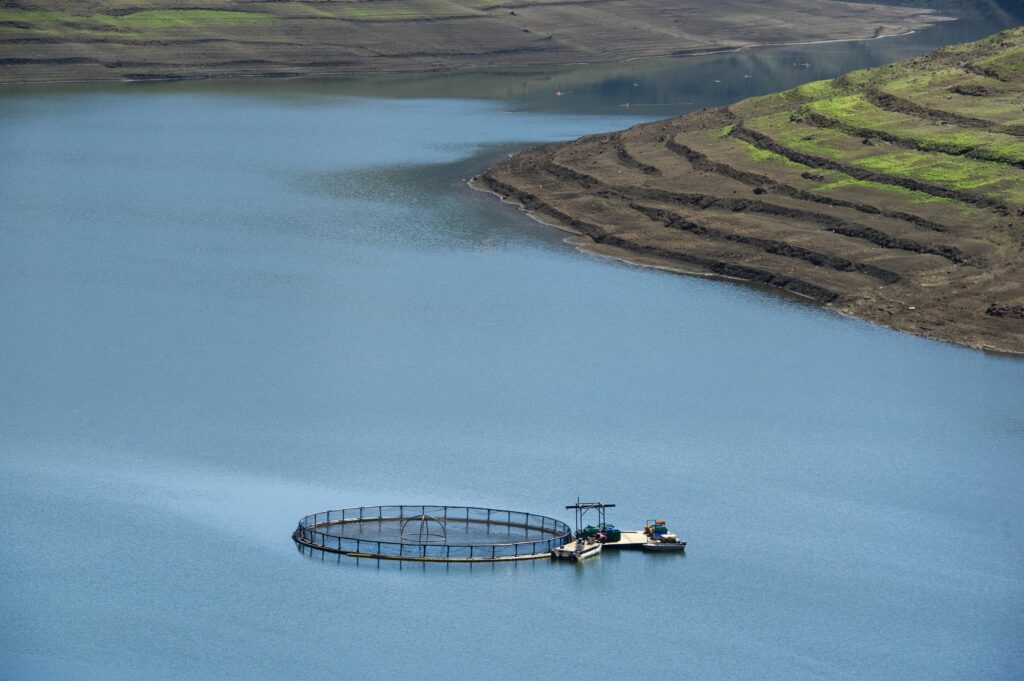
Lesotho's unique mountain ecosystems are among the country's most valuable natural assets, supporting water security, agriculture, livestock production, tourism, energy generation and climate resilience. The country's high-altitude grasslands, wetlands, rivers and catchments form part of the globally significant Maloti–Drakensberg biodiversity hotspot and provide ecosystem services that benefit both Lesotho and the wider Southern African region.
Despite their importance, biodiversity is under increasing pressure from land degradation, overgrazing, invasive alien species, unsustainable land-use practices and climate change. These challenges threaten ecosystem health, rural livelihoods and long-term economic development. Achieving the objectives of Lesotho's National Biodiversity Strategy and Action Plan III (NBSAP III) and the Kunming–Montreal Global Biodiversity Framework (KM-GBF) requires increased and better-coordinated investment in biodiversity conservation and sustainable natural resource management.
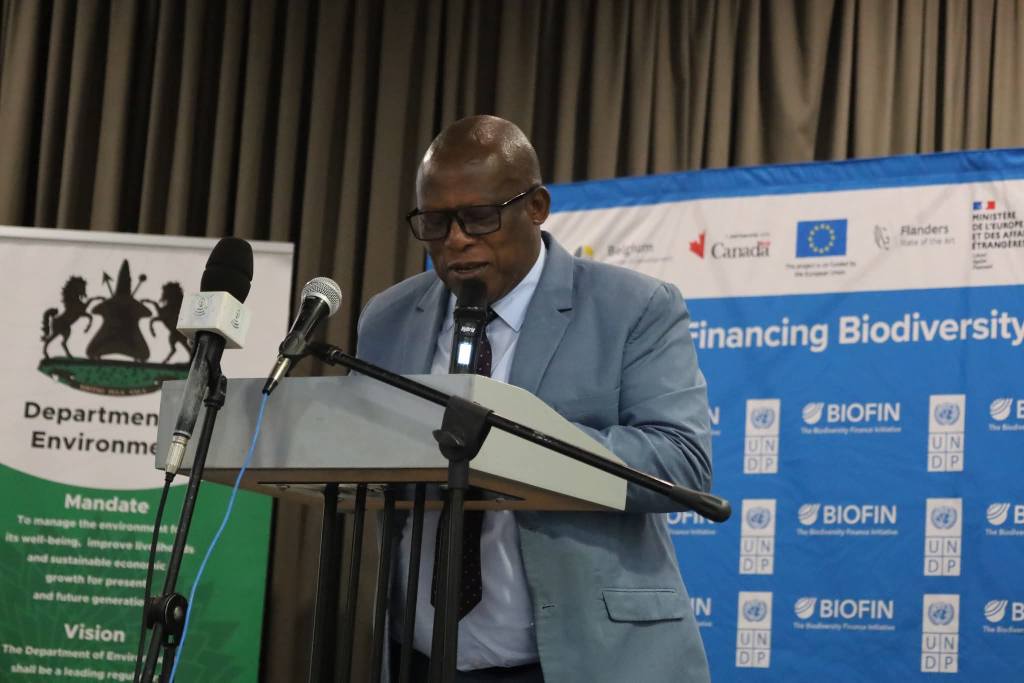
The Biodiversity Finance Initiative (BIOFIN) was launched in Lesotho in 2025 to support the Government of the Kingdom of Lesotho in strengthening biodiversity finance. Implemented by the Ministry of Environment and Forestry in partnership with the Ministry of Finance and Development Planning, with technical support from the United Nations Development Programme (UNDP), BIOFIN is helping the country identify, mobilise and manage financial resources needed to implement NBSAP III and achieve the targets of the Kunming–Montreal Global Biodiversity Framework.
Since the programme's inception, BIOFIN has successfully completed the Policy and Institutional Review (PIR), providing an assessment of Lesotho's biodiversity finance policy, institutional and governance landscape. The programme is currently undertaking the Biodiversity Expenditure Review (BER), which is analysing public and private expenditure on biodiversity across government institutions, civil society, development partners and private sector with the aim of identifying trends, financing gaps and opportunities to improve the effectiveness and efficiency of biodiversity investment.
The findings from these assessments will inform the subsequent Financial Needs Assessment (FNA) and the development of Lesotho's Biodiversity Finance Plan (BFP). Together, these analyses will provide a roadmap for mobilising additional resources, strengthening biodiversity finance governance and promoting innovative financing solutions that support conservation while contributing to sustainable economic development.
As the programme progresses, BIOFIN will continue to support national dialogue on biodiversity finance, strengthen institutional coordination among key stakeholders, and build the evidence base required to increase investment in nature and ensure the long-term sustainability of Lesotho's biodiversity.
1. National Biodiversity Finance Coordination Forum
Description: Support a government-led forum for coordination among ministries, development partners, financial institutions, civil society and the private sector. The forum would align existing initiatives with NBSAP III and the Biodiversity Finance Plan, identify gaps and investment opportunities, and provide a regular channel for joint planning and exchange.
Stage: Establishment and terms of reference under discussion.
Lead partners: Ministry of Environment and Forestry and Ministry of Finance and Development Planning, with technical support from UNDP BIOFIN.
2. Biodiversity in Sustainable Finance Frameworks
Description: Integrate biodiversity objectives, eligible activities and measurable outcomes into Lesotho’s Integrated National Financing Framework and Integrated National Financing Strategy, emerging sustainable bond frameworks, and any future green finance taxonomy. This could help identify credible investments in catchments, rangelands, protected areas and nature-based livelihoods, and improve the tracking of finance and results. A biodiversity use of proceeds would require an eligible project pipeline, safeguards and reporting arrangements.
Stage: Framework integration and investment pipeline development under consideration; no biodiversity bond issuance or national green taxonomy is implied.
Lead partners: Ministry of Finance and Development Planning, Ministry of Environment and Forestry, Central Bank of Lesotho, relevant financial institutions and UNDP.
3. Scaling the Environmental Fund
Description: Assess how the existing Environmental Fund can secure predictable revenues, improve governance and allocation, and finance priority conservation and restoration activities. Potential sources include appropriations, legally available environmental fees, partner contributions and other suitable receipts. Any dedicated biodiversity window or earmarking arrangement would depend on the Fund’s mandate, revenue rules and an agreed operating design.
Stage: Assessment and design of options for strengthening an existing mechanism.
Lead partners: Ministry of Environment and Forestry and Ministry of Finance and Development Planning, with relevant fund administrators and UNDP BIOFIN.
Role of BIOFIN BIOFIN’s Policy and Institutional Review, Biodiversity Expenditure Review and forthcoming Financial Needs Assessment will inform which of these mechanisms are feasible and should be prioritised in the Biodiversity Finance Plan. The plan will distinguish existing instruments from proposals and set out the institutional responsibilities, financing needs and next steps for implementation.Cameroon has identified a portfolio of biodiversity finance solutions through the Policy and Institutional Review and consultations with national stakeholders. The solutions below have been selected for immediate action or priority development. Their design, financial potential and implementation arrangements remain subject to further assessment and approval.
Expected Results
BIOFIN will use its policy review, expenditure analysis and financial needs assessment to develop a Biodiversity Finance Plan aligned with NBSAP III. The following are proposed directions; quantified finance and conservation results will be reported as the mechanisms advance.
Coordinated Decisions
A government-led National Biodiversity Finance Coordination Forum with agreed terms of reference, participation and a practical work programme.
Biodiversity in Sustainable Finance
Biodiversity priorities reflected, where feasible, in the national financing strategy and relevant sustainable bond and taxonomy work, supported by an eligible investment pipeline and measurable outcomes.
Stronger Domestic Financing
Options to scale the Environmental Fund, including reliable revenues, governance and transparent allocation to biodiversity priorities.
Evidence and Tracking Better measurement of biodiversity expenditure, financing needs, mobilisation and results. Confirmed amounts, adopted reforms and implemented mechanisms will be added as evidence becomes available.
No posts found.