
Montenegro
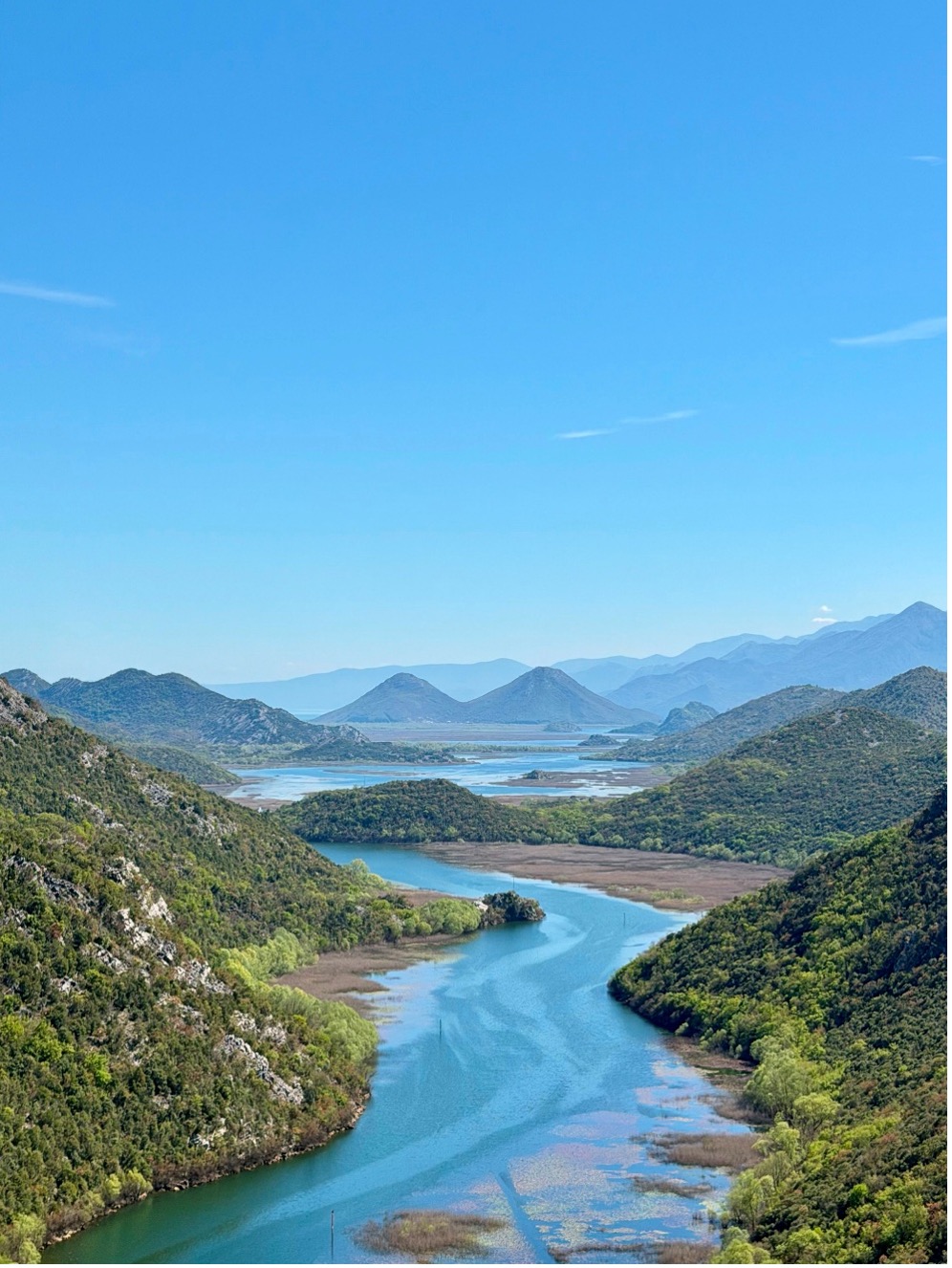





Montenegro is one of Europe’s most biodiverse countries relative to its size, with diverse mountain, forest, freshwater, coastal and marine ecosystems. Forests cover approximately 69% of the country, while internationally important landscapes such as Skadar Lake, the Durmitor and Prokletije mountain ranges and the Adriatic coast support high levels of species richness and endemism. These natural assets provide essential ecosystem services and underpin sectors including tourism, agriculture, forestry and fisheries.
Montenegro has expanded its network of protected areas and is strengthening biodiversity conservation as part of its national development and EU accession process. However, biodiversity finance remains fragmented and often project-based. Limited coordination, insufficient integration of biodiversity into planning and budgeting, and the absence of systematic expenditure tracking make it difficult to assess whether available resources are sufficient and effectively aligned with conservation priorities.
UNDP BIOFIN is supporting Montenegro to develop a more strategic and evidence-based approach to biodiversity finance. Through the Policy and Institutional Review, Biodiversity Expenditure Review and Financial Needs Assessment, the initiative is examining existing financial flows, financing needs and institutional arrangements and identifying opportunities to improve the effectiveness of biodiversity spending.
This work will inform Montenegro’s Biodiversity Finance Plan, which will identify and prioritize practical finance solutions to strengthen public financial management, diversify funding sources, and mobilize additional public and private investment for nature. The process will support the implementation of national biodiversity priorities while contributing to Montenegro’s international commitments and EU accession objectives.
No posts found.
Finance solutions
Payment for Ecosystem Services (PES) (considering)
Montenegro is considering the development of PES schemes to reward the conservation of ecosystems that provide essential services, particularly watershed protection, forest conservation, landscape stewardship and nature-based tourism. The legal basis already exists under the Law on Nature Protection, while ecosystem valuation studies and the draft NBSAP provide a foundation for developing national methodologies. Existing protected area fees, hydropower dependence on healthy watersheds, and tourism revenues offer practical entry points for future implementation.
Lead agencies: Ministry of Ecology, Sustainable Development and Northern Region Development; Environmental Protection Agency; Public Enterprise for National Parks; Eco Fund
Biodiversity-related Tourism Taxes and Fees (considering)
Montenegro is exploring opportunities to strengthen biodiversity financing through enhanced visitor entrance fees, tourism concessions, nature-use fees, eco-contributions, diving and mooring fees, and other charges linked to protected areas and coastal ecosystems. Existing systems for collecting tourism and concession revenues provide a strong basis for expanding biodiversity-related revenue streams, particularly with the future Natura 2000 network and increasing focus on sustainable tourism.
Lead agencies: Ministry of Tourism; Ministry of Ecology, Sustainable Development and Northern Region Development; Public Enterprise for National Parks; Public Enterprise for Coastal Zone Management; municipalities
Forest and Ecosystem Restoration Finance (Designing)
Montenegro is expanding investments in forest restoration, afforestation, wildfire prevention, agroforestry and ecosystem restoration through national programmes and international climate finance. Existing initiatives such as IPARD III, the GORA project and GEF programmes provide the basis for mobilizing additional climate, carbon and biodiversity finance aligned with the draft NBSAP, the EU Nature Restoration framework and Green Agenda commitments.
Lead agencies: Ministry of Agriculture, Forestry and Water Management; Forestry Administration
Key results
Although Montenegro's Biodiversity Finance Plan (BFP) is still in the early stages of development, the country, supported by the UNDP BIOFIN team and in partnership with the Ministry of Ecology, Sustainable Development and Northern Region Development, is already pioneering the development of the world's first National Nature Investment Plan (NIP). Conceived as a complementary instrument to the BFP and the National Biodiversity Strategy and Action Plan (NBSAP), the NIP translates biodiversity priorities into a structured pipeline of investable, nature-positive infrastructure, ecosystem restoration, and sustainable value-chain projects. It aims to strengthen the integration of biodiversity into public investment planning, align nature-positive investments with Montenegro's Reform Agenda and EU accession priorities, and create a replicable methodology for preparing investment portfolios that can attract financing from multilateral development banks, EU financial instruments, bilateral partners, municipalities, and the private sector. Beyond mobilizing additional resources for biodiversity, the NIP represents an innovative approach to mainstreaming nature into national development planning and could serve as a model for other countries implementing the BIOFIN methodology. The NIP is expected to be completed by February 2027.