
NEWS
North Macedonia explores new ways to finance biodiversity conservation
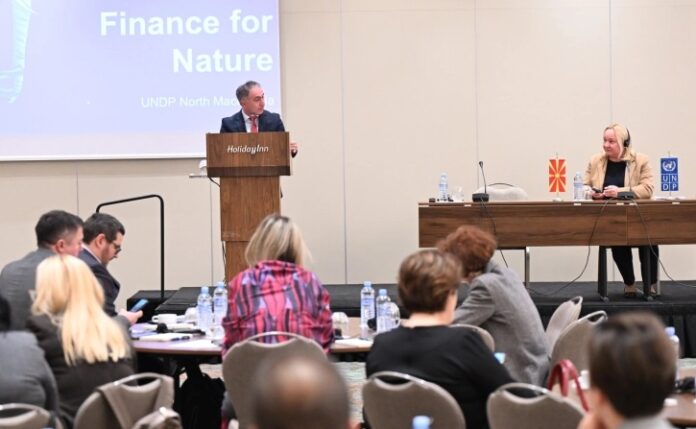
North Macedonia is developing a Biodiversity Finance Plan to identify how more funding can reach the country’s conservation priorities.


North Macedonia’s varied landscapes and ecosystems support rich biological diversity and a long tradition of nature protection. The country’s National Strategy for Nature Protection (2017–2027) provides an important policy foundation, while an updated National Biodiversity Strategy and Action Plan is being prepared in alignment with the Kunming–Montreal Global Biodiversity Framework.
Despite this progress, biodiversity remains undervalued in economic and fiscal decision-making. Financing for nature is fragmented and often dependent on short-term projects. It comes from the state budget, municipal allocations, international partners and revenues generated by national parks and other protected areas through entrance fees, tourism services, parking and the sustainable use of natural resources. However, available funding remains insufficient and uneven, while much of the revenue generated by protected areas is needed to cover operational costs. Limited tracking of environmental revenues and the weak integration of biodiversity into fiscal and sectoral policies create additional challenges.
Working with the Ministry of Environment and Physical Planning, the Ministry of Finance and other national partners, UNDP BIOFIN is helping North Macedonia develop a systematic, evidence-based approach to closing its biodiversity finance gap. Through engagement with government institutions, protected-area authorities, the financial and private sectors, civil society and academia, the initiative aims to identify financing needs and develop a national Biodiversity Finance Plan. This process will help the country improve the use of existing resources, reduce financial flows that harm biodiversity and mobilize more sustainable public and private investment for nature.
North Macedonia is developing a portfolio of biodiversity finance solutions through the UNDP BIOFIN process. The Biodiversity Finance Plan is currently at the design stage and is being prepared in consultation with government institutions, protected-area authorities, the private and financial sectors, civil society, academia and development partners.
The preliminary solutions aim to strengthen the financial sustainability of protected areas; improve public-sector capacity to plan, track and finance biodiversity; encourage private-sector participation; and increase awareness of biodiversity finance. The following options are under consideration and remain subject to further assessment and validation.
1. Digital revenue collection and access monitoring for national parks
A digital system could be introduced to collect entrance, parking, camping and other tourism-related fees and monitor visitor access. Automated payments and access monitoring could increase revenue, improve transparency, reduce revenue leakage and lessen national parks’ dependence on timber-related income and donor funding.
Stage: Idea/design
Potential lead institutions: Ministry of Digital Transformation, Ministry of Environment and Physical Planning and national park authorities, with possible involvement from the Ministry of Interior.
2. Protected-area financing reform
This solution would reform the system of fees and financial contributions supporting protected areas. Potential measures include updated visitor fees, biodiversity-related tourism contributions, better earmarking of revenues and stronger financial participation by businesses operating within protected areas. The objective is to establish more predictable and sustainable financing for protected-area management.
Stage: Idea/design
Potential lead institutions: Ministry of Environment and Physical Planning, Ministry of Culture and Tourism, Ministry of Finance and protected-area management authorities.
3. Biodiversity budget tagging
Biodiversity budget tagging would enable the government to identify, monitor and report biodiversity-related expenditure through the national public financial management system. It could improve transparency, strengthen evidence-based decision-making and help align public spending with national biodiversity priorities.
Stage: Design, with a potential pilot in the Ministry of Environment and Physical Planning
Potential lead institutions: Ministry of Finance and Ministry of Environment and Physical Planning.
4. Fund for Nature
North Macedonia is exploring the establishment of a dedicated national fund to mobilize and direct resources towards biodiversity conservation. The fund could combine revenues from environmental fees with contributions from international partners and the private sector. It could provide more predictable, stable and results-oriented financing for priority conservation actions and protected-area management while helping to attract additional investment.
Stage: Idea/design
Potential partners: Ministry of Environment and Physical Planning, Ministry of Finance, UNDP, national park authorities, international financial institutions and other development partners.
5. Wildlife Conservation Bond
UNDP BIOFIN is also assessing the feasibility of an outcome-based Wildlife Conservation Bond, potentially focused on the Balkan lynx. The proposed instrument would seek to mobilize private and international capital for wildlife conservation, with financial returns linked to independently verified biodiversity outcomes. If feasible, it could complement the proposed Fund for Nature and help diversify the country’s sources of biodiversity finance.
Stage: Idea/design
Potential partners: Ministry of Environment and Physical Planning, Ministry of Finance, UNDP, national park authorities, international financial institutions and other development partners.
6. Natural capital valuation and accounting
A national framework for natural capital valuation and accounting could help integrate the value of ecosystems into public finance, investment planning and policy decisions. Better information on the economic and social value of natural assets would support evidence-based biodiversity financing, improve their long-term management and inform the development of additional finance solutions.
Stage: Design
Potential lead institutions: Ministry of Environment and Physical Planning, Ministry of Finance, State Statistical Office and Agency for Real Estate Cadastre, working with academic institutions.
North Macedonia is laying the groundwork for a more coordinated and sustainable approach to biodiversity finance. Progress to date includes:
The Biodiversity Finance Plan and its proposed finance solutions have not yet been formally validated or adopted. They will be refined through further analysis and consultation with national stakeholders.
No posts found.