
NEWS
Dominican Republic forms Biodiversity Finance Advisory Committee
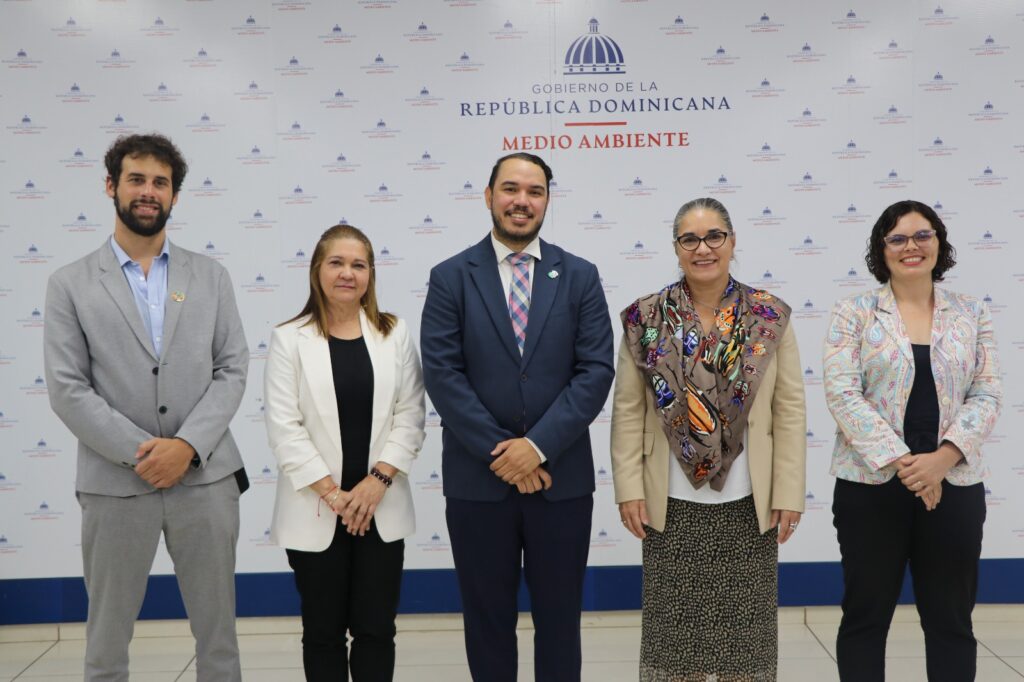
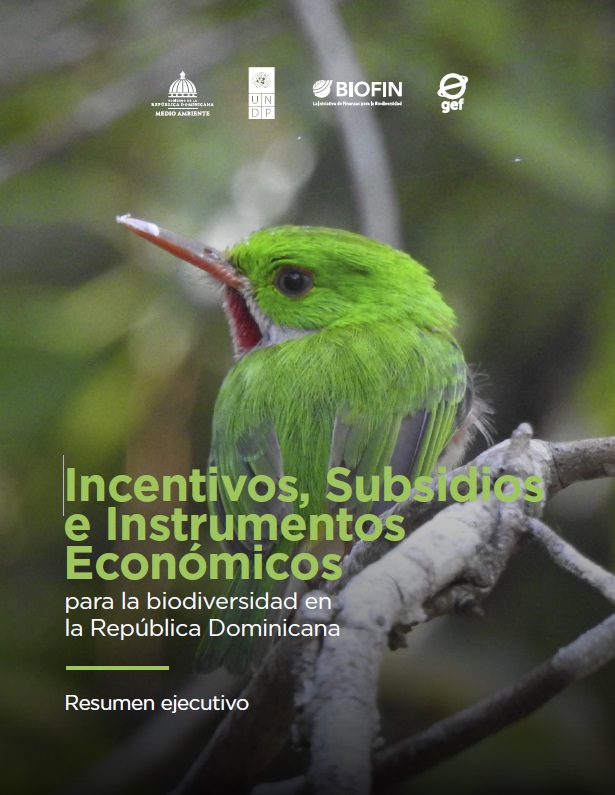
Santo Domingo, 27 January 2026 — The Dominican Republic has formed a Biodiversity Finance Advisory Committee to support the development…


The Dominican Republic is one of the Caribbean’s most biodiverse countries. Its forests, coastal and marine ecosystems, wetlands and freshwater resources support tourism, agriculture, water security and livelihoods. However, land-use change, unsustainable production practices and climate change continue to place these ecosystems under pressure.
Financing remains insufficient to meet the country’s biodiversity priorities. Biodiversity-related public expenditure is estimated at around 0.2 percent of GDP, while the finance gap associated with achieving the country’s 30x30 objectives is estimated at approximately US$304 million. Closing this gap will require both additional resources and more effective allocation, management and tracking of existing finance.
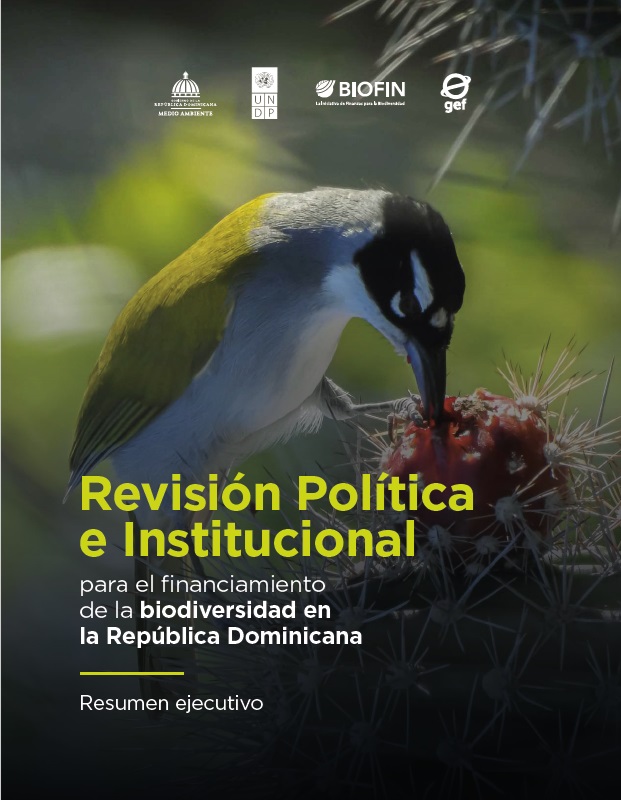
The country already uses several biodiversity-related financing mechanisms, including environmental permits and fees, protected-area charges, payments for environmental services, REDD+ finance, sovereign green bonds and dedicated environmental funds such as Fondo MARENA. However, the Policy and Institutional Review found that these instruments remain fragmented, are not always effectively coordinated or tracked, and are not yet fully aligned with biodiversity outcomes.
UNDP BIOFIN is supporting the Government of the Dominican Republic in strengthening the management of public and private finance for biodiversity. Following completion of the Policy and Institutional Review, work is advancing on the Biodiversity Expenditure Review and Financial Needs Assessment. A National Biodiversity Finance Committee has also been established to improve coordination among government and financial institutions. These efforts will inform a Biodiversity Finance Plan that prioritizes practical solutions to improve existing expenditure and mobilize additional finance for national biodiversity priorities and the Kunming–Montreal Global Biodiversity Framework.
The Policy and Institutional Review identified a preliminary portfolio of finance solutions to address fragmented funding, weak revenue traceability, limited cost recovery and incentives that may negatively affect biodiversity. These options are currently being assessed and have not yet been formally prioritized or adopted.
1. Strengthening public finance and environmental revenue systems
This area focuses on improving the management, transparency and effectiveness of existing public resources. Options include:
Stage: Under assessment
2. Reforming subsidies and fiscal incentives
Public subsidies and tax incentives in sectors such as agriculture, tourism and mining could be reviewed to identify and reduce negative impacts on biodiversity. Potential reforms include adjusting agricultural subsidies and tax treatment while introducing positive incentives for sustainable production and nature-positive business practices.
Stage: Under assessment
3. Strengthening environmental funds and sectoral mechanisms
Potential measures include strengthening national conservation funds, improving financing mechanisms related to water and waste management, and using sectoral funds more effectively to support biodiversity priorities.
Stage: Under assessment
4. Developing market-based finance solutions
The country is exploring instruments that could mobilize additional private and public resources, including high-integrity biodiversity credits, carbon and ecosystem service-linked mechanisms, and green bonds for waste management.
Biodiversity compensation mechanisms are also being considered. Any such mechanism would need clear standards and safeguards and should address residual impacts only after measures to avoid, minimize and restore biodiversity loss have been applied.
Stage: Exploratory
5. Integrating biodiversity into financial and investment systems
Options include incorporating biodiversity into development-bank financing, creating investment vehicles for sustainable coffee and cacao, establishing biodiversity criteria for public investment and infrastructure, and integrating climate and biodiversity risks into public-private partnerships.
Stage: Under assessment
The preliminary options will be reviewed alongside the findings of the Biodiversity Expenditure Review. The most promising solutions will then undergo feasibility assessments examining their potential financial impact, legal viability, administrative requirements and institutional readiness. This process will determine which solutions are included in the Dominican Republic’s Biodiversity Finance Plan.
The Dominican Republic has made progress in establishing the policy, governance and analytical foundations for its Biodiversity Finance Plan.
1. Policy and Institutional Review completed
The Policy and Institutional Review was completed and validated. It assessed the policies, institutions, incentives and financing mechanisms affecting biodiversity and identified gaps and potential finance solutions. Its findings informed the country’s updated National Biodiversity Strategy and Action Plan, aligned with the Kunming–Montreal Global Biodiversity Framework, and will guide the development of the Biodiversity Finance Plan.
2. National Biodiversity Finance Committee established
UNDP BIOFIN supported the establishment of a National Biodiversity Finance Committee to guide the country’s biodiversity finance process. The Committee brings together relevant government and financial institutions to improve coordination among public policies, financial regulations and resource-allocation decisions.
3. Biodiversity expenditure analysis underway
The Biodiversity Expenditure Review is mapping how much the country spends on biodiversity, where the resources come from and how they are allocated. UNDP BIOFIN is working with national public finance institutions to connect the methodology with existing budget systems and tools. The findings will establish an expenditure baseline and identify opportunities to improve the tracking, effectiveness and alignment of public finance with biodiversity priorities..