NEWS
Cameroon reviews policies and institutions shaping biodiversity finance
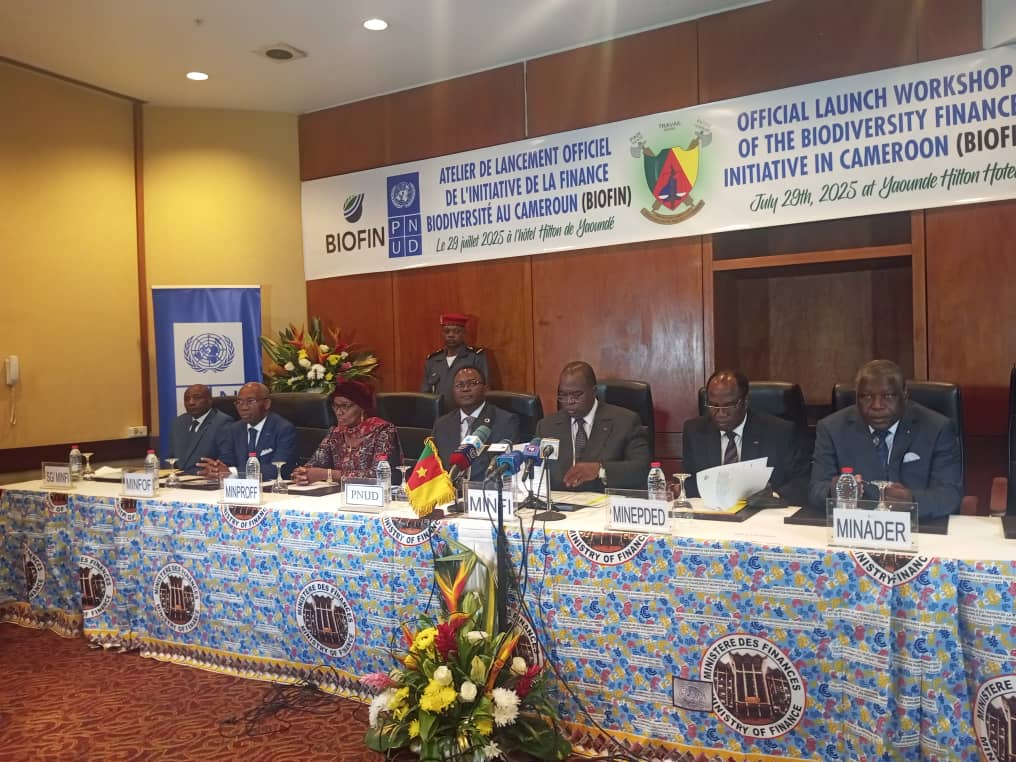
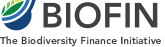
Douala, Cameroon, February 2026 — Government institutions and partners met in Douala from 24 to 27 February to review progress…

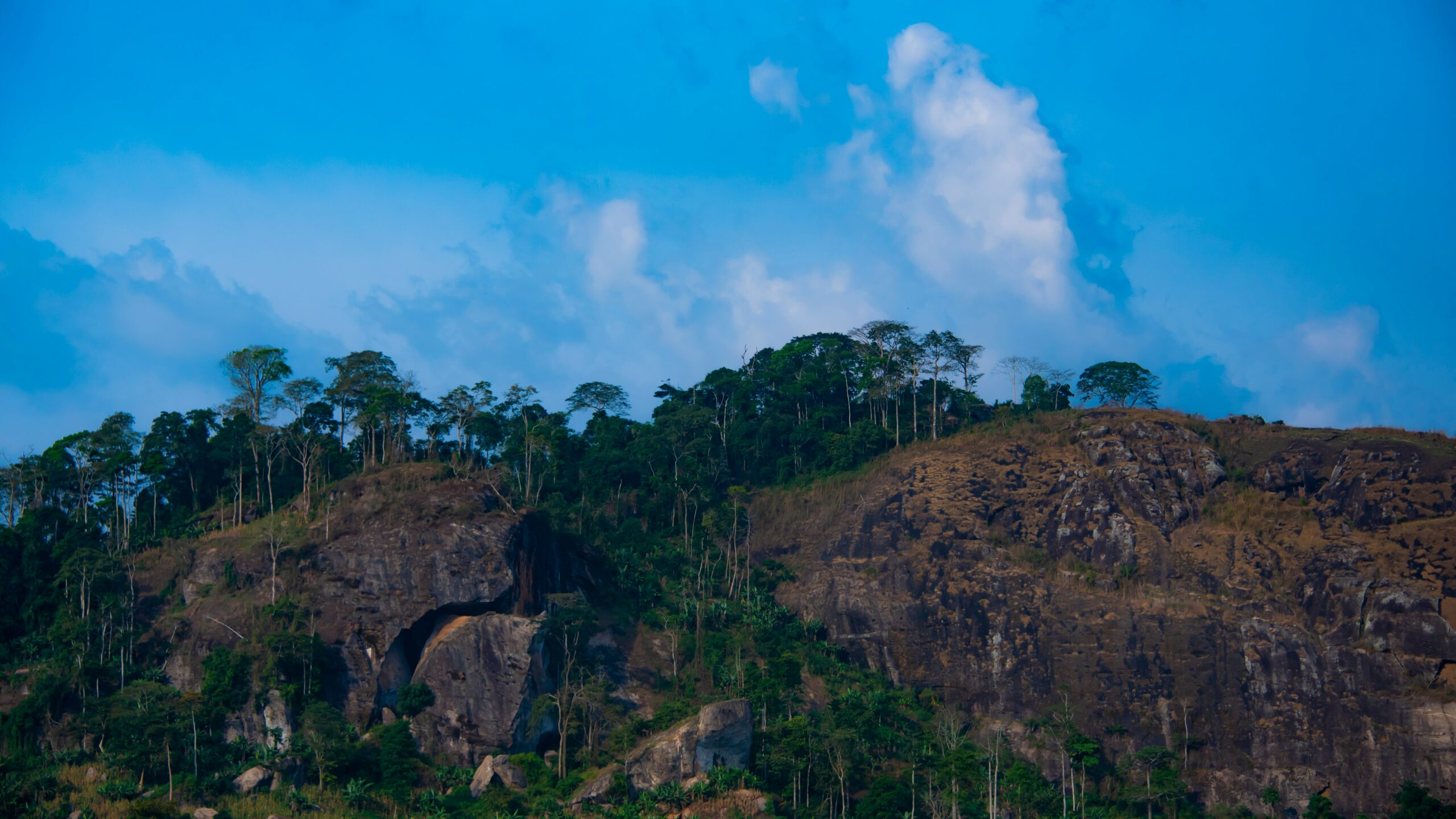
Cameroon’s biodiversity extends from the tropical forests of the Congo Basin to savannas, mountains, wetlands, and coastal and marine ecosystems. These natural assets support livelihoods, food and water security, economic activity and climate resilience. However, they face increasing pressure from deforestation, agricultural expansion, extractive activities, poaching, urbanization and climate change.
Biodiversity conservation is financed through government budgets, international cooperation, protected-area revenue, forestry concessions, hunting-related fees and several sectoral funds. International mechanisms, including the Global Environment Facility and Green Climate Fund, also provide support. However, preliminary UNDP BIOFIN analysis found that financing remains fragmented, biodiversity-related public expenditure is not systematically tracked, and some subsidies and incentives may negatively affect ecosystems.
The potential economic consequences are substantial. Preliminary estimates indicate that the annual cost of inaction on biodiversity loss could reach between XAF 848 billion and XAF 1.35 trillion. This highlights the need to improve the effectiveness of existing expenditure, address financial flows that harm nature and mobilize additional public and private resources.
UNDP BIOFIN was launched in Cameroon in July 2025 under the leadership of the Ministry of Finance, in collaboration with the Ministry of Environment, Protection of Nature and Sustainable Development. The initiative is assessing the policies, institutions, expenditure and financing needs associated with biodiversity. The findings will inform a National Biodiversity Finance Plan that identifies practical solutions to strengthen coordination, improve transparency and mobilize sustainable finance for Cameroon’s national priorities and the Kunming–Montreal Global Biodiversity Framework.
Cameroon has identified a portfolio of biodiversity finance solutions through the Policy and Institutional Review and consultations with national stakeholders. The solutions below have been selected for immediate action or priority development. Their design, financial potential and implementation arrangements remain subject to further assessment and approval.
Immediate systemic reforms
1. Biodiversity budget tagging
Cameroon is designing a budget-tagging system to identify, classify and monitor biodiversity-related public expenditure across ministries and public institutions. Integrating biodiversity markers into the national budget framework and annual finance laws would improve expenditure tracking, financial planning, institutional coordination and reporting under Target 19 of the Kunming–Montreal Global Biodiversity Framework.
Stage: Design
Lead institutions and partners: Ministry of Finance, Ministry of Environment, Protection of Nature and Sustainable Development, Ministry of Economy, Planning and Regional Development, National Institute of Statistics, and UNDP BIOFIN.
2. Biodiversity criteria in public procurement
This solution would integrate biodiversity and sustainability criteria into public procurement procedures and tender specifications. It would encourage government-funded investments in infrastructure, agriculture, energy and extractive industries to reduce negative impacts on ecosystems and promote more sustainable goods, services and production practices.
Stage: Design
Lead institutions and partners: Ministry of Finance, Public Procurement Regulatory Agency, Ministry of Environment, Protection of Nature and Sustainable Development, Ministry of Public Works, Ministry of Mines, Industry and Technological Development, and UNDP BIOFIN.
3. Modernization of protected-area and wildlife fees
Cameroon is considering a review of fees for protected areas, wildlife permits and ecotourism activities. Updated fees and stronger collection systems could provide more predictable domestic revenue for protected-area management, anti-poaching measures and conservation-linked livelihoods. Any reform would need transparent revenue management, equitable benefit-sharing and safeguards for affordable access.
Stage: Under consideration
Lead institutions and partners: Ministry of Forestry and Wildlife, Ministry of Environment, Protection of Nature and Sustainable Development, Ministry of Finance, Ministry of Tourism and Leisure, local authorities, community organizations, and UNDP BIOFIN.
4. Biodiversity levy on high-impact sectors
Cameroon is exploring a targeted environmental levy for sectors with significant biodiversity impacts, including mining, oil and gas, agro-industry and industrial fisheries. Revenue could support ecosystem restoration, species recovery and the management of protected-area buffer zones. Further assessment will determine the legal basis, rates, collection arrangements and governance of the resulting revenue.
Stage: Under consideration
Lead institutions and partners: Ministry of Finance, Ministry of Environment, Protection of Nature and Sustainable Development, Ministry of Mines, Industry and Technological Development, Ministry of Agriculture and Rural Development, Ministry of Livestock, Fisheries and Animal Industries, and UNDP BIOFIN.
Priority solutions under development
5. Biodiversity criteria in transfers to local governments
A performance-based mechanism is being designed to integrate biodiversity into fiscal transfers managed through the Special Council Support Fund for Mutual Assistance. Municipalities demonstrating measurable environmental performance—such as adopting local biodiversity plans, protecting community forests or restoring degraded land—could receive additional financial support.
Stage: Design
Lead institutions and partners: Special Council Support Fund for Mutual Assistance, Ministry of Finance, Ministry of Decentralization and Local Development, Ministry of Environment, Protection of Nature and Sustainable Development, local governments, and UNDP BIOFIN.
6. Payments for ecosystem services in the Sanaga–Bamendjin watershed
Cameroon is piloting a payment for ecosystem services mechanism in the Sanaga–Bamendjin watershed. The proposed mechanism would compensate upstream communities for protecting forested catchments that provide water and other ecosystem services to downstream users.
The initial participating beneficiaries and potential payers include the Bafoussam Urban Community and Cameroon Water Utilities Corporation, with possible future participation from the Nachtigal Hydropower Company. Lessons from the pilot could inform similar mechanisms in other watersheds.
Stage: Pilot
Lead institutions and partners: Ministry of Environment, Protection of Nature and Sustainable Development, Ministry of Water and Energy, Ministry of Finance, Bafoussam Urban Community, Cameroon Water Utilities Corporation, Nachtigal Hydropower Company, community organizations, and UNDP BIOFIN.
7. Reform of agricultural subsidies
Cameroon is designing a phased reform of agricultural subsidies that may contribute to deforestation and land conversion, beginning with mechanisms managed through the Cocoa and Coffee Sub-Sector Development Fund. The proposed reform would redirect support towards agroforestry, shade-grown production, certification and other biodiversity-positive practices while considering the livelihoods and competitiveness of smallholder farmers.
Stage: Design
Lead institutions and partners: Ministry of Finance, Ministry of Agriculture and Rural Development, Cocoa and Coffee Sub-Sector Development Fund, Ministry of Environment, Protection of Nature and Sustainable Development, Ministry of Commerce, producer organizations, private-sector partners, and UNDP BIOFIN.
8. Biodiversity and ESG criteria for public financial institutions
This solution would integrate environmental, social and governance criteria, including explicit biodiversity considerations, into the investment policies of public financial institutions. It could redirect existing capital towards projects that support biodiversity while managing nature-related financial risks. The work may also contribute to the development of a national green taxonomy adapted to Cameroon’s financial context.
Stage: Under consideration
Lead institutions and partners: National Social Insurance Fund, Autonomous Sinking Fund, Special Council Support Fund for Mutual Assistance, Ministry of Finance, Bank of Central African States, regional financial regulators, and UNDP BIOFIN.
9. Green Finance Working Group and Biodiversity Credit Facility
UNDP BIOFIN is supporting the proposed establishment of a Green Finance Working Group bringing together government institutions, financial institutions, businesses and development partners. The group would coordinate the development of green financial instruments and support work on a national green taxonomy.
A proposed Biodiversity Credit Facility would provide refinancing through participating microfinance institutions and direct financing for small and medium-sized enterprises in areas such as ecotourism, bioenergy, reforestation, sustainable agriculture and the development of non-timber forest products.
Stage: Design
Lead institutions and partners: Ministry of Finance, Bank of Central African States, Ministry of Environment, Protection of Nature and Sustainable Development, public financial institutions, commercial banks, microfinance networks, business organizations, development partners, and UNDP BIOFIN.
Cameroon has begun establishing the institutional, analytical and policy foundations needed for a more coordinated approach to biodiversity finance.
1. Policy and institutional framework assessed
The Policy and Institutional Review examined more than 100 public policy instruments, over 80 national institutions, 25 ratified international conventions and more than 65 subsidy mechanisms.
The assessment identified gaps in coordination, regulation and expenditure tracking, as well as opportunities to integrate biodiversity more systematically into national economic and financial policies.
2. Inter-institutional coordination established
Under the leadership of the Ministry of Finance, an inter-institutional Task Force has been established to guide the UNDP BIOFIN process. It brings together government institutions, technical experts and development partners to strengthen coordination and national ownership of biodiversity finance planning.
3. Biodiversity budget tagging under development
Cameroon is developing a biodiversity budget-tagging system to identify and track biodiversity-related public expenditure across government sectors. The system is expected to improve transparency, establish a more reliable expenditure baseline and provide policymakers with better information for budget and investment decisions.
4. Priority finance solutions identified
The Policy and Institutional Review identified 15 preliminary finance solutions that could mobilize, redirect or improve the management of an estimated XAF 120–250 billion annually. This is an indicative estimate rather than finance already mobilized.
The proposed solutions combine reforms to public expenditure with mechanisms intended to attract additional domestic, private and international investment.
5. Policy and fiscal reforms proposed
Potential reforms identified through the UNDP BIOFIN process include:
These measures remain subject to further technical, legal and financial assessment.
6. New financing mechanisms being explored
Cameroon is assessing several mechanisms that could provide longer-term financing for conservation, including:
7. National Biodiversity Finance Plan under development
The assessments and proposed solutions will inform Cameroon’s National Biodiversity Finance Plan. The plan will establish priorities for improving existing expenditure, mobilizing additional resources and integrating biodiversity into national development and financial planning.
The expected financial and biodiversity outcomes of the proposed solutions should be reported as results only after the solutions have been approved, implemented and measured.s of these solutions should be reported as results only once implementation has begun and the results have been measured and validated.
No posts found.