
NEWS
Liberia Launches Biodiversity Finance Plan to Address Conservation Funding Gap
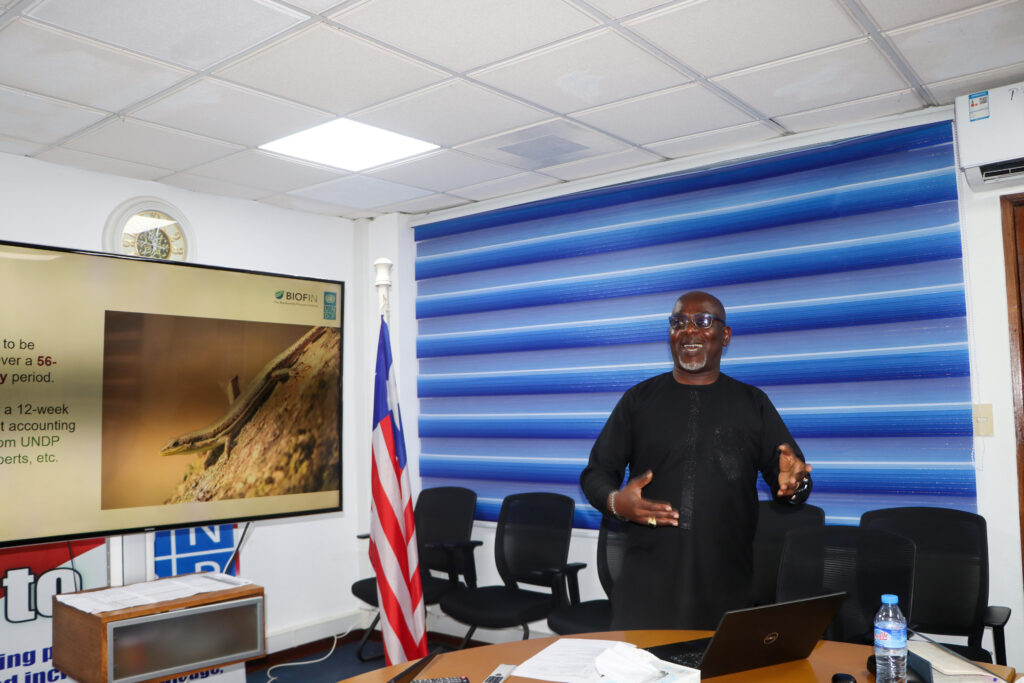
The Government of Liberia, in partnership with the United Nations Development Programme (UNDP), has officially launched the development of the…










Liberia is one of West Africa’s most biodiverse countries and contains a significant share of the Upper Guinean Forest ecosystem. Its forests, wetlands, coastal and marine ecosystems support livelihoods, food and water security, climate resilience and economic development, while providing habitat for globally important species.
Despite this natural wealth, financing for biodiversity conservation and restoration remains limited and fragmented. Competing development priorities, constrained public resources and reliance on external funding highlight the need to strengthen domestic financing and better integrate biodiversity into national planning and budgeting.
UNDP BIOFIN was launched in Liberia in 2025 to support the Government in developing a more strategic and evidence-based approach to biodiversity finance. Through the Policy and Institutional Review, Biodiversity Expenditure Review and Financial Needs Assessment, the initiative is examining the policies and institutions that influence biodiversity finance, tracking existing expenditure and assessing the resources needed to achieve national biodiversity priorities.
The findings will inform Liberia’s Biodiversity Finance Plan, which will identify and prioritize practical finance solutions to improve the effectiveness of existing resources and mobilize additional public, private and international finance for nature. The process will also support stronger integration of biodiversity into national planning and public finance, including the Medium-Term Expenditure Framework, and contribute to implementation of Liberia’s NBSAP, the Kunming–Montreal Global Biodiversity Framework and the ARREST Agenda for Inclusive Development.
Liberia is assessing a range of potential biodiversity finance solutions through the BIOFIN process. These options will be further evaluated and prioritized through the Biodiversity Finance Plan based on their financial potential, feasibility and contribution to national biodiversity priorities.
1. Forest Carbon and REDD+ Finance
Explore opportunities to mobilize finance for forest conservation, restoration and sustainable forest management through REDD+ and high-integrity carbon finance, with appropriate safeguards and benefit-sharing arrangements for local communities.
2. Payments for Ecosystem Services
Assess mechanisms that could provide financial incentives to communities, landholders and other resource managers for conserving forests, watersheds and other important ecosystems.
3. Sustainable Finance for Protected Areas and Ecotourism
Explore sustainable revenue models for protected areas and nature-based tourism, including opportunities for responsible private and community investment and mechanisms to reinvest revenues in conservation.
4. Biodiversity and Conservation Trust Fund
Assess the feasibility of a dedicated financing mechanism that could pool public, international, philanthropic and private resources to provide predictable, long-term financing for biodiversity conservation.
5. Environmental Fiscal Reform
Review environmental taxes, fees, charges, royalties and other fiscal instruments to identify opportunities to strengthen domestic resource mobilization and improve the contribution of existing revenues to biodiversity objectives.
6. Reforming Nature-Harmful Subsidies and Incentives
Assess public subsidies and incentives that may contribute to deforestation, ecosystem degradation or unsustainable resource use and identify opportunities to redirect or redesign them to support nature-positive outcomes.
7. Biodiversity Budgeting and Expenditure Tracking
Strengthen the integration of biodiversity into national and sectoral budgets and the Medium-Term Expenditure Framework, while improving systems for identifying and tracking biodiversity-related public expenditure.
8. Private and Blended Finance for Biodiversity
Explore opportunities to mobilize private capital through green or biodiversity-linked financial instruments, blended finance and responsible corporate investment in conservation and restoration.
9. Community-Based Nature-Positive Enterprises
Explore financing for sustainable forest products, agroforestry, mangrove restoration and other biodiversity-friendly value chains that can generate income while reducing pressure on ecosystems.
Preliminary Goals and Expected Results from Liberia’s BIOFIN Engagement
Establishing Liberia’s Biodiversity Finance Process
Since the launch of UNDP BIOFIN in Liberia in 2025, the Government has begun building the institutional and analytical foundations for a national approach to biodiversity finance, bringing together environmental, finance and other relevant institutions.
Building the Biodiversity Finance Evidence Base
Liberia is advancing the Policy and Institutional Review, Biodiversity Expenditure Review and Financial Needs Assessment to better understand the policies and institutions influencing biodiversity finance, current expenditure patterns and the resources required to achieve national biodiversity priorities.
Strengthening Biodiversity Expenditure Tracking
The BIOFIN process is supporting efforts to identify and track biodiversity-related public expenditure across government institutions and sectors, providing a basis for stronger integration of biodiversity into national budgeting and the Medium-Term Expenditure Framework.
Assessing Subsidies and Incentives
Liberia is examining public subsidies and incentives to identify those that support biodiversity as well as those that may contribute to ecosystem degradation. The analysis will help identify opportunities to redirect or redesign public finance towards more nature-positive outcomes.
Identifying Potential Biodiversity Finance Solutions
Preliminary analysis has identified a range of potential mechanisms for further assessment, including forest carbon and REDD+ finance, Payments for Ecosystem Services, sustainable protected-area finance, environmental fiscal reform, community-based enterprises, and private and blended finance.
Developing Liberia’s Biodiversity Finance Plan
Evidence from the PIR, BER, FNA and related analyses will inform Liberia’s Biodiversity Finance Plan, which will prioritize feasible solutions for improving the effectiveness of existing resources and mobilizing additional finance for biodiversity.
No posts found.