
NEWS
Benin brings partners together to advance biodiversity finance planning
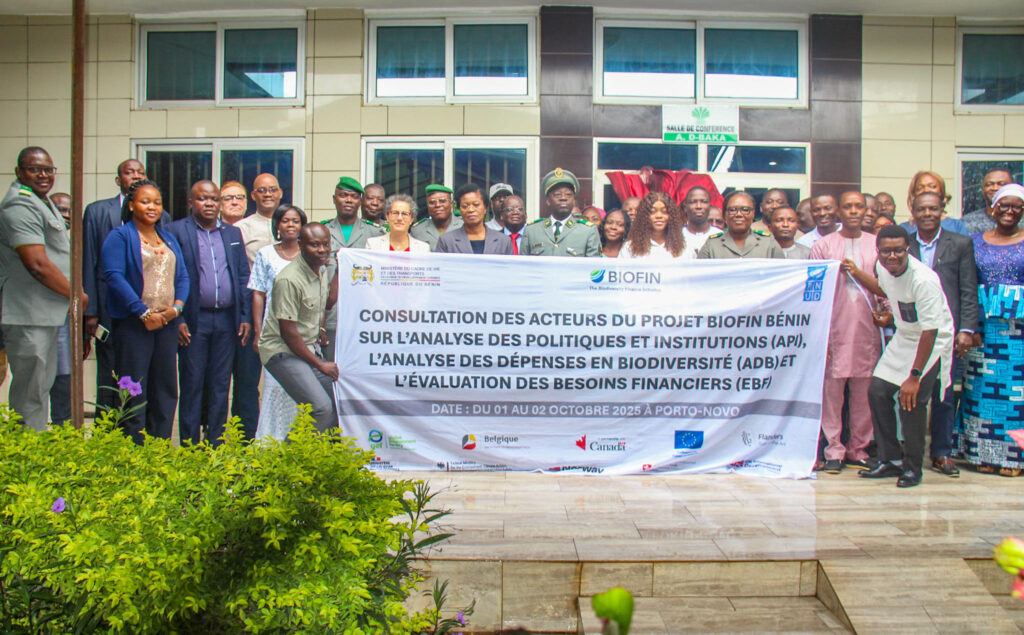
17 October 2025 – UNDP BIOFIN brought together government institutions and other partners in Porto-Novo on 1–2 October 2025 to…

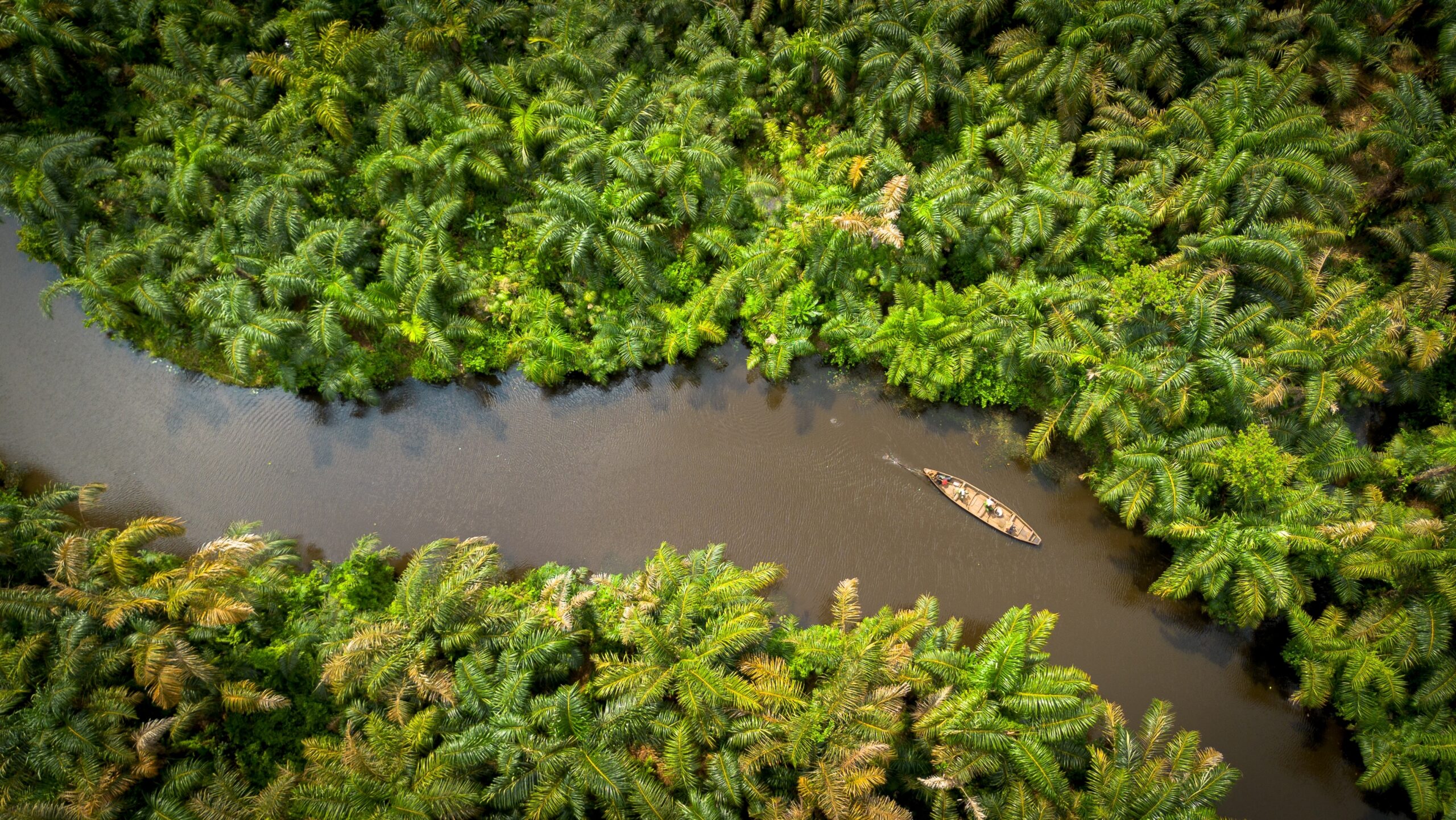
Benin’s forests, wetlands, mangroves, coastal and marine ecosystems, and fisheries resources support food security, livelihoods and economic development. Agriculture, fisheries, livestock production, tourism and other nature-dependent sectors rely on healthy ecosystems. However, biodiversity faces increasing pressure from deforestation, habitat degradation, urbanization, pollution and climate change.
Biodiversity conservation is financed mainly through domestic public expenditure and support from technical and financial partners. National and regional mechanisms, including the National Fund for Environment and Climate and the West African Savannah Foundation, also contribute to conservation. Despite these efforts, available resources remain insufficient, fragmented and difficult to track against the financing required to achieve national biodiversity priorities.
The UNDP BIOFIN initiative in Benin is being implemented from 2024 to 2028 by the Ministry of Living Environment and Transport, with support from UNDP and the Global Environment Facility. Through the Policy and Institutional Review, Biodiversity Expenditure Review and Financial Needs Assessment, the initiative is examining the country’s institutional framework, mapping biodiversity-related expenditure and estimating the resources needed to implement the National Biodiversity Strategy and Action Plan.
Working with public institutions, local governments, the private sector, civil society and development partners, UNDP BIOFIN will support the development of Benin’s Biodiversity Finance Plan. The plan will identify practical solutions to improve the effectiveness of existing expenditure and mobilize additional domestic, private and international finance for the country’s biodiversity priorities and its commitments under the Kunming–Montreal Global Biodiversity Framework.
Benin is assessing several biodiversity finance solutions identified through the Policy and Institutional Review and consultations with national stakeholders. These options aim to diversify funding, strengthen private-sector participation and improve the effectiveness of investment in biodiversity.
1. Payments for ecosystem services
This solution would provide financial incentives to communities and other land and resource managers for conserving ecosystems and maintaining services such as water regulation, carbon storage and soil protection. Community-based initiatives already operate in some mangrove and forest areas, while a national framework has been proposed to support wider implementation.
Stage: Pilot initiatives in place; national framework proposed
Potential lead institutions and partners: Ministry of Living Environment and Transport, National Fund for Environment and Climate, local governments, civil society organizations, and technical and financial partners.
2. Biodiversity offsets
Benin is considering a mechanism through which infrastructure projects and other investments would address residual biodiversity impacts by financing equivalent conservation, restoration or rehabilitation measures. Any offset mechanism would require a clear regulatory framework, credible monitoring and safeguards, and should apply only after impacts have first been avoided, minimized and restored.
Stage: Under development
Potential lead institutions and partners: Ministry of Living Environment and Transport, Benin Environment Agency, National Fund for Environment and Climate, and private-sector stakeholders.
3. Greening municipal fiscal transfers
This solution would integrate biodiversity and environmental performance criteria into the allocation of national fiscal transfers to municipalities. It could encourage local governments to invest more systematically in biodiversity conservation, ecosystem restoration and the sustainable management of natural resources.
Stage: Under development and strategic assessment
Potential lead institutions and partners: Ministry of Economy and Finance, Ministry of Decentralization and Local Governance, Ministry of Living Environment and Transport, and municipalities.
4. Carbon and climate finance
Benin is exploring how the carbon-storage potential of mangroves and forests could attract additional international finance for conservation and restoration. Developing this solution will require credible carbon accounting, transparent governance, environmental and social safeguards, and equitable benefit-sharing with local communities.
Stage: Being structured with support from the Carbon Project Registration Authority
Potential lead institutions and partners: Ministry of Living Environment and Transport, General Directorate for Environment and Climate, Carbon Project Registration Authority, private-sector stakeholders, and technical and financial partners.
Subject to the agreed national workplan, the initial UNDP BIOFIN Benin has made progress in establishing the governance, evidence base and stakeholder engagement required to develop its Biodiversity Finance Plan.
1. Governance mechanisms established
A multisectoral Steering Committee and Technical Committee have been established to guide the UNDP BIOFIN process. These bodies support coordination among government institutions, technical stakeholders and development partners while providing strategic and technical oversight.
2. Policy and Institutional Review completed
The Policy and Institutional Review was finalized in June 2026 and technically validated in August 2026. It identified opportunities to strengthen the policies, institutions and legal frameworks influencing biodiversity finance in Benin.
Work has also advanced on the Biodiversity Expenditure Review and Financial Needs Assessment, with preliminary findings under development.
3. Biodiversity finance integrated into national planning
The UNDP BIOFIN assessments are informing the revision of Benin’s National Biodiversity Strategy and Action Plan for 2026–2030. This work is helping connect national biodiversity priorities with the financial resources and mechanisms required for their implementation and alignment with the Kunming–Montreal Global Biodiversity Framework.
4. Public expenditure tracking explored
In collaboration with the Ministry of Economy and Finance, UNDP BIOFIN has initiated discussions on tools such as biodiversity budget tagging and green budgeting. These tools could improve the identification, tracking and effectiveness of biodiversity-related public expenditure.
5. Private-sector engagement strengthened
Dialogue has been initiated with businesses, the Benin Chamber of Commerce and Industry, employers’ organizations, banks and insurance companies. This engagement is helping assess private financial flows and identify opportunities for greater business and financial-sector participation in biodiversity finance.
6. Preliminary finance solutions identified
Potential solutions identified for further assessment include payments for ecosystem services, biodiversity offsets, carbon and blue-carbon finance, and the integration of biodiversity criteria into municipal fiscal transfers. These options will be evaluated and prioritized during the preparation of Benin’s Biodiversity Finance Plan.
No posts found.