NEWS
Yerevan Biodiversity Finance Challenge
The Yerevan Biodiversity Finance Challenge is the country-level implementation platform of the COP17 Presidency of Armenia’s Flagship Initiative on Positive…


The Cook Islands, a Small Island Developing State - economy, livelihoods and cultural identity are inseparable from the health of its land and ocean. Spread across nearly two million square kilometres of the South Pacific, its fifteen islands sustain globally significant biodiversity — coral reefs, atoll systems, endemic flora and fauna, and vast ocean territory. Tourism and fisheries, the two largest contributors to the national economy, depend directly on healthy ecosystems, and traditional governance systems such as ra’ui continue to conserve inshore fisheries and culturally significant areas. Yet biodiversity faces mounting pressure from climate change, coastal development, invasive species and unsustainable resource use. The national goals set out in the National Biodiversity Strategy and Action Plan (NBSAP) and Te Ara Akapapa’anga Nui 2020+, the Cook Islands National Sustainable Development Agenda calls for financing that is more predictable, targeted, and aligned with national priorities.
The country has already built important foundations for biodiversity finance. Marae Moana, the Cook Islands Marine Park, places the entire 1.9 million km² Exclusive Economic Zone under an integrated protection and management framework. It’s governing policy and legislation call for a dedicated sustainable financing mechanism. Conservation is currently financed through the national budget and the National Environment Service, Fisheries Revenue, and support from development partners and multilateral funds such as the Global Environment Facility and GCF.
In February 2026, the National Environment Service (NES), together with the Ministry of Finance and Economic Management (MFEM) and UNDP, launched the Cook Islands’ participation in the global Biodiversity Finance Initiative (BIOFIN), delivered under the GEF-8 funded Pacific BIOFIN Umbrella Programme alongside 14 other Pacific countries and territories. Working across government — including the Ministry of Marine Resources and the Office of the Prime Minister’s Central Planning and Policy Office — as well as the private and finance sectors, BIOFIN applies a structured methodology: a Policy and Institutional Review (PIR), a Biodiversity Expenditure Review (BER) and a Financial Needs Assessment (FNA), which together underpin a nationally owned National Biodiversity Finance Plan. Over roughly the next year and a half, this process will map biodiversity-related spending and subsidies, cost what is needed to meet national targets, and identify the finance solutions best able to close the gap. In doing so, BIOFIN supports implementation of the Cook Islands’ updated NBSAP (2025–2030) and advances the country’s commitments under the Kunming–Montreal Global Biodiversity Framework, including Target 19 on resource mobilization, helping ensure that public and private financial decisions actively support the protection and sustainable use of the Cook Islands’ natural heritage.
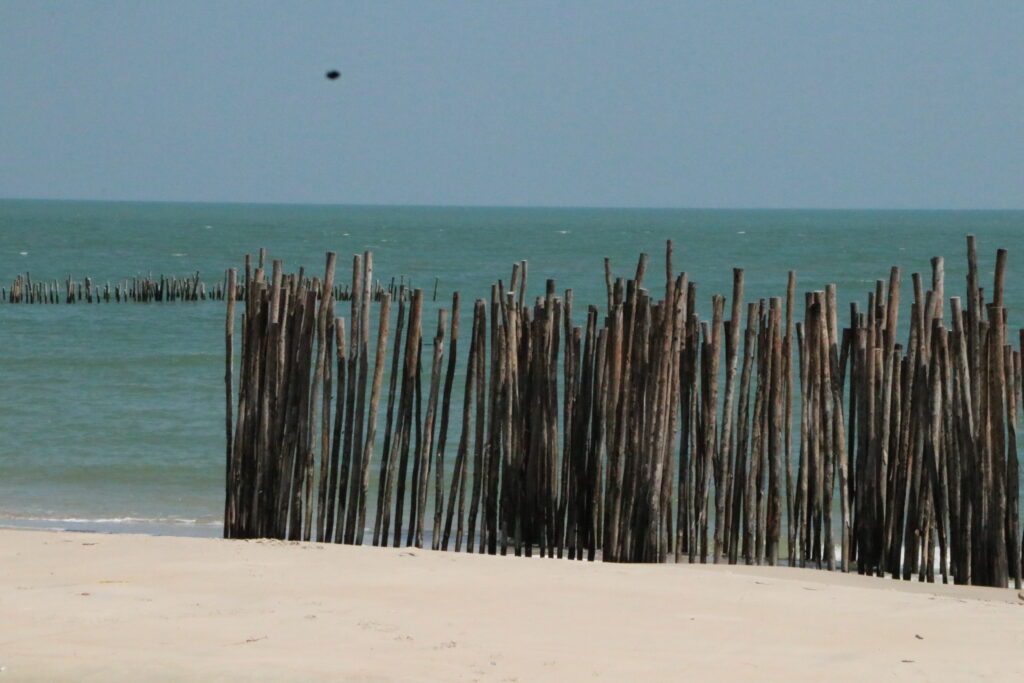
Definition – Rä'ui means the traditional custom of imposing a restriction on certain activities in a certain area for a certain time and purpose as determined by a traditional leader or leaders and which may include rä'ui motukore, also known as rä'ui motukore, which is the traditional custom of imposing permanent restrictions on the use of the resources of any land, reef, or lagoon.
This section will be updated as the BIOFIN process advances and results become available.