NEWS
UNDP BIOFIN launches in Uruguay to advance biodiversity finance
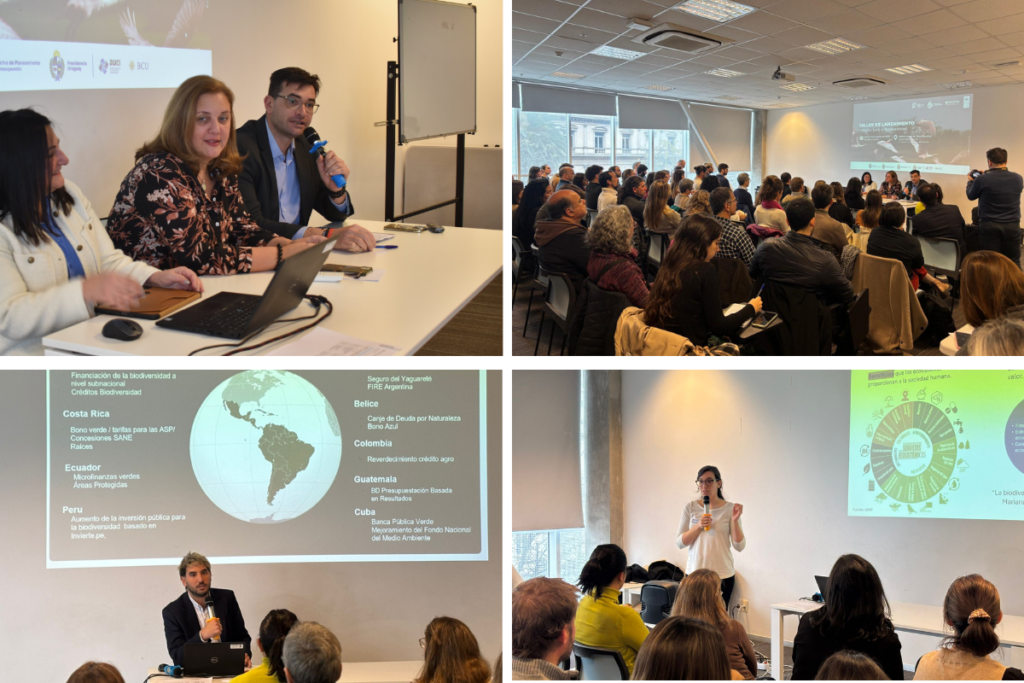
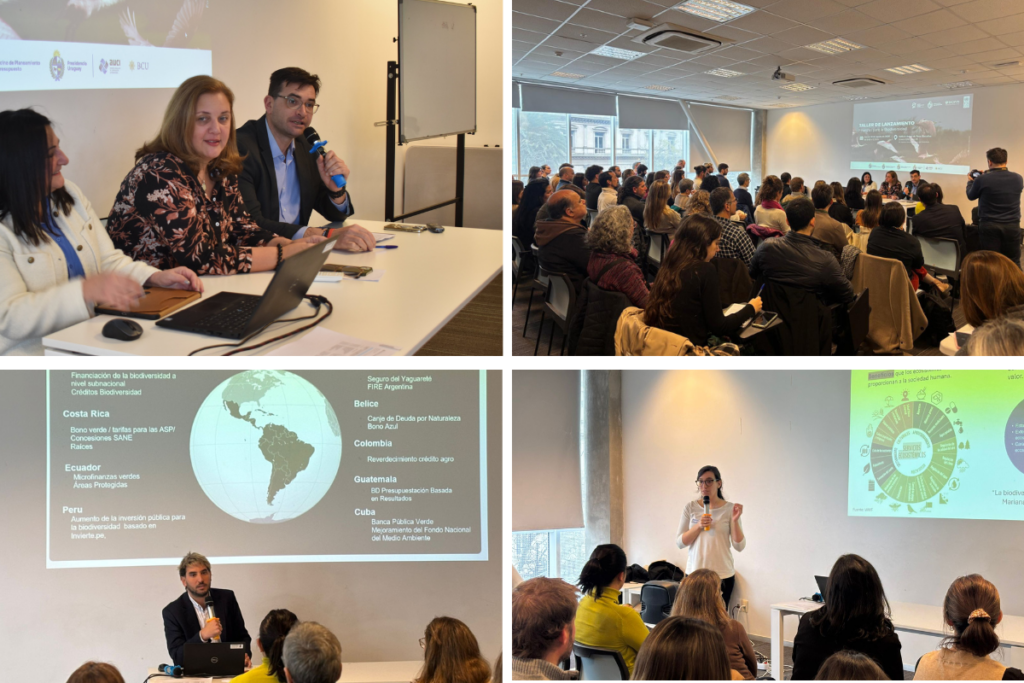
Representatives of the public and private sectors, academia, civil society and international cooperation organizations gathered in Montevideo for the launch…









Uruguay’s economy is deeply intertwined with its natural capital. Over 70% of the country's total exports are concentrated in primary products and agro-industrial manufactures, heavily relying on the resilience of ecosystem services. Despite this macroeconomic dependence, preliminary data from the ongoing Biodiversity Expenditure Review (BER) reveals a significant financing gap: annual biodiversity expenditure averages USD 17.3 million, representing just 0.03% of the National GDP and 0.1% of the National Public Budget.
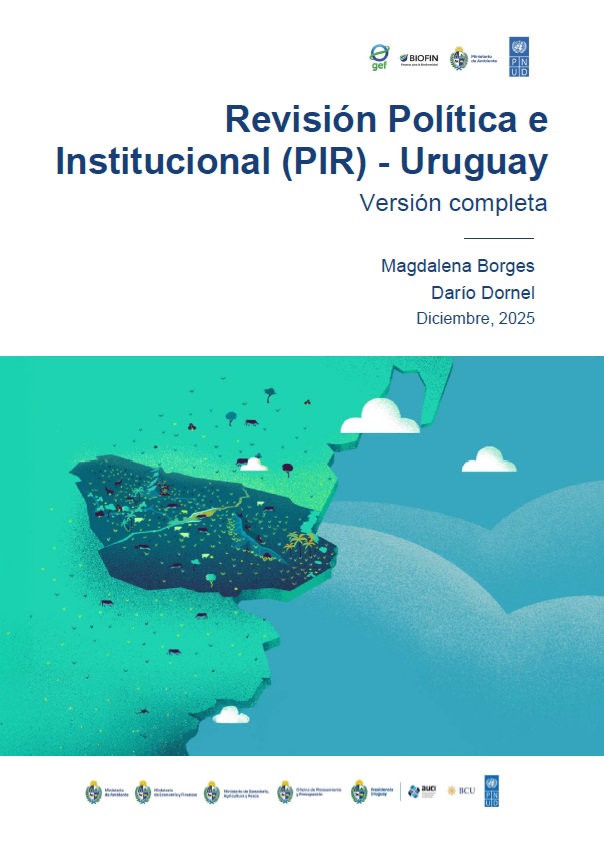
While Uruguay boasts a robust environmental regulatory framework, comprising 57 core national laws and decrees, there is a critical challenge in transforming these regulations into active planning instruments with dedicated budget lines. Currently, biodiversity financing is primarily driven by the National Budget (62%), followed by international cooperation (19%) and sub-national governments (12%). Existing financing mechanisms include public funds, agricultural subsidies, national tax exemptions for private investments, rural microcredit programs, sustainable certifications, guarantee systems, among others. Through the Policy and Institutional Review (PIR), BIOFIN successfully mapped 60 existing and potential biodiversity finance solutions across the public, private, and financial sectors, revealing significant potential to mobilize resources. By applying the BIOFIN methodology, the project has strategically prioritized 20 financial solutions for early implementation.
BIOFIN is actively working to align both public and private financial flows with the National Biodiversity Strategy (NBSAP) to 2030 and the Global Biodiversity Framework. Key ongoing actions include mainstreaming biodiversity criteria into the national investment promotion regime (COMAP), launching the unprecedented "2026 Corporate Consultation on Biodiversity" to map how businesses manage their nature-related risks and dependencies, and analyzing nature-harmful agricultural subsidies to propose redesigns that also incorporate gender perspective. Furthermore, BIOFIN is accelerating innovation by supporting nature-fintech initiatives, such as blockchain-based natural asset tokenization. Ultimately, BIOFIN Uruguay aims to create the enabling conditions to mobilize private investment and optimize public spending. Through a robust inter-institutional governance structure, bridging the Ministry of Environment (MA), the Ministry of Livestock, Agriculture, and Fisheries (MGAP), and the Ministry of Economy and Finance (MEF), among other key public institutions, the project aims to ensure that biodiversity becomes a central pillar of Uruguay’s sustainable economic development.
BIOFIN Uruguay has strategically prioritized 20 financing mechanisms through the PIR and has already moved forward with the early-stage implementation and design of several high-impact solutions:
BIOFIN Uruguay achieved three key strategic results that consolidate its national governance, catalyze private investment, and influence policy-making tools:
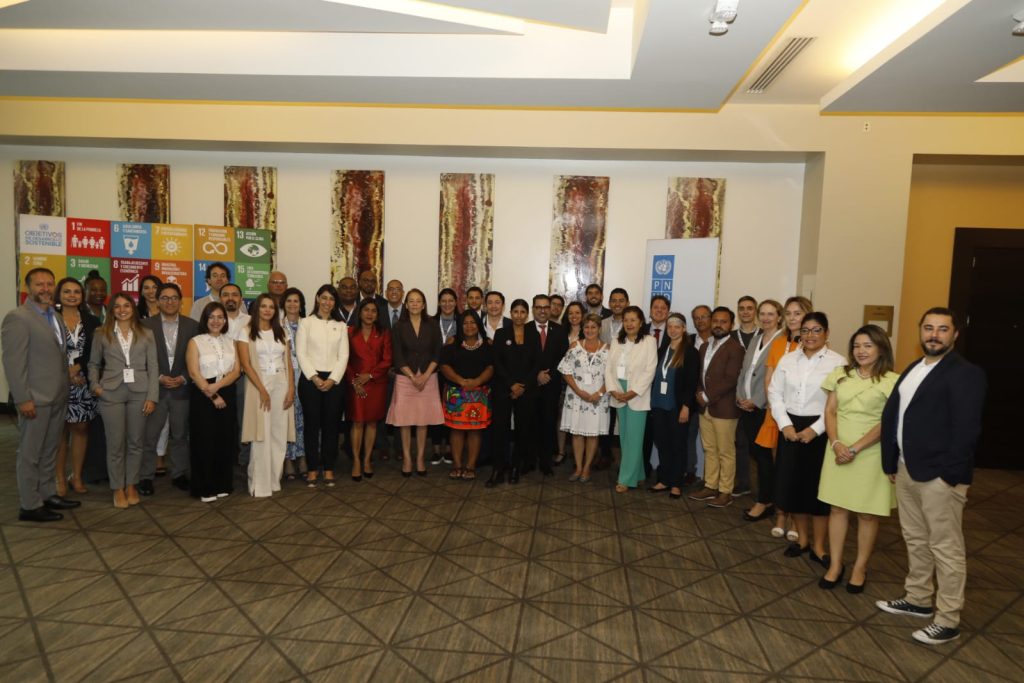
1. Consolidation of a Solid Governance Structure: A robust governance framework for Biodiversity Finance was established through the active functioning of the National Steering Committee. This platform has facilitated inter-institutional coordination, notably bridging the Ministry of Environment and the Ministry of Livestock, Agriculture, and Fisheries (MGAP), alongside other key actors, such as the Ministry of Economy and Finance, Office of Planning and Budget, Central Bank of Uruguay, and Uruguayan Agency for International Cooperation. The Committee has met regularly throughout the year, actively guiding the BIOFIN process and validating key milestones like the PIR.
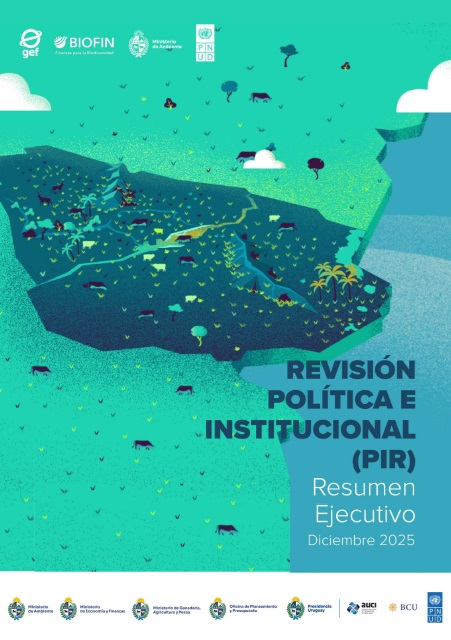
2. Prioritization & Early Implementation of Biodiversity Finance Solutions: Through the finalization of the Policy and Institutional Review (PIR), 60 financial solutions were identified and 20 were prioritized. These findings were consolidated into three key deliverables (the full report, an executive summary, and a legal and planning database). Early implementation has progressed by mainstreaming biodiversity conservation criteria into the national investment promotion regime (COMAP), which grants tax exemptions to private projects. Additionally, BIOFIN provided continuous technical support to the nature-fintech Origen Latam (finalist in UNDP’s global SDG Blockchain Accelerator) to refine their natural asset tokenization proposal. Importantly, this strategic acceleration support did not represent any expense to the approved GBFP budget.
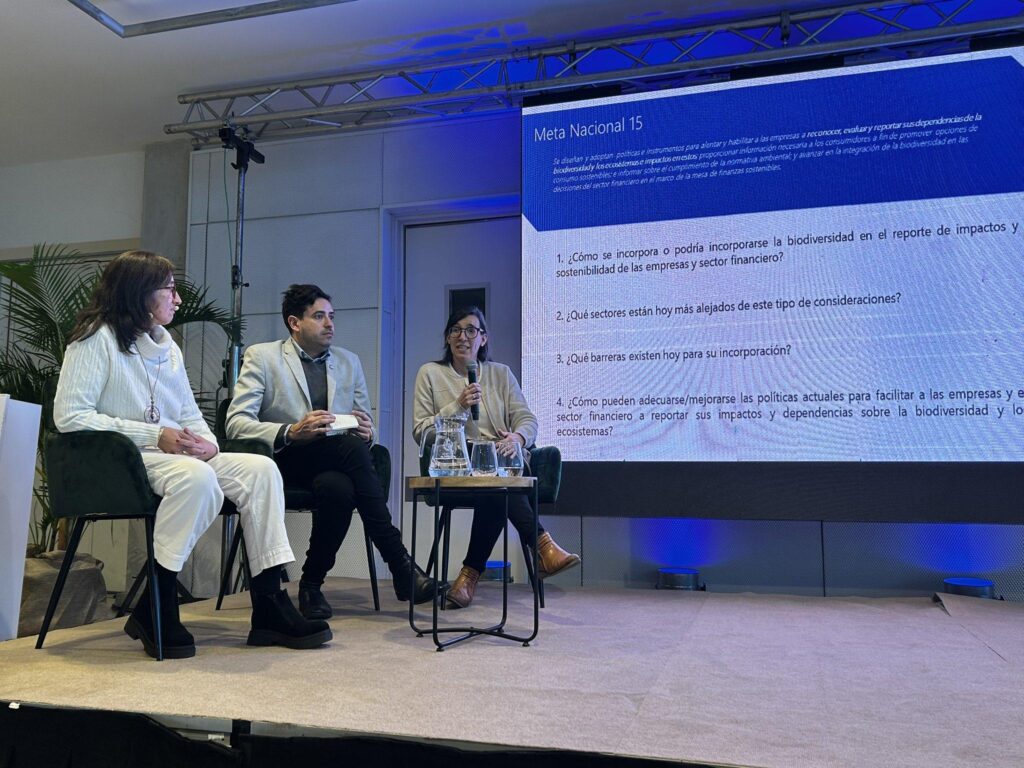
3. Launch of the 2026 Corporate Consultation on Biodiversity: Officially launched during the Expo Uruguay Sostenible 2026 in Montevideo, this national consultation targets public, private, and financial institutions. With over 150 responses received, it represents a milestone in stakeholder engagement, aiming to map how the corporate sector understands, manages, and reports its dependencies, risks, impacts, and opportunities related to nature. Its results, which will be shared shortly, will serve as a key input for the National Biodiversity Strategy to 2030.
BIOFIN PIR Webinar Recording