
NEWS
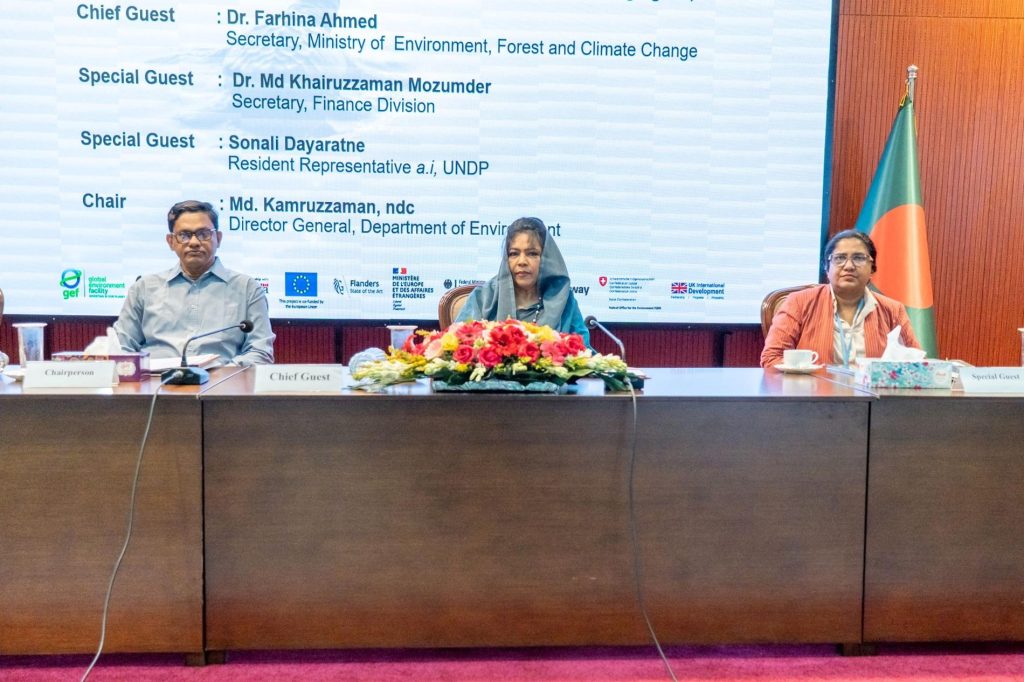
Biodiversity Finance Initiative launched to Mobilize Finance for Nature
New initiative aims to close the nature finance gap and support sustainable development

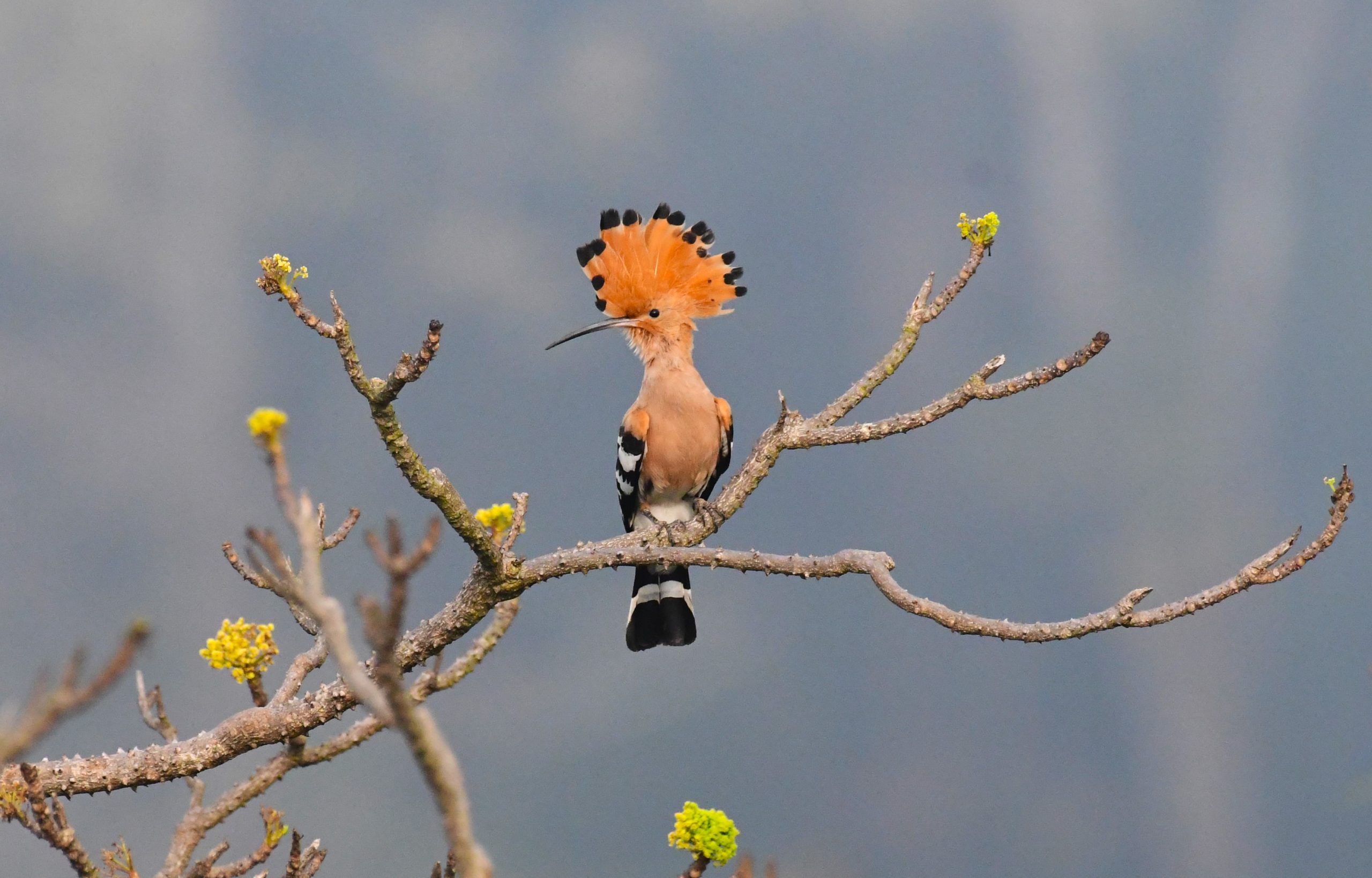







Bangladesh is part of the Indo-Burma Biodiversity Hotspot and supports an exceptional diversity of forests, wetlands, rivers, coastal and marine ecosystems. These include the Sundarbans, the world’s largest contiguous mangrove forest, the hill forests of the Chittagong Hill Tracts, freshwater wetlands and haors, and important coastal and marine habitats. Together, these ecosystems provide habitat for globally significant species while supporting food and water security, climate resilience, disaster risk reduction and the livelihoods of millions of people.
Protecting this natural capital requires sustained and better-coordinated investment. Bangladesh already finances biodiversity through public budgets, development partner support and growing private-sector engagement, with resources flowing through sectors including forestry, fisheries, agriculture, water management, climate adaptation and ecosystem restoration. However, biodiversity finance remains dispersed across institutions, sectors and funding sources, making it difficult to systematically track expenditure, assess financing gaps and ensure that available resources deliver the greatest possible benefits for nature.
UNDP BIOFIN is supporting the Government of Bangladesh to develop a more strategic and evidence-based approach to biodiversity finance. The initiative is assessing biodiversity-related policies, institutions, expenditure and financing needs while identifying opportunities to improve existing financial flows and mobilize additional public, private and international resources for biodiversity. The process also aims to strengthen the integration of biodiversity into national planning, budgeting and investment decisions.
Building on this analysis, Bangladesh will develop a Biodiversity Finance Plan that identifies and prioritizes practical finance solutions to support implementation of the National Biodiversity Strategy and Action Plan and the Kunming–Montreal Global Biodiversity Framework. The Plan will provide a roadmap for strengthening biodiversity finance governance, improving coordination and expenditure tracking, and mobilizing more sustainable investment in the country’s natural capital.
UNDP BIOFIN’s analytical work has identified a preliminary set of biodiversity finance solutions that could help Bangladesh mobilize additional resources, improve the effectiveness of existing finance and better align financial flows with national biodiversity priorities. These options will be further assessed, prioritized and developed through stakeholder consultations and the Biodiversity Finance Plan process and do not yet represent approved government policies or programmes.
Finance Solution 1: Biodiversity Budget Tagging
Develop a Biodiversity Budget Tagging system to systematically identify, track and analyse biodiversity-related expenditure across government budgets. The mechanism could improve transparency and accountability, provide a clearer picture of how much public finance is directed toward biodiversity, and help integrate biodiversity considerations into budget planning and decision-making across sectors.
Finance Solution 2: Payments for Ecosystem Services
Explore Payments for Ecosystem Services (PES) as a mechanism to provide financial incentives for communities, land managers and resource users to conserve and sustainably manage ecosystems that generate important benefits for society. Potential applications could include forests, wetlands and watersheds, helping connect ecosystem conservation with sustainable livelihoods while mobilizing additional resources for biodiversity.
Finance Solution 3: Biodiversity Conservation Trust Fund
Assess options for establishing or operationalizing a dedicated biodiversity financing mechanism capable of mobilizing, pooling and managing long-term resources for conservation. A Biodiversity Conservation Trust Fund could potentially combine domestic, international and other sources of finance to support ecosystem restoration, biodiversity conservation and implementation of national biodiversity priorities.
Finance Solution 4: Reforming Environmentally Harmful Subsidies
Assess public subsidies and incentives to identify opportunities to reduce or reform financial flows that contribute to biodiversity loss and redirect support toward biodiversity-positive activities. The solution could focus on biodiversity-relevant sectors such as agriculture, fisheries, forestry and energy, helping improve the environmental effectiveness of existing public expenditure.
Building Bangladesh’s Biodiversity Finance Evidence Base
UNDP BIOFIN is developing Bangladesh’s first comprehensive evidence base for biodiversity finance through the Policy and Institutional Review (PIR), Biodiversity Expenditure Review (BER) and Financial Needs Assessment (FNA). Together, these assessments will provide a clearer understanding of how biodiversity is currently financed, estimate future financing needs and gaps, and identify opportunities to improve and mobilize resources for national biodiversity priorities.
Identifying and Prioritizing Biodiversity Finance Solutions
BIOFIN’s analytical process has identified a preliminary portfolio of potential finance solutions, including biodiversity budget tagging, Payments for Ecosystem Services, a biodiversity conservation trust fund and reform of environmentally harmful subsidies. These options will undergo further technical assessment and stakeholder consultation to determine their feasibility and potential for inclusion in Bangladesh’s Biodiversity Finance Plan.
Developing Bangladesh’s Biodiversity Finance Plan
Building on the analytical assessments and consultations, UNDP BIOFIN is supporting the development of Bangladesh’s Biodiversity Finance Plan. The Plan will identify priority finance solutions and provide a strategic roadmap for improving existing financial flows and mobilizing additional public, private and international resources to support implementation of the National Biodiversity Strategy and Action Plan and the Kunming–Montreal Global Biodiversity Framework.