

Angola
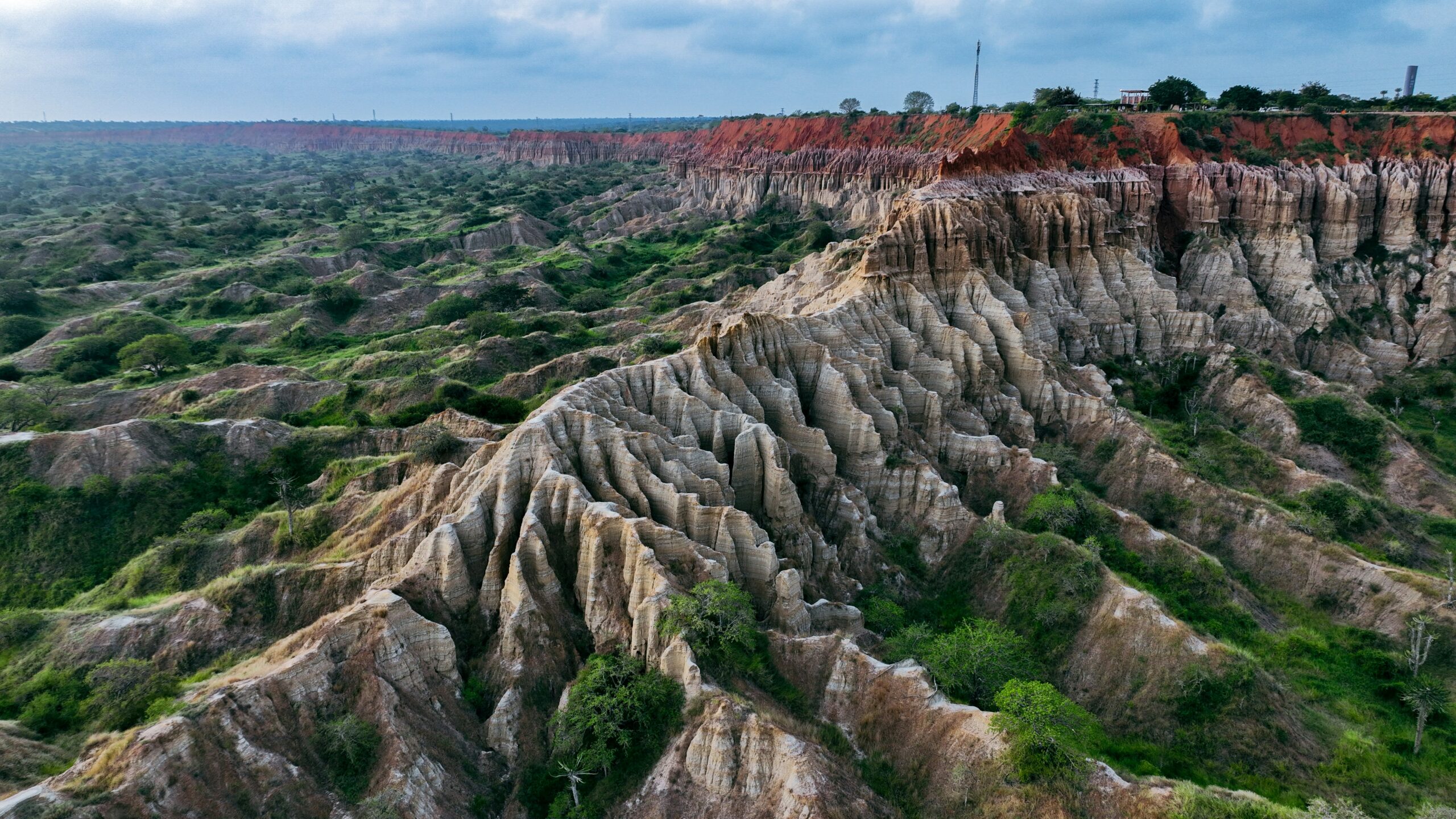




Angola is home to diverse terrestrial, freshwater, coastal and marine ecosystems that form an important part of the country’s natural capital. These ecosystems support livelihoods and economic activities, provide essential ecosystem services and contribute to food and water security and climate resilience. However, growing pressures on natural resources, combined with constraints in mobilizing and coordinating finance, continue to challenge effective biodiversity conservation and sustainable use.
Biodiversity finance is mobilized through public resources alongside support from international partners, civil society and the private sector. Strengthening the way these resources are coordinated, tracked and used, while identifying opportunities to mobilize additional finance, will be important for achieving Angola’s national biodiversity priorities.
UNDP BIOFIN is supporting the Government of Angola, under the coordination of the Ministry of Finance and in collaboration with the Ministry of Environment, to develop a more strategic and evidence-based approach to biodiversity finance. The initiative is assessing the policies and institutions that influence biodiversity finance, tracking existing expenditure and determining the resources required to achieve national biodiversity targets.
The Policy and Institutional Review, Biodiversity Expenditure Review and Financial Needs Assessment are currently underway and will provide the evidence base for Angola’s Biodiversity Finance Plan. The Plan will identify and prioritize practical finance solutions to improve the effectiveness of existing resources, mobilize additional public, private and international finance, and strengthen the integration of biodiversity into national planning and financing frameworks.
No posts found.
Finance solutions
1. Mainstreaming Biodiversity into Public Planning and Finance
Description: Promote the integration of biodiversity objectives and conservation criteria into national planning, programming, and public budgeting processes, ensuring greater alignment between sector policies and environmental commitments.
Stage: Under analysis through the BIOFIN process.
Lead agencies/partners: Ministry of Finance, Ministry of Environment, UNDP, and relevant sector institutions.
2. Strengthening Biodiversity Expenditure Monitoring Systems
Description: Develop mechanisms to identify, classify, monitor, and report biodiversity-related public and private expenditures, enabling more effective resource management and decision-making.
3. Strengthening Institutional Coordination for Biodiversity Finance
Description: Enhance collaboration among finance, environment, agriculture, fisheries, forestry, water, and territorial development sectors to improve investment effectiveness and biodiversity governance.
Stage: Ongoing implementation.
Lead agencies/partners: Government institutions, development partners, and relevant stakeholders.
4. Identification of Innovative Biodiversity Finance Mechanisms
Description: Assess opportunities to increase resource mobilization through innovative financial solutions, including environmental funds, ecological compensation mechanisms, green finance instruments, public-private partnerships, and economic incentives that support conservation and sustainable use of biodiversity.
Stage: Under assessment as part of the Biodiversity Finance Plan development process.
Lead agencies/partners: Ministry of Finance, Ministry of Environment, UNDP, and strategic partners.
Key results
Official Launch of BIOFIN Angola – The BIOFIN Initiative in Angola was officially launched on 13 May 2026, bringing together representatives from the Government of Angola, the United Nations Development Program (UNDP), development partners, civil society organizations, academia, and other key stakeholders. The launch event marked the formal commencement of BIOFIN implementation in the country and helped raise awareness of the importance of biodiversity finance in achieving national biodiversity and sustainable development objectives.
Strengthened Governance and Institutional Coordination – Establishment of the institutional foundations required for the implementation of the BIOFIN methodology and coordination of biodiversity finance actions at the national level.
Implementation of BIOFIN Analytical Studies – Development of the PIR, BER, and FNA studies, providing critical information on policy frameworks, biodiversity expenditures, and financing needs.
Mobilization of Strategic Partners – Engagement of government institutions, civil society organizations, foundations, international agencies, and technical partners, including organizations such as the Kissama Foundation, FAO, and ADRA, among other stakeholders involved in biodiversity conservation and sustainable development.
Preparation of the Biodiversity Finance Plan – Development of the technical basis required to identify and prioritize finance solutions aimed at reducing Angola’s biodiversity finance gap.