


Bahrain
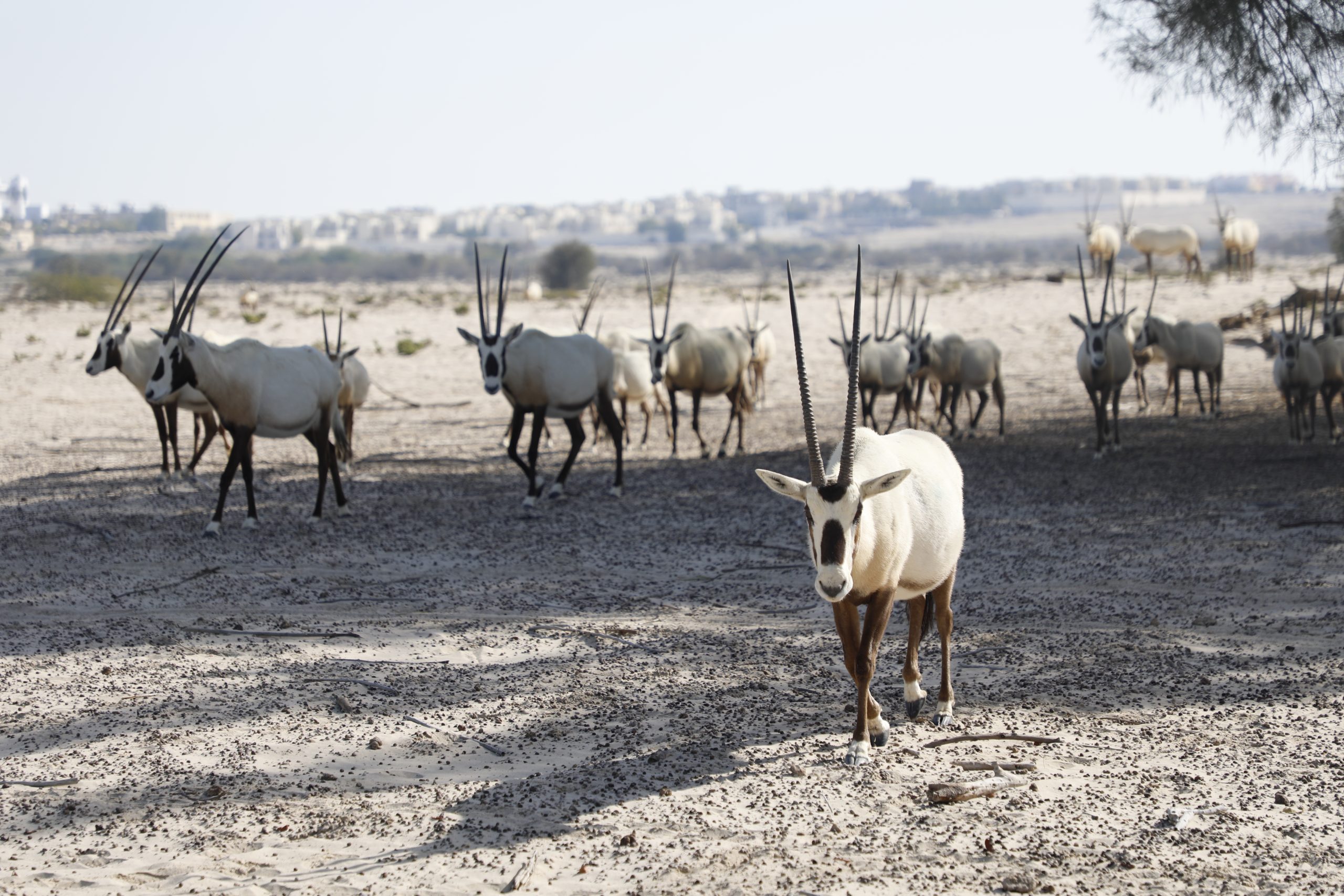
Bahrain’s terrestrial, coastal and marine ecosystems provide important services for the country’s economy, communities and climate resilience. As a small island state facing pressures from urban development, resource use and climate change, strengthening and sustainably financing biodiversity conservation is increasingly important for achieving national environmental and development priorities.
UNDP is supporting Bahrain, under the technical leadership and overall coordination of the Supreme Council for Environment, to strengthen the evidence base for biodiversity finance and support the development of the country’s first National Biodiversity Finance Plan.
The initial focus is a national assessment of harmful subsidies and fiscal incentives. The assessment is examining public subsidies and incentives with potential implications for biodiversity, their fiscal costs and their environmental and socioeconomic impacts, while identifying opportunities to better align public finance with biodiversity objectives.
As of mid-2026, an inception report, draft inventory and draft action plan have been prepared. Stakeholder consultations and validation are planned as the process advances. The next phase will include the Policy and Institutional Review, Biodiversity Expenditure Review and Financial Needs Assessment, which will provide the evidence needed to develop Bahrain’s first Biodiversity Finance Plan and identify practical finance solutions.
No posts found.
Finance solutions
Bahrain is currently considering and designing finance solutions under the BIOFIN process. At this stage, one finance solution has been identified through the harmful subsidies activity, while additional finance solutions are expected to be identified through the upcoming BIOFIN assessments, including the Policy and Institutional Review, Biodiversity Expenditure Review, Financial Needs Assessment and Biodiversity Finance Plan.
The main finance solution currently under design focuses on assessing subsidies, taxes and fiscal incentives with potential implications for biodiversity and exploring options to enhance their alignment with biodiversity objectives, including, where appropriate, redesigning, redirecting, greening or reforming selected measures. The solution is at the design stage.
Key work completed includes the inception report, a draft national inventory report, and a draft action plan with prioritized interventions and reform options.
In parallel, Bahrain is in the process of recruiting technical experts to carry out the remaining core BIOFIN assessments. These include the Policy and Institutional Review, the Biodiversity Expenditure Review, the Financial Needs Assessment and the Biodiversity Finance Plan.
This work will help identify further finance solutions for consideration, design and possible implementation. These may include measures to improve biodiversity budget allocations, strengthen expenditure tracking, address finance gaps, enhance institutional coordination, and mobilize or redirect finance for national biodiversity priorities
Key results
At this early stage of implementation, the results below have been achieved under the harmful subsidies activity (Output 1.2):
- Completion of the inception report (Deliverable 1), establishing the refined methodology, stakeholder map, and implementation timetable for the assessment.
- Completion of a draft national inventory report (Deliverable 2), compiling available secondary data on biodiversity-harmful subsidies and taxes in Bahrain in both narrative and database formats. This deliverable is pending final SCE approval.
- Completion of a draft action plan (Deliverable 3), translating inventory findings into a structured reform pathway with prioritized interventions and reform options. This deliverable is pending SCE approval.
Through the BIOFIN engagement, the preliminary goal is to strengthen Bahrain’s evidence base on fiscal incentives and subsidies, and to identify practical options to enhance their contribution to biodiversity objectives through evidence-based policy and financing options.
At this stage, the expected result is to identify the annual fiscal cost of relevant subsidies and incentives, assess their environmental and socioeconomic impacts, and determine where public finance could be better aligned with biodiversity objectives. This may include opportunities to redirect savings toward biodiversity conservation, resilience-building or more sustainable policy measures.
The engagement is also expected to support policy and fiscal reform by developing a national inventory of biodiversity-relevant subsidies and tax incentives, prioritizing up to three fiscal incentives with high redesign potential, and preparing reform scenarios for each. These scenarios will assess expected biodiversity benefits, fiscal implications, socioeconomic impacts, winners and losers, and possible compensation measures for affected groups.
Expected outputs include a validated national inventory, stakeholder consultations and workshops, a final action plan with budget, monitoring indicators, responsible actors, and a communication and advocacy strategy.