Knowledge Base

Knowledge Hub

Access BIOFIN's library of resources, including flagship publications, country reports, finance solution case studies, webinars, explainer videos, podcasts, and more.

Key Publications

Publications

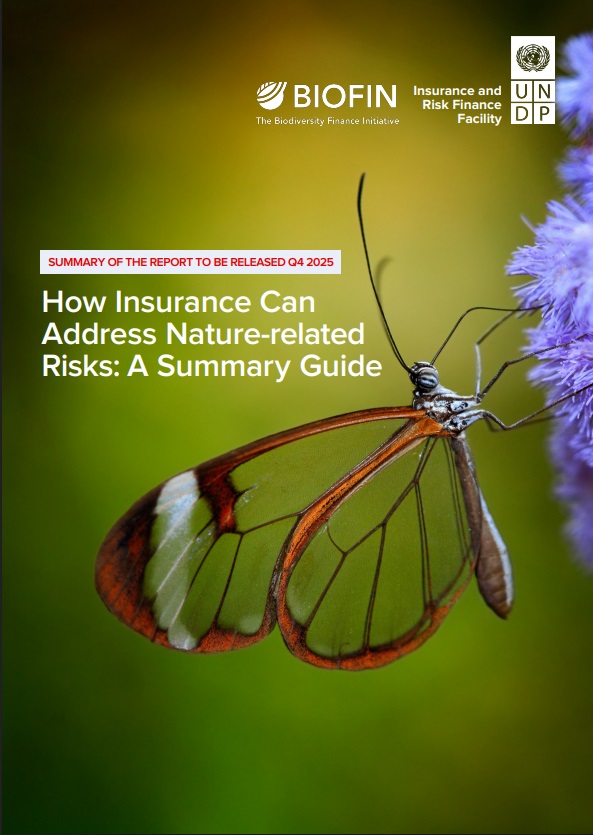
Insurance can play a crucial role in biodiversity conservation by providing financial protection against risks to natural assets, incentivizing sustainable practices, and securing key investments.
Publications

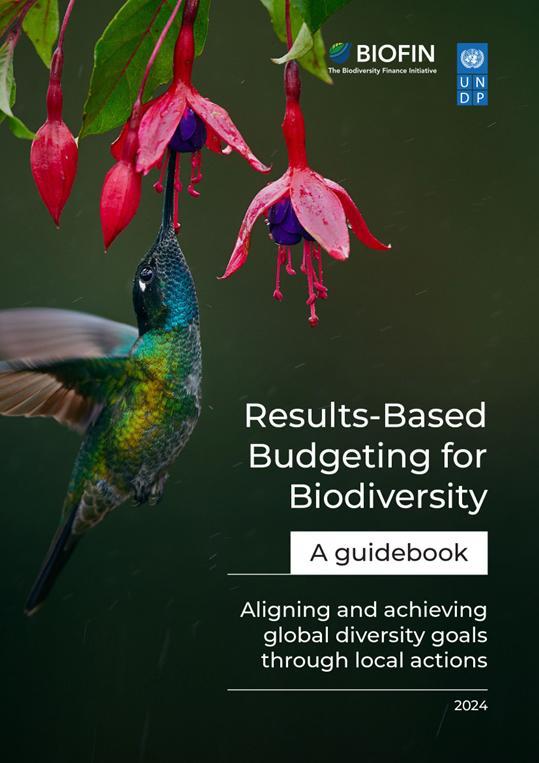
In 2022, countries adopted new global biodiversity targets under the Kunming-Montreal Global Biodiversity Framework (GBF), revisiting many goals that had gone unachieved or underachieved over the past decade.
Publications

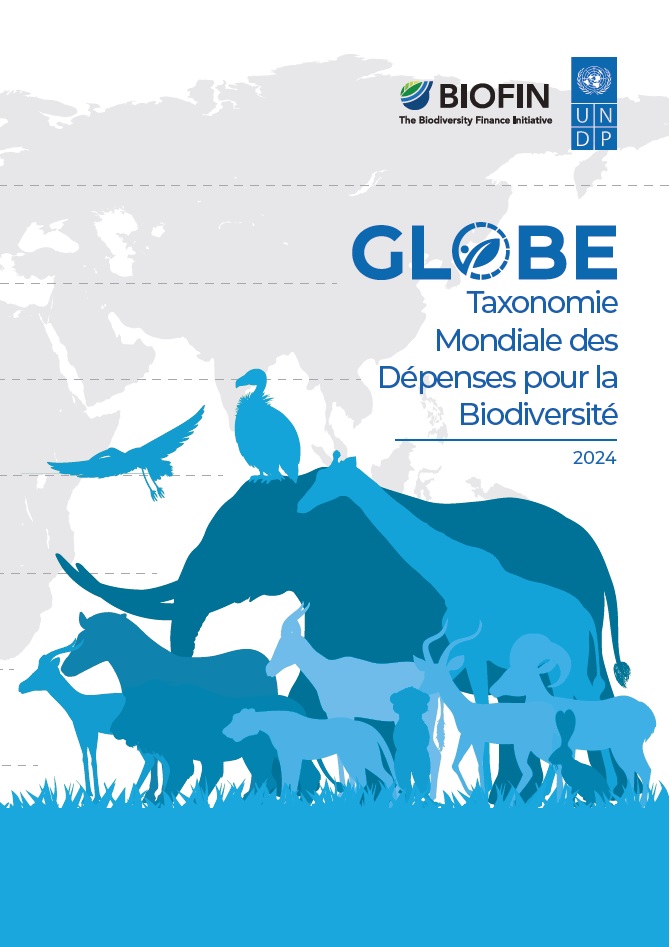
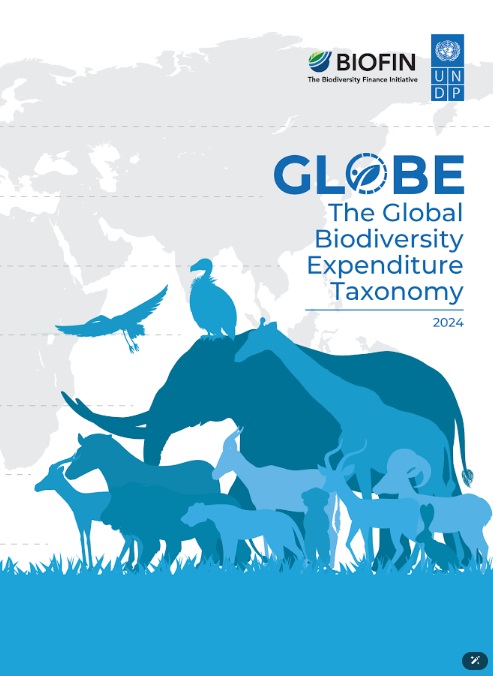
Global Biodiversity Expenditure (GLOBE) is a taxonomy that categorizes all potential public expenditures for biodiversity.

The taxonomy consists of two components:
Publications

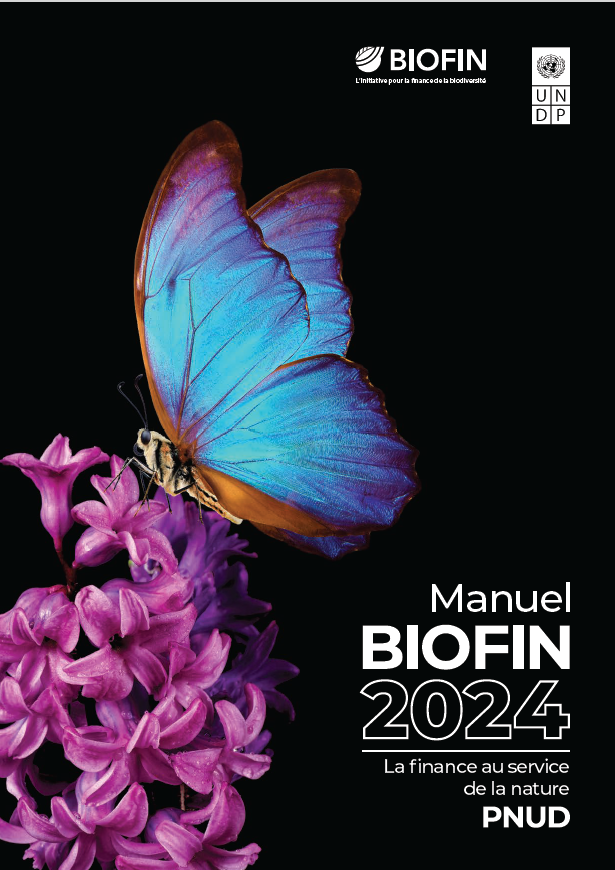
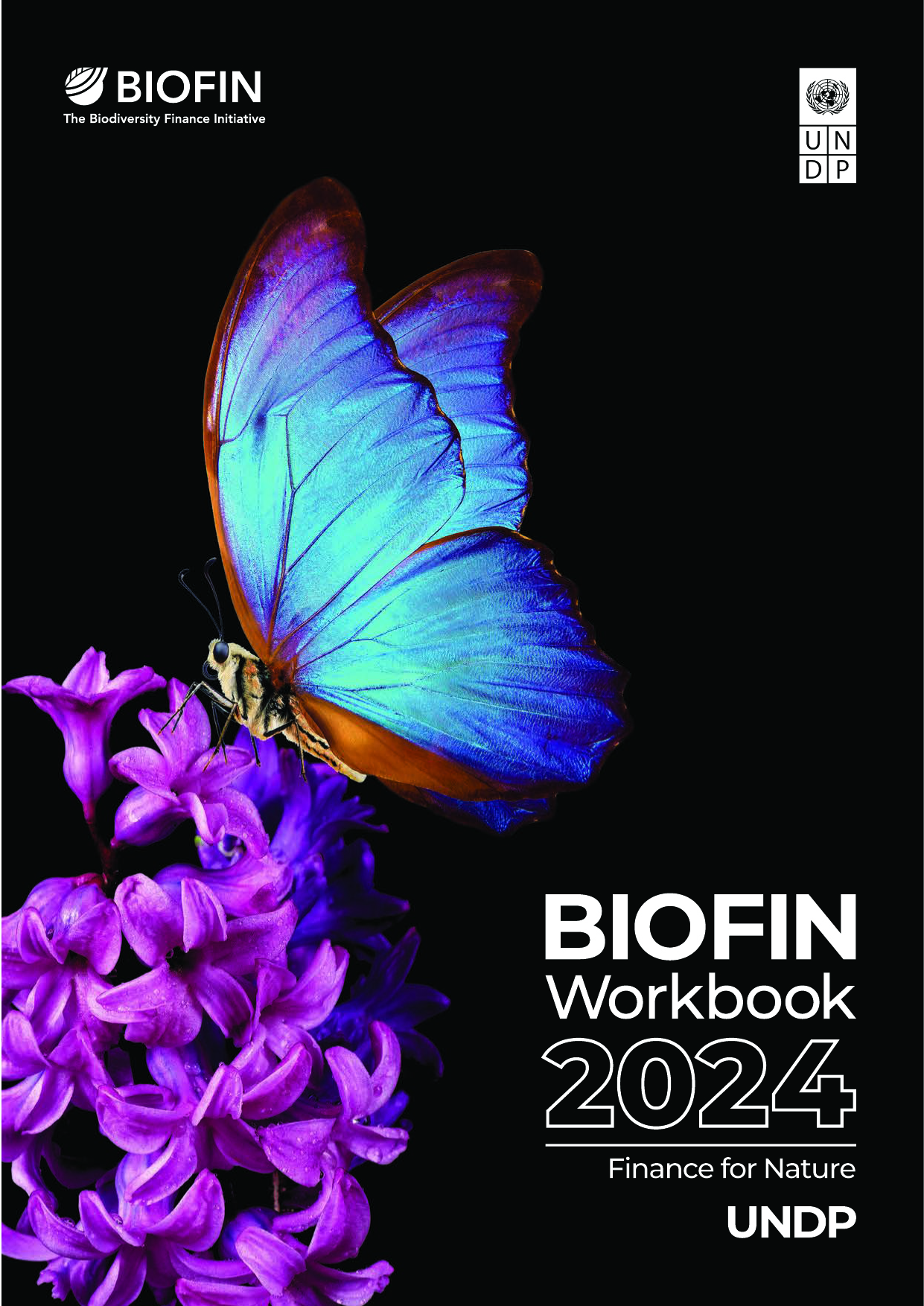
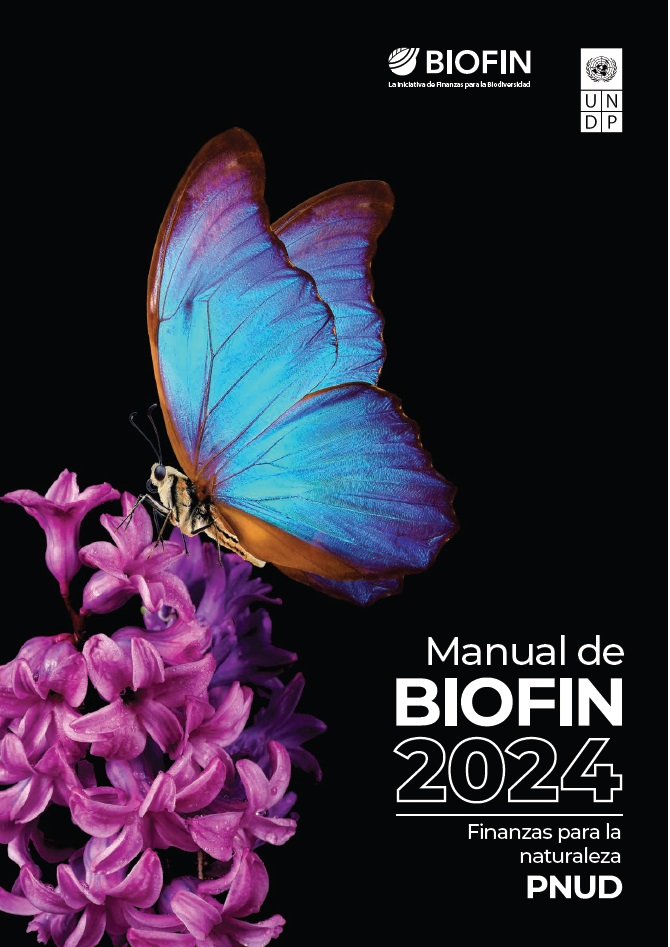
The BIOFIN Workbook 2024 provides detailed guidance to design and implement national biodiversity finance plans.  These are not mere plans. They set out a process to engage a coalition of actors around the issue of biodiversity finance for an extended time.
Publications

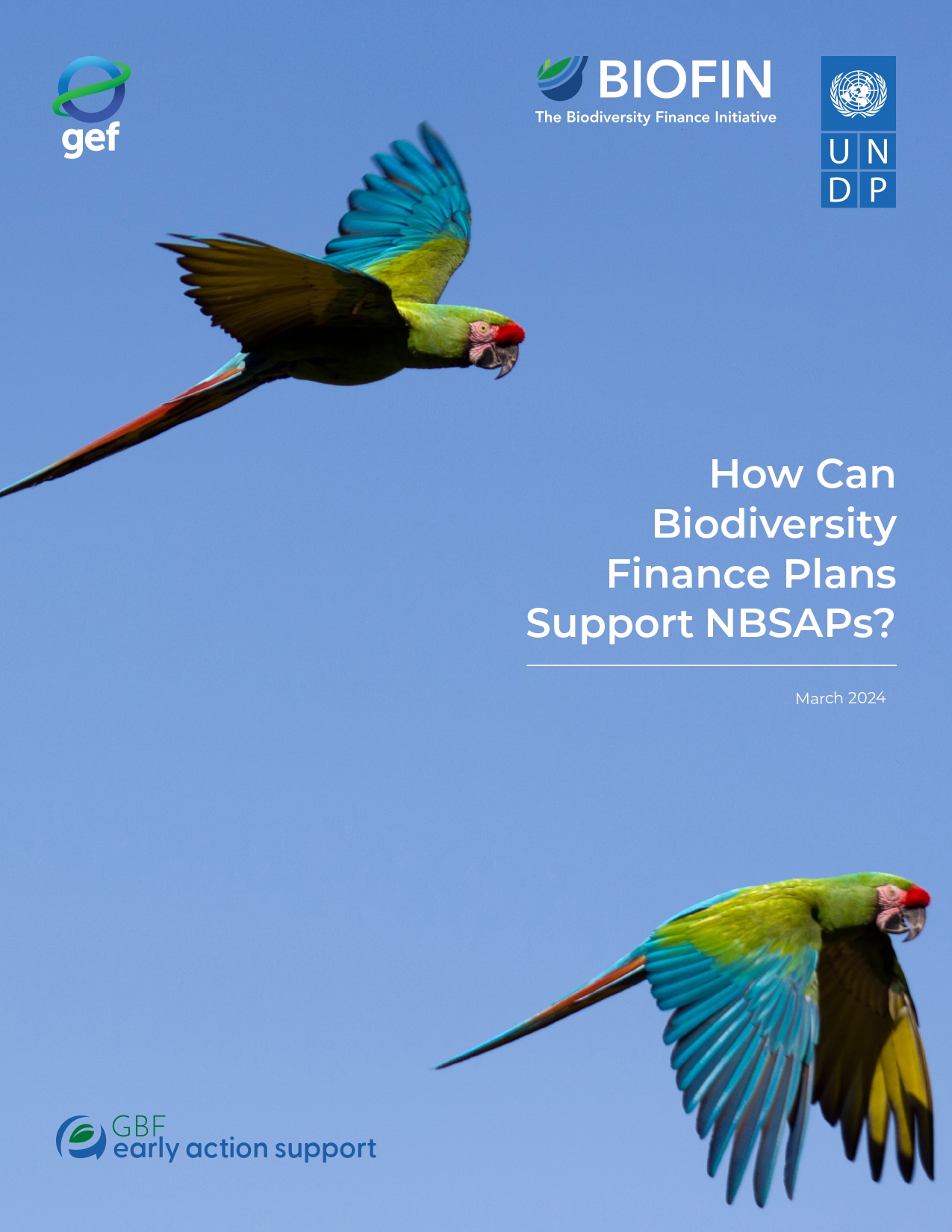
At the Conference of the Parties to the Convention on Biological Diversity 15 (CBD COP 15) in 2022, countries agreed to review and update their National Biodiversity Strategy and Action Plans
Publications

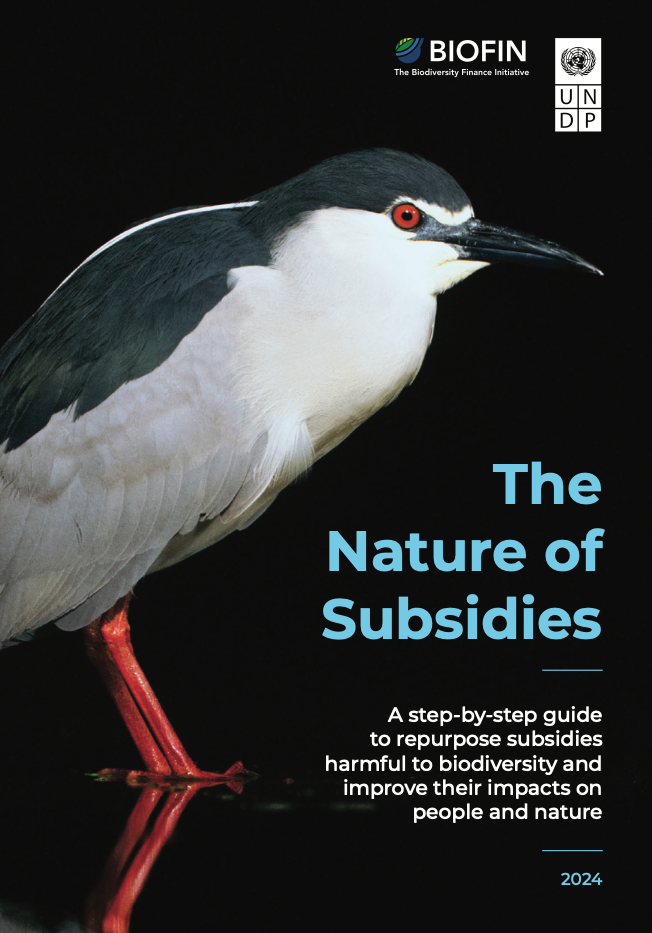
Well-intentioned subsidies aimed at socio-economic goals can have unintended negative impacts on the environment, including biodiversity. The BIOFIN team has developed a step-by-step guide to repurpose such subsidies and improve their positive impacts on people and nature.
Publications

The Kunming-Montreal Global Biodiversity Framework (GBF) calls for a whole-of-society approach to halting and reversing nature loss.

Publications

The Little Book of Investing in Nature provides an essential overview of the area of biodiversity finance at a time when governments and international negotiators are urgently seeking pragmatic solutions for the twin crises of climate change and the loss of nature.

E-LEARNING

Learning for nature: our free biodiversity finance certified e-learning course

Take our free biodiversity finance certified e-learning course. Master the methodology, connect with experts, and gain certification.

Start E-Learning
Browse the Knowledge Platform
645 Results
Publications

As the global community intensifies efforts to address the twin crises of climate change and biodiversity loss, the integration of nature into financial decision-making has become an urgent priority. The Taskforce on Nature-related Financial Disclosures (TNFD) offers a transformative framework to help countries and companies identify, assess, and disclose nature-related risks and opportunities. Rwanda, a nation globally recognized for its environmental leadership and green growth ambitions, is now taking bold steps to align its financial systems with this emerging global standard.

This policy brief, titled “Is Rwanda Ready for Nature-Related Financial Disclosures?”, provides a comprehensive assessment of the country’s readiness to adopt and implement TNFD-aligned reporting. It explores the institutional, regulatory, and market foundations that are already in place, while identifying critical gaps and opportunities for action.

Rwanda’s economy is deeply intertwined with nature. Over 70% of the population depends on agriculture, and key sectors such as tourism, energy, and water management rely heavily on healthy ecosystems. Yet, the country faces escalating nature-related risks—from land degradation and water stress to biodiversity loss—driven by climate change and unsustainable land use. Recognizing these challenges, Rwanda has made significant progress in valuing its natural capital through initiatives like Natural Capital Accounting (NCA), the Rwanda Green Taxonomy, and the Biodiversity Expenditure Review.

The brief highlights Rwanda’s robust legal and policy architecture, including the leadership of the National Bank of Rwanda (BNR) and the Capital Market Authority (CMA) in embedding sustainability into financial regulation. New guidelines aligned with IFRS S1 and S2 are paving the way for mandatory sustainability disclosures, while institutions like rwanda Environmental Managemnet Authority (REMA), rwanda Green Fund (RGF), and ICPAR are supporting implementation through technical expertise and capacity-building.

However, the transition to nature-related financial disclosure is still in its early stages. Most financial institutions do not yet assess biodiversity risks or use nature-based metrics in investment decisions. Data systems remain fragmented, and market awareness of TNFD principles is limited. To address these challenges, the brief proposes a phased roadmap grounded in international best practices, emphasizing institutional coordination, regulatory reform, data infrastructure, and stakeholder engagement.

This policy brief is both a diagnostic and a call to action. It underscores Rwanda’s potential to become a regional leader in nature-positive finance, provided it accelerates the institutionalization of nature-related risk management. With strong political will, a growing green finance ecosystem, and support from global partners like UNDP BIOFIN, Rwanda is well-positioned to align its financial systems with the needs of a sustainable, resilient future.

We invite policymakers, financial institutions, development partners, and civil society to engage with the findings and recommendations of this brief. Together, we can ensure that nature is not only protected but also valued as a cornerstone of Rwanda’s economic development.

Videos

Governments around the world spend an estimated US$500 billion every year on subsidies that harm biodiversity — from agriculture and energy to fisheries and infrastructure. While these subsidies often aim to support food security, jobs, or economic growth, many unintentionally damage ecosystems and undermine long-term prosperity.

Under Target 18 of the Kunming-Montreal Global Biodiversity Framework, countries committed to reforming and progressively reducing harmful incentives by 2030.

In this video, UNDP’s Biodiversity Finance Initiative (BIOFIN) explains how countries can identify, assess, and redesign subsidies to make them fiscally responsible and nature-positive, using a practical step-by-step methodology. The approach ensures reforms are fair, people-centred, and aligned with both biodiversity and climate goals.

Redirecting harmful subsidies isn’t just an environmental priority — it’s smart economic policy. 

Publications

Biodiversity loss is accelerating due to human activities, posing serious risks to ecosystems, economies, and societies. Adopted in 2022, the Kunming-Montreal Global Biodiversity Framework sets ambitious targets to halt and reverse nature loss by 2030, calling for coordinated action across all sectors. As public finance alone is insufficient, greater private sector engagement is critical. Businesses and financial institutions are increasingly expected to adopt nature-positive practices, assess and disclose nature-related risks, and align financial decision-making with global standards such as Taskforce on Nature-related Financial Disclosures, International Sustainability Standards Board, the Global Reporting Initiative, and the Corporate Sustainability Reporting Directive, responding also to growing consumer demand for sustainable and responsible practices.

Multimedia

Namibia’s rich biodiversity is a cornerstone of its natural heritage, economy, and cultural identity. This biodiversity factsheet provides a clear, accessible overview of the country’s unique ecosystems, species, and conservation efforts, enabling decision-makers, educators, researchers, and the public to understand what is at stake.

By summarizing key information in one place, the factsheet helps raise awareness of the value of biodiversity. It also serves as an advocacy and communication tool to attract investment, encourage sustainable resource use, and strengthen Namibia’s profile in regional and global conservation initiatives.

Publications

This policy brief is the result of a study conducted to assess Madagascar's preparedness for nature-related financial disclosures. Through this study, the Malagasy government, with the support of UNDP-BIOFIN, has clarified the roles of the different financial authorities in nature-related financial disclosure, identified the public bodies best placed to collect information on biodiversity-related financing and risks from companies, and assessed the current state of impact or CSR reporting practices of Malagasy companies. Although the study shows that Madagascar is not very advanced in this area, stakeholders (government, partners, private sector, etc.) are aware of the importance of taking progressive steps towards greater transparency in order to preserve Madagascar's unique biodiversity.

Publications

The Biodiversity Financial Needs Assessment (FNA) provides a systematic estimate of the financial resources required for Egypt to achieve its national biodiversity targets and compares these needs with projected biodiversity expenditures to identify the financing gap. Developed using the BIOFIN methodology and aligned with the Policy and Institutional Review (PIR), Biodiversity Expenditure Review (BER), and Egypt’s National Biodiversity Strategy and Action Plan (NBSAP), the FNA supports evidence-based prioritization of biodiversity actions. By assessing national strategies and plans related to biodiversity, climate, and sustainable development, the FNA highlights the scale of investment required to effectively implement biodiversity objectives and integrate them into broader development planning.

The assessment shows that current and projected biodiversity spending is insufficient to meet national conservation goals, pointing to a persistent financing gap that constrains effective implementation. Given increasing pressures from habitat degradation, pollution, climate change, and unsustainable resource use, closing this gap is critical to safeguarding Egypt’s ecosystems and natural capital. The FNA emphasizes the need for a diversified and strategic approach to biodiversity financing, including mobilizing additional public and private resources, improving the allocation and efficiency of existing expenditures, strengthening public–private partnerships, and reinforcing governance and policy frameworks to ensure long-term, sustainable financing for biodiversity conservation.

Publications

The Tiger Landscapes Investment Fund (TLIF) has been developed and is being operationalized in response to the urgent need to channel private sector investments into businesses that contribute to the protection, restoration, and sustainable management of tiger landscapes, while enhancing financial sustainability and delivering durable, positive biodiversity outcomes. 

The Tiger Landscapes Investment Fund aims to design and deploy an innovative, fit-for-purpose financing mechanism. Since the challenges and opportunities associated with the sustainable financing of biodiversity vary among countries, the mechanism should fit within each country’s context.

Guidelines

Discover how the Cali Fund offers a novel, fair, and transparent financing mechanism for biodiversity conservation. This short guide explains who should contribute, what counts as Digital Sequence Information (DSI), how contributions are determined, and why investing in the Cali Fund supports science, biodiversity, and communities.

Podcast

Eva Bortolotti, Programme Specialist for Nature Finance at UNDP, talks to Mauricio Gámez, Deputy Director for Climate Change and Nature at Grupo Financiero Banorte, Mexico’s leading financial group. Together, they explain how Banorte is integrating nature-related risks and opportunities into its core business, becoming the first Mexican early adopter of the Taskforce on Nature-related Financial Disclosures (TNFD) framework. 

Publications

National Biodiversity Offset Report was developed based on the inputs and lessons generated from BIOFIN implementation and lessons learnt by key national partners including Department of Forestry Fisheries and the Environment, South African National Biodiversity Institution and South African National Parks.

Podcast

Filmed on location at the Global Biodiversity Finance Conference in Santiago, Chile, UNDP's top leadership in biodiversity finance discusses global trends affecting nature conservation. Onno van den Heuvel, UNDP Global Nature Finance lead; Martin Cadena, BIOFIN Programme Manager; and Mariana Bellot, Global Programme Manager at the GBFP, reflect on the future of biodiversity finance in an era of global uncertainty. In this conversation, the speakers share insights on the declining levels of global Official Development Assistance (ODA), the urgent need to mobilize diverse sources of finance for nature, and the progress countries are making in developing and implementing National Biodiversity Finance Plans (NBFPs).

At the UN Biodiversity Conference (COP16) in Colombia, countries adopted the long-awaited Resource Mobilization Strategy of the Convention on Biological Diversity. As Onno stressed, this milestone signals that finance must come from all sources—public and private, domestic and international, traditional and innovative. 

Publications

This policy brief presents a financial solution designed to enhance biodiversity conservation through improved community forest management in Nepal’s transboundary biological corridors. Despite managing over one-third of the country’s forest area, community forest user groups often face trade-offs between conservation and livelihoods, with limited financial resources and biodiversity integration in their management plans.

The finance solution aims to mainstream biodiversity into 50 community forest user groups by:

  • Revising operational and financial plans,
  • Training 200 individuals in sustainable forest and finance management,
  • Increasing biodiversity-related expenditure and investment,
  • Strengthening local capacities and stakeholder engagement.

Piloted in the Terai Arc Landscape, the approach prioritizes meaningful community participation, knowledge sharing, and the development of sustainable business culture in forest management. With lessons learned from this pilot, the model can be scaled across Nepal’s 23,000+ forest user groups—helping close the biodiversity finance gap and support both people and nature.

📄 Download the full publication

BIOFIN Videos
SEE ALL