Knowledge Base

Knowledge Hub

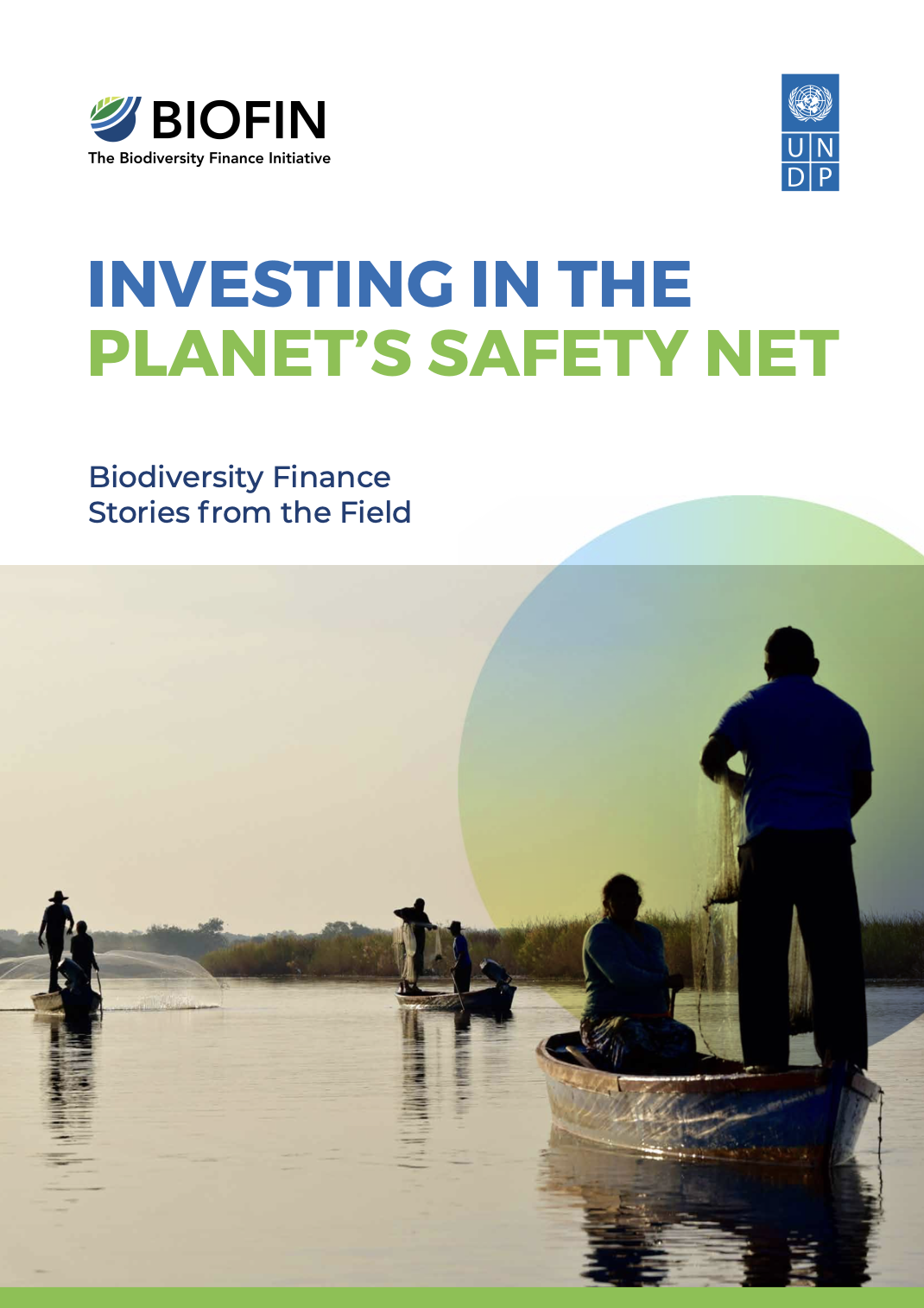
Access BIOFIN's library of resources, including flagship publications, country reports, finance solution case studies, webinars, explainer videos, podcasts, and more.

Key Publications
Publications

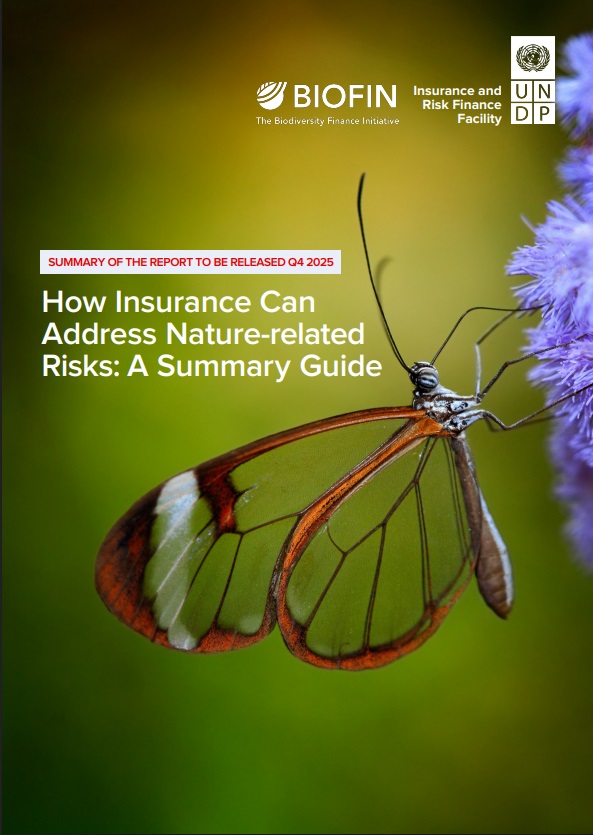
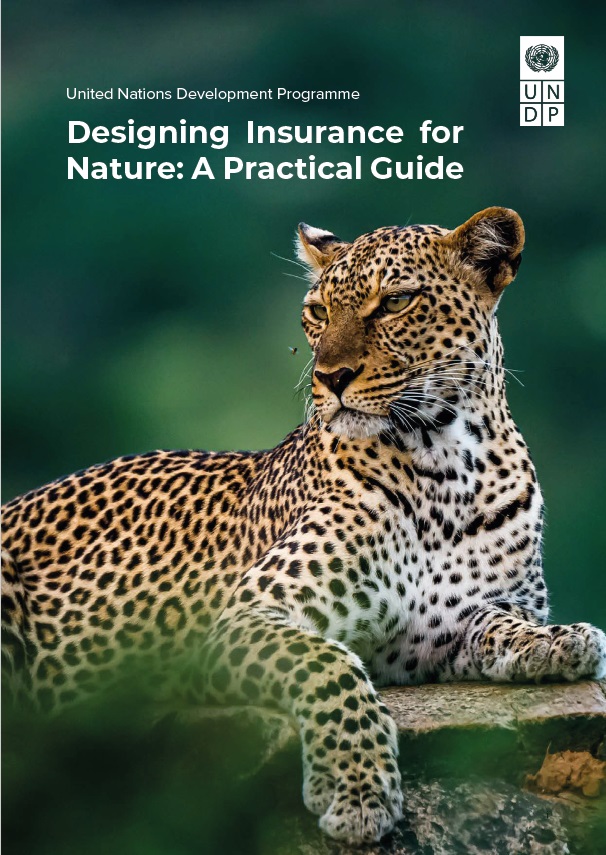
Insurance can play a crucial role in biodiversity conservation by providing financial protection against risks to natural assets, incentivizing sustainable practices, and securing key investments.
Publications

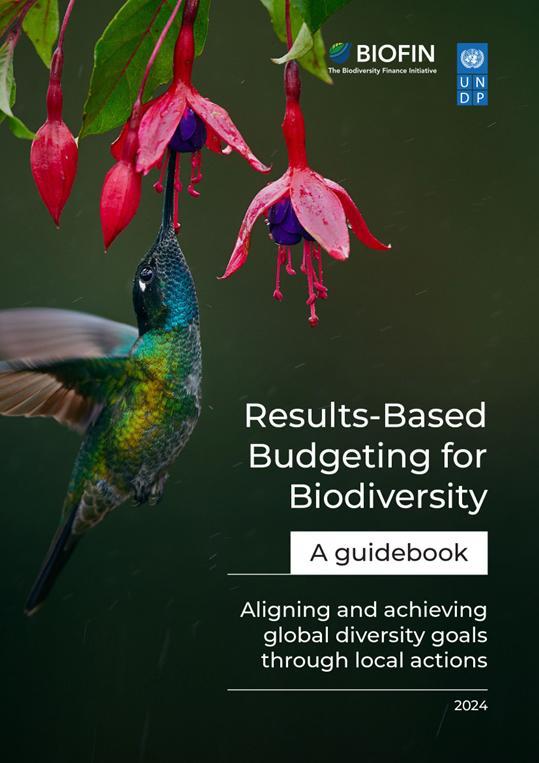
In 2022, countries adopted new global biodiversity targets under the Kunming-Montreal Global Biodiversity Framework (GBF), revisiting many goals that had gone unachieved or underachieved over the past decade.
Publications

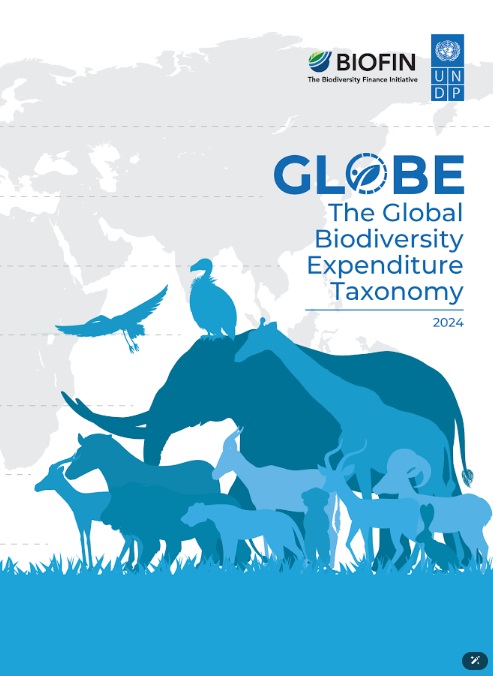
Global Biodiversity Expenditure (GLOBE) is a taxonomy that categorizes all potential public expenditures for biodiversity.

The taxonomy consists of two components:
Publications

The BIOFIN Workbook 2024 provides detailed guidance to design and implement national biodiversity finance plans.  These are not mere plans. They set out a process to engage a coalition of actors around the issue of biodiversity finance for an extended time.
Publications

At the Conference of the Parties to the Convention on Biological Diversity 15 (CBD COP 15) in 2022, countries agreed to review and update their National Biodiversity Strategy and Action Plans
Publications

Well-intentioned subsidies aimed at socio-economic goals can have unintended negative impacts on the environment, including biodiversity. The BIOFIN team has developed a step-by-step guide to repurpose such subsidies and improve their positive impacts on people and nature.
Publications

The Kunming-Montreal Global Biodiversity Framework (GBF) calls for a whole-of-society approach to halting and reversing nature loss.

Publications

The Little Book of Investing in Nature provides an essential overview of the area of biodiversity finance at a time when governments and international negotiators are urgently seeking pragmatic solutions for the twin crises of climate change and the loss of nature.

E-LEARNING

Learning for nature: our free biodiversity finance certified e-learning course

Take our free biodiversity finance certified e-learning course. Master the methodology, connect with experts, and gain certification.

Start E-Learning
Browse the Knowledge Platform
645 Results
Publications

The brochure for the BIOFIN Extended Phase 2 in India, running from 2021-2025.

Publications

El presente documento pretende guiar a las Instituciones Cooperativas de ahorro y Crédito (CAC), en la construcción de elementos pragmáticos en la incorporación de metodología ampliamente aceptada sobre administración de riesgos ambientales y sociales (SARAS).

Case Studies

Biodiversity financing --crowdfunding with Krungthai bank creating livelihood for boat owners who have lost jobs in COVID to redeploy to marine conservation, cash-for-work programme with conservation element at Koh Tao Island, Surat Thani province.

Publications

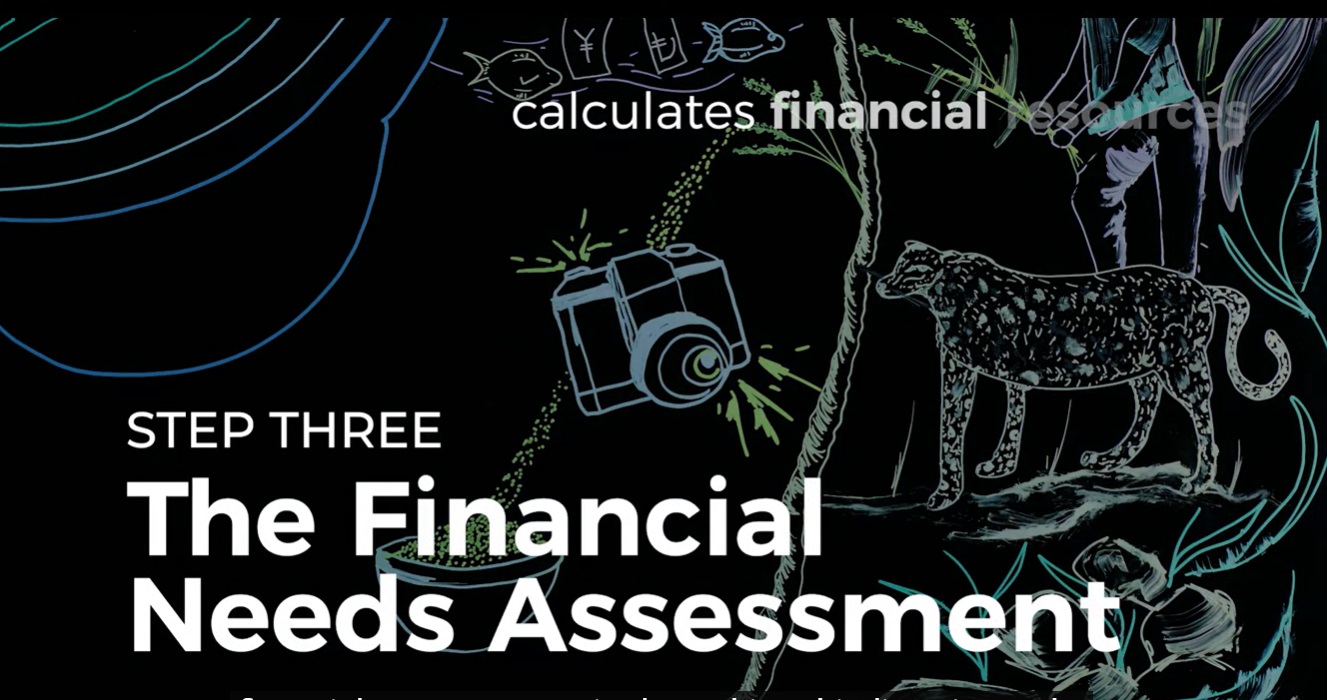
A Financial Needs Assessment is a comprehensive estimate and analysis of the financial resources needed to fully implement the biodiversity-related activities in a country to achieve its national and sub-national biodiversity targets. By comparing the expenditure on biodiversity as identified in the Biodiversity Expenditure Review to the financial needed analyses based on organisations sampled, the financing gap is estimated to better inform the development of the Biodiversity Finance Plan which helps prioritising of biodiversity strategies and actions and build strong case for resource mobilisation.  

Publications

The Biodiversity Finance Plan builds upon the Biodiversity Expenditure Review and the Financial Needs Assessment, is an 8-year resource mobilisation plan to make biodiversity financing a national priority and biodiversity needs are fully addressed in a timely and appropriate manner by 2025. It proposed nine innovative solutions to address biodiversity financing needs and achieve the National Policy on Biological Diversity. 

Publications

Inception Report on 'Developing a resource mobilisation strategy for implementing a State Biodiversity Strategy and Action Plan of Uttarakhand and demonstration of select financial solutions for conservation of the snow leopard landscape, Gangotri-Govind and Darma Byans Valley in Uttarakhand, under the GoI-UNDP project on SECURE Himalaya.

Publications

The "Biodiversity Strategy and Action Plan (BSAP) for Himachal Pradesh and the Resource Mobilisation Strategy for Implementing the BSAP with Special Focus on Lahaul-Pangi and Kinnaur Landscapes” covers important issues around conservation of biodiversity in Himachal Pradesh through an exhaustive research including field visits and stakeholder consultations. The empirical analysis and investigations have led to a number policy recommendations which will be extremely useful to the central government and the government of Himachal Pradesh in their efforts to improve the status of biodiversity, natural resources and ecosystem services in the state and the identified landscapes

Publications

Identification and analysis of the key building blocks for a Biodiversity Finance Plan in India, including identification of revenue sources and type of instruments used to mobilise capital for biodiversity at the central government level and mapping revenue flows to the central government from biodiversity. 

Publications

The state of Uttarakhand is most vulnerable to climate mediated risks. Mountainous regions are vulnerable to climate change and have shown “above average warming” in the 20th century. The Uttarakhand Action Plan on Climate Change (UAPCC) has been formulated in accordance with the principles and guidelines of the National Action Plan on Climate Change (NAPCC). The UAPCC integrates the action plan of Uttarakhand with the ongoing and proposed developmental programmes in the state, and in tandem with the eight national missions along with the principles and guidelines listed out in the NAPCC.

Publications

The “Biodiversity Strategy and Action Plan (BSAP) of Sikkim and the Resource Mobilisation Strategy for implementing the BSAP with the focus on Khangchendzonga – Upper Teesta Valley” covers important issues around conservation of biodiversity in Sikkim, India, undertaken through exhaustive research including desk based, empirical and policy research, field visits and stakeholder consultations. The empirical analysis and investigations have enabled a number of policy recommendations which will be extremely useful to the central government and the government of Sikkim in their efforts to improve the status of biodiversity, natural resources and ecosystem services in the state and the identified landscapes.

Publications

A Biodiversity Expenditure Review is focused on all types of expenditure contributing to sustainable biodiversity protection and management. Along with the public-sector expenditures, private sector spending and spending by international donor organizations, and NGOs are analyzed. Based on these analyses, there are calculated total expenditure figures, useful to summarize the BD financing trends and status on national level. 

Publications

La biodiversidad, en su sentido más amplio, es la riqueza de la vida en la Tierra. En el Convenio sobre la Diversidad Biológica (CDB), se define como “la variabilidad de organismos vivos de cualquier fuente, incluidos, entre otras cosas, los ecosistemas terrestres y marinos y otros ecosistemas acuáticos y los complejos ecológicos de los que forman parte; comprende la diversidad dentro de cada especie, entre las especies y de los ecosistemas ”. La biodiversidad ocurre en todos los niveles –genético, especies y ecosistemas– y se ejemplifica comúnmente con la amplia variedad de especies de plantas, animales y microorganismos que existen en el planeta. Hasta la fecha se han descubierto y documentado alrededor de 1.8 millones de especies diferentes (Vié et al. 2009), pero este número apenas roza la superficie; la mejor estimación de trabajo del número total de especies en la Tierra, documentadas y sin documentar, es de alrededor de 8 millones, el 75% de las cuales son insectos (IPBES 2019).

BIOFIN Videos
SEE ALL