Knowledge Base

Knowledge Hub

Access BIOFIN's library of resources, including flagship publications, country reports, finance solution case studies, webinars, explainer videos, podcasts, and more.

Key Publications
Publications

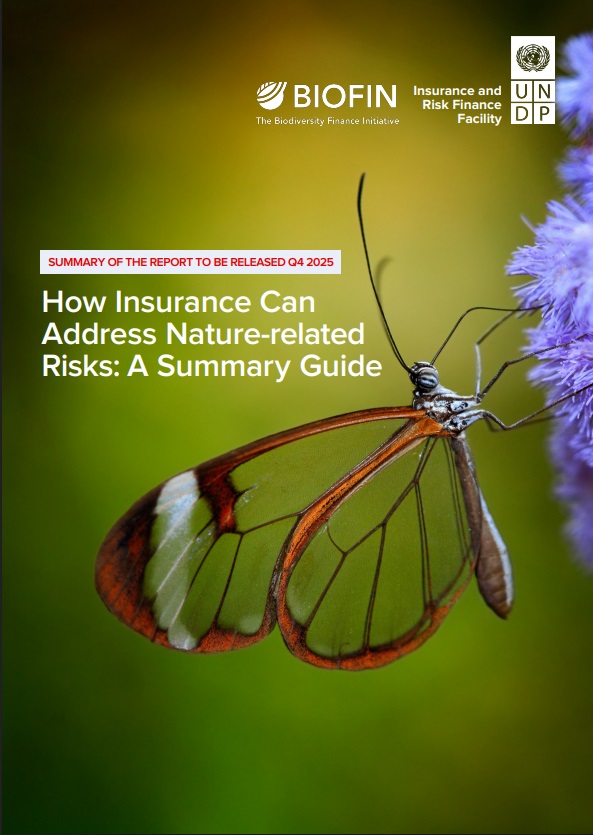
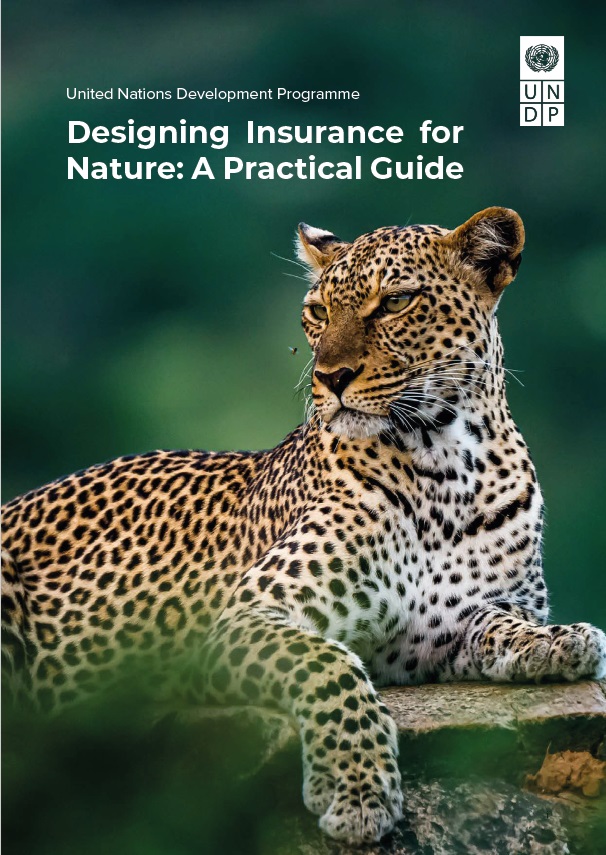
Insurance can play a crucial role in biodiversity conservation by providing financial protection against risks to natural assets, incentivizing sustainable practices, and securing key investments.
Publications

In 2022, countries adopted new global biodiversity targets under the Kunming-Montreal Global Biodiversity Framework (GBF), revisiting many goals that had gone unachieved or underachieved over the past decade.
Publications

Global Biodiversity Expenditure (GLOBE) is a taxonomy that categorizes all potential public expenditures for biodiversity.

The taxonomy consists of two components:
Publications

The BIOFIN Workbook 2024 provides detailed guidance to design and implement national biodiversity finance plans.  These are not mere plans. They set out a process to engage a coalition of actors around the issue of biodiversity finance for an extended time.
Publications

At the Conference of the Parties to the Convention on Biological Diversity 15 (CBD COP 15) in 2022, countries agreed to review and update their National Biodiversity Strategy and Action Plans
Publications

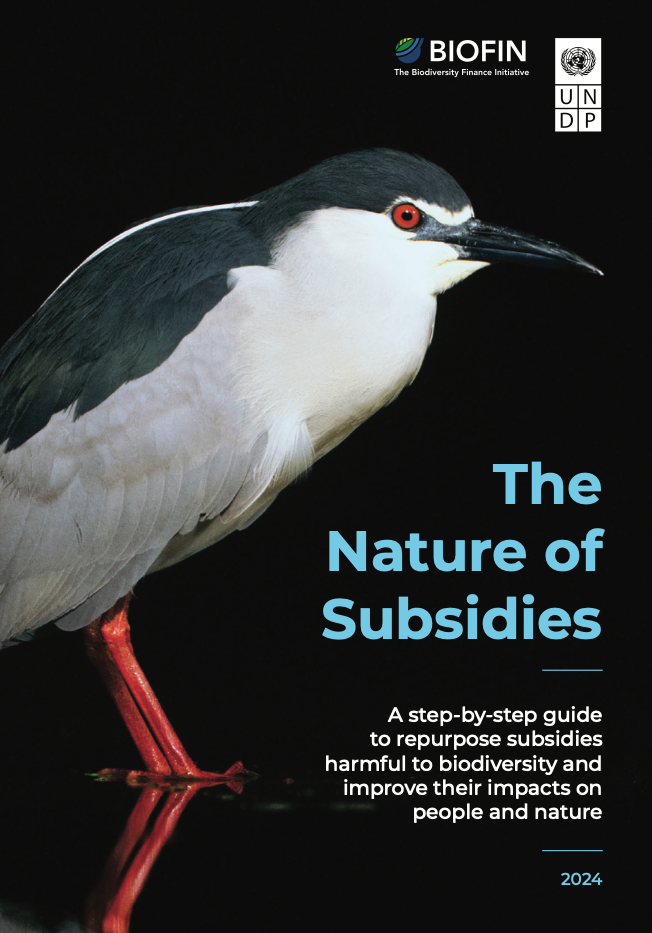
Well-intentioned subsidies aimed at socio-economic goals can have unintended negative impacts on the environment, including biodiversity. The BIOFIN team has developed a step-by-step guide to repurpose such subsidies and improve their positive impacts on people and nature.
Publications

The Kunming-Montreal Global Biodiversity Framework (GBF) calls for a whole-of-society approach to halting and reversing nature loss.

Publications

The Little Book of Investing in Nature provides an essential overview of the area of biodiversity finance at a time when governments and international negotiators are urgently seeking pragmatic solutions for the twin crises of climate change and the loss of nature.

E-LEARNING

Learning for nature: our free biodiversity finance certified e-learning course

Take our free biodiversity finance certified e-learning course. Master the methodology, connect with experts, and gain certification.

Start E-Learning
Browse the Knowledge Platform
645 Results
Publications

El documento presenta la primera versión de una propuesta para movilizar recursos para el manejo de las áreas protegidas a partir de la reincorporación de tarifas de ingreso de visitantes. Expone además el análisis jurídico que viabiliza la gestión de cobro.

Publications

The BIOFIN Integrated Report gives an overview of Phase 1 of the BIOFIN Malaysia (2014 – 2019). It highlights results from the expenditure review and financial needs assessment that have been mapped to the goals and targets of National Policy on Biological Diversity, providing valuable information and recommendations to policy planners and financial decision-makers to better formulate their policy goals and prioritise actions to reach the NPBD goals.

Publications

The BIOFIN Integrated Report gives an overview of Phase 1 of the BIOFIN Malaysia (2014 – 2019). It highlights results from the expenditure review and financial needs assessment that have been mapped to the goals and targets of National Policy on Biological Diversity, providing valuable information and recommendations to policy planners and financial decision-makers to better formulate their policy goals and prioritise actions to reach the NPBD goals.

Publications

We suggest to your attention the Biodiversity Finance Plan of the Kyrgyz Republic summariz-ing the results of the first phase of the UNDP BIOFIN project. This project laid the groundwork for the pub-lic discussions on environmental finance issues: fi-nanciers and environmentalists reached an under-standing and began to use the same language. For many years it has been recognized that one of the causes of environmental degradation is the lack of funding for environmental protection measures. Thanks to the platform organized by the BIOFIN pro-ject, the Ministry of Finance of the Kyrgyz Republic for the first time acts as a leading body in integrating environmental issues and biodiversity conservation into budget planning and resource mobilization.

Publications

Due to its wealth of biodiversity, Viet Nam has been acknowledged as one of the most prioritized countries for global conservation, which has been reflected in its three main values: maintaining ecological functions (environmental protection), delivering economic supplies (direct use), and providing for socio-cultural engagement (Ministry of Natural Resources and Environment, 2008).

A number of Protected Areas (PAs) in Viet Nam today are globally and regionally recognized, including 8 Ramsar sites, 9 World Biosphere Reserves, 2 World Natural Heritage Sites, 1 World Cultural and Natural Heritage Site, and 5 ASEAN Heritage Parks. Furthermore, there are currently 63 Important Bird and Biodiversity Areas (IBAs) in Viet Nam.

In Viet Nam, biodiversity brings direct and indirect benefits to humans, contributing substantially to the national economy, especially for sectors such as agriculture, forestry, and fisheries; ensuring food security; maintaining genetic resources for farming animals and crops; and providing construction materials, pharmaceutical materials, and food. In addition, ecosystems play an important role in climate regulation and environmental protection. Biodiversity has also been a cultural and artistic inspiration to humanity for millennia (MoNRE, 2013).

According to the Policy and Institutional Review (PIR) (UNDP, 2018), economically, biodiversity contributes directly or indirectly to many sectors, households, and firms. In the agricultural sector,3 about 20 million people rely on fisheries, exploiting more than 300 marine species and more than 50 species of economically valuable freshwater fish, while 25 million people living in or near the forests earn 20-50% of their income from harvesting non-timber forest products (NTFPs), including medicinal plants and rubber. As such, there is a great reliance on products and services provided by biodiversity and ecosystems.

As also stated in the PIR Report, the beautiful biodiversity and terrestrial and coastal landscapes and islands are the foundation for Viet Nam's rapidly expanding tourism industry. Ecotourism is becoming more popular in Nature Reserves (NRs), encouraging education on natural protection and benefiting local people who provide tourism services. About 70% of Viet Nam's rapid tourism growth is occurring in coastal areas and areas with natural ecosystems characterized by high biodiversity. From 2010 to 2016, domestic tourists increased from 28 million to 62 million, and foreign tourists increased from 5 to 10 million. Tourists spend between VND 96,000 billion and VND 400,000 billion. It is estimated that high biodiversity value areas, including National Parks (NPs), PAs, and Landscape PAs, attract 40%-60% of tourists and have earned 20% of their spending.

Multimedia
Multimedia
Multimedia
Multimedia
Multimedia
Publications

The Massive Open Online Course on Biodiversity Finance took place on 15 April - 31 May 2019. It brought together 3,371 participants from 170 countries, and concluded with a 19% completion rate and more than 4,000 engagements on the course forums.

Publications

The Massive Open Online Course on Biodiversity Finance took place on 15 April - 31 May 2019. It brought together 3,371 participants from 170 countries, and concluded with a 19% completion rate and more than 4,000 engagements on the course forums.

BIOFIN Videos
SEE ALL