Knowledge Base

KNOWLEDGE HUB

Knowledge Hub

Access BIOFIN's library of resources, including flagship publications, country reports, finance solution case studies, webinars, explainer videos, podcasts, and more.

Key Publications
Publications

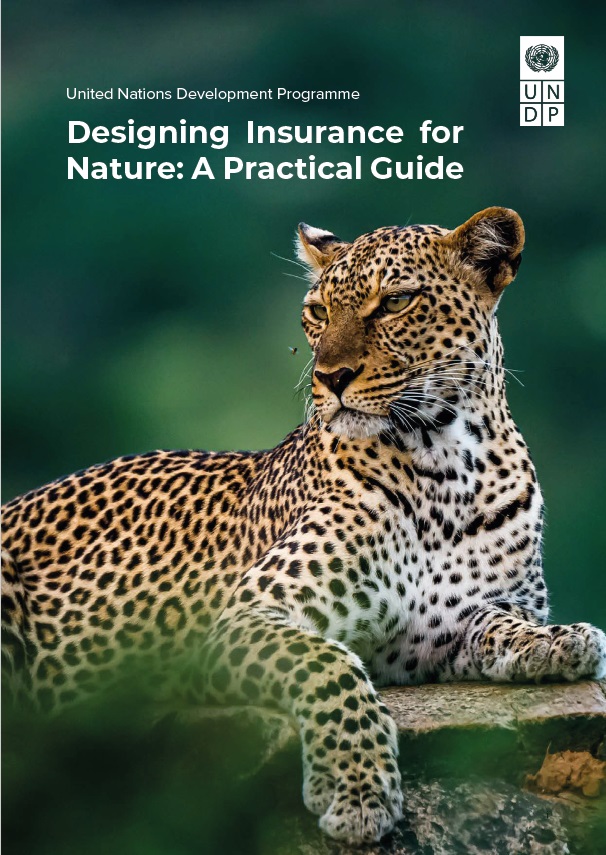
Insurance can play a crucial role in biodiversity conservation by providing financial protection against risks to natural assets, incentivizing sustainable practices, and securing key investments.
Publications

In 2022, countries adopted new global biodiversity targets under the Kunming-Montreal Global Biodiversity Framework (GBF), revisiting many goals that had gone unachieved or underachieved over the past decade.
Publications

Global Biodiversity Expenditure (GLOBE) is a taxonomy that categorizes all potential public expenditures for biodiversity.

The taxonomy consists of two components:
Publications

The BIOFIN Workbook 2024 provides detailed guidance to design and implement national biodiversity finance plans.  These are not mere plans. They set out a process to engage a coalition of actors around the issue of biodiversity finance for an extended time.
Publications

At the Conference of the Parties to the Convention on Biological Diversity 15 (CBD COP 15) in 2022, countries agreed to review and update their National Biodiversity Strategy and Action Plans
Publications

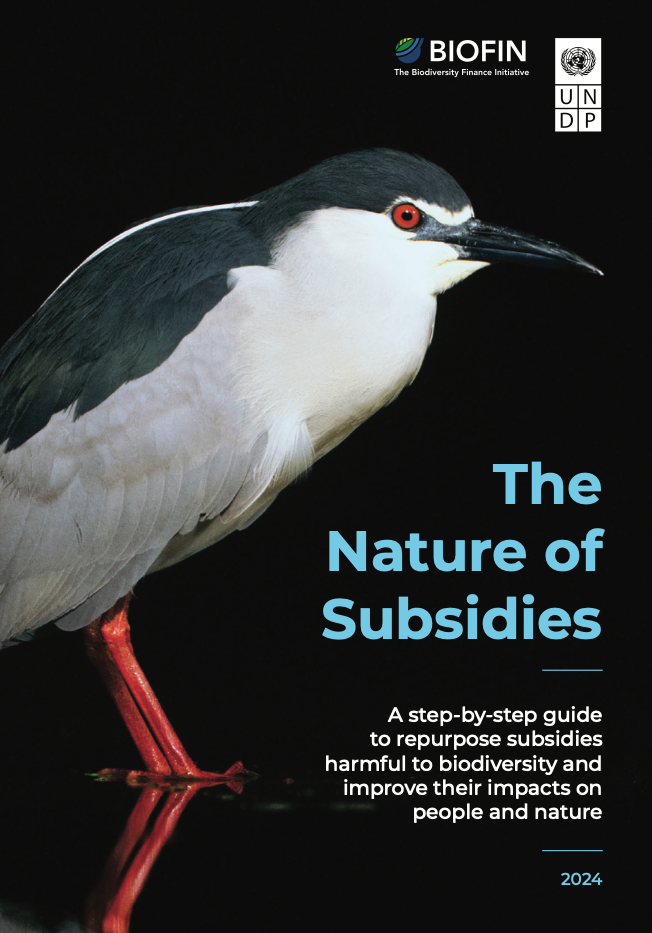
Well-intentioned subsidies aimed at socio-economic goals can have unintended negative impacts on the environment, including biodiversity. The BIOFIN team has developed a step-by-step guide to repurpose such subsidies and improve their positive impacts on people and nature.
Publications

The Kunming-Montreal Global Biodiversity Framework (GBF) calls for a whole-of-society approach to halting and reversing nature loss.

Publications


The Little Book of Investing in Nature provides an essential overview of the area of biodiversity finance at a time when governments and international negotiators are urgently seeking pragmatic solutions for the twin crises of climate change and the loss of nature.

E-LEARNING

Learning for nature: our free biodiversity finance certified e-learning course

Take our free biodiversity finance certified e-learning course. Master the methodology, connect with experts, and gain certification.

Start E-Learning
Browse the Knowledge Platform
636 Results
Publications

BIOFIN México apoya a CONAFOR y CONANP para atraer más recursos del sector privado y de gobiernos subnacionales

Publications

Based on an analysis of time series of budgets from 2008-2013 among agencies contributing to the 20 Aichi targets, the baseline financing for biodiversity in the Philippines was estimated at PHP 5 billion (or USD 110 million). The baseline financing for biodiversity represents 0.08% of GDP and 0.31% of the national budget for this period of analysis. From 2008-2013, the budget of the DENR was observed to be increasing at the rate of 23% per year. The biodiversity budget has been increasing at a faster rate of 34% per year for the same period, although its contribution to total budget is less than 20% of the total. In the DENR alone, budget allocation for biodiversity can increase from 4% to 16% by mainstreaming with other bureaus such as the Forest Management Bureau and the Ecosystems Research and Development Bureau. 


Local governments contribute PHP 0.5 billion pesos or USD 13 million based on protected area expenditures alone. Current funding levels for local governments comprise an average of 4% of the 20% development fund-representing share of national taxes.

Publications

The agreed methodology framework roots itself in the overarching purpose of influencing national budget and planning processes to integrate biodiversity and climate change concerns and of influencing private sector behaviour through appropriate financial mechanisms.

Publications

The current National Program on Biological Diversity, projected for the period 2016-2020, will be the main platform for action to implement the strategic objectives defined in the national environmental policy to address the loss of biological diversity in Cuba.

El presente Programa Nacional sobre la Diversidad Biológica, que se proyecta para el período 2016 - 2020, constituirá la principal plataforma de acción para la implementación de los objetivos estratégicos definidos en la política ambiental nacional para enfrentar la pérdida de la diversidad biológica en Cuba.
 

Webinars

BIOFIN Webinar Series: on Policy and Institutional Review

Publications
Publications

The FNA aimed to provide a cost estimate for implementing the recently revised NBSAP, and attempted to estimate the finance gap for biodiversity in the sector. The FNA indicated that major areas needing finance solutions were ecosystem restoration and protected area expansion and management. 

Multimedia

Video about BIOFIN in Mexico

Publications

This public and private Biodiversity Expenditure Review (BER) is one of the studies undertaken in Kazakhstan as part of the Biodiversity Finance Initiative (BIOFIN), which is being implemented 30 countries around the world. The aim of the analysis is to assess the amount, the area of focus and efficiency of allocated funds from all sources over the past 7 years (2008-2014).

Publications

The Financial Needs Assessment (FNA)1 is an assessment of the required expenses to achieve the national goals on biodiversity conservation in Kazakhstan and contains information on the expected cost of the implementation of the NBSAP and the expected financial gap. The first part of the FNA includes a description of targets and goals included in the NBSAP, a summary of the costs and a review of the timing for the implementation of actions. The second part of the FNA provides information on the one-time and recurring expenses, assessment of the “business as usual” financing scenario and calculation of the financial gap. 

Publications

The Biodiversity Finance Policy and Institutional Review forms a reference point for the whole BIOFIN process.  The document establishes a baseline of the national policy and institutional context in which the BIOFIN project is expected to expand biodiversity finance in Georgia.