Knowledge Base

KNOWLEDGE HUB

Knowledge Hub

Access BIOFIN's library of resources, including flagship publications, country reports, finance solution case studies, webinars, explainer videos, podcasts, and more.

Key Publications

Publications

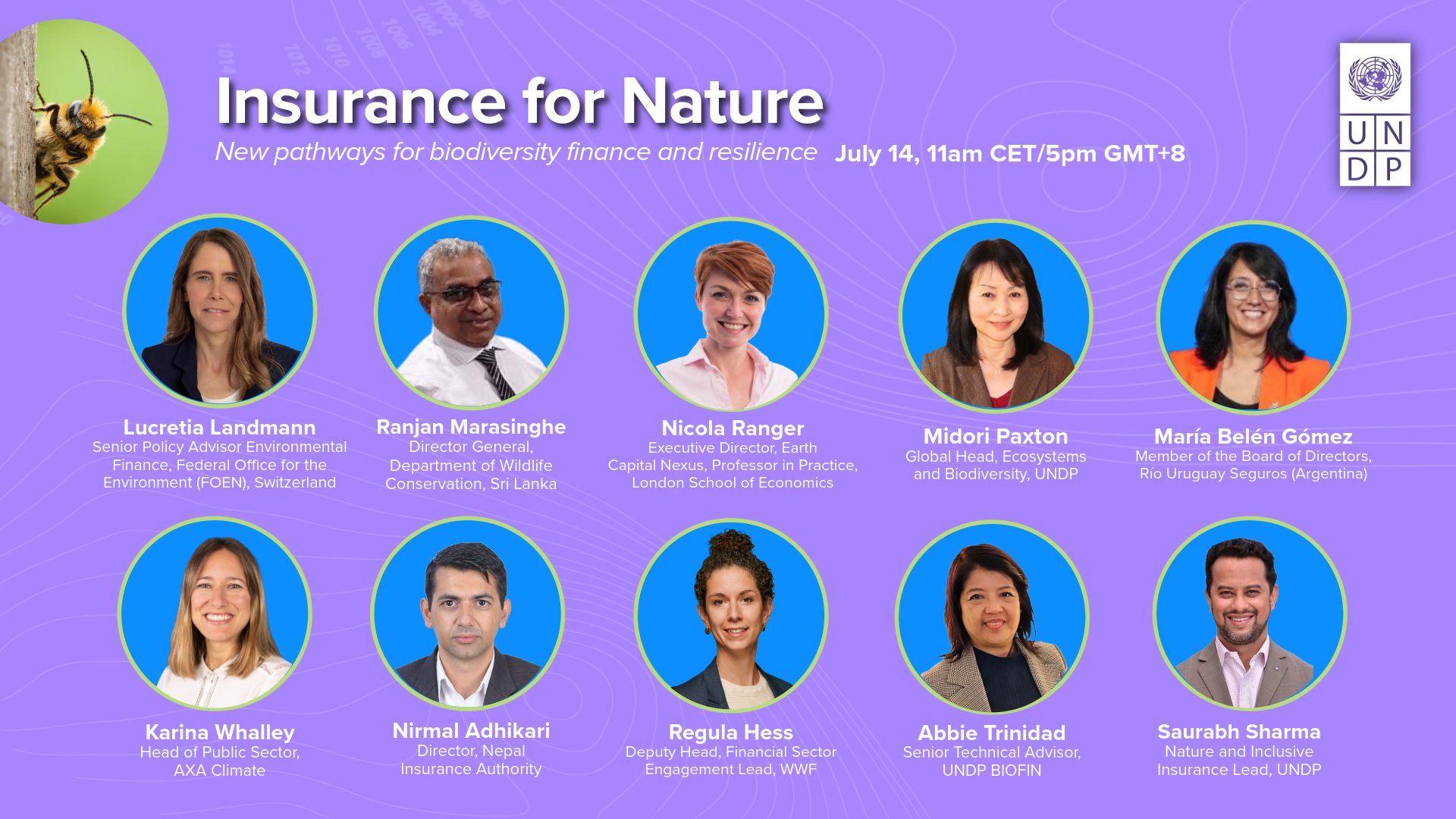
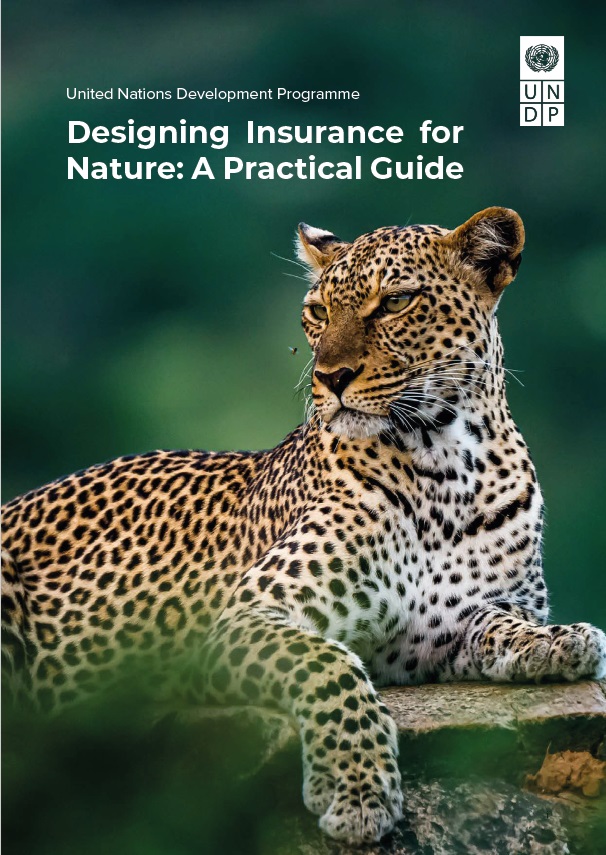
Insurance can play a crucial role in biodiversity conservation by providing financial protection against risks to natural assets, incentivizing sustainable practices, and securing key investments.

Publications

In 2022, countries adopted new global biodiversity targets under the Kunming-Montreal Global Biodiversity Framework (GBF), revisiting many goals that had gone unachieved or underachieved over the past decade.

Publications

Global Biodiversity Expenditure (GLOBE) is a taxonomy that categorizes all potential public expenditures for biodiversity.

The taxonomy consists of two components:

Publications

The BIOFIN Workbook 2024 provides detailed guidance to design and implement national biodiversity finance plans.  These are not mere plans. They set out a process to engage a coalition of actors around the issue of biodiversity finance for an extended time.

Publications

At the Conference of the Parties to the Convention on Biological Diversity 15 (CBD COP 15) in 2022, countries agreed to review and update their National Biodiversity Strategy and Action Plans

Publications

Well-intentioned subsidies aimed at socio-economic goals can have unintended negative impacts on the environment, including biodiversity. The BIOFIN team has developed a step-by-step guide to repurpose such subsidies and improve their positive impacts on people and nature.

Publications

The Kunming-Montreal Global Biodiversity Framework (GBF) calls for a whole-of-society approach to halting and reversing nature loss.

Publications


The Little Book of Investing in Nature provides an essential overview of the area of biodiversity finance at a time when governments and international negotiators are urgently seeking pragmatic solutions for the twin crises of climate change and the loss of nature.

E-LEARNING

Learning for nature: our free biodiversity finance certified e-learning course

Take our free biodiversity finance certified e-learning course. Master the methodology, connect with experts, and gain certification.

Start E-Learning

Browse the Knowledge Platform

15 Results
Publications


This report aims at identifying the required financing needs for the implementation of the Medium-term Action Plan /hereafter referred to as medium-term plan/ of the National Biodiversity Program (NBP) Mongolia. The financing needs have been defined by the identified activities, yearly needs and by NBP strategic areas. The financing gap for the implementation of the medium-term plan is estimated at 136.6 million MNT or 51.8 million USD.

It was estimated that 74.7-84.3% of the total required funding of the strategic areas #1 and #2 are deficient, which amounts to 95.7% of the total NBP financing gap. In contrast, the financing gap for strategic areas #3 and #4 is relatively small. Nevertheless, funding the financing gaps of the strategic areas 3 and 4 should be prioritized by establishing the legal frameworks for economic incentives and ecosystem payments. It would further rationalize the use and conservation by increasing private sector participation and find solutions for future financing needs and/or reducing the future costs from environmental damages and degradation. The relevant data from six ministries and one government agency, which was used for this report, were collected through the Ministry of Environment and Tourism (MET), whereas the data from international organizations were collected through the respective project coordinators. An official letter, signed by the State Secretary of MET, requesting the implementation status of the medium-term plan during 2016-2018, and the planned activities for 2019-2021 was sent to the six ministries, GASI, NSO, and MOF on 9 March 2019.

As of 1 May 2019, a response was received from the MCUD, MOE, and MMHI, however, these ministries notified that they did not receive any official information regarding measures/activities of the medium-term plan that they should be in charge of. Therefore, no expenditures occurred, or no funding was budgeted for the NBP activities. A response from the ministries other than MET was not received, and the 2020 Fiscal Framework has not been formally approved; thus, related information was not included in this report. The assessment of data and information on 9 donor projects and 36 projects funded by international organizations was carried out. The report included information on 25 projects that are relevant to the respective goals of the program.

Publications

Biodiversity Expenditure Review (BER) was conducted within the framework of the Biodiversity Finance Initiative (BIOFIN) project in Mongolia. The review covered biodiversity expenditure from 2008-2018 incorporating political and economic impacts. BER analysis was conducted according to the BIOFIN Workbook methodology and included the annual expenditures by state and local budgets as well as the funds by the donor and international organizations. The economic status of Mongolia during this review period can be divided into two periods: (i) a period of regional and local economic crisis (2008-2010, 2013-2015); and (ii) a period of economic growth (2011-2012, 2016-2018).

During the crisis period,    the fiscal policy focused on    “reducing the budget and cutting out tolerable expenditures”, while the growth period aimed at    “increasing the salaries of civil servants and pension funds step-by-step in accordance with the global economic growth and mineral prices”. In addition to reviewing the public budget expenditures on conservation-related activities, expenditures related to the projects on sustainable use of biodiversity, improvement of legal and regulatory frameworks, funded various donors or international organizations, were also analyzed.  The consulting team has identified biodiversity relevant activities and stakeholders that contribute to achieving the goals and objectives of the National Biodiversity    Program.    Based on the stakeholders’    identification,    the information was collected from 90 projects, of which 71 were implemented by 11 different organizations and the remaining 19 were by government agencies.  

It was estimated that the total biodiversity expenditure during 2008-2018 was 207.7 million USD, which amounts to 0.35%-0.79% of total State budget expenditure and 0.15%-0.25% of the total GDP; and the average annual biodiversity expenditure was 13.3-25.5 million USD. Analysis of the annual expenditures showed that the most significant decrease of    12%    and    21%    was observed in 2012 and 2016, respectively, which can be attributed to the 15.3% and 42% decrease of the state budget. Although the total State budget expenditures increased by 21% and 7% in the respective years, the expenditure on deforestation was reduced by 3 folds in 2012 as compared to the previous year, while the specially protected areas (SPAs) expenditure was reduced by 21% in 2016. Both 2012 and 2016 were the quadrennial election years, thus suggesting that political activities affect the expenditures on biodiversity and conservation.

The most significant periods of growth in biodiversity expenditures were observed in 2013 and 2017, immediately after the decline from the previous election years. It can be explained by the direct increase of funding from the State budget, as it was normalized back to the pre-election period. The increased expenditure can also be attributed to the approval of a higher number of projects by donors and international organizations. Financing from State and local budgets account for 44.4% of the total funding for biodiversity expenditures, with the remaining 55.6% were provided by donors and international organizations.

The total biodiversity budget and expenditures largely depend on the revenue generation of the State budget. The public budget allocation related to biodiversity was categorized according to the strategic areas, goals, and objectives of the National Biodiversity Program and the Aichi targets. To reflect the impacts of the inflation rate in the biodiversity expenditure, actual exchange rates of each particular year was applied. Appendix 1 shows the detailed estimation of expenditures for 2008-2018 according to the goals and objectives

Publications

Summary:  

Biodiversity provides humanity with innumerable benefits. The most important benefit is the indispensable ecosystem services that biodiversity provides to the humankind. Since the ecosystem services are permanent needs of the humans, initiatives seeking their protection without deterioration of their values as well as their optimal utilization for meeting the needs of the population should be integrated into the short- and long term environmental programme, laws and procedures for mandatory implementation.


Given that the biodiversity resources have been rapidly depleting over the last half a century, the nations around the globe united with a common goal to plan and take wider-scale actions for new approaches and trends. A bright example is the UN Conference on “Environment and Development” held in Rio-de-Janeiro in 1992 where the decline in biodiversity was recognized globally, and the international Convention on Biological Diversity (CBD) was adopted and followed by ratification of over 160 states including Mongolia. Parliament of Mongolia ratified the Convention on Biological Diversity in 1993 becoming the 30th country to join the Convention.

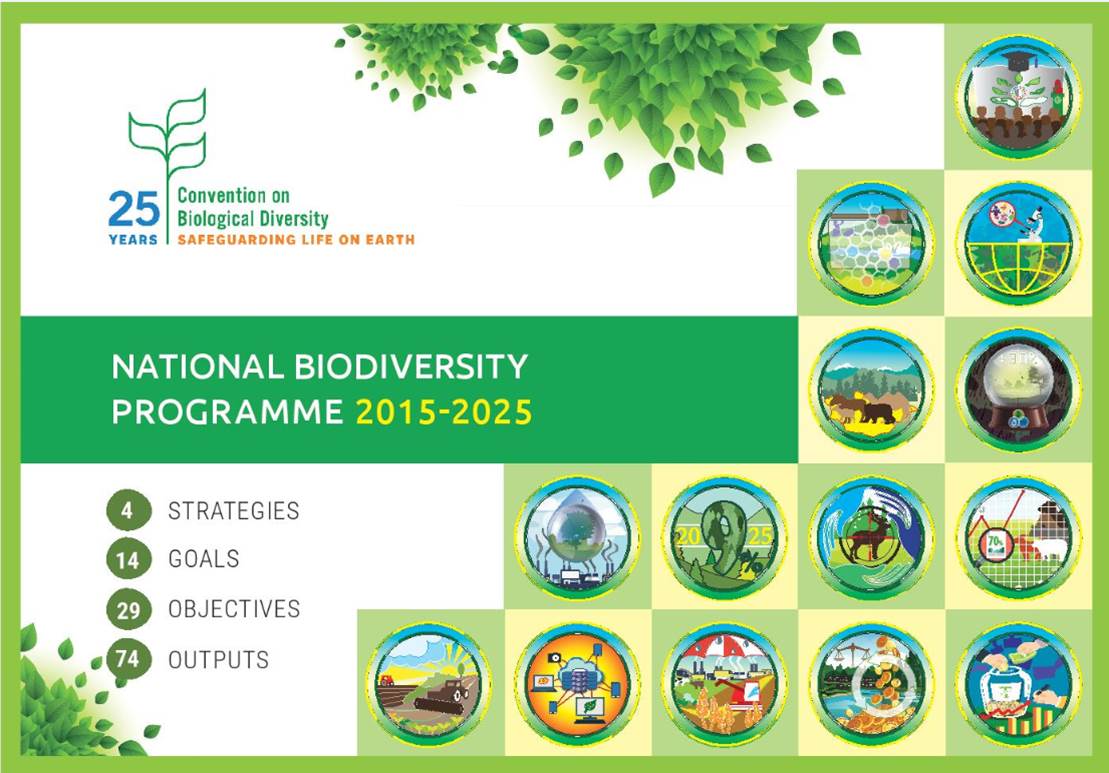
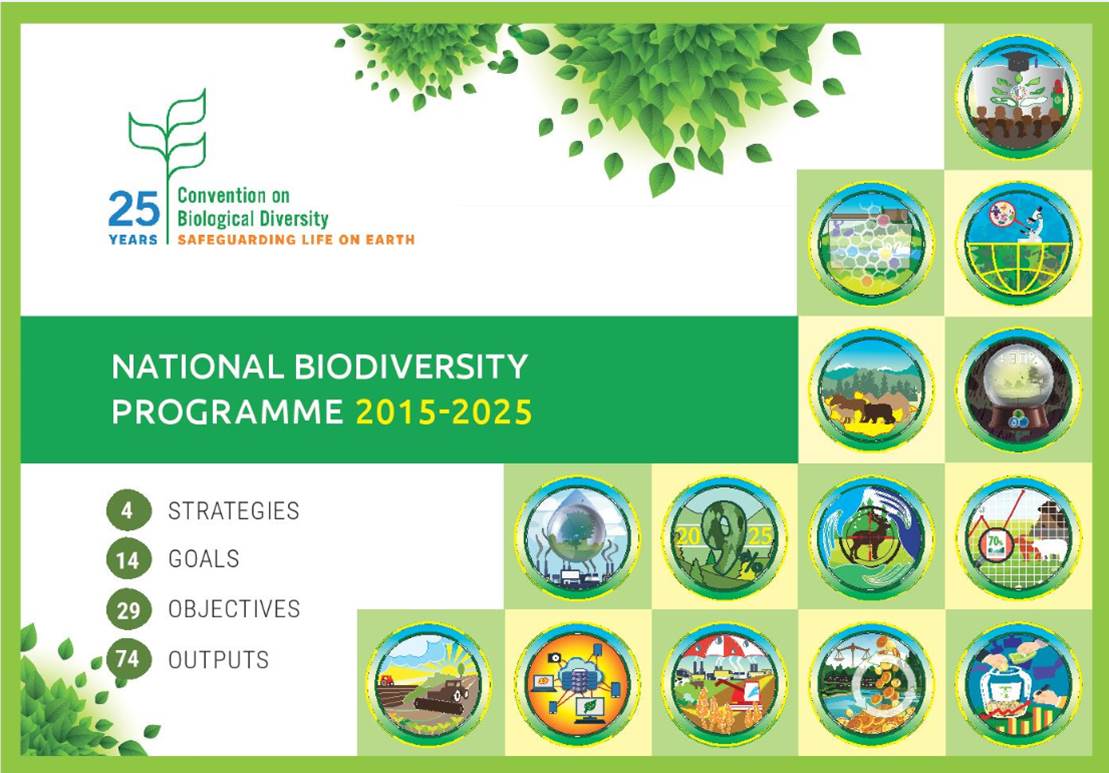
One of the main recommendations from the 12th Conference of Parties of the CBD was “each party to the CBD should develop their own national biodiversity programme incorporating the Aichi targets. Moreover, rapid developments in the social, economic and environment of Mongolia have necessitated the redevelopment of the National Biodiversity Strategic Action Plan ensuring cohesion with the Aichi 20 goals and the environment sector policies. In this regard, extensive research was conducted during 2012-2015, and the National Biodiversity Programme (NBP) was redeveloped and was approved by the Government order no.325 on 29 June 2015. NBP is a mid-term policy document, which elaborates the needs of national and international biodiversity targets, urgent issues to be solved, priority objectives and goals to be achieved. Policy and Institutional Review (PIR) of BIOFIN project aim to review the current biodiversity policies, practices, analyze the biodiversity finance landscapes, mechanisms, research the impacts on biodiversity, and identify pertinent stakeholders and main actors to successfully implement the NBP. 

Environmental legal framework and policy documents are very well established in Mongolia. However, despite the well design of environment policy documents, they lack proper implementation in practice. This could be attributed to the lack of monitoring and evaluation system by the Ministry of Environment and Tourism. In other words, the implementation of environmental laws should be improved through an effective monitoring system, especially of the natural resources use. 

Negative and positive impacts on biodiversity were also evaluated as part of the PIR research. It was found out that animal husbandry, agriculture, infrastructure, unplanned development are the main factors that have negative impacts on biodiversity. Moreover, five agricultural subsidies such as cashmere, wool, fertilizers etc., and two mining subsidies have negative impacts. Reducing or removing these subsidies could be an inexpensive alternative for effective biodiversity conservation. 

As part of the biodiversity financing landscape, sources of biodiversity financing as per the current legal framework were analyzed. It was found out that most of the financial resources as per the current legal framework should be funded by the state and local budget, donor fund, and natural resources use fee. Presently, several finance solutions including the natural resources use fee, the polluter pays principles, protected area fees, and etc. are implemented in Mongolia. Nevertheless, more finance solutions such as conservation trust funds, income generation for protected areas, biodiversity offset, results-based budgeting, should be explored and implemented, as a huge potential was observed. 

Biodiversity pertinent stakeholders were identified with reference to the legal framework and the sectors that have the most impacts on biodiversity. Key actors in implementing the NBP were assessed based on their weight and level of involvement of the identified pertinent stakeholders. Cooperation and partnership among Government ministries, their respective agencies and departments are critical for the implementation of the NBP, especially on initiatives such as to reduce the sectoral impacts (ecological footprint) on biodiversity. In other words, there is a need to study and analyze the sectoral impacts on biodiversity, and the appropriate conservation policies and actions should be incorporated to the respective sectoral policies, as biodiversity conservation activities and ensuring inter-sectoral cooperation is not only the duty of Ministry of Environment and Tourism but of other ministries as well.  A stakeholder mapping with four levels of key actors was identified based on their present involvement in NBP. Successful implementation of the NBP is highly dependent on the key actors’ involvement and cooperation; thus, the following management actions should be ensured for each level of stakeholders.

Level I stakeholders: improve cooperation of horizontal organizations and encourage a mechanism that assess results based on participation.  Level II stakeholders: build their capacity to a level that they can operationalize their interests in biodiversity conservation. Level III stakeholders: establish incentives to increase their interest in biodiversity conservation, so their full capacity and influence are utilized. Level IV stakeholders: explore their hidden capacity and establish incentives to increase their interest in biodiversity conservation. 

Considering the current economic and financial situation in Mongolia, key measures to successfully conserve and sustain biodiversity are: right policy and proactive measures; appropriate options for institutional and management framework; community participation based on citizens’ initiatives; and private sector involvement based on the right balance of profitability and social responsibility.

Publications


Biodiversity Expenditure Review (BER) was conducted within the framework of the Biodiversity Finance Initiative (BIOFIN) project. The review covered biodiversity expenditure from 2008-2018 incorporating political and economic impacts. BER analysis was conducted according to the BIOFIN Workbook methodology and included the annual expenditures by state and local budgets as well as the funds by the donor and international organizations. The economic status of Mongolia during this review period can be divided into two periods: (i) a period of regional and local economic crisis (2008-2010, 2013-2015); and (ii) a period of economic growth (2011-2012, 2016-2018).

During the crisis period,    the fiscal policy focused on    “reducing the budget and cutting out tolerable expenditures”, while the growth period aimed at    “increasing the salaries of civil servants and pension funds step-by-step in accordance with the global economic growth and mineral prices”. In addition to reviewing the public budget expenditures on conservation-related activities, expenditures related to the projects on sustainable use of biodiversity, improvement of legal and regulatory frameworks, funded various donors or international organizations, were also analyzed.  The consulting team has identified biodiversity relevant activities and stakeholders that contribute to achieving the goals and objectives of the National Biodiversity    Program.    Based on the stakeholders’    identification,    the information was collected from 90 projects, of which 71 were implemented by 11 different organizations and the remaining 19 were by government agencies.  

It was estimated that the total biodiversity expenditure during 2008-2018 was 207.7 million USD, which amounts to 0.35%-0.79% of total State budget expenditure and 0.15%-0.25% of the total GDP; and the average annual biodiversity expenditure was 13.3-25.5 million USD. Analysis of the annual expenditures showed that the most significant decrease of    12%    and    21%    was observed in 2012 and 2016, respectively, which can be attributed to the 15.3% and 42% decrease of the state budget. Although the total State budget expenditures increased by 21% and 7% in the respective years, the expenditure on deforestation was reduced by 3 folds in 2012 as compared to the previous year, while the specially protected areas (SPAs) expenditure was reduced by 21% in 2016. Both 2012 and 2016 were the quadrennial election years, thus suggesting that political activities affect the expenditures on biodiversity and conservation.

The most significant periods of growth in biodiversity expenditures were observed in 2013 and 2017, immediately after the decline from the previous election years. It can be explained by the direct increase of funding from the State budget, as it was normalized back to the pre-election period. The increased expenditure can also be attributed to the approval of a higher number of projects by donors and international organizations. Financing from State and local budgets account for 44.4% of the total funding for biodiversity expenditures, with the remaining 55.6% were provided by donors and international organizations.

The total biodiversity budget and expenditures largely depend on the revenue generation of the State budget. The public budget allocation related to biodiversity was categorized according to the strategic areas, goals, and objectives of the National Biodiversity Program and the Aichi targets. To reflect the impacts of the inflation rate in the biodiversity expenditure, actual exchange rates of each particular year was applied. Appendix 1 shows the detailed estimation of expenditures for 2008-2018 according to the goals and objectives

Publications

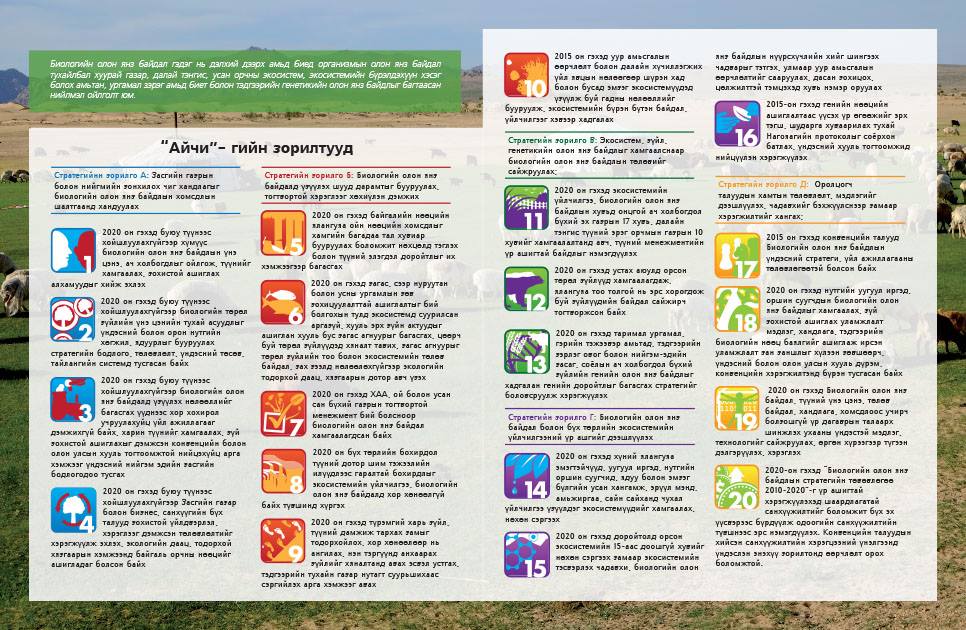
Aichi Biodiversity Targets - Mongolian version 

Publications

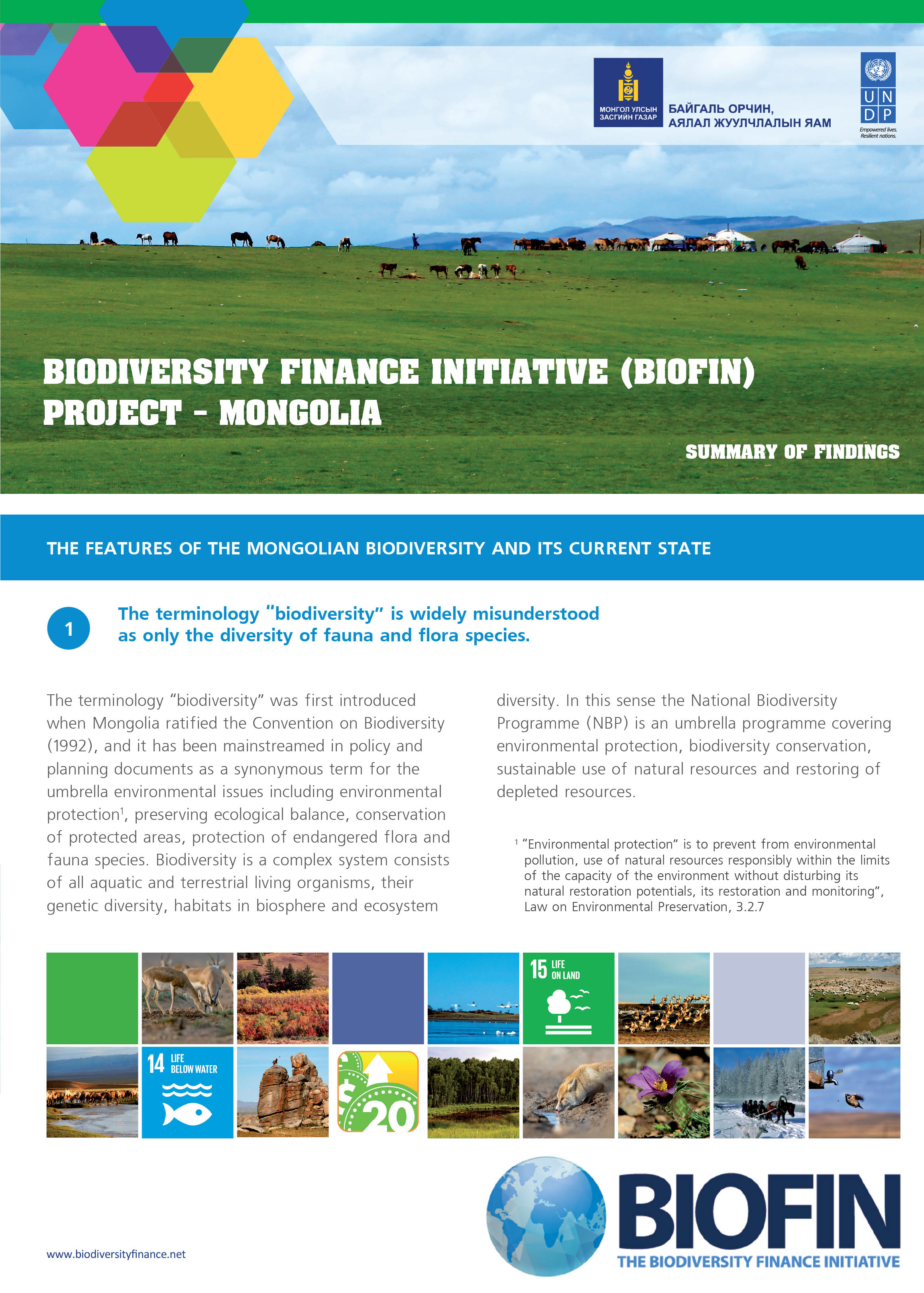
The terminology “biodiversity” was first introduced when Mongolia ratified the Convention on Biodiversity (1992), and it has been mainstreamed in policy and planning documents as a synonymous term for the umbrella environmental issues including environmental protection1, preserving ecological balance, conservation of protected areas, protection of endangered flora and fauna species. Biodiversity is a complex system consists of all aquatic and terrestrial living organisms, their genetic diversity, habitats in biosphere and ecosystem diversity. In this sense the National Biodiversity Programme (NBP) is an umbrella programme covering environmental protection, biodiversity conservation, sustainable use of natural resources and restoring of depleted resources.
Publications

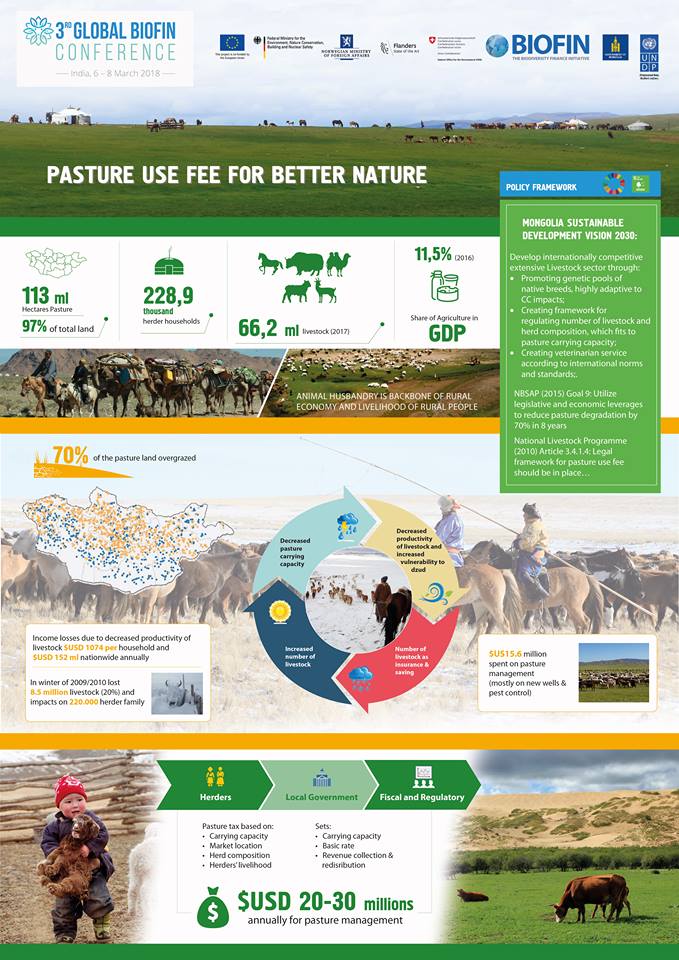
Feasibility Study on Pasture Use Fee -  Report on Policy and Legislative Framework 

Publications

Proposed methodology & Institutional mechanisms to determine pasture use fees  

Publications

Mongolian territory spans across the Siberian taiga, Euroasian steppes and the desserts of Central Asia. Due to the transitional ecosystems and harsh continental climatic conditions, the biodiversity in Mongolia is quite delicate, thus natural rehabilitation is very slow and sometimes the negative impacts can be almost irreversible. In addition, the nomadic civilization and pastoral farming has been a unique part of Mongolian biodiversity.