Knowledge base

Browse the Knowledge Platform

15 Results
Publications


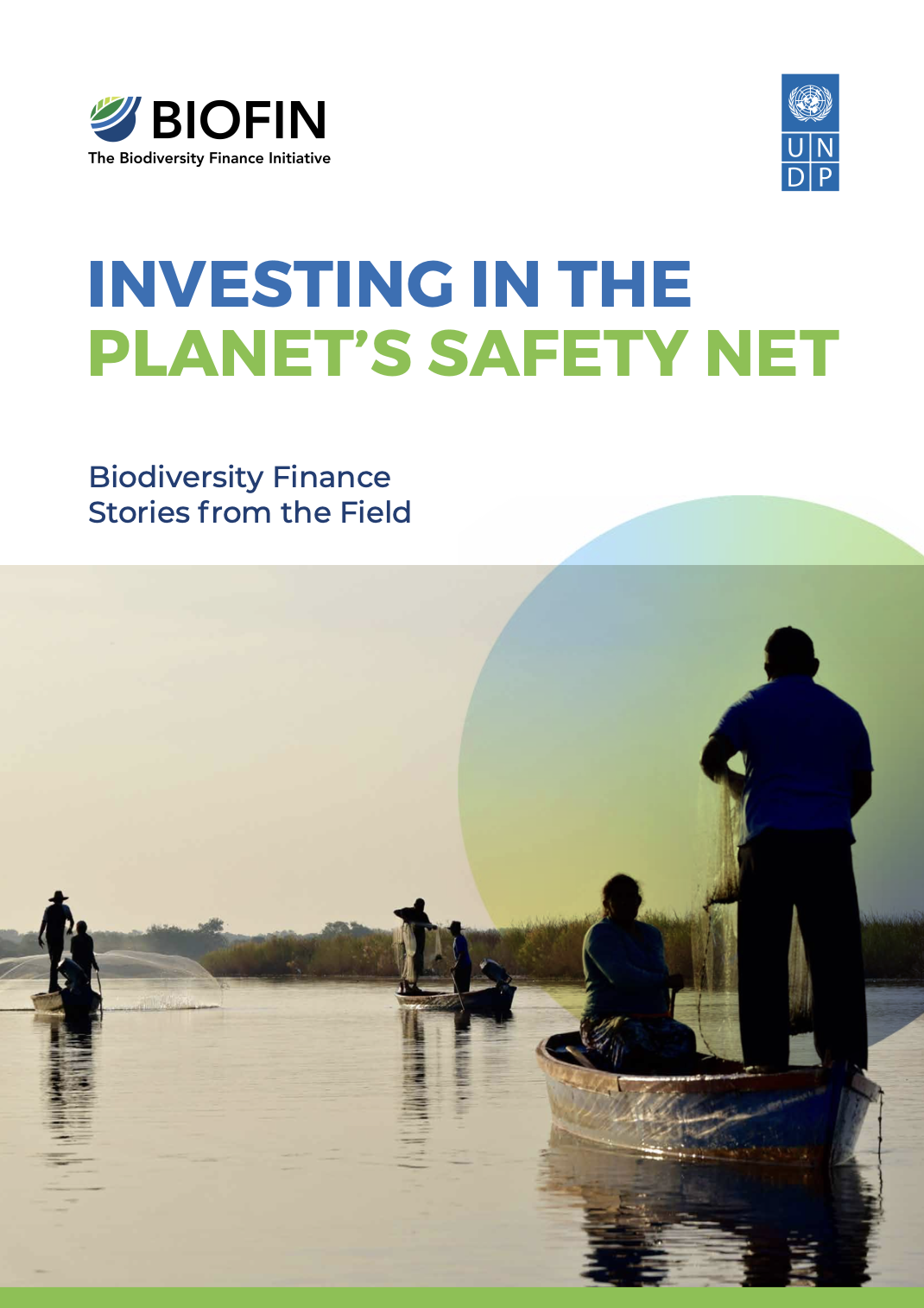
Biodiversity finance solutions have the potential to unlock a better future for people and the planet, but they can only work when partners from all levels come together. This collection of 11 stories demonstrates the power and sheer variety of biodiversity finance solutions being implemented across the world. 

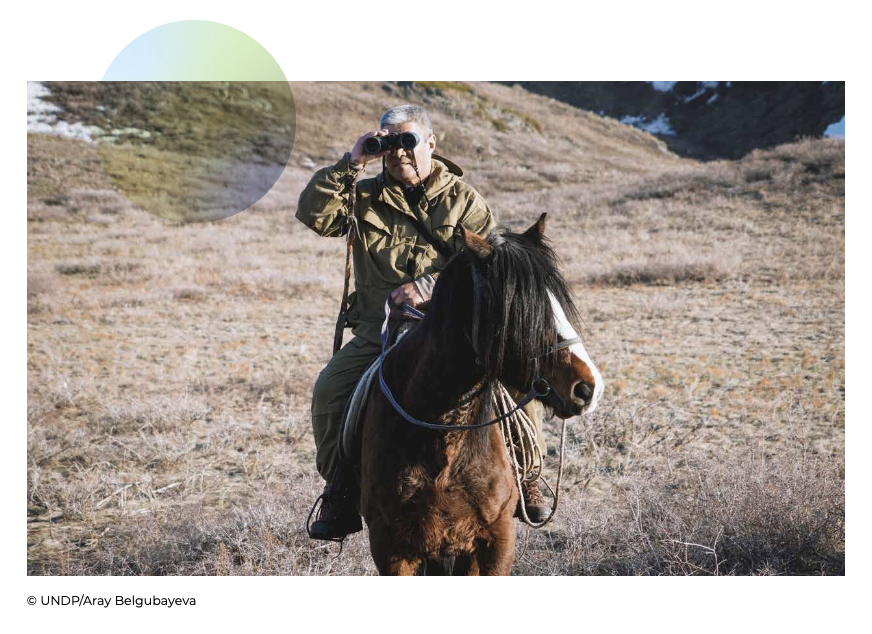
Each story, authored by a partner working alongside UNDP-BIOFIN, offers an insight into how biodiversity finance solutions help put us on a path to a nature-positive future. From community leaders to mayors, from national park Directors to government partners, the authors speak to the power of biodiversity finance solutions and how they are protect and restore nature while also boosting economies more sustainably.  

Screenshot 2022-12-07 at 10.18.19.png

Publications

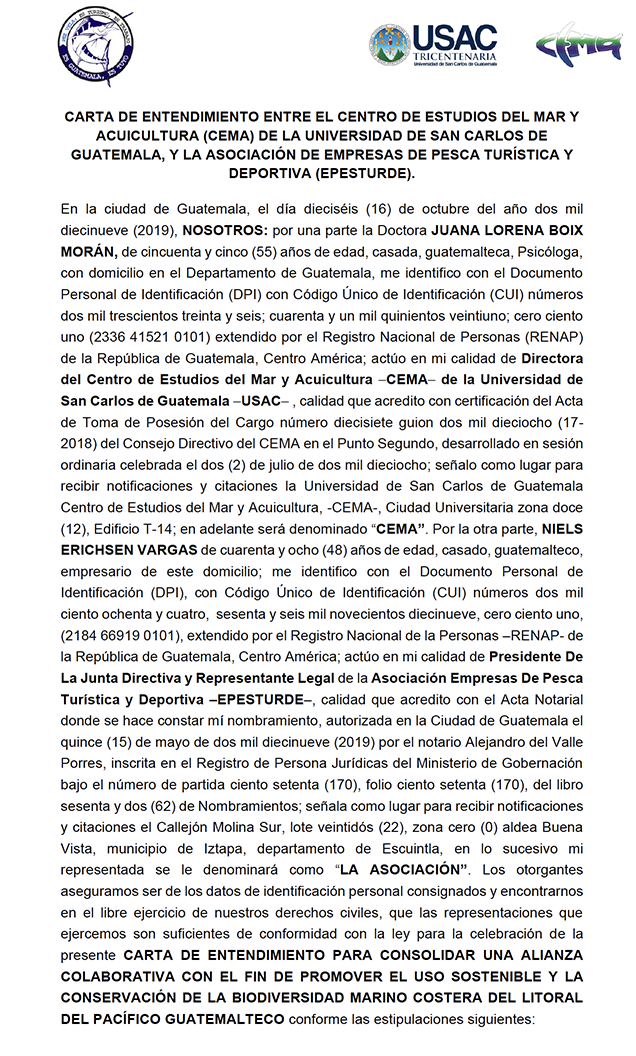
Letter of Understanding (LoU) between the Centre of Marine Studies and Aquaculture -CEMA- of the University of San Carlos de Guatemala -USAC- and the Sport and Recreational Fishermen Association –EPESTURDE–.

To promote the sustainable use and conservation of Costal-Marine Biodiversity in the Guatemalan Pacific Shoreline, the collaborative strategic alliance was consolidated through a Letter of Understanding (LoU) between the Centre of Marine Studies and Aquaculture -CEMA- of the University of San Carlos de Guatemala -USAC- and the Sport and Recreational Fishermen Association –EPESTURDE–. This LoU sets out the governance system to implement the financial mechanism called: Socio-Environmental Fund for Sailfish Conservation and Artisanal Fishing Sustainable development which will raise funds from voluntary contributions derived from environmental service of tourist sport sailfish anglers.

The Socio-Environmental Fund will invest in the following priorities: i) Development of value chains in artisanal fishing, ii) Support in applied research, iii) Promotion of tourism, iv) Promotion of Sustainable infrastructure, and v) Strengthening institutional capacities. These priorities are focused on the promotion of sustainable development of artisanal fishing and the conservation of Sailfish.

Publications
Publications

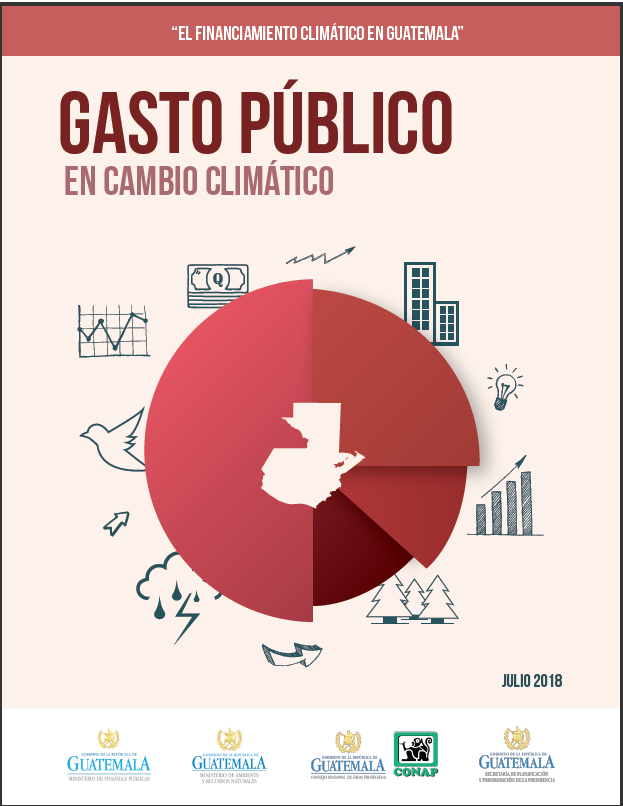
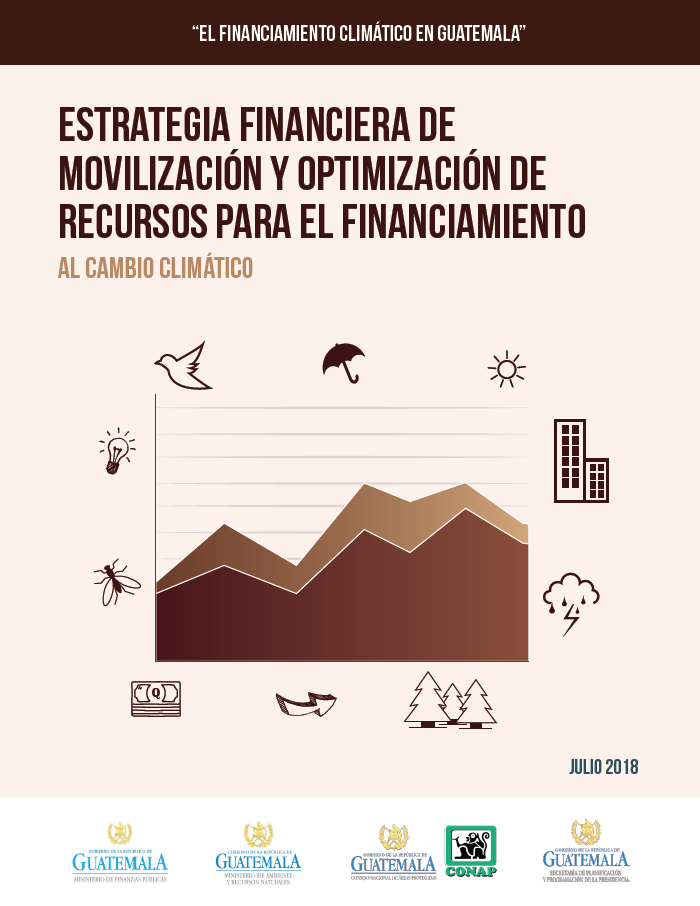
This report presents the results of the integration of public and private expenditure on climate change over the period 2014-2017, both constitute the total climate financing for Guatemala. The objective of this report is to create relevant information for decision making and the allocation of resources by public and private actors in order to align expenses to an efficient prioritization according to the environment status and the defined sectorial goals. The National Action Plan on Climate Change was used to guide and organize the information. The results showed that the main executing institutions of the expenditure are: five public institutions (MARN, MAGA, CONAP, INAB, CONRED) and two private sector components (international cooperation and private sector). The most important source of financing for climate change comes from loans from the national financial sector to the private sector (Q 4,220.91 million). The second source corresponds to external loans to the private sector (Q 4,206.36 million), followed by the private sector’s resources (Q 3,687.58 million). The fourth source comes from the public sectors and from the current income, particularly from taxes collection (Q 1,830.79 million); The fifth source of financing is made up of external donations from the international cooperation (Q 969.71 million). The national expenditure on climate change for the period 2014-2017 is equivalent to Q 15,661.67 million, 84% of this amount was allocated to mitigation actions and the remaining 16% was allocated to adaptation actions. By relating this information with the GDP, the total national expenditure on climate change remains on 0.77% of GDP. Finally, the report also identifies that measurement of private expenditure on climate change presents greater methodological and institutional challenges than the measurement of public expenditure. 

Publications

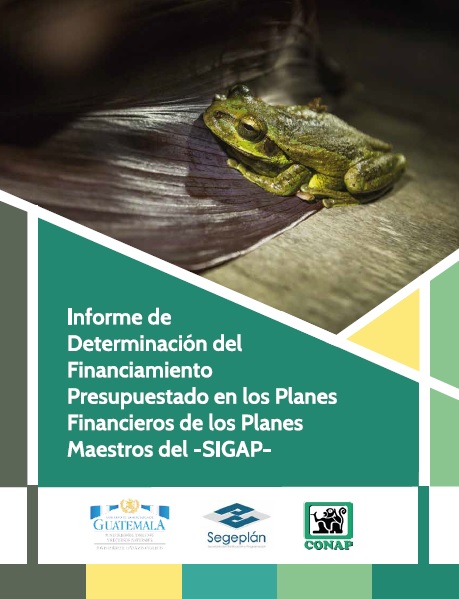
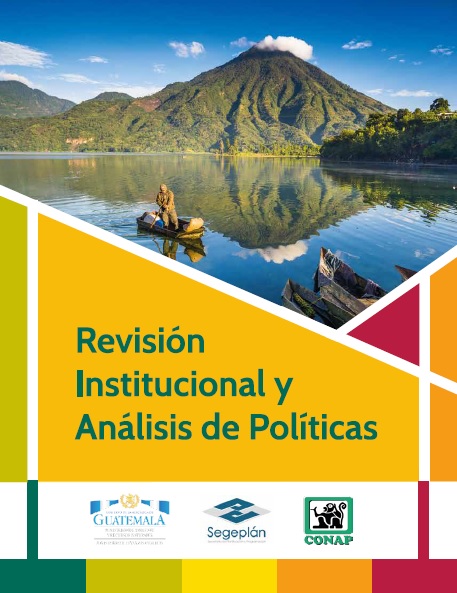
In Guatemala, The National Council of Protected Areas (CONAP) is responsible for directing SIGAP (Guatemalan Protected Areas System).  By 2015, it was formed by 328 protected areas. Its management approach is grounded by the design and implementation of a Master (including a financial plan) and Operative Plans that must be developed by the co-management partners or direct management partners.  A shortage of financial and human resources has been a barrier to ensure the existence of the Financial and Masters Plans.  For this reason, only 50 Master Plans and 44 Financial Plans were used. This data was standardized in order to implement the BIOFIN methodology and adapt budgets and programs. According to the BIOFIN Strategy, the Total Amount Needed for funding 50 Protected Areas, during 2006-2010 is $313.509,531.10

Knowledge Partners

Biodiversity and Ecosystem Services Network logo
Biodiversity finance resources library and forum.
Sustainable Development Finance Platform logo
Guidance and detailed descriptions of finance solutions for sustainable development.

NBSAP logo
Support for action on National Biodiversity Strategy and Action Plans