

ENGLISH
In the news: Nikkei Asia explores marine conservation in Koh Tao, Thailand
A recent article published by Nikkei Asia explores how tourists, diving businesses and conservation organizations on the Thai island of…
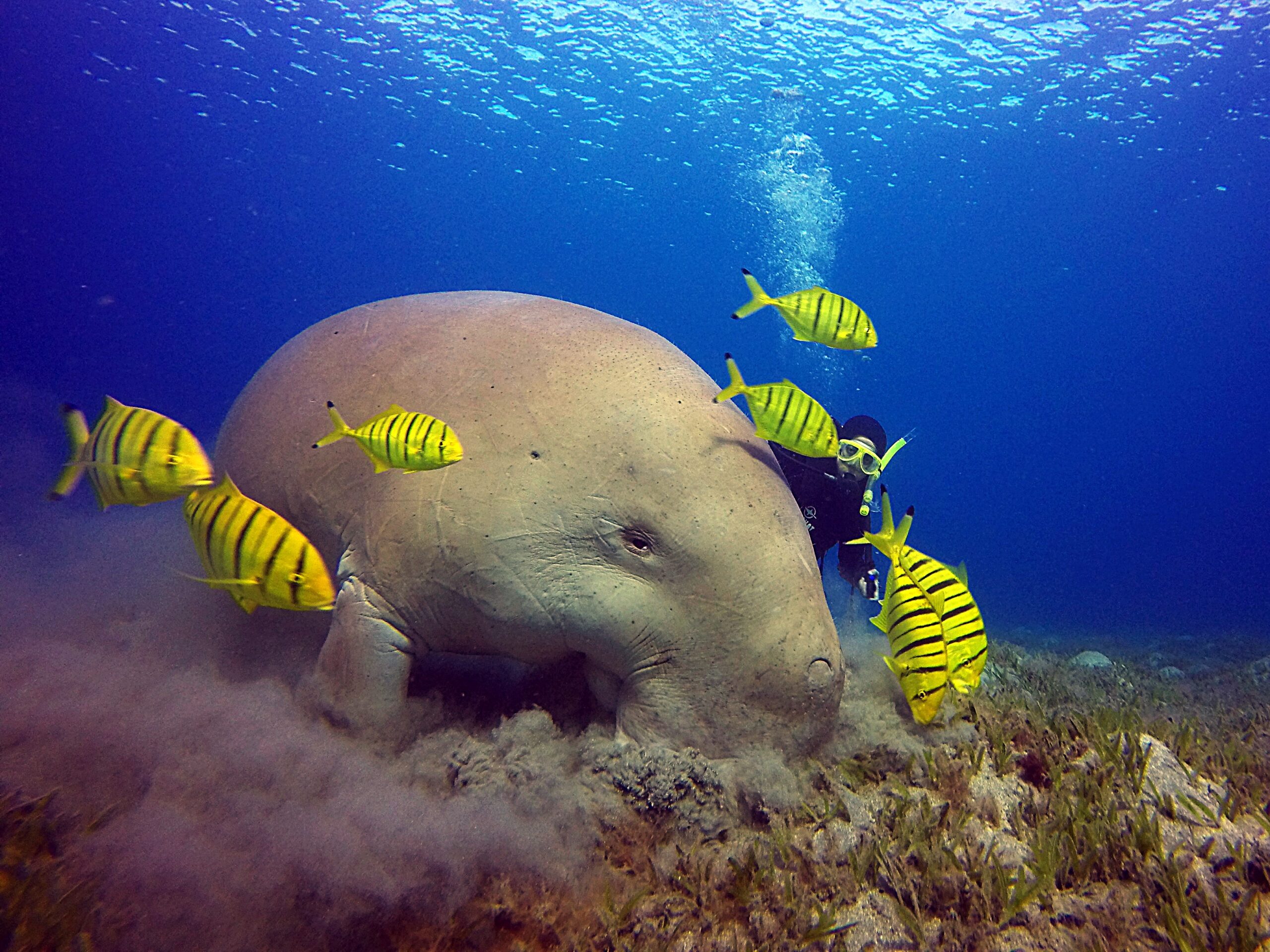







Egypt’s biodiversity is shaped by a remarkable diversity of terrestrial, freshwater, coastal and marine ecosystems, ranging from deserts, mountains and oases to the Nile River and Delta, Mediterranean wetlands, mangroves and the coral reefs of the Red Sea. These ecosystems provide essential services and natural resources that support livelihoods, food security, fisheries, tourism and other important sectors of the economy.
Despite this natural wealth, Egypt’s biodiversity faces growing pressures from habitat degradation, pollution, unsustainable resource use, overfishing, coastal development, invasive species and climate change. These pressures are particularly significant in sensitive coastal, marine, wetland and desert ecosystems. Protecting and restoring nature therefore requires substantial and sustained investment, alongside better integration of biodiversity into economic and financial decision-making.
UNDP BIOFIN is supporting Egypt to develop a systematic approach to financing these priorities. Through the Policy and Institutional Review, Biodiversity Expenditure Review and Finance Needs Assessment, the programme has helped establish the evidence base for understanding how biodiversity is currently financed, how much additional investment is required and where opportunities exist to mobilize and better use financial resources. The assessments identified an estimated biodiversity financing gap of US$291.9 million for 2024–2030.
Building on this evidence, Egypt developed its Biodiversity Finance Plan 2024–2030, which prioritizes nine finance solutions to help close the gap. These include strengthening protected-area revenues, performance-based budgeting, corporate social responsibility, biodiversity-positive carbon credits, insurance, biodiversity offsets, public–private partnerships and greater access to international biodiversity finance. Together, these solutions aim to diversify funding for nature and better align public and private financial flows with Egypt’s biodiversity priorities.
The Biodiversity Finance Plan (BFP) sets out the following priority solutions:
UNDP BIOFIN supported Egypt in completing the core biodiversity finance assessments, including the Policy and Institutional Review (PIR), Biodiversity Expenditure Review (BER) and Finance Needs Assessment (FNA). Together, these assessments mapped the country's biodiversity finance landscape, analysed existing expenditure and estimated the resources required to achieve national biodiversity priorities. The evidence informed the development of Egypt's Biodiversity Finance Plan 2024–2030, providing a roadmap for mobilizing and better aligning public, private and international finance for nature.
National Biodiversity Finance Plan 2024–2030 Developed
UNDP BIOFIN supported Egypt in completing its Policy and Institutional Review, Biodiversity Expenditure Review and Financial Needs Assessment, providing the evidence base for the country’s National Biodiversity Finance Plan 2024–2030. The Plan provides a comprehensive framework for mobilizing and aligning public, private and international finance with Egypt’s biodiversity priorities.
US$291.9 Million Biodiversity Finance Gap Identified
Egypt’s biodiversity finance assessments identified an estimated US$291.9 million financing gap for 2024–2030. Quantifying this gap provides decision-makers with a clearer understanding of the resources required to implement national biodiversity priorities and helps guide the selection of finance solutions with the greatest potential for impact.
Nine Priority Finance Solutions Identified
Through a multi-stakeholder screening and prioritization process, Egypt selected nine high-impact and feasible finance solutions to help close the biodiversity finance gap. These span protected-area revenues and concessions, corporate social responsibility, biodiversity-positive carbon credits, performance-based budgeting, insurance, biodiversity offsets, public–private partnerships and international biodiversity finance.
Strengthening Sustainable Finance for Protected Areas
Egypt is advancing reforms to strengthen the financial sustainability of its protected areas, including adjustments to entrance fees, digitalization of fee collection and improved retention of revenues for conservation and investment. The Biodiversity Finance Plan also proposes reforms to protected-area concession and permit fees and more systematic approaches to investor selection and contracting.
Advancing Performance-Based Budgeting for Biodiversity
The Biodiversity Finance Plan prioritizes Performance-Based Budgeting as a mechanism to improve the allocation and effectiveness of public resources for biodiversity. This approach aims to strengthen the connection between government expenditure and measurable biodiversity results, helping make better use of existing public finance alongside efforts to mobilize new resources.
Expanding Private and Innovative Finance for Nature
Egypt’s new Biodiversity Finance Plan broadens biodiversity financing beyond traditional public and donor resources. Priority mechanisms include corporate social responsibility, biodiversity-positive carbon credits, insurance for biodiversity-related risks, biodiversity offsets and public–private partnerships, alongside greater mobilization of international finance. Together, these mechanisms aim to strengthen private-sector participation and diversify long-term financing for nature.