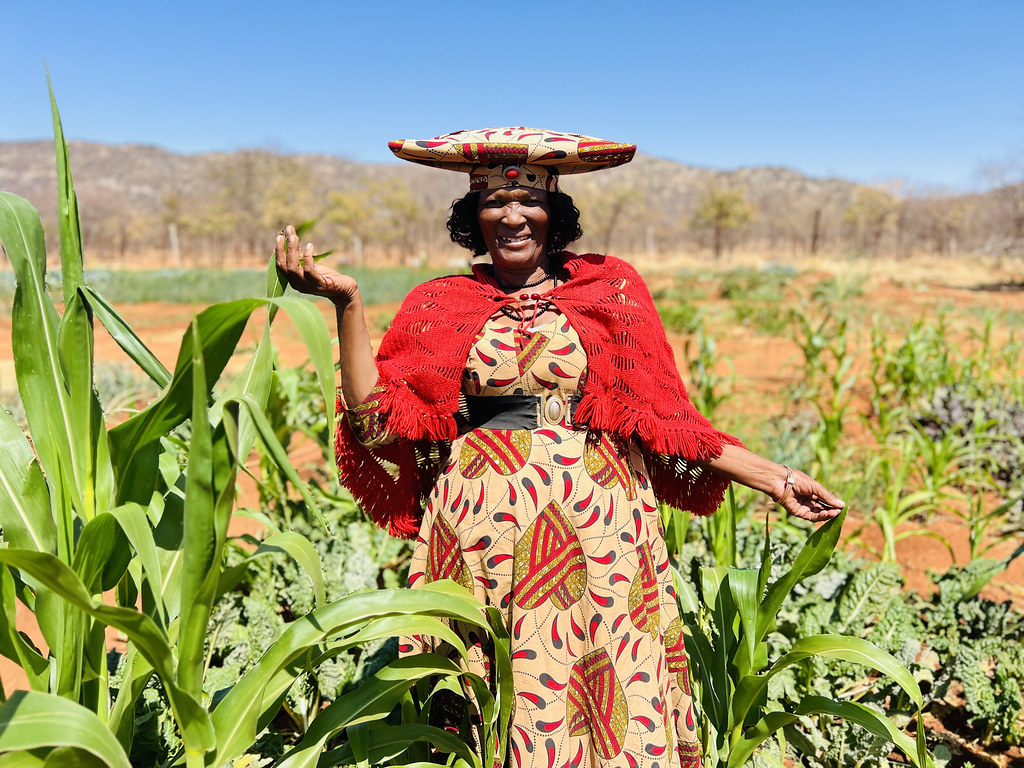
Across landscapes and seascapes, women are central to protecting and restoring nature.
They manage forests and farmlands, safeguard watersheds, sustain agrobiodiversity, and support community resilience. They are often the first to notice biodiversity loss and ecosystem degradation. Their knowledge is critical for sustainable resource management. Yet their essential contributions remain widely unrecognized, and they do not sufficiently participate in decision-making.
At the same time, the world faces a serious shortfall in biodiversity finance. According to the UNEP State of Finance for Nature Report, there is a US$4.1 trillion gap between what is available and what is needed to meet global restoration, biodiversity, and climate targets by 2050. Bridging this gap requires inclusive investments that use scarce resources efficiently, delivering social, economic, and environmental benefits at once. Achieving that is impossible without a gender lens.
1. Unlocking the full potential of nature’s stewards
Women’s roles in natural resource management are fundamental, from replanting degraded landscapes to maintaining agrobiodiversity and community seed banks. In many rural and Indigenous territories, women’s local knowledge keeps traditional ecosystems productive and resilient.
When these contributions remain undervalued or unsupported, countries miss a major opportunity to harness experience, innovation, and commitment that can strengthen environmental and social outcomes. Recognizing women's stewardship and using their knowledge is clearly linked to better environmental outcomes, more local ownership, and sustainability.
Read about how Costa Rica is removing barriers to finance for women from Indigenous Communities

Photo: Johanna Lázaro Morales, entrepreneur of Caushas Farm in the Boruca Indigenous Territory
2. Removing barriers that limit participation
Despite their critical roles, women often face systemic obstacles that block participation in nature finance mechanisms. They are less likely to hold formal land titles or have collateral access to loans, and rarely have an equal voice in natural resource governance. Globally, women make up only about one-third of the staff in environmental protection ministries, highlighting persistent gaps in representation where key policy and financing decisions are made.
Finance mechanisms designed around land ownership or high-value collateral can inadvertently exclude women, even when they carry out the daily conservation work. A payment for ecosystem services scheme, for example, may unintentionally overlook women if they don´t hold formal land titles to receive compensation. Similarly, project training held without considering unpaid care workloads can lower women’s participation.
Removing these barriers is not just a matter of fairness; it directly improves biodiversity results. Closing systemic gender gaps, such as land tenure, and ensuring that financial incentives reach the women restoring and conserving ecosystems, accelerate the achievement of biodiversity goals. For instance, in the Brazilian Amazon, municipalities with female mayors have 30% lower yearly deforestation rates.
Read about how Ecuador has supported women-led businesses through green public credits

Photo: Jessica Guatatuca, entrepreneur and beneficiary of the green public credits
3. Making biodiversity finance mechanisms more effective
Gender responsive biodiversity finance mechanisms respond more accurately to community realities, strengthen ownership, and minimize the risk of failure. Evidence shows that including women equitably in natural‑resource management leads to better governance and stronger conservation outcomes.
Examples span multiple approaches:
- Inclusive credit programmes that adjust collateral requirements and provide capacity building for women entrepreneurs investing in sustainable agriculture or ecotourism; ‑
- Nature insurance schemes that target women
- PES schemes that recognize customary rights or compensate collective stewardship;
- Carbon market projects that secure women’s land tenure and ensure shared decision-making;
- Gender responsive budget tagging that tracks how public funds for biodiversity also advance gender equality outcomes.
By aligning environmental and social objectives, these finance solutions deliver stronger and more lasting returns on every dollar invested.
4. Expanding opportunities for nature-positive livelihoods
When women gain access to finance, training, and technology, they become key drivers of innovation in nature-positive sectors. Credit lines, seed capital, and technical assistance targeted to women-led biodiversity enterprises can multiply both conservation and livelihood benefits.
From sustainable forestry to marine-based enterprises, women often reinvest earnings in family wellbeing, education, and local environmental management. Support for small-scale ecotourism, natural cosmetics production, or organic agriculture, for instance, creates income while nurturing biodiversity in surrounding ecosystems.
Tailored financing also helps address “time poverty”, women’s disproportionate unpaid workload, by enabling access to resources and services that make participation in nature-positive businesses more feasible and rewarding.
Read about how Thailand supports women’s groups in sustainable tourism initiatives on Ko Tao Island

5. Delivering multiple development goals at once
Gender responsive biodiversity finance transforms how resources are used. Instead of dividing budgets across isolated priorities, integrated approaches allow a single investment to achieve several goals simultaneously: conserving biodiversity, advancing gender equality, building climate resilience, and creating sustainable livelihoods.
This directly contributes to global commitments under the 2030 Agenda -not only SDG 5 (Gender Equality), but also SDG 13 (Climate Action), SDG 14 (Life Below Water), and SDG 15 (Life on Land). Each reinforces the others: women with access to finance champion sustainable land use; healthier ecosystems strengthen community resilience; and resilient communities sustain economic growth.
A smarter path to closing the biodiversity finance gap
As countries implement their National Biodiversity Strategies (NBSAPs) and develop Biodiversity Finance Plans (BFPs), applying a gender responsive approach from the outset ensures that biodiversity investments achieve broader sustainable development results. Global policy frameworks increasingly recognize that advancing gender equality is a prerequisite for progress across the Sustainable Development Goals, while also contributing directly to biodiversity outcomes, including those reflected in Target 23 of the Kunming-Montreal Global Biodiversity Framework.
Gender responsive finance is not an add-on or a checklist; it is a strategic way to make every dollar work harder. By addressing longstanding gender barriers, enabling inclusive participation and distribution of benefits, countries can mobilize capital that benefits people and planet together, closing the biodiversity finance gap faster, and for good.
Written by Jasmin Blessing, Gender Specialist, UNDP BIOFIN Global
Categories
Countries
Archives
- mai 2021 (6)
- avril 2021 (3)
- mars 2021 (5)
- février 2021 (4)
- décembre 2020 (2)
- novembre 2020 (1)
- août 2020 (2)
- juillet 2020 (2)
- juin 2020 (3)
- mai 2020 (1)