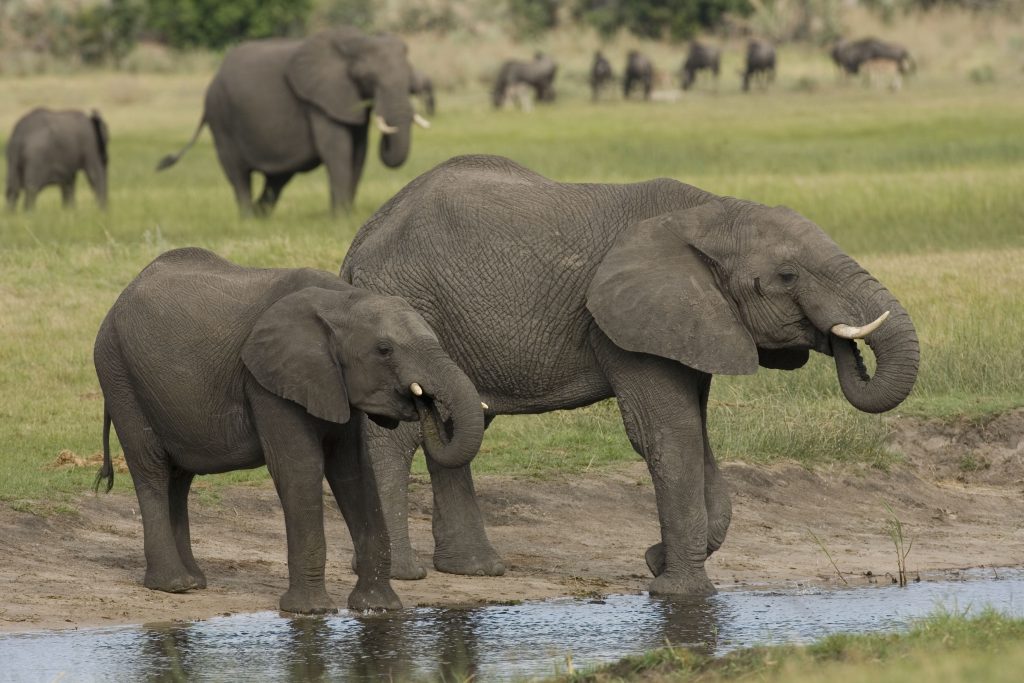
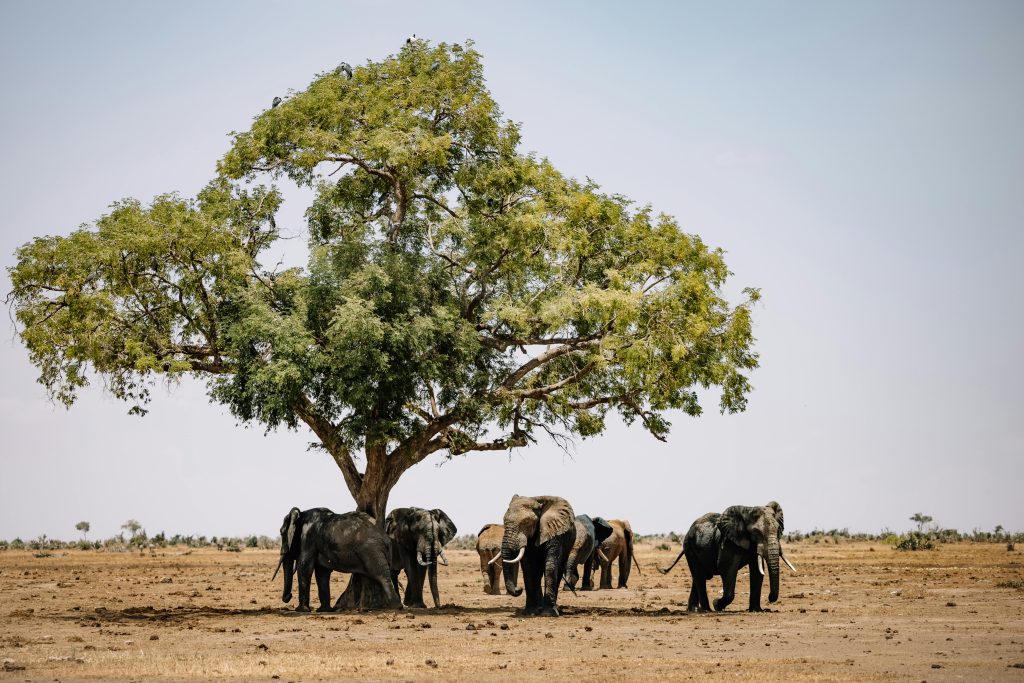
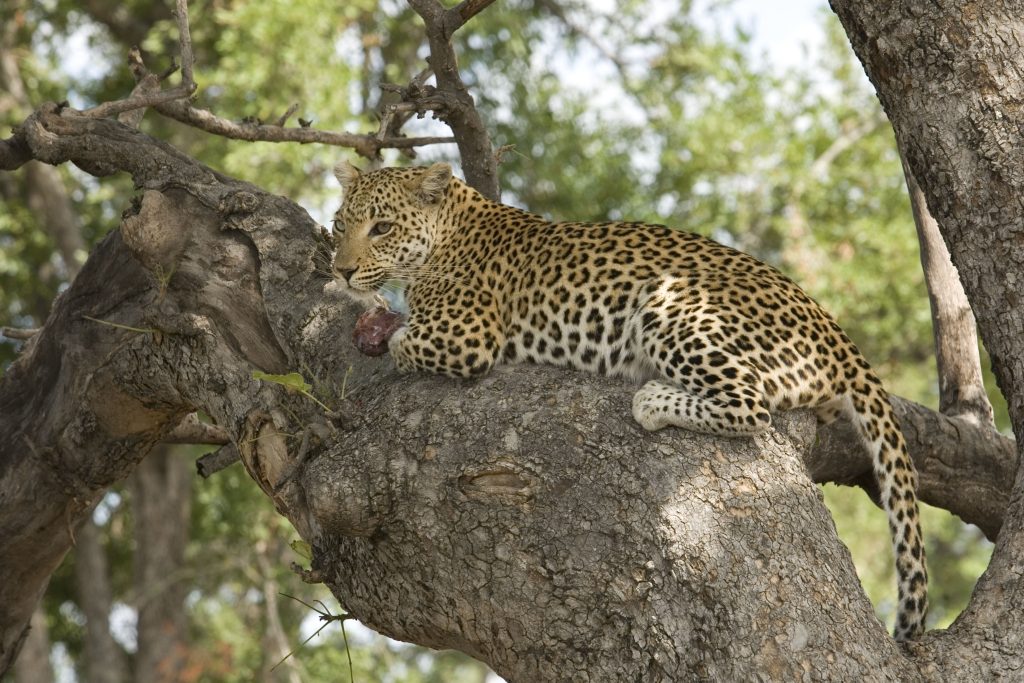
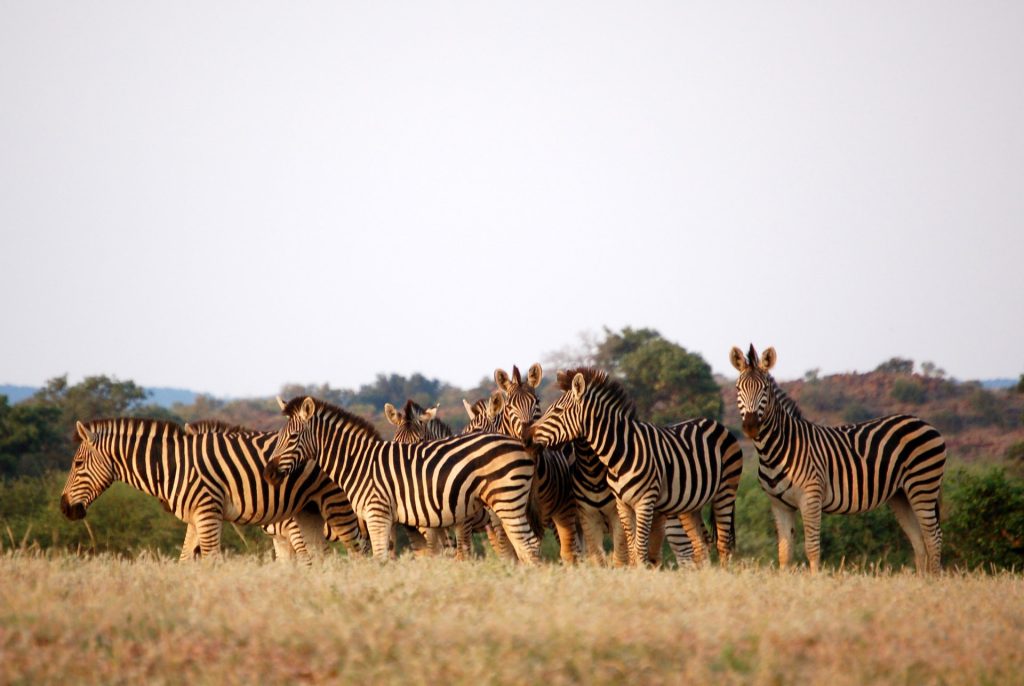
Over 40% of Botswana is protected through national parks and game reserves.
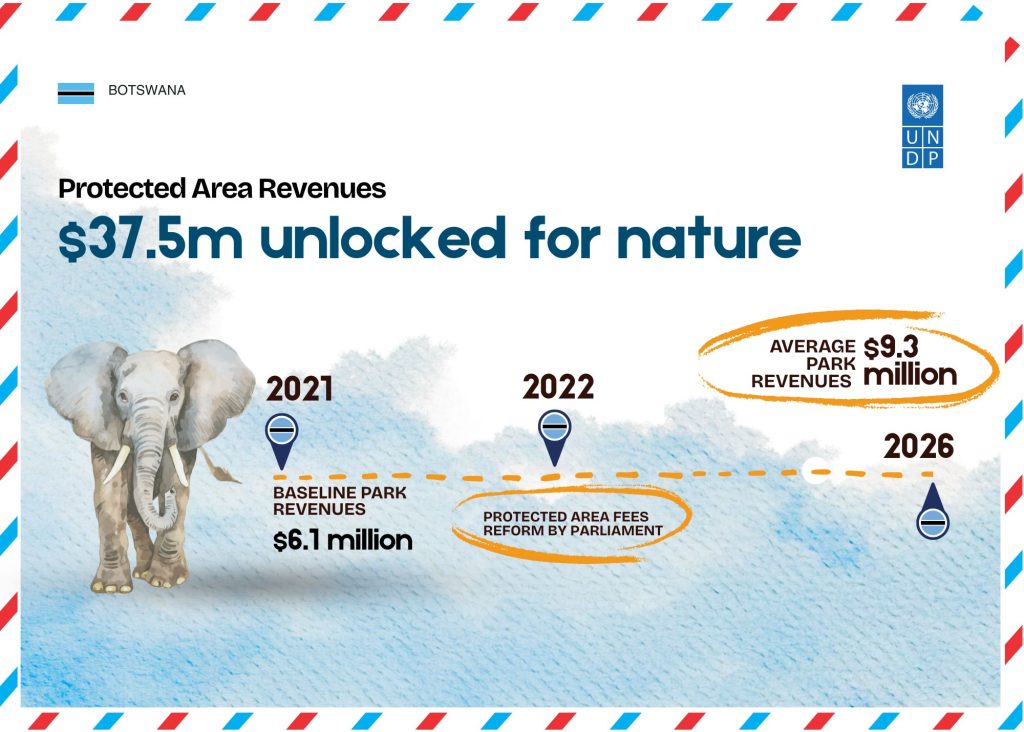
$37.5M
Revenue Generated
Raised through the renewed protected area fee system.
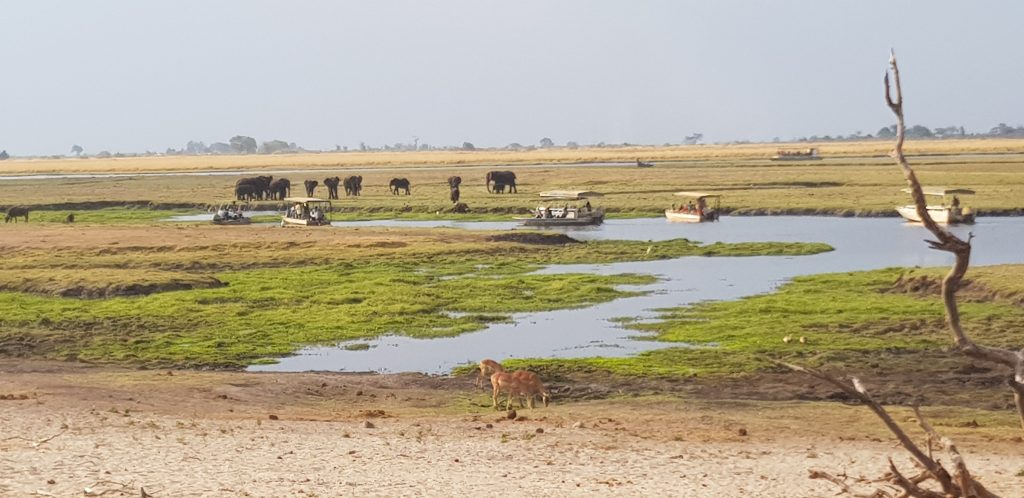
Botswana is home to globally important biodiversity and some of Africa’s most iconic wildlife and ecosystems, including the Okavango Delta and the landscapes of Chobe. More than 40% of the country’s land is designated for national parks, game reserves and other forms of wildlife conservation, making nature an important national asset and a foundation for the country’s tourism economy and rural livelihoods.
Despite this strong conservation foundation, Botswana’s biodiversity faces growing pressures from habitat loss and fragmentation, barriers to wildlife movement, human-wildlife conflict, unsustainable resource use, invasive species and climate change. Maintaining the country’s extensive conservation estate requires significant and sustained financing, while dependence on public budgets and tourism revenues creates vulnerabilities and highlights the need to diversify sources of biodiversity finance.
UNDP BIOFIN works with the Government of Botswana and national partners to strengthen the financial sustainability of biodiversity conservation. The programme supports evidence-based planning, improved protected-area financing and the development of finance solutions that can mobilize additional public and private resources while ensuring that biodiversity contributes to sustainable economic development and local livelihoods.
This work is already generating results. Reforms to protected-area fees have helped increase revenues for conservation, demonstrating how better-designed financial mechanisms can unlock additional resources for Botswana’s protected areas while strengthening the connection between biodiversity conservation and the nature-based economy.
Key results
BIOFIN Botswana, part of the global UNDP Biodiversity Finance Initiative, has made significant strides in enhancing biodiversity financing and conservation efforts nationwide. Through strategic partnerships, policy reform, and innovative finance solutions, Botswana is setting a benchmark in sustainable biodiversity management.
1. Revenue Growth from Protected Areas
UNDP BIOFIN supported Botswana in reforming entrance and related fees for protected areas after more than two decades of largely unchanged tariffs. The reform has generated approximately US$37.5 million in cumulative revenues, around US$12 million more than would have been generated under the previous fee structure. The result demonstrates how targeted fiscal reform can unlock substantial domestic finance for biodiversity while strengthening the economic value of Botswana's protected areas.
2. Review and Reform of Protected Area Fees
BIOFIN addressed a 20-year stagnation in park entrance fees by implementing a comprehensive review and revision process. The updated fee schedule now applies to all national parks, game reserves, and wildlife management areas, excluding the Kalahari Transfrontier Park.
3. Digitalizing Protected Area Finance
Building on the success of the fee reform, UNDP BIOFIN is supporting the modernization of revenue management in Botswana's protected areas. A digital payment and booking system are being piloted in two national parks to improve revenue tracking, reduce leakage, increase transparency and strengthen visitor services. The wider ambition is to establish a modern booking, payment, and revenue-collection system for Botswana's national parks and game reserves.
4. Resource Mobilization and Partnerships Plan
A dedicated plan was developed to enhance contributions from private actors, especially NGOs and tourism operators. This initiative fosters stakeholder engagement and promotes sustainable financing for protected areas.
5.Results-Based Budgeting for Biodiversity
BIOFIN introduced results-based budgeting (RBB) within the biodiversity sector, focusing on the protected areas system. This approach ensures that financial allocations are directly linked to measurable conservation outcomes.
6. Reforming Harmful Biodiversity Subsidies
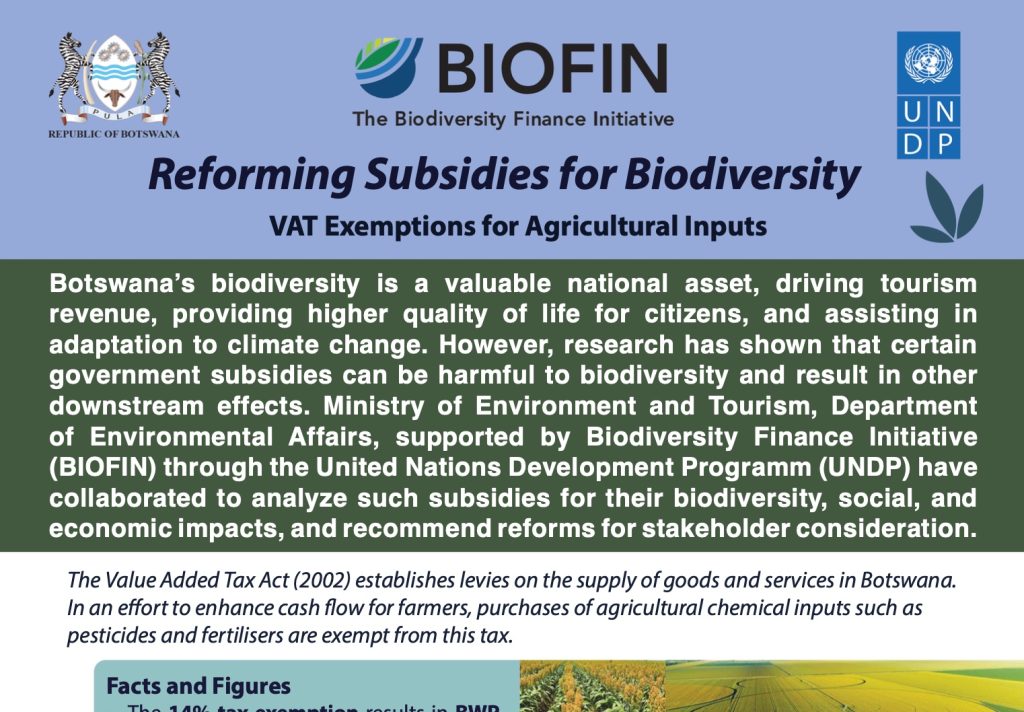
In alignment with Aichi Target 3 of the Convention on Biological Diversity, BIOFIN Botswana conducted a comprehensive assessment of subsidies across eight sectors—including agriculture, tourism, and energy. The initiative aims to repurpose or eliminate subsidies harmful to biodiversity, proposing redesign options and actionable plans.
7. Policy and Institutional Review
A thorough review of Botswana’s biodiversity-related policies and institutions was completed. While strong policies exist, the review identified gaps in institutional mechanisms, resource allocation, and stakeholder coordination. These insights are guiding future finance solutions and implementation strategies.
1. Online booking, payment, and revenue collection system for Game reserves and National parks in Botswana
This initiative is part of the finance solution outlined in the Protected Area Resource Mobilisation Strategy and Partnership Plan, developed and approved in 2025, aiming to strengthen revenue generation for conservation. The Objective is to develop and implement a digital platform that streamlines the booking, payment, and revenue collection processes for Game reserves and National Parks in Botswana. This system aims to enhance efficiency, transparency, and accountability in revenue management, while improving user experience and accessibility for both domestic and international clients.
2. Partnership with Botswana Tourism Organisation (BTO) on Strengthening BECS
BIOFIN Botswana is partnering with the Botswana Tourism Organisation (BTO) to strengthen the Botswana Ecotourism Certification System (BECS) as a flagship mechanism for promoting sustainable tourism, biodiversity conservation, and nature-positive economic growth. Through this partnership, BIOFIN is supporting the review and enhancement of BECS to align with the Global Sustainable Tourism Council (GSTC) Hotels and Tour Operators Standards Version 4.0, ensuring that Botswana’s certification framework reflects the latest international best practices in sustainable tourism. The collaboration focuses on strengthening certification standards, building institutional and industry capacity, enhancing environmental and social performance across tourism enterprises, and improving access to sustainable finance opportunities. By aligning BECS with GSTC Version 4.0 and advancing its recognition internationally, BIOFIN and BTO are positioning Botswana as a leading ecotourism destination while supporting the long-term resilience, competitiveness, and sustainability of the tourism sector and the conservation of the country’s rich biodiversity.
3. Mainstreaming Biodiversity into the Finance Sector
This intervention is the result of the Botswana Nature Financial Disclosure readiness and institutional review Study and the establishment of the Green Finance Mainstreaming Working Group (co-chaired by Bank of Botswana and Ministry of Finance), which identified opportunities for integrating nature-related risks and biodiversity considerations into financial systems. The objective is to integrate biodiversity considerations into financial policies, strategies, and investment decisions within Botswana’s finance sector. This initiative seeks to align economic growth with environmental sustainability by promoting green finance instruments, risk assessment frameworks, and capacity building for financial institutions.
Key documents
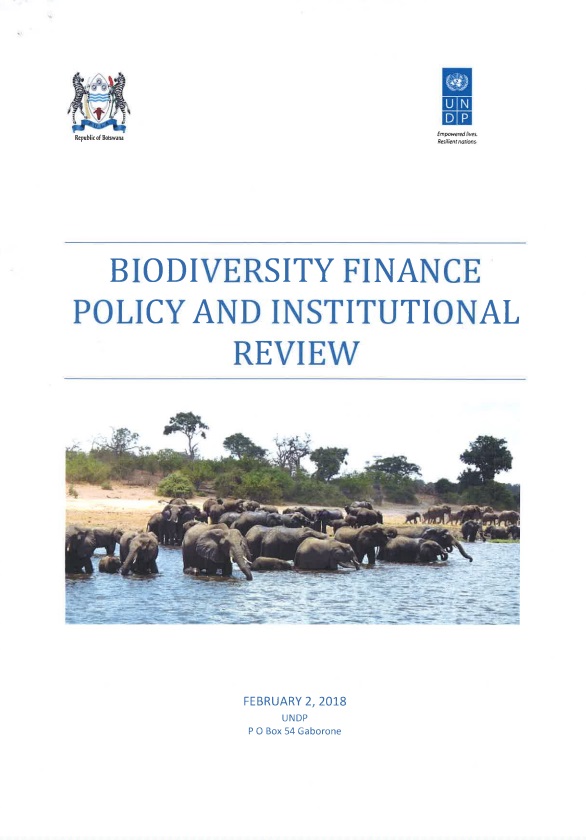
The PIR has been completed and is being readied for publishing. The process included a review of the policies, legal instruments and institutional set ups for biodiversity financing. Through the PIR, Botswana has been able to identify the priority sectors of focus for BIOFIN as well as recommendations of some of the finance solutions for consideration. Good policies and strategies are in place to guide the processes, however, weak institutional mechanisms to support implementation, fragmented responsibilities, and resource inadequacies, centralised decision making which also results in the resource burden on the side of government. Botswana's Policy and Institutional Review
Government Expenditure
The Biodiversity Expenditure Review focused on the priority sectors identified through the Biodiversity Policy and Institutional Review (PIR): water security, food security, and sustainable tourism. These priorities fall primarily under the responsibility of the Ministry of Land Management, Water and Sanitation Services (MLWS), the Ministry of Agricultural Development and Food Security (MoA), and the Ministry of Environment, Natural Resources Conservation and Tourism (MENT).
Historic expenditure by these government institutions, covering the 2012/13 to 2018/19 fiscal years, as well as spending by key non-governmental organizations (NGOs), was reviewed to identify and analyse biodiversity-related expenditure. Revenue sources linked to biodiversity were also assessed, with a particular focus on MENT.
Between 2012/13 and 2018/19, total biodiversity-related expenditure amounted to P 5.26 billion, representing approximately 1.08% of total government expenditure. Average annual biodiversity expenditure during this period was P 751 million.
MENT accounted for the largest share of biodiversity spending, with P 4 billion, equivalent to 67% of the ministry's total expenditure. MLWS was the second-largest contributor, spending P 780 million (5.6% of its total expenditure), followed by MoA with P 489 million, representing 3.6% of its total expenditure.
Projected government expenditure on biodiversity management between 2019/20 and 2025/26 is estimated at P 7.6 billion. This projection is based on historical expenditure by MENT, MoA, and MLWS, assuming a business-as-usual spending pattern and conservative budget growth.
Across the six biodiversity management categories, projected government expenditure is expected to be distributed almost evenly between sustainable use (46%) and protection (54%).
Civil Society Expenditure
Expenditure data from six of Botswana's largest non-governmental organizations (NGOs) were also analysed. Together, these organizations invested P 210 million in biodiversity-related activities between 2012/13 and 2018/19, with overall expenditure increasing broadly in line with inflation.
This Finance Needs Assessment (FNA) serves to estimate the “finance gap” associated with implementing Botswana’s National Biodiversity Strategy and Action Plan (NBSAP). It therefore quantifies the additional costs associated with the implementation of the NBSAP’s strategies and actions. A programme-based approach to costing the actions was adopted for this process and the assessment was guided by the BIOFIN methodology.
The results of the cost estimation process show that the additional funds required to implement the NBSAP would amount to approximately P833 million (US$79 million) including inflation over the 10 years of the NBSAP starting in 2016.
This translates to an average of P83 million (US$8 million) per year although funding needs vary substantially between years and are particularly high in the early years of implementation. Note that this amount excludes the salary costs for existing staff, some of whom would be responsible for the implementation of the NBSAP. The Biodiversity Finance Plan should therefore aim to lessen this funding/finance gap Botswana Finance Needs Assesment
An initial list of 29 finance solutions has been compiled and subjected to a three-step screening and prioritization process in October 2018. The Biodiversity Finance Plan builds on progress already made in Botswana to suggest finance solutions that expand the country’s biodiversity finance agenda. This offers a means to encourage action and support partnerships for investing in biodiversity. The Plan is composed of:
A prioritization of eight key finance solutions based on a participatory selection process;
Brief technical proposals to guide the implementation of the prioritized biodiversity finance solutions;
Consolidated estimates of the expected finance outcomes associated with the finance solutions where possible; and
An outline of the links between solutions forming an integrated Plan.
The eight prioritized biodiversity finance solutions in the Plan can be grouped logically according to their primary focus on
Protected areas,
Sustainable utilization and mainstreaming
Ecological management and restoration.
The total net financial gains, associated with the implementation of all the solutions where quantitative estimates were possible, would start relatively modestly at P37 million in 2020 climbing to P63 million by 2022 before decreasing and stabilizing at P33 million to P36 million from 2026 to 2028. Total cumulative net financial gains would amount to approximately P474 million (US$45.2 million) in current terms (un-discounted over 10 years). Note that these gains are inherently conservative as they include only three out of the eight solutions where quantification was possible. Implementing this Plan would thus make a highly significant contribution to reaching the country’s biodiversity conservation goals. In terms of their relative contributions, climate change funds have the potential to contribute the largest share to this total at 49%. The contribution of this solution would, however, not be sustained over the long term as grant funding would be temporary. PAs fee revenue would be the next largest contributor at 42%, followed by biodiversity offsets (9%). In addition, the CBNRM solution would contribute to increased benefits sharing with local communities that would cumulatively sum to P44 million (US$4.2 million) over 10 years. Botswana Bodiversity Finance Plan
11 finance solutions have been prioritized and technical proposals for all 11 solutions are developed to form part of the Botswana Biodiversity Finance Plan.