Sri Lanka is a global biodiversity hotspot, home to an exceptional diversity of ecosystems and endemic plants and animals found nowhere else on Earth. This natural capital underpins key sectors of the economy, including tourism, agriculture, forestry and water resources, while supporting livelihoods and essential ecosystem services. Yet biodiversity faces growing pressures from habitat degradation, climate change and unsustainable resource use, while significant investment is still needed to safeguard and restore the country’s natural assets.
Since joining UNDP BIOFIN in 2018, Sri Lanka has worked to strengthen its biodiversity finance framework and mobilize new public and private investment for nature. UNDP BIOFIN’s Finance Needs Assessment estimated that the country requires an additional US$190 million over seven years to achieve its national biodiversity targets, highlighting the need to diversify funding sources and make existing financial flows more effective.
To help address this financing challenge, UNDP BIOFIN is advancing finance solutions that connect biodiversity conservation with tourism, finance, business and local livelihoods. These include the Sustainable Finance Roadmap developed with the Central Bank of Sri Lanka, the National Sustainable Tourism Certification Scheme, Payments for Ecosystem Services and Sri Lanka’s first livestock insurance scheme addressing leopard-related losses. Together, these initiatives are helping integrate biodiversity into financial and business decisions, mobilize private investment and create stronger incentives for communities and businesses to protect nature.
$190M
Finance Needed
Additional biodiversity finance required over seven years to achieve national biodiversity targets.
$10M+
Private Investment
Mobilized through the National Sustainable Tourism Certification Scheme in 2023.
1st
Leopard Insurance
Sri Lanka launched its first livestock insurance scheme to protect leopards and support rural livelihoods.
200+
Tourism SMEs
Certified under the National Sustainable Tourism Certification Scheme, helping businesses adopt biodiversity-friendly practices and improve their competitiveness.
15–20%
Higher Income
Average increase in income reported by certified tourism businesses through sustainable tourism practices.
Sri Lanka is working on the following financial solutions.
Finance Solution 1: Sustainable Finance Framework
BIOFIN supported the Central Bank of Sri Lanka in developing the country's Sustainable Finance Roadmap, helping integrate environmental and biodiversity considerations into the financial sector. The initiative strengthened the capacity of banks and financial institutions to incorporate sustainability into lending, investment decisions, and financial products. The roadmap has since evolved into Sustainable Finance Roadmap 2.0, continuing to guide green and nature-positive finance in Sri Lanka.
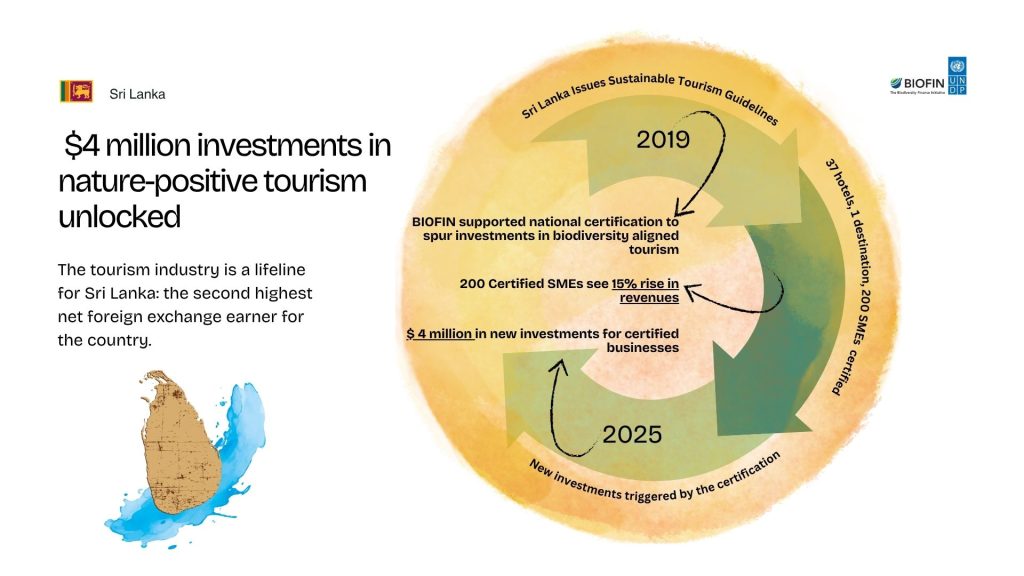
BIOFIN developed Sri Lanka's National Sustainable Tourism Certification Scheme, encouraging tourism enterprises to adopt biodiversity-friendly practices while improving environmental performance and competitiveness. The programme has expanded beyond its initial rollout to support more than 300 tourism businesses, helping mobilize private investment in biodiversity conservation and sustainable livelihoods.
Finance Solution 3: Payment for Ecosystem Services (PES)
BIOFIN pioneered Payment for Ecosystem Services (PES) in Sri Lanka through a pilot with the mini-hydropower sector. The approach has since evolved beyond power generation and is now being expanded to tea plantations, tourism businesses, hotels and other private sector partners that depend on healthy ecosystems. This demonstrates how businesses can invest directly in watershed protection, biodiversity conservation and ecosystem restoration.
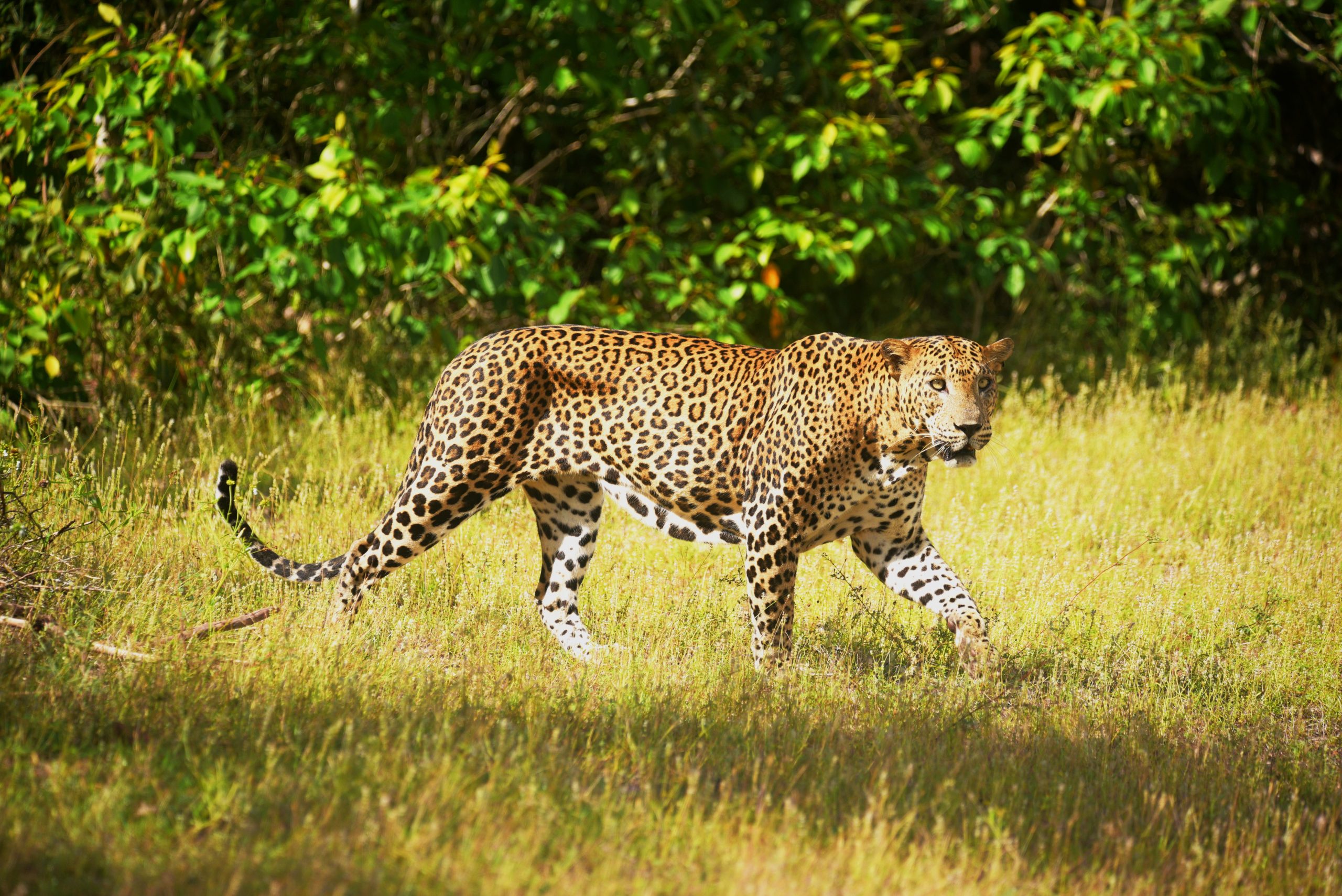
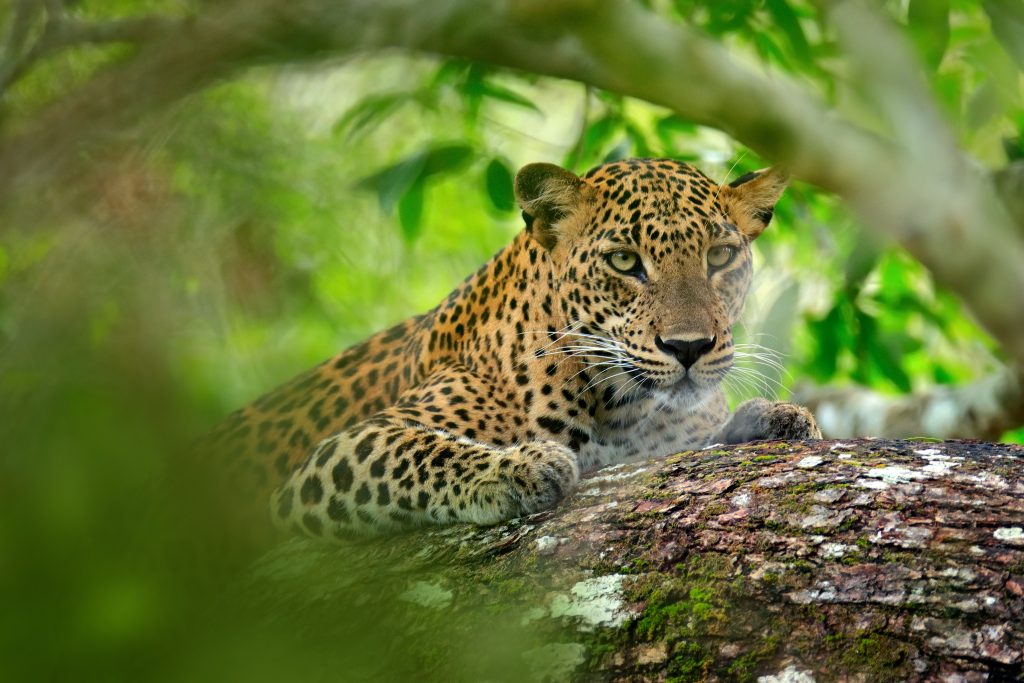
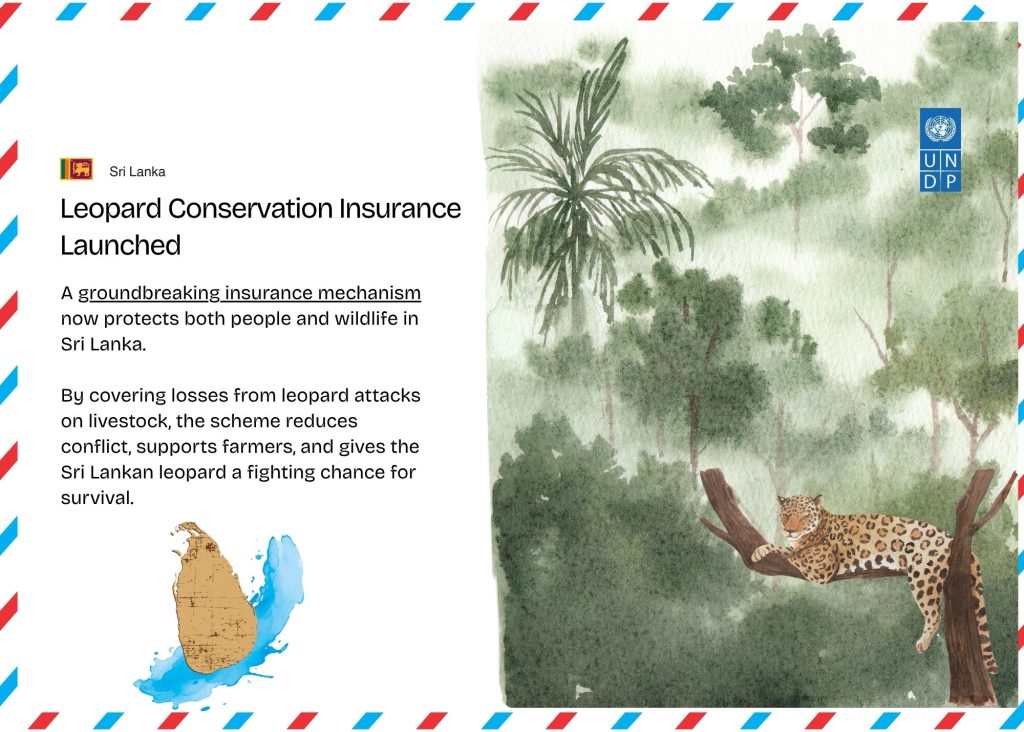
BIOFIN introduced Sri Lanka's first Leopard Conservation Insurance scheme to reduce financial losses associated with human–wildlife conflict while creating incentives to conserve the endangered Sri Lankan leopard. The initiative is part of BIOFIN's broader Insurance for Nature portfolio and demonstrates how insurance can become an innovative biodiversity finance instrument.
Key results
Launching Sri Lanka’s First Livestock Insurance Scheme for Leopard Conservation
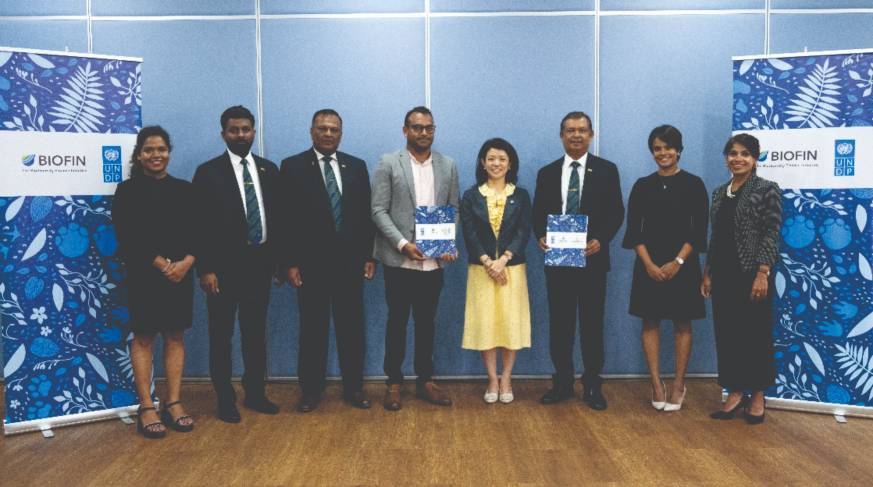
In August 2025, UNDP BIOFIN, together with the Wildlife and Nature Protection Society and LOLC Insurance, under the guidance of the Department of Wildlife Conservation, launched Sri Lanka’s first livestock insurance scheme addressing leopard-related losses. The mechanism provides financial support to farmers who lose livestock to leopard predation, reducing the economic burden on rural communities while helping prevent retaliatory killing of the endangered Sri Lankan leopard. Claims can be transferred directly to eligible farmers following verification, typically within 72 hours.
Scaling Sustainable Tourism Finance
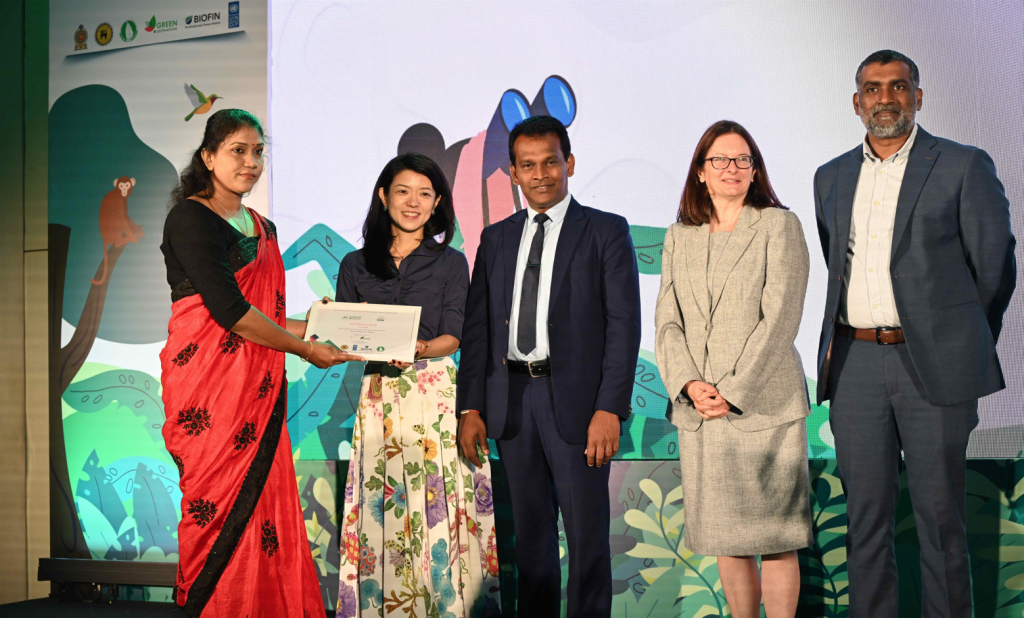
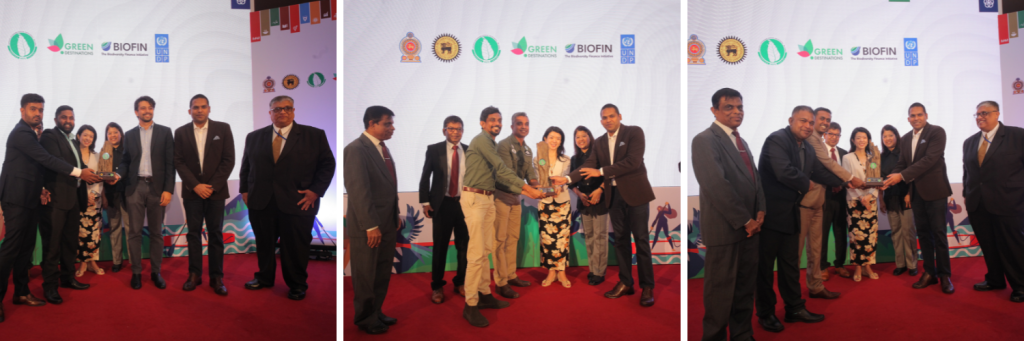
UNDP BIOFIN supported the development and expansion of Sri Lanka’s National Sustainable Tourism Certification Scheme, creating a national framework that encourages tourism businesses to adopt environmentally responsible practices and invest in sustainable biodiversity management. In 2025, 100 SMEs received National Sustainable Tourism Certification, including 27 women-owned enterprises. The programme has expanded to support more than 200 small tourism entrepreneurs in adopting sustainable practices and accessing new market opportunities.
Advancing Payments for Ecosystem Services
UNDP BIOFIN is helping Sri Lanka advance Payments for Ecosystem Services (PES) as a mechanism for mobilizing private finance for nature. Building on earlier work in the hydropower sector, the programme has expanded engagement with government, businesses and communities and strengthened national capacity to design and implement PES mechanisms. In 2026, a new PES guide highlighted practical models already emerging in Sri Lanka, including tea estates investing in watershed protection, tourism businesses supporting landscapes along the Pekoe Trail, and private companies contributing to healthier coastal ecosystems.
Building Private-Sector Investment in Ecosystem Services
Sri Lanka’s work on PES is demonstrating how businesses that depend on healthy ecosystems can contribute directly to their protection. Emerging partnerships link ecosystem conservation with economic benefits such as reliable water supplies, hydropower generation, sustainable tea production and nature-based tourism. These approaches are helping demonstrate that investment in ecosystem services can be a long-term business and financing strategy rather than relying solely on public conservation funding.
Greening Sri Lanka’s Financial Sector
UNDP BIOFIN supported the Central Bank of Sri Lanka in developing the Sustainable Finance Roadmap and strengthened the capacity of banking-sector officials to engage in sustainable finance initiatives. This work has helped establish an enabling framework for integrating environmental considerations into financial decision-making and mobilizing private capital toward sustainable and nature-positive investment.
Mobilizing Investment through Sustainable Tourism
The National Sustainable Tourism Certification Scheme has also helped catalyze wider investment in transforming Sri Lanka’s tourism sector. UNDP reported approximately US$30 million in investments to help accommodation providers align with the certification system, demonstrating how standards and certification can help redirect private investment toward more sustainable tourism practices.
Key documents
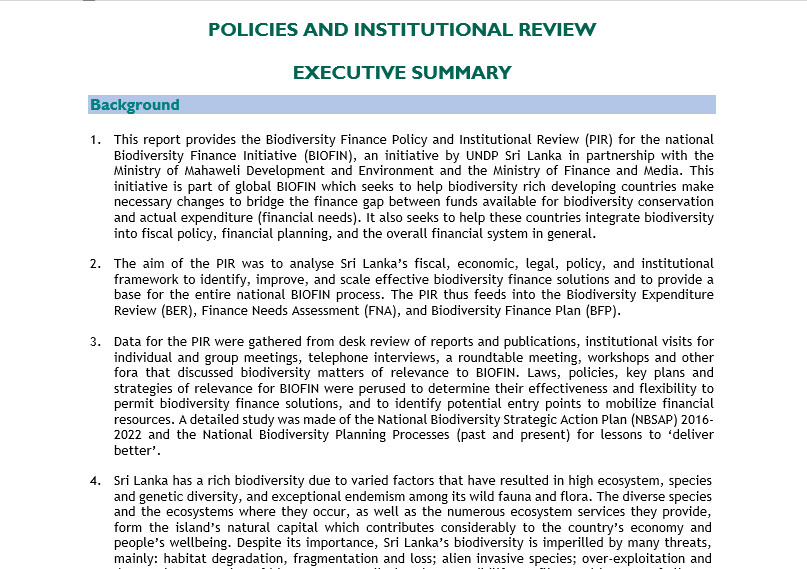
The Executive Summary of the Policy and Institutional Review (PIR)
conducted in Sri Lanka highlights both the enabling factors and the challenges
affecting the achievement of the country's national biodiversity targets. The
full PIR report provides a comprehensive analysis of these findings and
recommendations.
The Biodiversity Expenditure Review (BER) assessed
biodiversity-related investments in Sri Lanka between 2010 and 2015. It found
that government spending on biodiversity increased by 125% over the period,
demonstrating a growing commitment to conservation. However, the review also
concluded that existing investments remained insufficient to fully achieve the
country's national biodiversity targets. Average annual government expenditure
on biodiversity was approximately LKR 7 billion (around US$45 million).
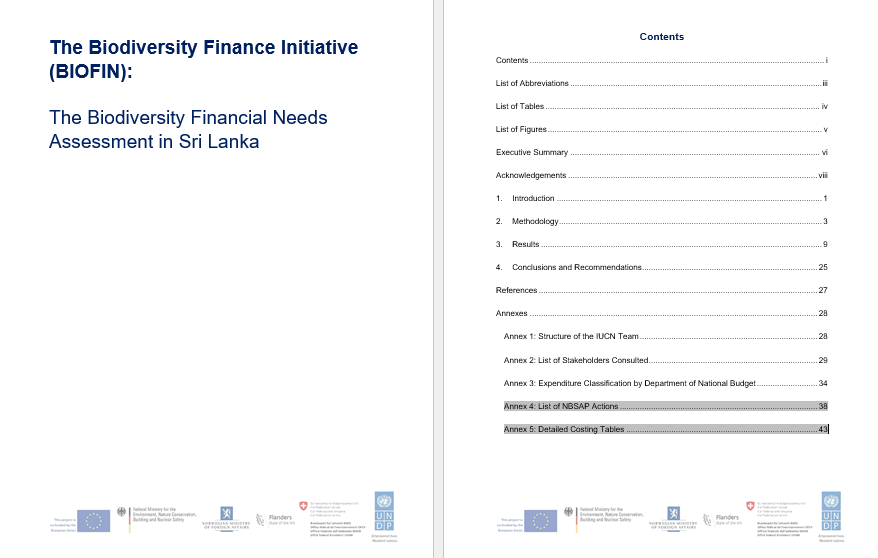
Sri Lanka's Financial Needs Assessment (FNA) estimated the
additional financial resources required to implement four national action plans
with biodiversity-related objectives, including the National Biodiversity
Strategy and Action Plan (NBSAP). Assuming the government maintains its current
level of investment, the assessment concluded that Sri Lanka would require an
additional LKR 31 billion (approximately US$190 million) over the following
seven years to achieve its national biodiversity targets.