Knowledge base

Browse the Knowledge Platform

13 Results
Publications


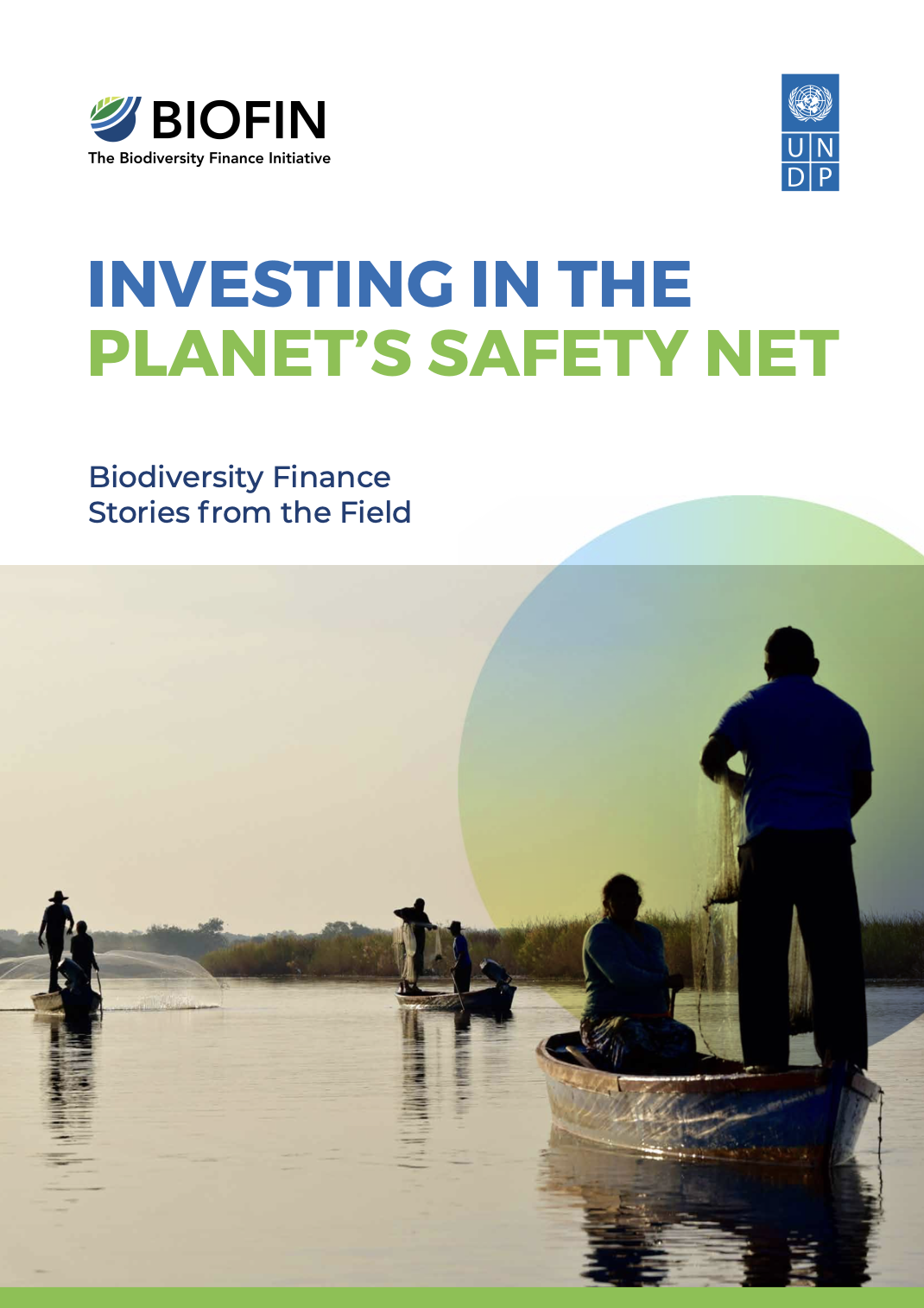
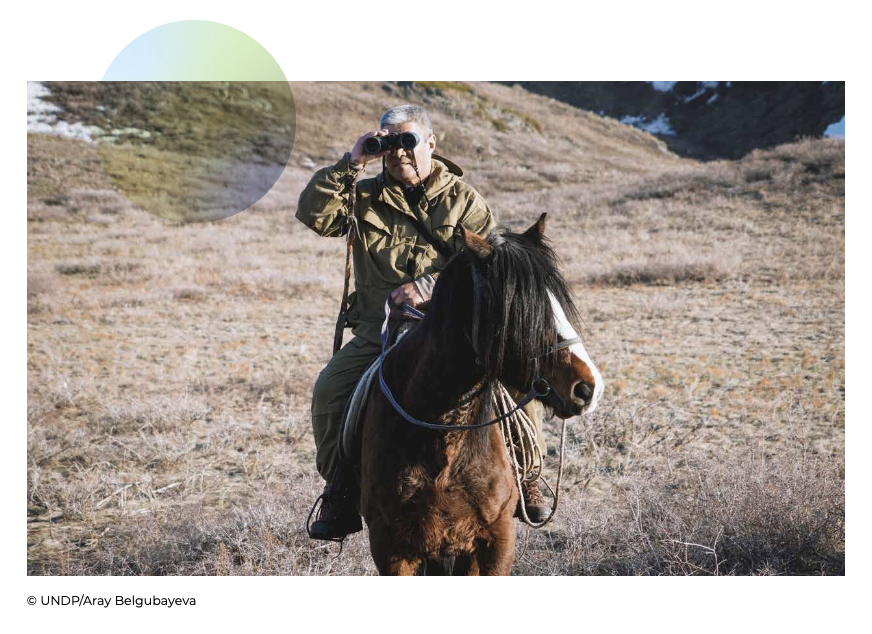
Biodiversity finance solutions have the potential to unlock a better future for people and the planet, but they can only work when partners from all levels come together. This collection of 11 stories demonstrates the power and sheer variety of biodiversity finance solutions being implemented across the world. 

Each story, authored by a partner working alongside UNDP-BIOFIN, offers an insight into how biodiversity finance solutions help put us on a path to a nature-positive future. From community leaders to mayors, from national park Directors to government partners, the authors speak to the power of biodiversity finance solutions and how they are protect and restore nature while also boosting economies more sustainably.  

Screenshot 2022-12-07 at 10.18.19.png

Publications

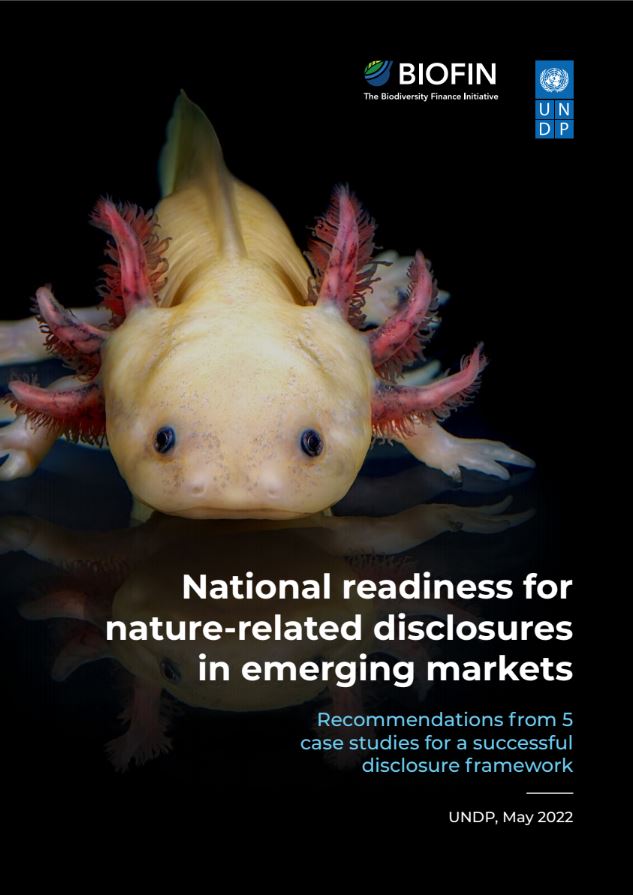
From late 2021 to early 2022, UNDP, with funding from the Government of Italy, conducted a study of five emerging economies (Indonesia, India, Mexico, Zambia, and Costa Rica) with a view to assessing their readiness for nature-related disclosures.

The studies were based on ten questions and data collected through interviews and questionnaires with regulators and supervisors, complemented by desk reviews. At the country level, the studies were led by UNDP-BIOFIN (Biodiversity Finance Initiative) country teams. This report presents a summary of results to offer decision-makers and experts insights into the practical application of nature-related disclosures. 

Publications

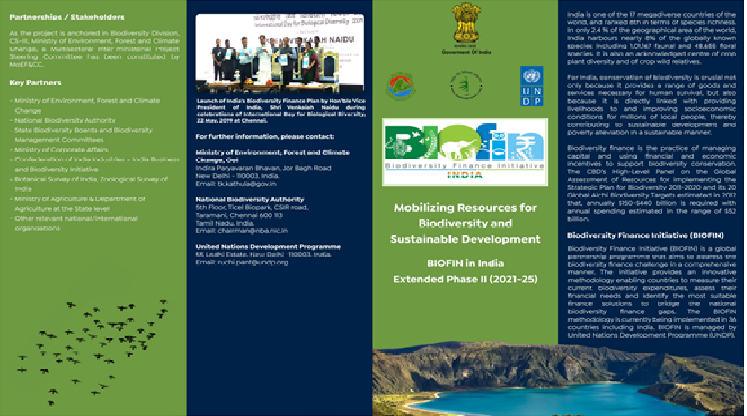
The brochure for the BIOFIN Extended Phase 2 in India, running from 2021-2025.

Publications

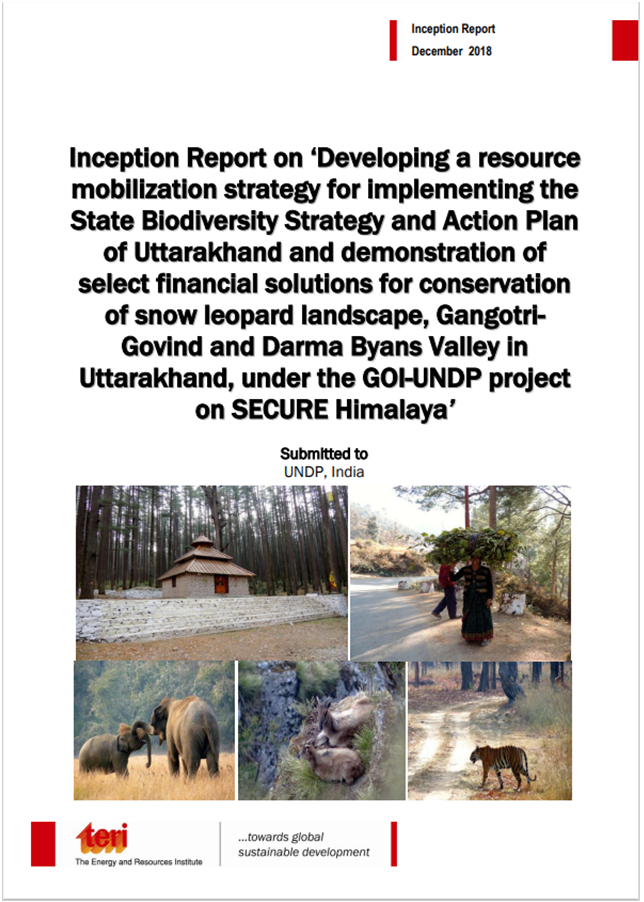
Inception Report on 'Developing a resource mobilisation strategy for implementing a State Biodiversity Strategy and Action Plan of Uttarakhand and demonstration of select financial solutions for conservation of the snow leopard landscape, Gangotri-Govind and Darma Byans Valley in Uttarakhand, under the GoI-UNDP project on SECURE Himalaya.

Publications

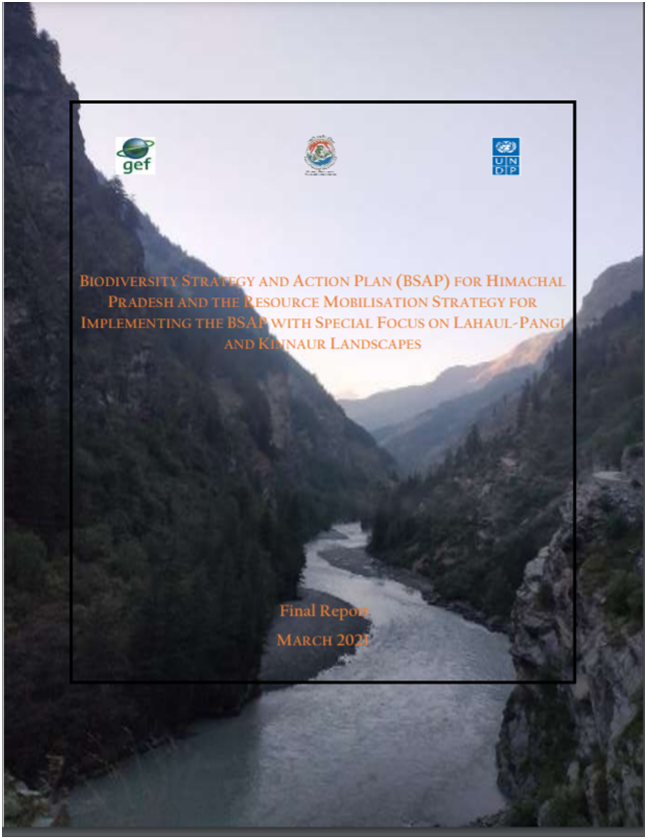
The "Biodiversity Strategy and Action Plan (BSAP) for Himachal Pradesh and the Resource Mobilisation Strategy for Implementing the BSAP with Special Focus on Lahaul-Pangi and Kinnaur Landscapes” covers important issues around conservation of biodiversity in Himachal Pradesh through an exhaustive research including field visits and stakeholder consultations. The empirical analysis and investigations have led to a number policy recommendations which will be extremely useful to the central government and the government of Himachal Pradesh in their efforts to improve the status of biodiversity, natural resources and ecosystem services in the state and the identified landscapes

Publications

Identification and analysis of the key building blocks for a Biodiversity Finance Plan in India, including identification of revenue sources and type of instruments used to mobilise capital for biodiversity at the central government level and mapping revenue flows to the central government from biodiversity. 

Publications

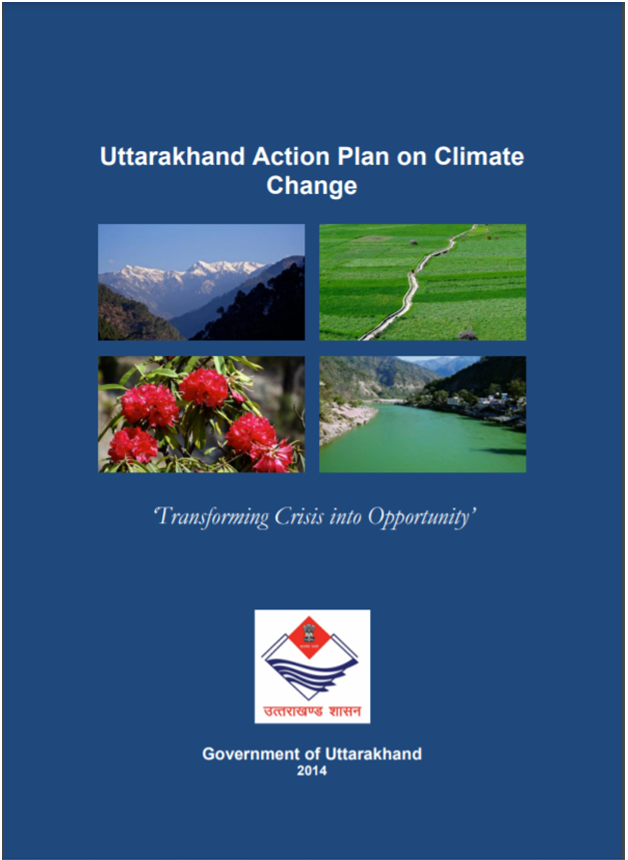
The state of Uttarakhand is most vulnerable to climate mediated risks. Mountainous regions are vulnerable to climate change and have shown “above average warming” in the 20th century. The Uttarakhand Action Plan on Climate Change (UAPCC) has been formulated in accordance with the principles and guidelines of the National Action Plan on Climate Change (NAPCC). The UAPCC integrates the action plan of Uttarakhand with the ongoing and proposed developmental programmes in the state, and in tandem with the eight national missions along with the principles and guidelines listed out in the NAPCC.

Publications

The “Biodiversity Strategy and Action Plan (BSAP) of Sikkim and the Resource Mobilisation Strategy for implementing the BSAP with the focus on Khangchendzonga – Upper Teesta Valley” covers important issues around conservation of biodiversity in Sikkim, India, undertaken through exhaustive research including desk based, empirical and policy research, field visits and stakeholder consultations. The empirical analysis and investigations have enabled a number of policy recommendations which will be extremely useful to the central government and the government of Sikkim in their efforts to improve the status of biodiversity, natural resources and ecosystem services in the state and the identified landscapes.

Publications
Publications
Publications

Based on detailed assessments done in consultation with technical experts, the annual average financial requirement for implementing the National Biodiversity Action Plan (NBAP) is estimated to be nearly USD 16.5 billion (2017-18 to 2021-22). Annual average gap in available public resources for implementing the NBAP is estimated to be nearly USD 6.5 billion for the period of 2017-18 to 2021-22. Based on the FNA and BER exercises, some of the priority areas for enhancing biodiversity finance include: Strengthening and Integration of In-Situ Conservation, Regulation of Invasive Alien Species Introduction and their Management, Development and Integration of Biodiversity Database, Valuation of Goods and Services provided by Biodiversity and Use of Economic Instruments and Decision-making processes & International Cooperation.

Publications

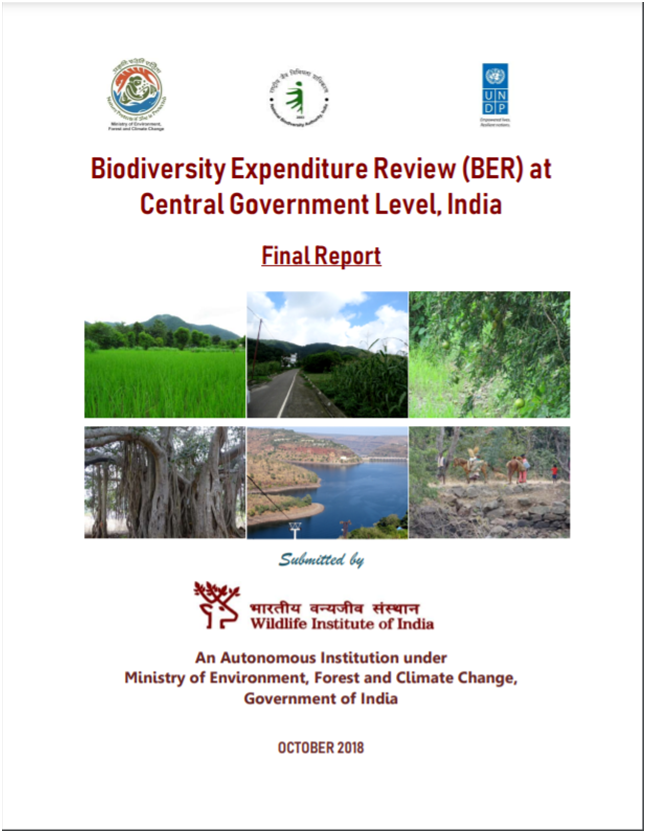
Based on technical consultations and guided by the BIOFIN Workbook, a customized methodology has been developed  in India for assessing the current and projected levels of biodiversity-attributable expenditures in the country and to assess financial needs for implementing the NBAP. As a result of research, analysis and a wide range of consultations and validation exercises, the BER process in India has mapped 116 schemes of 24 central line ministries and 29 departments having varied degree of relevance with biodiversity.

Knowledge Partners

Biodiversity and Ecosystem Services Network logo
Biodiversity finance resources library and forum.
Sustainable Development Finance Platform logo
Guidance and detailed descriptions of finance solutions for sustainable development.

NBSAP logo
Support for action on National Biodiversity Strategy and Action Plans