Knowledge Base

KNOWLEDGE HUB

Knowledge Hub

Access BIOFIN's library of resources, including flagship publications, country reports, finance solution case studies, webinars, explainer videos, podcasts, and more.

Key Publications

Publications

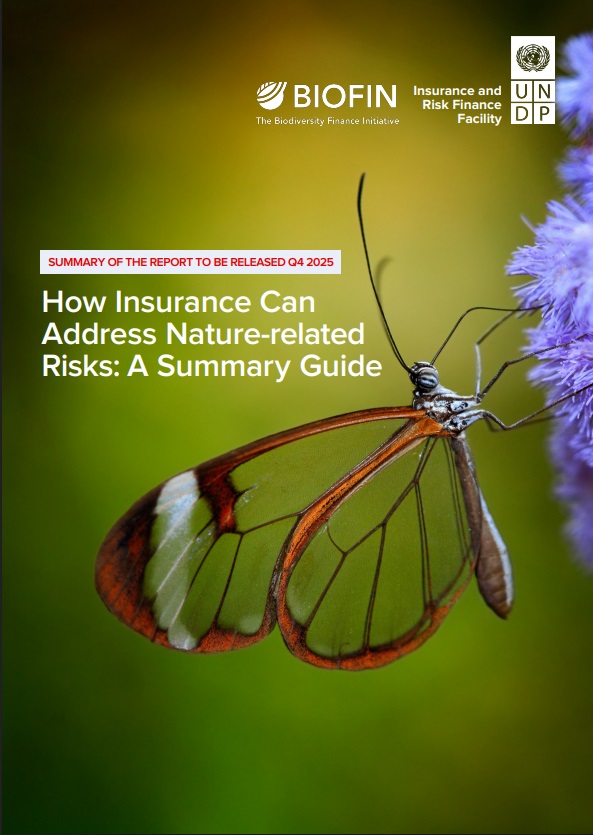
Insurance can play a crucial role in biodiversity conservation by providing financial protection against risks to natural assets, incentivizing sustainable practices, and securing key investments.
Publications

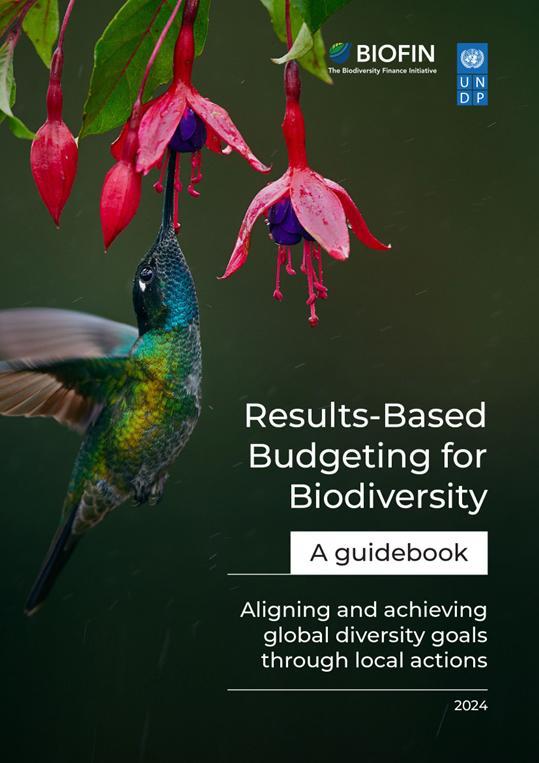
In 2022, countries adopted new global biodiversity targets under the Kunming-Montreal Global Biodiversity Framework (GBF), revisiting many goals that had gone unachieved or underachieved over the past decade.
Publications

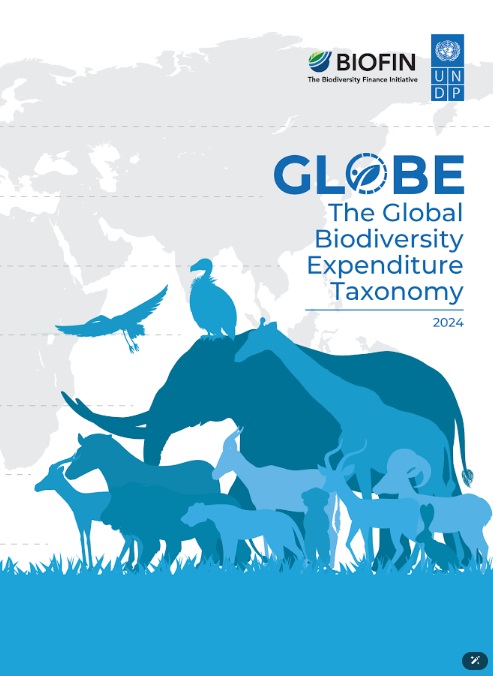
Global Biodiversity Expenditure (GLOBE) is a taxonomy that categorizes all potential public expenditures for biodiversity.

The taxonomy consists of two components:
Publications

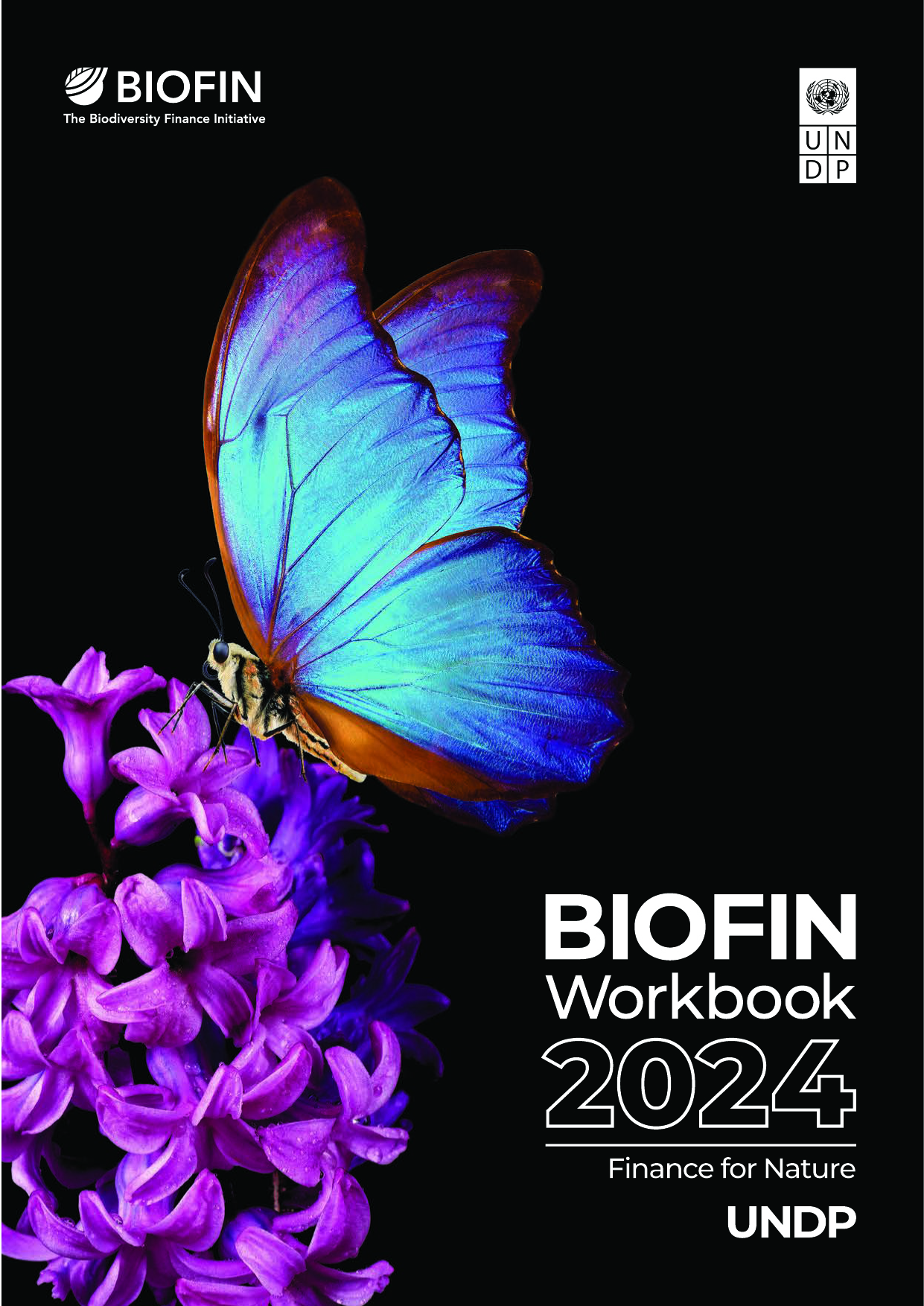
The BIOFIN Workbook 2024 provides detailed guidance to design and implement national biodiversity finance plans.  These are not mere plans. They set out a process to engage a coalition of actors around the issue of biodiversity finance for an extended time.
Publications

At the Conference of the Parties to the Convention on Biological Diversity 15 (CBD COP 15) in 2022, countries agreed to review and update their National Biodiversity Strategy and Action Plans
Publications

Well-intentioned subsidies aimed at socio-economic goals can have unintended negative impacts on the environment, including biodiversity. The BIOFIN team has developed a step-by-step guide to repurpose such subsidies and improve their positive impacts on people and nature.
Publications

The Kunming-Montreal Global Biodiversity Framework (GBF) calls for a whole-of-society approach to halting and reversing nature loss.

Publications


The Little Book of Investing in Nature provides an essential overview of the area of biodiversity finance at a time when governments and international negotiators are urgently seeking pragmatic solutions for the twin crises of climate change and the loss of nature.

E-LEARNING

Learning for nature: our free biodiversity finance certified e-learning course

Take our free biodiversity finance certified e-learning course. Master the methodology, connect with experts, and gain certification.

Start E-Learning
Browse the Knowledge Platform
7 Results
Publications

As the global community intensifies efforts to address the twin crises of climate change and biodiversity loss, the integration of nature into financial decision-making has become an urgent priority. The Taskforce on Nature-related Financial Disclosures (TNFD) offers a transformative framework to help countries and companies identify, assess, and disclose nature-related risks and opportunities. Rwanda, a nation globally recognized for its environmental leadership and green growth ambitions, is now taking bold steps to align its financial systems with this emerging global standard.

This policy brief, titled “Is Rwanda Ready for Nature-Related Financial Disclosures?”, provides a comprehensive assessment of the country’s readiness to adopt and implement TNFD-aligned reporting. It explores the institutional, regulatory, and market foundations that are already in place, while identifying critical gaps and opportunities for action.

Rwanda’s economy is deeply intertwined with nature. Over 70% of the population depends on agriculture, and key sectors such as tourism, energy, and water management rely heavily on healthy ecosystems. Yet, the country faces escalating nature-related risks—from land degradation and water stress to biodiversity loss—driven by climate change and unsustainable land use. Recognizing these challenges, Rwanda has made significant progress in valuing its natural capital through initiatives like Natural Capital Accounting (NCA), the Rwanda Green Taxonomy, and the Biodiversity Expenditure Review.

The brief highlights Rwanda’s robust legal and policy architecture, including the leadership of the National Bank of Rwanda (BNR) and the Capital Market Authority (CMA) in embedding sustainability into financial regulation. New guidelines aligned with IFRS S1 and S2 are paving the way for mandatory sustainability disclosures, while institutions like rwanda Environmental Managemnet Authority (REMA), rwanda Green Fund (RGF), and ICPAR are supporting implementation through technical expertise and capacity-building.

However, the transition to nature-related financial disclosure is still in its early stages. Most financial institutions do not yet assess biodiversity risks or use nature-based metrics in investment decisions. Data systems remain fragmented, and market awareness of TNFD principles is limited. To address these challenges, the brief proposes a phased roadmap grounded in international best practices, emphasizing institutional coordination, regulatory reform, data infrastructure, and stakeholder engagement.

This policy brief is both a diagnostic and a call to action. It underscores Rwanda’s potential to become a regional leader in nature-positive finance, provided it accelerates the institutionalization of nature-related risk management. With strong political will, a growing green finance ecosystem, and support from global partners like UNDP BIOFIN, Rwanda is well-positioned to align its financial systems with the needs of a sustainable, resilient future.

We invite policymakers, financial institutions, development partners, and civil society to engage with the findings and recommendations of this brief. Together, we can ensure that nature is not only protected but also valued as a cornerstone of Rwanda’s economic development.

Publications

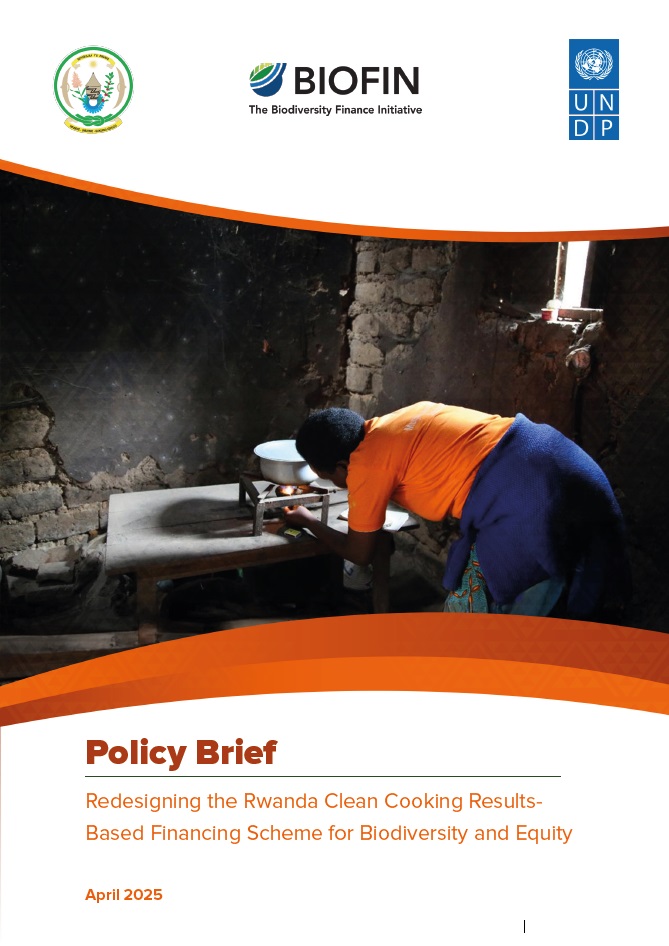
This policy brief presents key insights from a recent study proposing a strategic redesign of Rwanda’s Clean Cooking Results-Based Financing (CC-RBF) scheme. The brief explores how the CC-RBF could be enhanced to accelerate the country’s transition from traditional firewood use to cleaner, more sustainable cooking technologies.

The proposed redesign is not a finalized policy but a set of evidence-based recommendations aimed at addressing pressing environmental and social challenges. These include reducing deforestation, protecting biodiversity, improving public health, and promoting social equity—particularly for women and children who are most affected by traditional cooking practices.

The brief suggests scaling up access to clean cookstoves, targeting implementation in biodiversity and deforestation hotspots, and integrating sustainable fuel alternatives such as LPG and biomass briquettes. It also emphasizes the importance of robust monitoring systems, public awareness campaigns, and support for local innovation.

Aligned with Rwanda’s Vision 2050 and its climate commitments, these proposals provide a roadmap for a more inclusive and resilient transition to clean cooking. The accompanying policy brief outlines three potential pathways for implementation, offering a foundation for informed dialogue and future action.

Publications

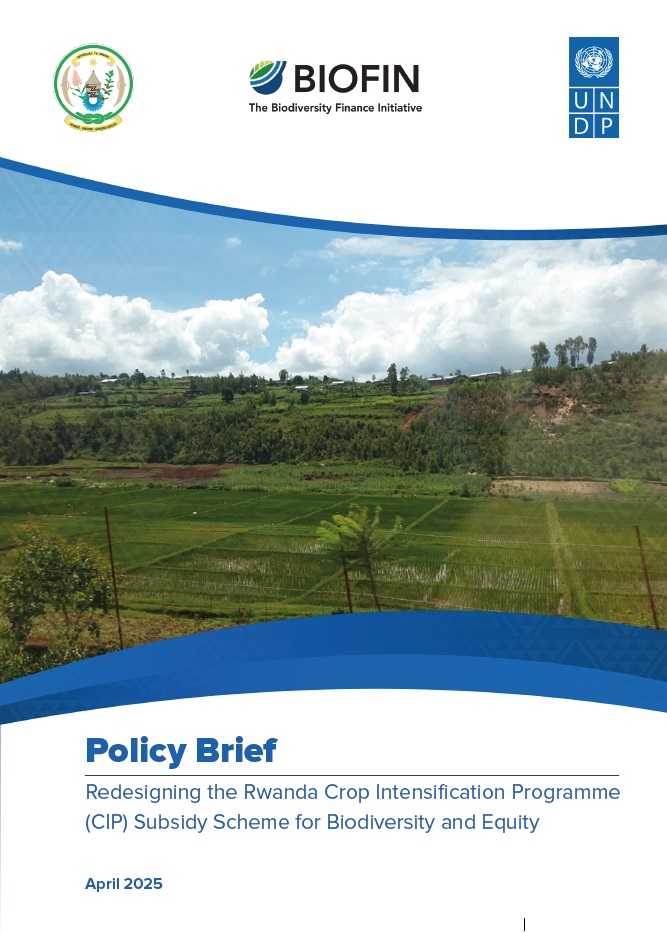
As Rwanda continues its journey toward sustainable development, a recent study offers valuable insights into how the Crop Intensification Programme (CIP) could evolve to better support biodiversity and social equity. While the CIP has played a vital role in boosting agricultural productivity, the study highlights environmental and social challenges linked to its current subsidy model—particularly the reliance on inorganic fertilisers and monocropping practices.

The findings suggest that a phased reduction of inorganic fertiliser subsidies, especially in rice cultivation, could help mitigate biodiversity loss and soil degradation. The policy brief proposes reallocating resources to promote organic fertilisers, strengthen farmer support systems like the Girinka programme, and invest in research, extension services, and sustainable land management.

Importantly, these recommendations are intended to inform ongoing dialogue and policy development, offering a roadmap for aligning agricultural productivity with environmental sustainability and social inclusion.

This work supports Rwanda’s Vision 2050 and provides a foundation for future discussions on how to balance food security with ecological resilience. Stakeholder engagement, inclusive decision-making, and adaptive management are central to the proposed approach.

Publications

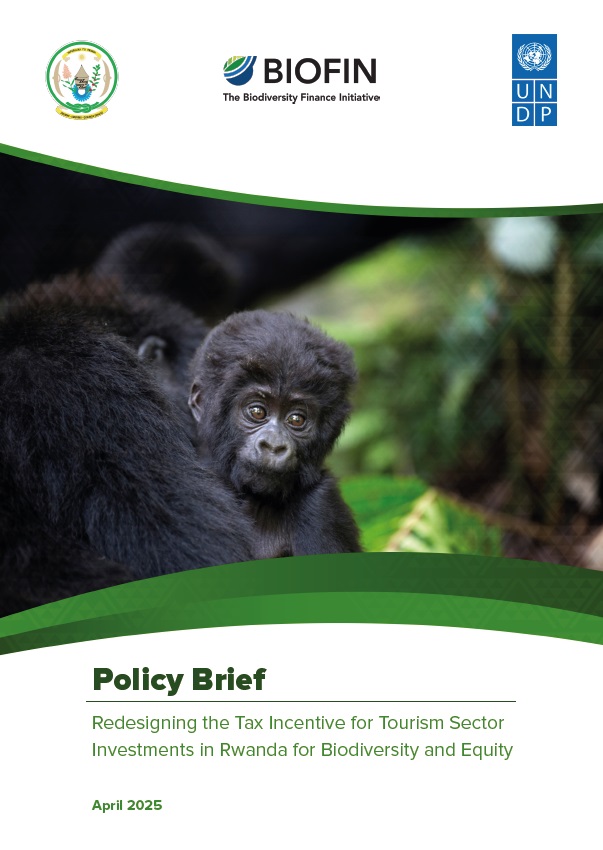
Rwanda is exploring innovative ways to make its tourism sector more inclusive and environmentally sustainable. This policy brief, summarized the potential of redesigning the country’s tourism tax incentive to better support biodiversity, equity, and climate resilience.

The policy brief proposes a dual-track tax incentive system—one that maintains benefits for large-scale investors while introducing a new pathway for smaller developers who adopt certified green technologies. This approach could help reduce ecological harm, promote innovation, and create more opportunities for local businesses in eco-tourism.

The key findings offer a strategic direction for aligning fiscal incentives with Rwanda’s Vision 2050, which prioritizes sustainable development and a clean, resilient environment. The policy brief also highlights key environmental challenges linked to tourism infrastructure, such as habitat fragmentation and water pollution, and suggests ways to address them through policy reform.

This brief is intended to inform dialogue among policymakers, investors, and conservation stakeholders. It invites further discussion on how Rwanda can lead the way in sustainable tourism by integrating environmental performance into investment incentives.


Publications