Knowledge Base

KNOWLEDGE HUB

Knowledge Hub

Access BIOFIN's library of resources, including flagship publications, country reports, finance solution case studies, webinars, explainer videos, podcasts, and more.

Key Publications
Publications

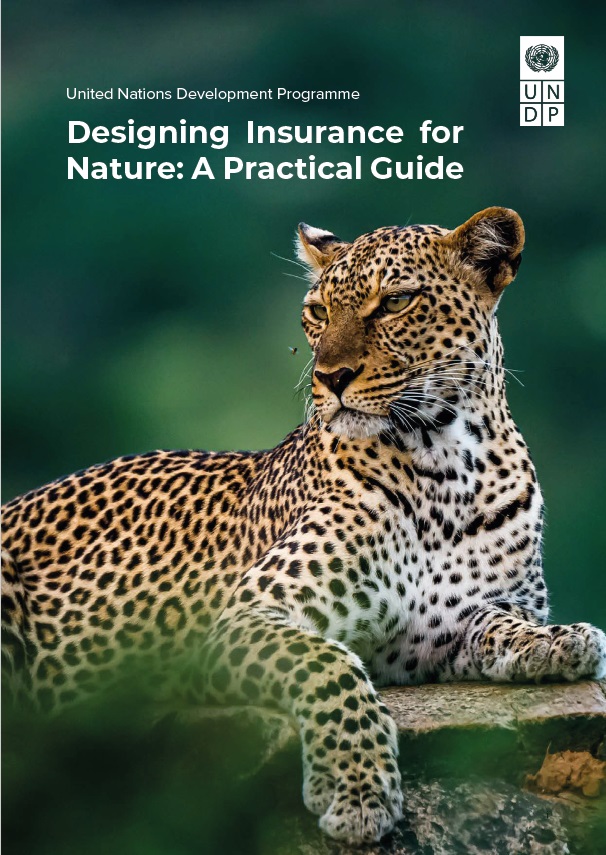
Insurance can play a crucial role in biodiversity conservation by providing financial protection against risks to natural assets, incentivizing sustainable practices, and securing key investments.
Publications

In 2022, countries adopted new global biodiversity targets under the Kunming-Montreal Global Biodiversity Framework (GBF), revisiting many goals that had gone unachieved or underachieved over the past decade.
Publications

Global Biodiversity Expenditure (GLOBE) is a taxonomy that categorizes all potential public expenditures for biodiversity.

The taxonomy consists of two components:
Publications

The BIOFIN Workbook 2024 provides detailed guidance to design and implement national biodiversity finance plans.  These are not mere plans. They set out a process to engage a coalition of actors around the issue of biodiversity finance for an extended time.
Publications

At the Conference of the Parties to the Convention on Biological Diversity 15 (CBD COP 15) in 2022, countries agreed to review and update their National Biodiversity Strategy and Action Plans
Publications

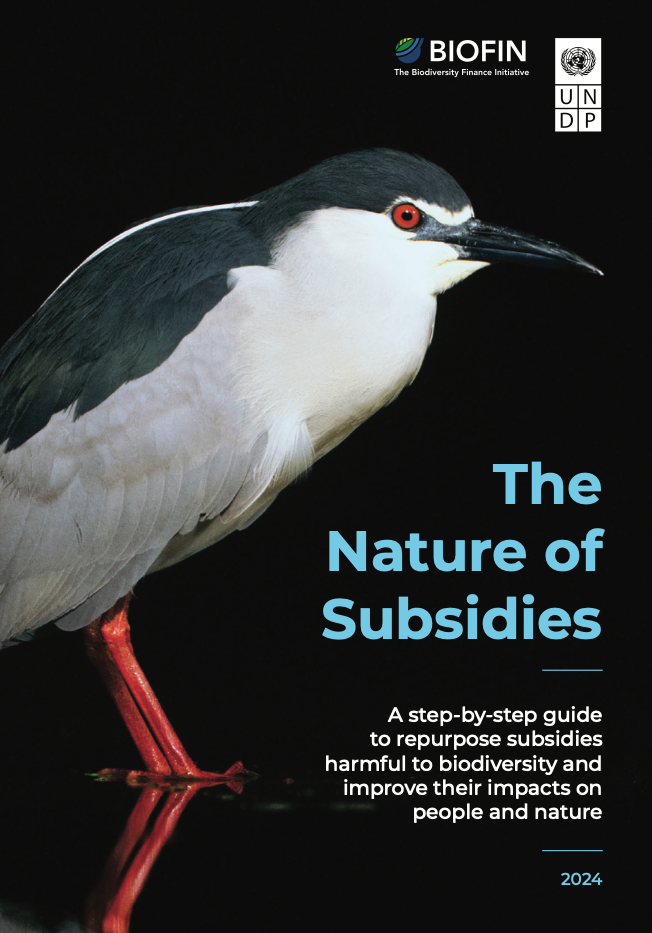
Well-intentioned subsidies aimed at socio-economic goals can have unintended negative impacts on the environment, including biodiversity. The BIOFIN team has developed a step-by-step guide to repurpose such subsidies and improve their positive impacts on people and nature.
Publications

The Kunming-Montreal Global Biodiversity Framework (GBF) calls for a whole-of-society approach to halting and reversing nature loss.

Publications


The Little Book of Investing in Nature provides an essential overview of the area of biodiversity finance at a time when governments and international negotiators are urgently seeking pragmatic solutions for the twin crises of climate change and the loss of nature.

E-LEARNING

Learning for nature: our free biodiversity finance certified e-learning course

Take our free biodiversity finance certified e-learning course. Master the methodology, connect with experts, and gain certification.

Start E-Learning
Browse the Knowledge Platform
636 Results
Publications

The goal of this document is to provide information about what Habitat Banks are and their advantages as an instrument for the effective mobility of resources for funding biodiversity in Colombia, as an environmental offset mechanism, and as an economic driver of the rural economy. First of all, a context is provided on the current state of biodiversity finance in Colombia. Second, it is explained what Habitat Banks are and their advantages as an offset mechanism, financial instrument, and generator of employment and rural development. In conclusion, it mentions public policy needs to advance in implementing Habitat Banks in relation to the current regulation, to materialize the potential of this mechanism, together with a high-integrity biodiversity credits market for the country.


To see this document in english, click in the below link

Para ver este documento en español, haga click en el siguiente enlace

Publications

Este documento es una primera aproximación al análisis de los incentivos perversos sobre la biodiversidad en Colombia, el cual permite establecer bases para la generación de discusiones que permita dar cumplimiento a los compromisos internacionales adquiridos en materia ambiental. Este documento presenta los resultados en dos fases: la primera, a nivel nacional a partir de análisis de información bibliográfica, estadística y cartográfica para identificar incentivos con potenciales impactos negativos sobre la biodiversidad y generar recomendaciones para la implementación de una hoja de ruta de reforma; y la segunda, un análisis de la incidencia de los incentivos en los servicios ecosistémicos de la región de La Mojana, que consideró información técnica, estadística y cartográfica, complementada con un ejercicio de levantamiento de información en campo a partir de talleres y entrevistas estructuradas y semiestructuradas a las comunidades, asociaciones de campesinos, productores e instituciones públicas presentes en el territorio a fin de conocer sus apreciaciones sobre los cambios en los servicios ecosistémicos más importantes para el desarrollo de sus actividades.

Para el desarrollo de este análisis, el PNUD a través de su iniciativa BIOFIN en Colombia, contó con la asesoría técnica del Centro Latinoamericano para el Desarrollo Rural – Rimisp en alianza estratégica con la Organización Colombia Rural y el Centro de Investigación en Sistemas Agroalimentarios de la Universidad de Los Andes. Además, contó con los análisis técnicos proporcionados por el Programa Mojana “Clima y Vida” que el PNUD viene implementando con recursos del Fondo Verde del Clima y el gobierno nacional en Colombia.

Para consultar el documento, haga click aquí.

Case Studies

This document provides an initial analysis of harmful incentives affecting biodiversity in Colombia, laying the groundwork for discussions that support the country’s international environmental commitments.

The findings are presented in two phases:

  • National-Level Analysis: The first phase examines bibliographic, statistical, and cartographic data to identify incentives that may negatively impact biodiversity. It also offers recommendations for developing a reform roadmap.
  • Regional Case Study – La Mojana: The second phase assesses how these incentives affect ecosystem services in the La Mojana region. This analysis integrates technical, statistical, and cartographic information with fieldwork, including workshops and structured and semi-structured interviews with local communities, farmer associations, producers, and public institutions. The aim is to capture their perspectives on changes in the ecosystem services essential to their livelihoods.

This study was conducted by UNDP through its BIOFIN initiative in Colombia, with technical support from the Latin American Center for Rural Development - Rimisp, in strategic partnership with Colombia Rural Organization and the Research Center on Agri-Food Systems at Universidad de Los Andes. It also draws on technical analyses from the Mojana “Climate and Life” Program, which UNDP is implementing with funding from the Green Climate Fund and the Colombian government.

Publications

Este documento es una primera aproximación al análisis de los incentivos perversos sobre la biodiversidad en Colombia, el cual permite establecer bases para la generación de discusiones que permita dar cumplimiento a los compromisos internacionales adquiridos en materia ambiental. Este documento presenta los resultados en dos fases: la primera, a nivel nacional a partir de análisis de información bibliográfica, estadística y cartográfica para identificar incentivos con potenciales impactos negativos sobre la biodiversidad y generar recomendaciones para la implementación de una hoja de ruta de reforma; y la segunda, un análisis de la incidencia de los incentivos en los servicios ecosistémicos de la región de La Mojana, que consideró información técnica, estadística y cartográfica, complementada con un ejercicio de levantamiento de información en campo a partir de talleres y entrevistas estructuradas y semiestructuradas a las comunidades, asociaciones de campesinos, productores e instituciones públicas presentes en el territorio a fin de conocer sus apreciaciones sobre los cambios en los servicios ecosistémicos más importantes para el desarrollo de sus actividades.

Para el desarrollo de este análisis, el PNUD a través de su iniciativa BIOFIN en Colombia, contó con la asesoría técnica del Centro Latinoamericano para el Desarrollo Rural – Rimisp en alianza estratégica con la Organización Colombia Rural y el Centro de Investigación en Sistemas Agroalimentarios de la Universidad de Los Andes. Además, contó con los análisis técnicos proporcionados por el Programa Mojana “Clima y Vida” que el PNUD viene implementando con recursos del Fondo Verde del Clima y el gobierno nacional en Colombia.

Para consultar el documento, haga click aquí.

Case Studies

This document provides an initial analysis of harmful incentives affecting biodiversity in Colombia, laying the groundwork for discussions that support the country’s international environmental commitments.

The findings are presented in two phases:

  • National-Level Analysis: The first phase examines bibliographic, statistical, and cartographic data to identify incentives that may negatively impact biodiversity. It also offers recommendations for developing a reform roadmap.
  • Regional Case Study – La Mojana: The second phase assesses how these incentives affect ecosystem services in the La Mojana region. This analysis integrates technical, statistical, and cartographic information with fieldwork, including workshops and structured and semi-structured interviews with local communities, farmer associations, producers, and public institutions. The aim is to capture their perspectives on changes in the ecosystem services essential to their livelihoods.

This study was conducted by UNDP through its BIOFIN initiative in Colombia, with technical support from the Latin American Center for Rural Development - Rimisp, in strategic partnership with Colombia Rural Organization and the Research Center on Agri-Food Systems at Universidad de Los Andes. It also draws on technical analyses from the Mojana “Climate and Life” Program, which UNDP is implementing with funding from the Green Climate Fund and the Colombian government.

Publications

La Iniciativa Finanzas de la Biodiversidad (BIOFIN) del Programa de Naciones Unidas para el Desarrollo en México, en conjunto con la Secretaría de Medio Ambiente y Desarrollo Territorial de Jalisco, desarrollaron el Análisis del gasto público a favor de la biodiversidad 2019-2022. El estudio presenta el monto y análisis de los gastos de la administración pública estatal orientados a la conservación y el uso sostenible de la biodiversidad. 

Adicionalmente, este documento se alinea con los instrumentos de política ambiental estatal “Jalisco con Bosques”, la Estrategia Estatal sobre Biodiversidad de Jalisco y la Estrategia del Estado de Jalisco para la Integración de la Biodiversidad en sectores productivos.

El Análisis del Gasto Público en Biodiversidad en Jalisco representa una fuente de información fundamental para el Gobierno del estado para conocer los recursos de la cuenta pública que se asignan y se ejecutan para acciones dirigidas a favor de la biodiversidad, por parte de todas las dependencias gubernamentales independientemente si son o no de carácter ambiental.

Esta información también permite identificar las brechas de financiamiento y su relación con los vacíos de conservación. Así, se fortalece la consecución de metas estatales relacionadas con el medio ambiente y permite realizar ajustes en la administración pública para lograr mejores resultados en el territorio.
Como parte de los principales resultados de este estudio destacan:

  • Gasto en biodiversidad por año en 2019 y 2020.
    • Se identifica un incremento ligero entre un año y otro: en 2019 el gasto fue de $655’889,395 mientras que en 2022 fue de $739’366,831 pesos mexicanos.
  • Gasto en biodiversidad como porcentaje del Producto Interno Bruto (PIB) estatal.
    • El gasto en biodiversidad estatal respecto del PIB estatal tuvo una proporción del 0.05 y 0.07 por ciento en 2019 y 2020 respectivamente, mostrando un ligero incremento entre año y año.

La elaboración de este análisis contó con la participación de diferentes instituciones del estado como la Secretaría de la Hacienda Pública, la Secretaría de Medio Ambiente y Desarrollo Territorial de Jalisco y el Fondo Estatal de Protección al Ambiente de Jalisco. Asimismo, en su elaboración participó el Instituto Nacional de Estadística y Geografía (INEGI) como asesor en la consolidación de cuentas ambientales.  

Finalmente, este análisis servirá para entender la distribución del gasto y poder identificar los instrumentos de financiamiento de carácter fiscal, regulatorio, de mercado y de cooperación internacional que contribuyan a cerrar la brecha estatal de financiamiento para la biodiversidad. 

Publications

Resource mobilization strategy for the Post 2020 Global Biodiversity Framework. BIOFIN in Colombia.

What is biodiversity financing?

Initiatives that promote unsustainable economic growth that generate short-term profits, the limited presence of institutions in the territory, the absence of governance mechanisms for natural resources, the lack of knowledge and access to technology, hunger and social inequality, are some of the factors that have an impact on the increase of conflicts that accelerate the loss of natural capital.

Therefore, it is necessary to formulate and implement comprehensive programs, plans and projects that include environmental, social and economic approaches, with intersectoral responsibility, public and private sector participation and that empower communities through resilient livelihoods with gender equity.

In order to make visible the importance of natural capital in sustainable development and work on flows for financing the restoration and conservation of biodiversity, since 2012 the United Nations Development Programme UNDP has been implementing the Biodiversity Finance Initiative BIOFIN, as a technical assistance process to accelerate the resource mobilization strategy in the countries participating in the Conference of the Parties COP 10, held in Nagoya, Japan in October 2010 and in which the Aichi Targets were created. 

Currently, UNDP's BIOFIN initiative is present in more than 42 countries worldwide and works on the formulation and implementation of about 140 financial solutions to make visible, monitor and increase the mobilization of public, private and international cooperation resources for biodiversity management.

Biodiversity finance "is the practice of raising and managing capital, and using financial and economic incentives to contribute to the sustainable management of biodiversity" (BIOFIN Handbook, 2018). In this sense, biodiversity financing involves multiple actors, from government at all levels of management, from national to territorial; as well as the private sector, communities and international cooperation.

In Colombia, the BIOFIN initiative has been present since 2015.

Publications

在各国政府和国际谈判代表亟需切实解决气候变化和自然环境丧失的双重危机之际,《投资自然指津》对生物多样性金融领域提供了重要概述。本书可为相关领域的政策制定者和投资者解决这一问题提供简单易行的指导。

这本生物多样性投资小书阐明了创造、定向和优化调整生物多样性融资机制的具体实施步骤,同时强调了避免有损赖以生存自然资源的投资行为的重要性。

Publications


Biodiversity finance solutions have the potential to unlock a better future for people and the planet, but they can only work when partners from all levels come together. This collection of 11 stories demonstrates the power and sheer variety of biodiversity finance solutions being implemented across the world. 

Each story, authored by a partner working alongside UNDP-BIOFIN, offers an insight into how biodiversity finance solutions help put us on a path to a nature-positive future. From community leaders to mayors, from national park Directors to government partners, the authors speak to the power of biodiversity finance solutions and how they are protect and restore nature while also boosting economies more sustainably.  

Screenshot 2022-12-07 at 10.18.19.png

Publications

目前,BIOFIN40个国家开展工作,与政府、民间社会、脆弱社区和私营部门合作,促进对自然的投资。 

支持制定全面的生物多样性融资计划,借鉴150多个融资解决方案,以助力确保人类和地球未来的繁荣。BIOFIN的解决方案旨在通过更好利用现有资源,将资源从有损生物多样性的领域重新分配到对其有益的领域。

Publications

El objetivo de este segundo documento es doble:
a. Evaluar las capacidades de los actores y el arreglo institucional de Ecuador para la adopción del marco de divulgación de riesgos relacionados con la naturaleza (TNFD).
b. Proponer un arreglo institucional y un plan de acción para reducir la brecha de capacidades locales para implementar el marco de divulgación financieras relacionadas con la naturaleza.