Knowledge Base

KNOWLEDGE HUB

Knowledge Hub

Access BIOFIN's library of resources, including flagship publications, country reports, finance solution case studies, webinars, explainer videos, podcasts, and more.

Key Publications
Publications

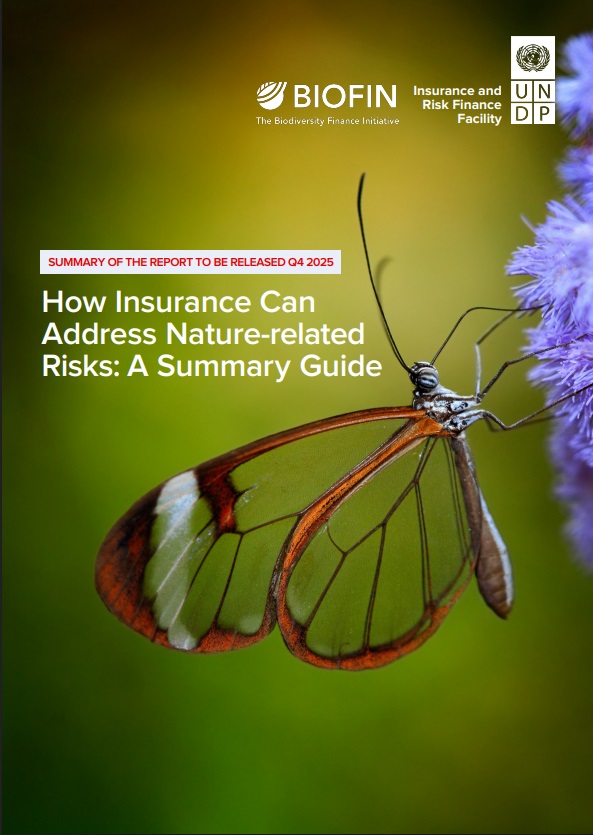
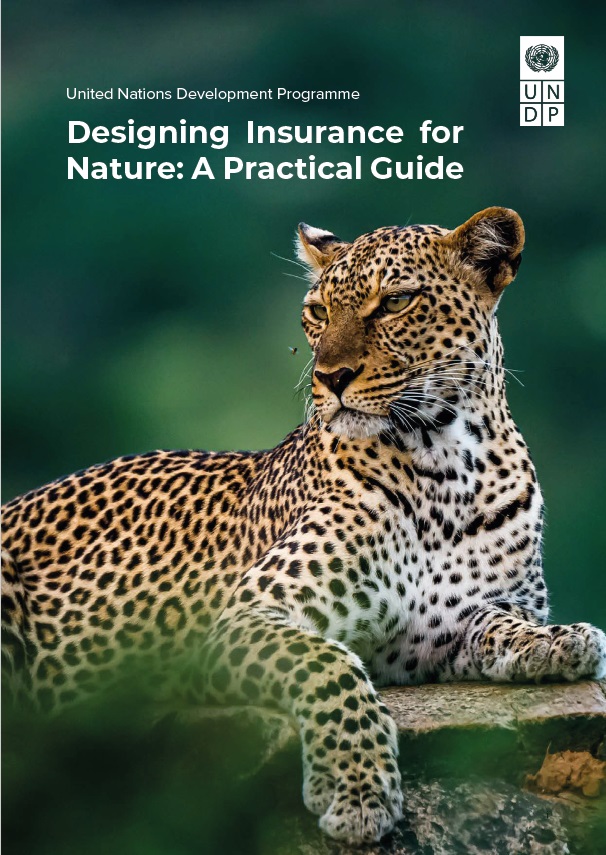
Insurance can play a crucial role in biodiversity conservation by providing financial protection against risks to natural assets, incentivizing sustainable practices, and securing key investments.
Publications

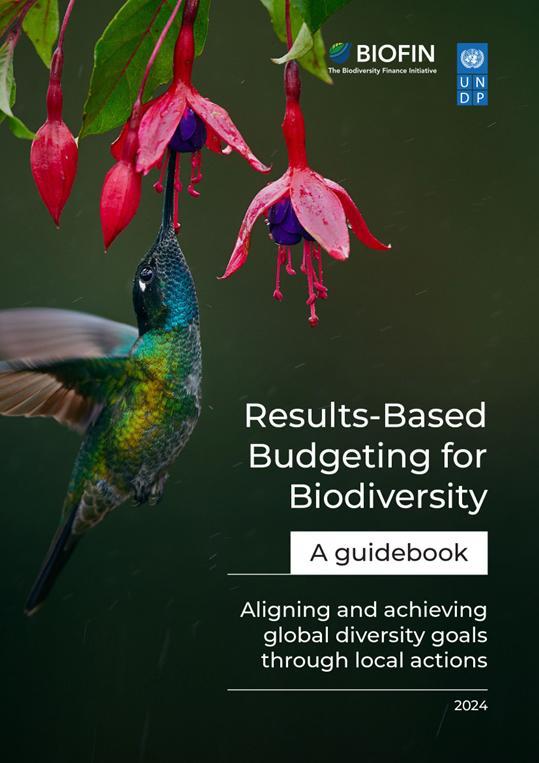
In 2022, countries adopted new global biodiversity targets under the Kunming-Montreal Global Biodiversity Framework (GBF), revisiting many goals that had gone unachieved or underachieved over the past decade.
Publications

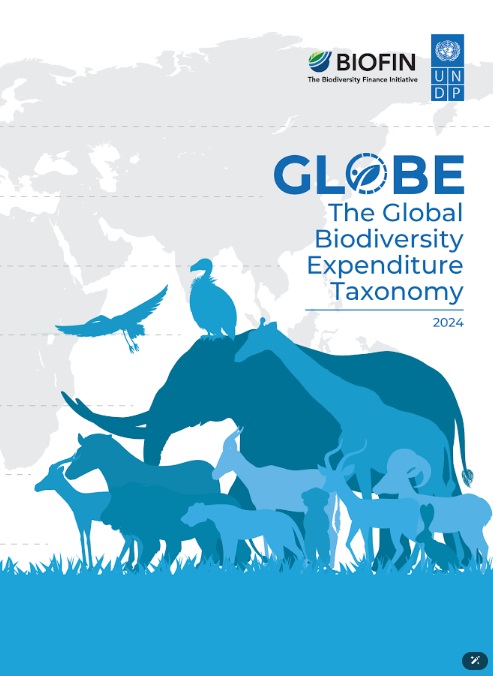
Global Biodiversity Expenditure (GLOBE) is a taxonomy that categorizes all potential public expenditures for biodiversity.

The taxonomy consists of two components:
Publications

The BIOFIN Workbook 2024 provides detailed guidance to design and implement national biodiversity finance plans.  These are not mere plans. They set out a process to engage a coalition of actors around the issue of biodiversity finance for an extended time.
Publications

At the Conference of the Parties to the Convention on Biological Diversity 15 (CBD COP 15) in 2022, countries agreed to review and update their National Biodiversity Strategy and Action Plans
Publications

Well-intentioned subsidies aimed at socio-economic goals can have unintended negative impacts on the environment, including biodiversity. The BIOFIN team has developed a step-by-step guide to repurpose such subsidies and improve their positive impacts on people and nature.
Publications

The Kunming-Montreal Global Biodiversity Framework (GBF) calls for a whole-of-society approach to halting and reversing nature loss.

Publications


The Little Book of Investing in Nature provides an essential overview of the area of biodiversity finance at a time when governments and international negotiators are urgently seeking pragmatic solutions for the twin crises of climate change and the loss of nature.

E-LEARNING

Learning for nature: our free biodiversity finance certified e-learning course

Take our free biodiversity finance certified e-learning course. Master the methodology, connect with experts, and gain certification.

Start E-Learning
Browse the Knowledge Platform
636 Results
Publications
Publications

The document is realized to fulfill with one of the components of the BIOFIN-PNUD Colombia project related to the Biodiversity Expenditure Review. It is focused on what the private sector has spent in actions associated with biodiversity both voluntarily and obligatory, in order to quantify the mobilization of resources and also check which are the instruments that are in use for this intention (donations, environmental obligations, investments, etc.).

Guidelines

Este Manual fue desarrollado en el marco del Analisis de Gastos (BER)  de la iniciativa BIOFIN en Cuba, para favorecer el proceso de comprensión de los actores claves  implicados en aquellas acciones directa o indirectamente vinculadas a la biodiversidad.

Guidelines

Este Manual fue desarrollado en el marco del Analisis de Gastos (BER)  de la iniciativa BIOFIN en Cuba, para favorecer el proceso de comprensión de los actores claves  implicados en aquellas acciones directa o indirectamente vinculadas a la biodiversidad.

Multimedia

Delegations form 12 countries that cover the iconic Snow leopard's range came together with conservation experts and leaders in August 2017 for the International Snow Leopard and Ecosystems Forum in Bishkek. The Bishkek Declaration 2017 was endorsed by countries to ensure the preservation of the Snow Leopard and the mountain ecosystems in the region. BIOFIN works in five Snow Leopard range countries and together with UNDP-GEF works on several initiatives to mobilise finance for conservation efforts directly in Snow Leopard habitats and beyond. This poster was presented highlighting some of the initiatives in Kazakhstan, Mongolia, Bhutan, Kyrgyzstan and India.  

Case Studies

Este documento consolida las memorias del Taller "Compensaciones ambientales en proyectos lineales" realizado el 23 de agosto de 2017, organizado por la Alianza conformada por la Asociación Nacional de Empresarios de Colombia (ANDI), el Instituto Alexander Von Humboldt (IAvH), The Nature Conservancy (TNC), y el Programa de Naciones Unidas para el Desarrollo (PNUD) y su iniciativa para el financiamiento de la biodiversidad (BIOFIN).

En el taller participaron expertos del sector productivo, como autoridades y organizaciones ambientales, para identificar las principales barreras que afectan la implementación de las compensaciones en proyectos lineales, y las oportunidades existentes para dar solución a las mismas.

Este escenario de trabajo se realizó como aporte, en pro de contribuir al proceso que el Ministerio de Ambiente y Desarrollo Sostenible adelantaba en la actualización de la estrategia de compensaciones bióticas, así como al conjunto de desarrollos alrededor del manual de compensaciones, guías, protocolos y lineamientos, que facilitan y dan valor agregado a la estrategia.


A su vez se incorpora como Anexo 1 en la publicación resultado de la Alianza "Compensaciones bióticas en proyectos lineales: lineamientos para su gestión efectiva".

Publications

Рабочая книга БИОФИН 2016 была разработана на основе данных и уроков, полученных в ходе реализации БИОФИН в 30 странах: Белизе, Бразилии, Ботсване, Бутане, Чили, Колумбии, Коста-Рике, Кубе, Эквадоре, Фиджи, Грузии, Гватемале, Индии, Индонезии, Казахстане, Кыргызстане, Малайзии, Мексике, Монголии, Мозамбике, Перу, Филиппинах, Руанде, Сейшельских Островах, Южной Африке, Шри-Ланке, Таиланде, Уганде, Вьетнаме и Замбии. Авторскому коллекти-ву хотелось бы выразить благодарность нашим коллегам в БИОФИН, местным и международным консультантам, Страновым офисам ПРООН, правительствам, партнерам из частного сектора и граждан-ского общества в каждой их этих стран, а также региональным техни-ческим консультантам ПРООН-ГЭФ во всех регионах. Кроме того, был использован опыт проекта по мобилизации ресурсов Министерства охраны окружающей среды/GIZ в Намибии. С представителями пра-вительств и экспертами из этих стран были проведены интенсивные консультации в ходе восьми основных семинаров и четырех вебина-ров, объединивших уникальные идеи и подходы каждой страны с целью реализации и адаптирования методологии БИОФИН. Она со-держит вклад многих коллег и партнеров в странах БИОФИН, гло-бальных экспертов и коллег из ПРООН.

The 2016 BIOFIN Workbook was developed based on the in-puts and lessons generated from BIOFIN implementation in 30 countries: Belize, Brazil, Botswana, Bhutan, Chile, Colombia, Costa Rica, Cuba, Ecuador, Fiji, Georgia, Guatemala, India, Indonesia, Kazakhstan, Kyrgyzstan, Malaysia, Mexico, Mongolia, Mozambique, Peru, Philippines, Rwanda, Seychelles, South Africa, Sri Lanka, Thailand, Uganda, Vietnam and Zambia. The writing team would like to thank our BIOFIN colleagues, local and inter-national consultants, UNDP Country Offices, Governments, pri-vate sector and civil society partners in each of these countries, as well as the UNDP-GEF Regional Technical Advisors in each region. Additional lessons were drawn from the Ministry of Environment/GIZ Resource Mobilisation project in Namibia. It has undergone intensive consultations with government representatives and ex-perts from these countries through eight major workshops and four webinars, combining the unique ideas and approaches of each country to implement and adapt the BIOFIN methodology. It contains inputs from many colleagues and partners in BIOFIN countries, global experts, and UNDP colleagues.

Publications

Рабочая книга БИОФИН 2016 была разработана на основе данных и уроков, полученных в ходе реализации БИОФИН в 30 странах: Белизе, Бразилии, Ботсване, Бутане, Чили, Колумбии, Коста-Рике, Кубе, Эквадоре, Фиджи, Грузии, Гватемале, Индии, Индонезии, Казахстане, Кыргызстане, Малайзии, Мексике, Монголии, Мозамбике, Перу, Филиппинах, Руанде, Сейшельских Островах, Южной Африке, Шри-Ланке, Таиланде, Уганде, Вьетнаме и Замбии. Авторскому коллекти-ву хотелось бы выразить благодарность нашим коллегам в БИОФИН, местным и международным консультантам, Страновым офисам ПРООН, правительствам, партнерам из частного сектора и граждан-ского общества в каждой их этих стран, а также региональным техни-ческим консультантам ПРООН-ГЭФ во всех регионах. Кроме того, был использован опыт проекта по мобилизации ресурсов Министерства охраны окружающей среды/GIZ в Намибии. С представителями пра-вительств и экспертами из этих стран были проведены интенсивные консультации в ходе восьми основных семинаров и четырех вебина-ров, объединивших уникальные идеи и подходы каждой страны с целью реализации и адаптирования методологии БИОФИН. Она со-держит вклад многих коллег и партнеров в странах БИОФИН, гло-бальных экспертов и коллег из ПРООН.

The 2016 BIOFIN Workbook was developed based on the in-puts and lessons generated from BIOFIN implementation in 30 countries: Belize, Brazil, Botswana, Bhutan, Chile, Colombia, Costa Rica, Cuba, Ecuador, Fiji, Georgia, Guatemala, India, Indonesia, Kazakhstan, Kyrgyzstan, Malaysia, Mexico, Mongolia, Mozambique, Peru, Philippines, Rwanda, Seychelles, South Africa, Sri Lanka, Thailand, Uganda, Vietnam and Zambia. The writing team would like to thank our BIOFIN colleagues, local and inter-national consultants, UNDP Country Offices, Governments, pri-vate sector and civil society partners in each of these countries, as well as the UNDP-GEF Regional Technical Advisors in each region. Additional lessons were drawn from the Ministry of Environment/GIZ Resource Mobilisation project in Namibia. It has undergone intensive consultations with government representatives and ex-perts from these countries through eight major workshops and four webinars, combining the unique ideas and approaches of each country to implement and adapt the BIOFIN methodology. It contains inputs from many colleagues and partners in BIOFIN countries, global experts, and UNDP colleagues.

Publications

Рабочая книга БИОФИН 2016 была разработана на основе данных и уроков, полученных в ходе реализации БИОФИН в 30 странах: Белизе, Бразилии, Ботсване, Бутане, Чили, Колумбии, Коста-Рике, Кубе, Эквадоре, Фиджи, Грузии, Гватемале, Индии, Индонезии, Казахстане, Кыргызстане, Малайзии, Мексике, Монголии, Мозамбике, Перу, Филиппинах, Руанде, Сейшельских Островах, Южной Африке, Шри-Ланке, Таиланде, Уганде, Вьетнаме и Замбии. Авторскому коллекти-ву хотелось бы выразить благодарность нашим коллегам в БИОФИН, местным и международным консультантам, Страновым офисам ПРООН, правительствам, партнерам из частного сектора и граждан-ского общества в каждой их этих стран, а также региональным техни-ческим консультантам ПРООН-ГЭФ во всех регионах. Кроме того, был использован опыт проекта по мобилизации ресурсов Министерства охраны окружающей среды/GIZ в Намибии. С представителями пра-вительств и экспертами из этих стран были проведены интенсивные консультации в ходе восьми основных семинаров и четырех вебина-ров, объединивших уникальные идеи и подходы каждой страны с целью реализации и адаптирования методологии БИОФИН. Она со-держит вклад многих коллег и партнеров в странах БИОФИН, гло-бальных экспертов и коллег из ПРООН.

The 2016 BIOFIN Workbook was developed based on the in-puts and lessons generated from BIOFIN implementation in 30 countries: Belize, Brazil, Botswana, Bhutan, Chile, Colombia, Costa Rica, Cuba, Ecuador, Fiji, Georgia, Guatemala, India, Indonesia, Kazakhstan, Kyrgyzstan, Malaysia, Mexico, Mongolia, Mozambique, Peru, Philippines, Rwanda, Seychelles, South Africa, Sri Lanka, Thailand, Uganda, Vietnam and Zambia. The writing team would like to thank our BIOFIN colleagues, local and inter-national consultants, UNDP Country Offices, Governments, pri-vate sector and civil society partners in each of these countries, as well as the UNDP-GEF Regional Technical Advisors in each region. Additional lessons were drawn from the Ministry of Environment/GIZ Resource Mobilisation project in Namibia. It has undergone intensive consultations with government representatives and ex-perts from these countries through eight major workshops and four webinars, combining the unique ideas and approaches of each country to implement and adapt the BIOFIN methodology. It contains inputs from many colleagues and partners in BIOFIN countries, global experts, and UNDP colleagues.

Publications

Рабочая книга БИОФИН 2016 была разработана на основе данных и уроков, полученных в ходе реализации БИОФИН в 30 странах: Белизе, Бразилии, Ботсване, Бутане, Чили, Колумбии, Коста-Рике, Кубе, Эквадоре, Фиджи, Грузии, Гватемале, Индии, Индонезии, Казахстане, Кыргызстане, Малайзии, Мексике, Монголии, Мозамбике, Перу, Филиппинах, Руанде, Сейшельских Островах, Южной Африке, Шри-Ланке, Таиланде, Уганде, Вьетнаме и Замбии. Авторскому коллекти-ву хотелось бы выразить благодарность нашим коллегам в БИОФИН, местным и международным консультантам, Страновым офисам ПРООН, правительствам, партнерам из частного сектора и граждан-ского общества в каждой их этих стран, а также региональным техни-ческим консультантам ПРООН-ГЭФ во всех регионах. Кроме того, был использован опыт проекта по мобилизации ресурсов Министерства охраны окружающей среды/GIZ в Намибии. С представителями пра-вительств и экспертами из этих стран были проведены интенсивные консультации в ходе восьми основных семинаров и четырех вебина-ров, объединивших уникальные идеи и подходы каждой страны с целью реализации и адаптирования методологии БИОФИН. Она со-держит вклад многих коллег и партнеров в странах БИОФИН, гло-бальных экспертов и коллег из ПРООН.

The 2016 BIOFIN Workbook was developed based on the in-puts and lessons generated from BIOFIN implementation in 30 countries: Belize, Brazil, Botswana, Bhutan, Chile, Colombia, Costa Rica, Cuba, Ecuador, Fiji, Georgia, Guatemala, India, Indonesia, Kazakhstan, Kyrgyzstan, Malaysia, Mexico, Mongolia, Mozambique, Peru, Philippines, Rwanda, Seychelles, South Africa, Sri Lanka, Thailand, Uganda, Vietnam and Zambia. The writing team would like to thank our BIOFIN colleagues, local and inter-national consultants, UNDP Country Offices, Governments, pri-vate sector and civil society partners in each of these countries, as well as the UNDP-GEF Regional Technical Advisors in each region. Additional lessons were drawn from the Ministry of Environment/GIZ Resource Mobilisation project in Namibia. It has undergone intensive consultations with government representatives and ex-perts from these countries through eight major workshops and four webinars, combining the unique ideas and approaches of each country to implement and adapt the BIOFIN methodology. It contains inputs from many colleagues and partners in BIOFIN countries, global experts, and UNDP colleagues.