Knowledge Base

KNOWLEDGE HUB

Knowledge Hub

Access BIOFIN's library of resources, including flagship publications, country reports, finance solution case studies, webinars, explainer videos, podcasts, and more.

Key Publications
Publications

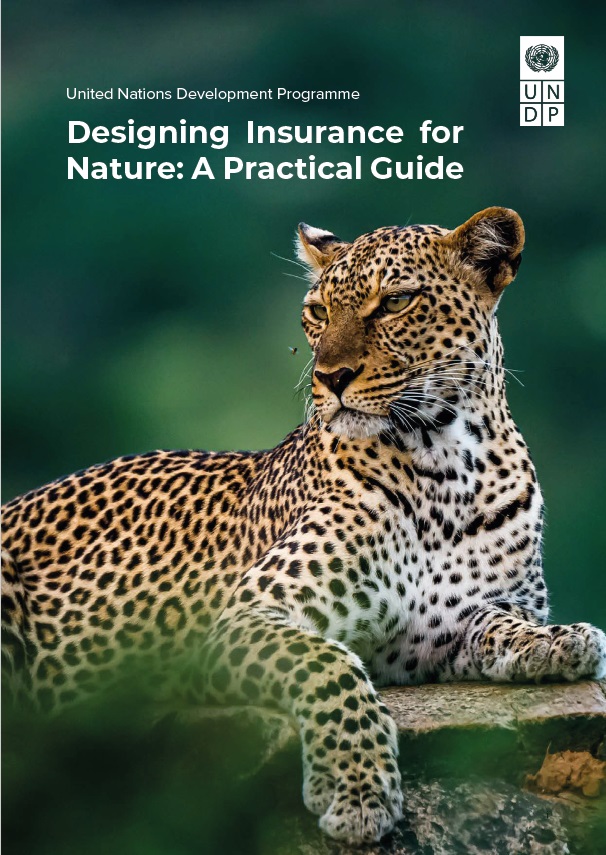
Insurance can play a crucial role in biodiversity conservation by providing financial protection against risks to natural assets, incentivizing sustainable practices, and securing key investments.
Publications

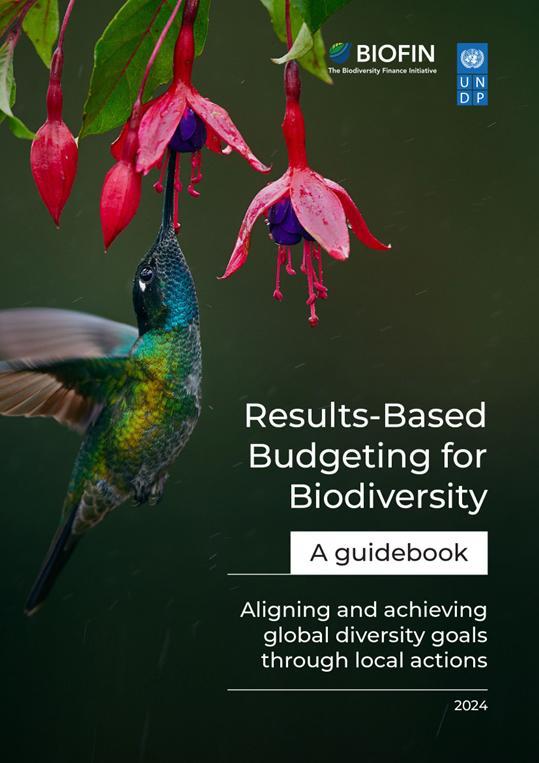
In 2022, countries adopted new global biodiversity targets under the Kunming-Montreal Global Biodiversity Framework (GBF), revisiting many goals that had gone unachieved or underachieved over the past decade.
Publications

Global Biodiversity Expenditure (GLOBE) is a taxonomy that categorizes all potential public expenditures for biodiversity.

The taxonomy consists of two components:
Publications

The BIOFIN Workbook 2024 provides detailed guidance to design and implement national biodiversity finance plans.  These are not mere plans. They set out a process to engage a coalition of actors around the issue of biodiversity finance for an extended time.
Publications

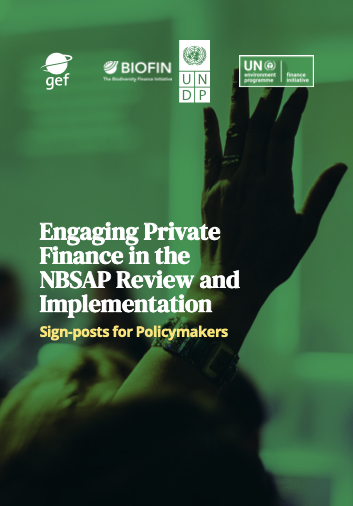
At the Conference of the Parties to the Convention on Biological Diversity 15 (CBD COP 15) in 2022, countries agreed to review and update their National Biodiversity Strategy and Action Plans
Publications

Well-intentioned subsidies aimed at socio-economic goals can have unintended negative impacts on the environment, including biodiversity. The BIOFIN team has developed a step-by-step guide to repurpose such subsidies and improve their positive impacts on people and nature.
Publications

The Kunming-Montreal Global Biodiversity Framework (GBF) calls for a whole-of-society approach to halting and reversing nature loss.

Publications


The Little Book of Investing in Nature provides an essential overview of the area of biodiversity finance at a time when governments and international negotiators are urgently seeking pragmatic solutions for the twin crises of climate change and the loss of nature.

E-LEARNING

Learning for nature: our free biodiversity finance certified e-learning course

Take our free biodiversity finance certified e-learning course. Master the methodology, connect with experts, and gain certification.

Start E-Learning
Browse the Knowledge Platform
636 Results
Publications

El catálogo de indicadores integrados fue desarrollado en respuesta al Marco Mundial Kunming-Montreal de la diversidad biológica, aprobado en diciembre de 2022, el cual resalta la necesidad de la participación activa de los sectores financiero y empresarial en la gestión sostenible de la biodiversidad. Con el objetivo de alinear las actividades públicas y privadas con los objetivos de sostenibilidad, se busca mejorar la transparencia y regularidad en la divulgación de riesgos y efectos relacionados con la biodiversidad, especialmente para grandes empresas e instituciones financieras.

Este catálogo se enmarca en un esfuerzo global por sistematizar y simplificar una amplia gama de métricas e indicadores existentes, facilitando su uso en la toma de decisiones en estos sectores. La Iniciativa Finanzas de la Biodiversidad (BIOFIN) del Programa de las Naciones Unidas para el Desarrollo (PNUD) en México ha desempeñado un papel clave en este proceso, analizando y adaptando diversos marcos y estándares para crear una herramienta práctica y accesible que promueva la inversión en proyectos que generen impactos positivos en la naturaleza y la sociedad, de acuerdo con la Agenda 2030 y los Objetivos de Desarrollo Sostenible.

La presente Guía para la consulta del Catálogo de Indicadores Integrados Vinculados a la Biodiversidad para los Sectores Financiero y Empresarial se ha elaborado en el interés de fomentar el uso de la versión más actualizada de un catálogo de indicadores integrados vinculados a la biodiversidad, facilitando su aplicación a quienes deseen realizar mediciones relacionadas con la biodiversidad en los sectores financiero y empresarial.

Publications

The purpose of this report is to present the preliminary estimates of financing needs for biodiversity conservation for Thailand.  The results are based on three sources of information namely (i) National Biodiversity Strategic Action Plans (NBSAP) (ii) the budget estimate of MONRE and (iii) BIOFIN Thailand estimates of financing needs for coastal and marine ecosystems. It has been the intention of BIOFIN Thailand that more in-depth estimates for financing needs for terrestrial and inland wetland ecosystems similar to the details for coastal and marine ecosystems. This would, however, require additional time to collaborate with the line agencies responsible for these ecosystems, namely the Department of National Park Wildlife and Plants (DNP), the Royal Forestry Department (RFD) and the Office of Natural Environmental Policy and Planning (ONEP).  It was thus decided that, parallel to the work undertaken on the pilot studies, we will be continuing with the work on costing selected measures for terrestrial and inland wetland ecosystems with the aim that by the end of 2018, we will have clearer ideas of measures required to improve the two ecosystem.  Until these are available and accessible, the estimates in this report should be considered as the lower bound estimates of what will be required.   Moreover the figures on overall financing needs have been revised and slightly differ from the sum reported in the BIOFIN Regional Workshop in Kazakhstan in April and this is due to different time period for cost estimates of coral reefs and seagrass restoration.

Podcast

In this episode, Abbie Trinidad, Senior Technical Advisor of UNDP BIOFIN, Bayuni Shantiko, BIOFIN Coordinator in Indonesia, and Dzulhaili Bin Dzulkarnain, Government representative from Malaysia, look at the transformative power of Ecological Fiscal Transfers (EFTs). Since the early 1990s, countries such as Brazil, Portugal, France, China, and India have pioneered EFTs by redistributing public funds to local governments based on their environmental efforts. This approach incentivizes both the provision of public services and environmental protection. In Malaysia alone, EFT allocations have surpassed the $87.5 million mark in 4 years! Listen to the success stories from Malaysia and Indonesia and see how EFTs are revolutionizing environmental protection around the world. 

Publications

El documento «Divulgaciones financieras relacionadas con la naturaleza y sus oportunidades en México» ofrece una visión detallada de la importancia de integrar la biodiversidad y los riesgos medioambientales en las estrategias financieras y empresariales en México. A través de la Iniciativa Financiera para la Biodiversidad (BIOFIN) del Programa de las Naciones Unidas para el Desarrollo (PNUD), se exploran diversos mecanismos y soluciones financieras para promover la conservación y el uso sostenible de la naturaleza.

El documento también explora el papel del Grupo de Trabajo sobre Divulgación de Información Financiera Relacionada con la Naturaleza (TNFD, por sus siglas en inglés) en la creación de un marco que permita a las empresas e instituciones financieras divulgar información relevante sobre sus impactos y dependencias ambientales, analizando los retos y oportunidades específicos del contexto mexicano, proponiendo estrategias claras para mejorar la transparencia y sustentabilidad en las prácticas empresariales y financieras.

Publications

Well-intended subsidies and investments aimed at socio-economic development can have unintended negative impacts on the environment, particularly biodiversity and ecosystems. The study of the Impacts of Subsidies on Biodiversity and Ecosystems in Thailand draws on the methodology from the BIOFIN Workbook 2018 and the step-by-step guide to repurpose subsidies harmful to biodiversity and improve their impacts on people and nature (2024).

Publications

El documento "Divulgación de la información relacionada con la naturaleza" proporciona una visión detallada de la importancia de integrar la biodiversidad y los riesgos ambientales en las estrategias financieras y empresariales en México. A través de la iniciativa BIOFIN del Programa de las Naciones Unidas para el Desarrollo (PNUD), se exploran diversos mecanismos y soluciones financieras para promover la conservación y el uso sostenible de la naturaleza.

Además, se destaca el papel del Grupo de Trabajo sobre Divulgaciones Financieras Relacionadas con la Naturaleza (TNFD) en la creación de un marco que permite a las empresas y a las instituciones financieras divulgar información relevante sobre sus impactos y dependencias ambientales. El documento analiza los retos y oportunidades específicos del contexto mexicano, proponiendo estrategias claras para mejorar la transparencia y la sostenibilidad en las prácticas empresariales y financieras.

Podcast

Join Abbie Trinidad, Senior Technical Advisor of UNDP BIOFIN, and Anabelle Plantilla, Project Manager for UNDP BIOFIN in the Philippines, as they explore innovative ways to raise funds for nature and biodiversity using digital finance solutions. Discover the four key digital initiatives making waves in the Philippines:

  • Crowdfunding Campaign: supporting Tamaraw wardens and rangers through an online platform.
  • G-Forest: Use the largest mobile wallet app in the Philippines to raise funds for forests, reaching over 70 million users (67% of the total population of the Philippines).
  • NFTs for Nature: Purchase non-tangible tokens with artwork to support Tubbataha National Park and coral reef restoration.
  • Animal Town mobile game: Play and contribute to biodiversity conservation with this fun and interactive game app. Learn how these digital solutions are paving the way for effective biodiversity financing in the Philippines and how these ideas can be used in other countries.  

Webinars

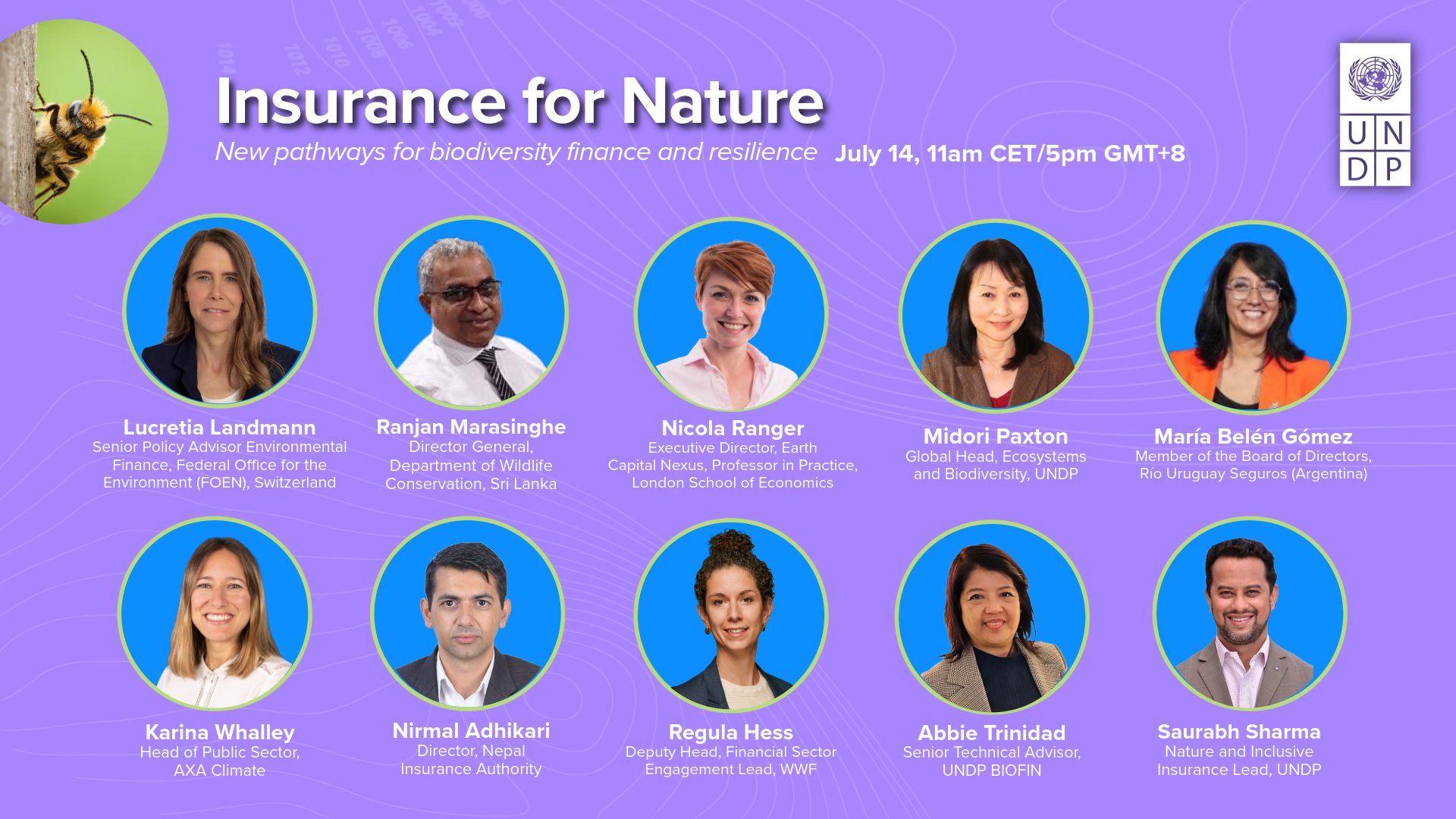
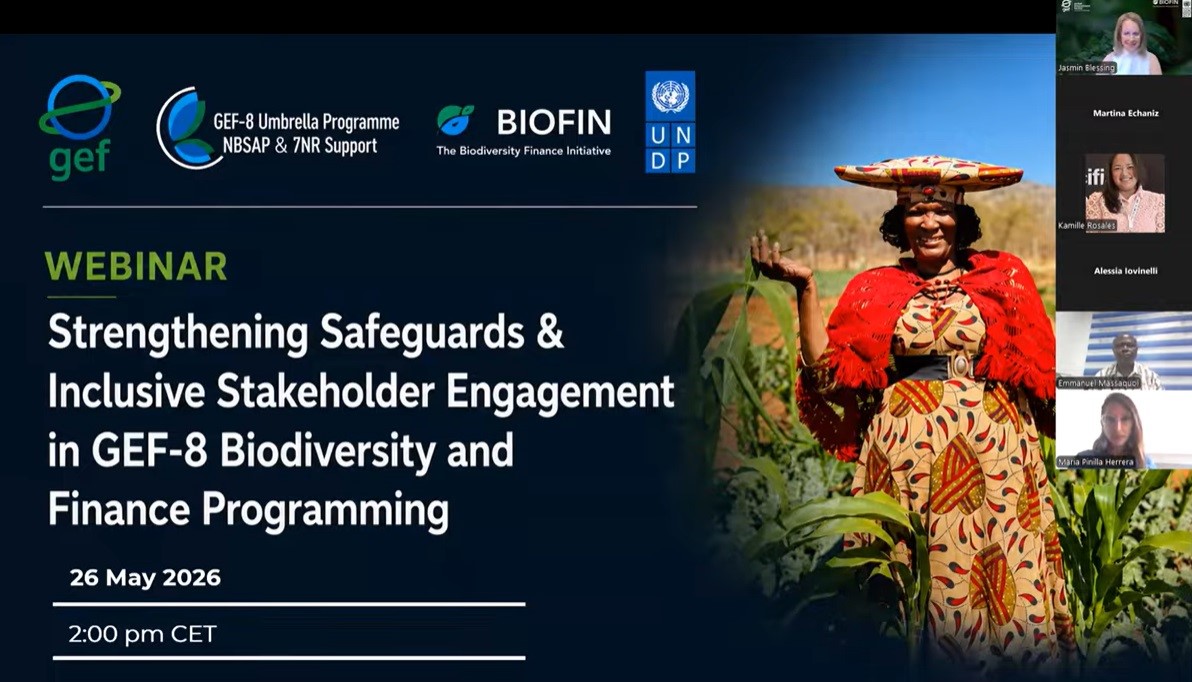
This webinar is part of the United Nations Development Programme Biodiversity Finance Initiative (UNDP BIOFIN) and United Nations Environment Programme  Finance Initiative (UNEP FI) Public-Private Community of Practice for Nature and Development Finance, aimed at engaging public and private actors to share thought leadership and good practices on emerging topics and challenges related to biodiversity finance, including debt sustainability, debt for nature conversions, the biodiversity credit markets, nature-based solutions, the voluntary carbon market, sustainability-linked bonds and loans, and impact finance. A briefing note is available to guide Parties on leveraging the NBSAP review and update period to engage public and private finance effectively.

FRENCH

RUSSIAN

Podcast

Dive into the world of biodiversity finance with our experts! Join Tracey Cumming, Senior Technical Advisor on Environmental Finance for the Biodiversity, UNDP-BIOFIN, Onno Van den Heuvel, Head of the Biodiversity Finance Portfolio at UNDP, and Andrew Seidl, Senior Technical Advisor, UNDP-BIOFIN, as they explore BIOFIN's journey and the innovative strategies driving the future of sustainable finance.

Publications

This report follows on from the capacity-building mission for MEDD staff in the preparation and implementation of the Ministry's budget based on the results-based budgeting methodology, conducted by BIOFIN.

The activities enabled MEDD staff to gain a better understanding of the methodological approach and the procedures to be applied in the future. The following were carried out

  • An assessment of the current situation, with site visits and discussions, as well as workshops in which managers at central and decentralized levels took an active part,
  • Identification of capacity-building needs,
  • Development of training modules and materials, taking into account needs and time constraints,
  • Training of key managers.

This report summarises:

1. The general progress of the mission,

2. All the work carried out,

3. Final recommendations for MEDD officials.

Publications

Ce rapport fait suite à la mission de renforcement de capacité du personnel du MEDD dans l’élaboration et la mise en oeuvre du budget du ministère en se basant sur la méthodologie de budgétisation basée sur les résultats, conduite par BIOFIN.

Les activités ont permis aux agents du MEDD d’avoir une meilleure connaissance de la démarche méthodologique et les procédures à appliquer dans le futur. Il a été ainsi réalisé :

  • Un état des lieux avec des visites et échanges sur site ainsi que des ateliers ayant vu la participation active des responsables au niveau central et déconcentré,
  • L’identification des besoins en renforcement de capacités,
  • L’élaboration des modules et supports de formation tenant compte des besoins et des contraintes de temps,
  • Les formations des principaux responsables.

Le présent rapport résume ainsi :

1. Le déroulement général de la mission,

2. L’ensemble des travaux réalisés,

3. Les recommandations finales pour les Responsables du MEDD.


Publications

El documento "¿Qué es el Fondo Marco Mundial para la Diversidad Biológica?" ofrece una visión detallada de esta iniciativa internacional, diseñada para movilizar recursos y apoyar la implementación del Marco Mundial para la Diversidad Biológica Kunming-Montreal (MMDB) en países en desarrollo. Elaborado por Álvaro Yáñez, Especialista en Financiamiento Ambiental de BIOFIN México, el texto aborda el contexto y la importancia del GBFF, especialmente para México.

Se explica cómo acceder a los recursos del fondo, las modalidades de financiamiento y las áreas temáticas prioritarias. El documento también destaca la alineación del GBFF con las estrategias nacionales, como la Estrategia Nacional sobre Biodiversidad de México (ENBIOMEX), subrayando su papel crucial en la conservación y el uso sostenible de la biodiversidad.