In this video podcast edition, explore how financial systems can help close the global biodiversity finance gap.
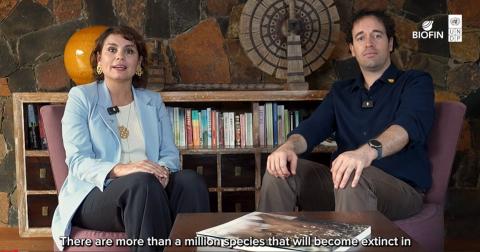
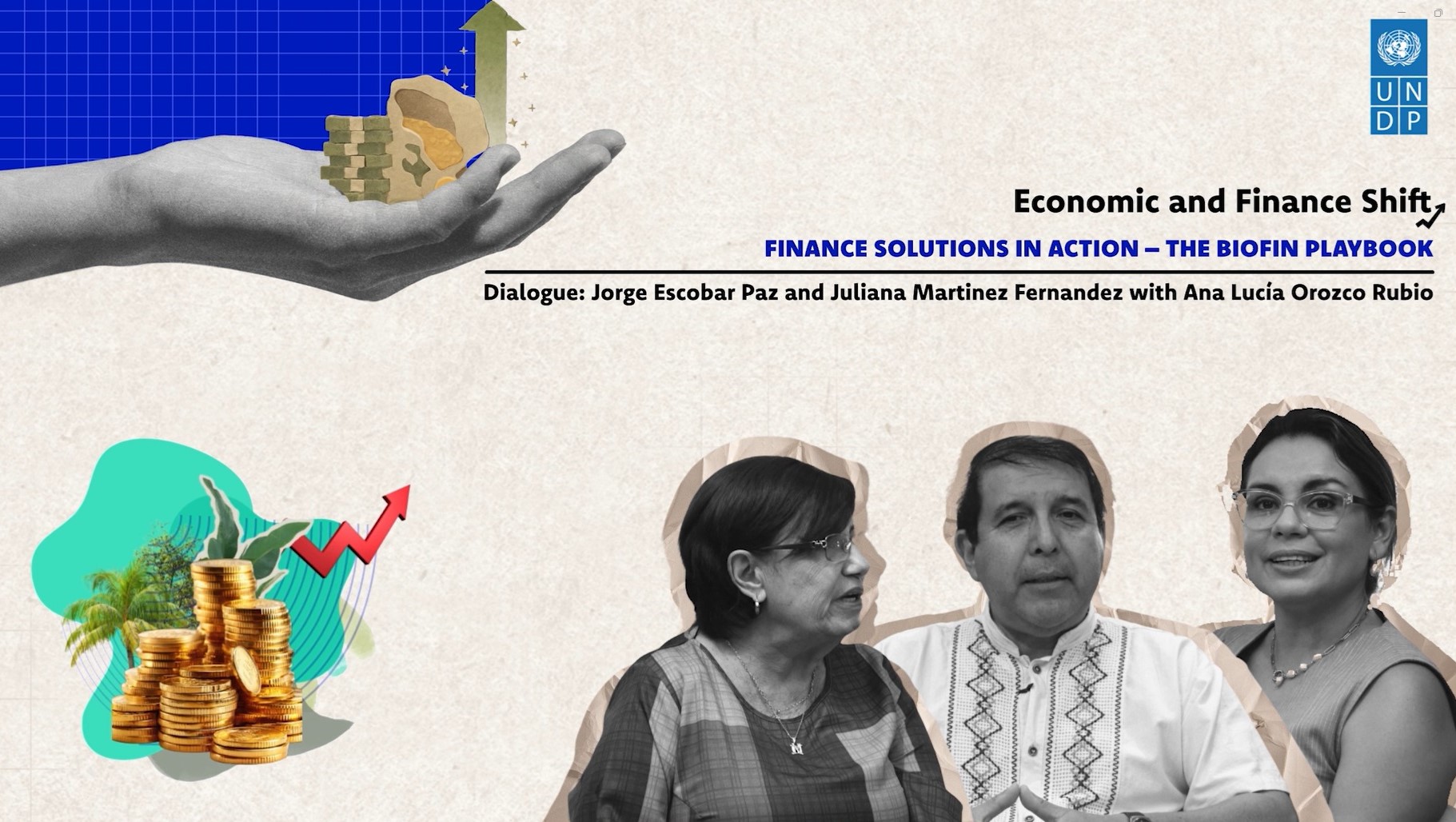
Hosted by Ana Orozco, Environmental Finance Specialist at UNDP BIOFIN, the conversation brings together two experts working at the intersection of finance and sustainability:
- Juliana Maritza Martínez Fernández, Advisor to the President of the Central Bank of Cuba
- Jorge Guillermo Escobar Paz, Director of Planning at the Ministry of Public Finance of Guatemala
Their insights highlight an important shift: nature is increasingly being recognized as a financial issue — not just an environmental one.
Central banks play a critical regulatory role. By integrating environmental and social risks into financial policies and supervision, they can help ensure that financial systems are prepared for risks linked to biodiversity loss and climate change. In Cuba, collaboration with UNDP’s Biodiversity Finance Initiative (BIOFIN) has helped strengthen the national banking system’s capacity to develop green financial products and increase awareness of biodiversity finance across the country.
Finance ministries also play a pivotal coordinating role. From fiscal policy and budgeting to innovative financial instruments, they help align national economic planning with environmental priorities. In Guatemala, the Ministry of Finance has introduced an environmental fiscal strategy, explored instruments such as green bonds, parametric insurance, and environmental taxes, and strengthened systems for tracking biodiversity-related expenditures.
Together, these efforts demonstrate why biodiversity finance requires leadership from both environmental institutions and financial authorities.
As highlighted in the discussion: half of global GDP depends on nature, making the integration of biodiversity into financial decision-making essential for long-term economic stability.