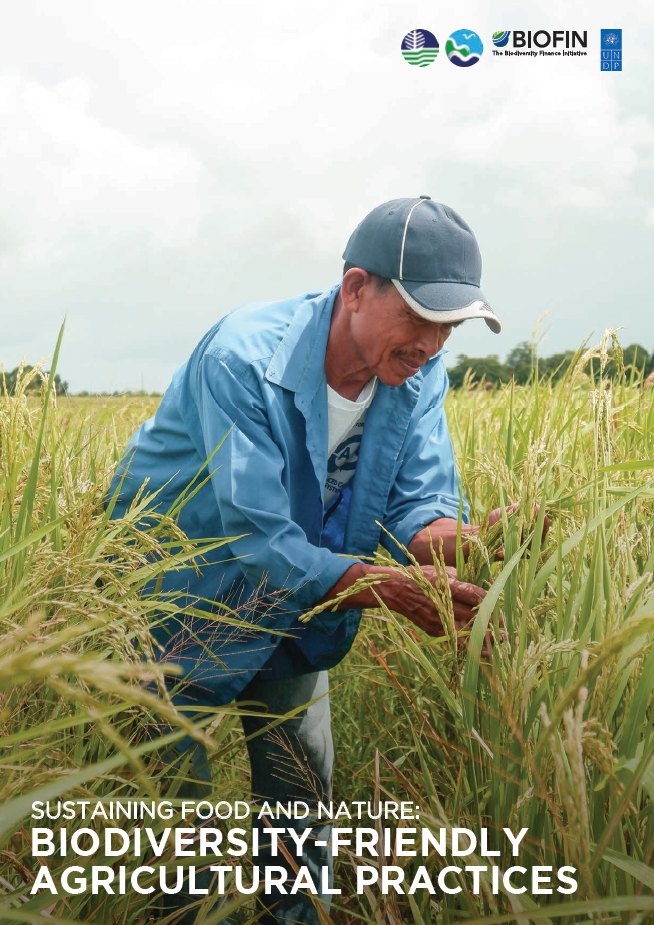
Agricultural practices in ecologically sensitive hilly and upland areas of the Philippines can generate unintended harmful environmental footprints that adversely affect biodiversity and ecosystem resilience, highlighting the urgent need to adopt more sustainable and biodiversity friendly agricultural practices (BDFAPs), the assessment found.
Drawing on stakeholder consultations and desk studies conducted under the Biodiversity Finance Initiative (BIOFIN) in 2022 and 2023, the study examined three agricultural systems in hilly landscapes: rice systems in heritage areas, yellow corn production, and highland vegetable production, to better understand their environmental and socio-economic impacts and their implications for biodiversity conservation.
Based on these findings, the assessment recommends repurposing agricultural subsidies, strengthening environmental safeguards, promoting diversified farming systems, and improving coordination and collaboration among the Department of Environment and Natural Resources (DENR), Department of Agriculture (DA), local governments, and local communities to support a gradual transition toward sustainable agriculture.