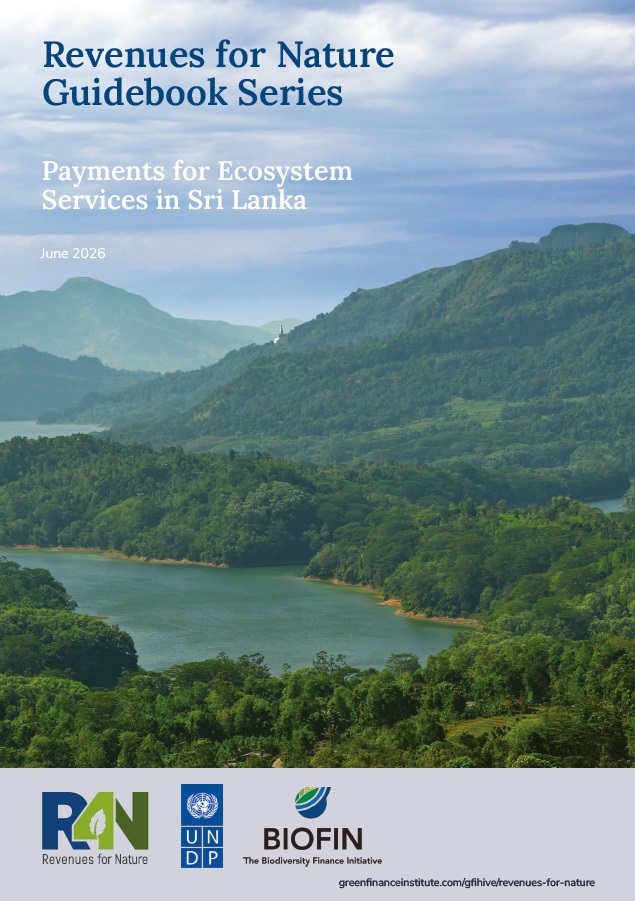
A new guidebook from the Revenues for Nature (R4N) initiative explores how Payments for Ecosystem Services (PES) can help bridge Sri Lanka's biodiversity finance gap by rewarding those who protect nature.
The guidebook moves beyond theory, showcasing real-world examples where businesses, communities, and government institutions are already investing in the ecosystems they depend on:
- Tea estates protecting watersheds that secure clean water and hydropower
- Tourism businesses investing in healthier landscapes along the Pekoe Trail
- Hotels and private companies supporting cleaner beaches that benefit both biodiversity and local economies
These case studies demonstrate a simple but powerful principle: those who benefit from ecosystem services can help finance their protection.
Among the key insights:
- PES works best when conservation creates clear economic value for those who invest in it—not as a donation, but as a long-term business decision.
- Strong governance, monitoring and trusted intermediaries are essential to build confidence between buyers and providers of ecosystem services.
- Hybrid models that combine traditional stewardship with modern financial incentives can make conservation both socially inclusive and financially sustainable.
- Even before a national PES policy is in place, countries can begin building practical, scalable models through partnerships between the private sector, communities and government.
As countries implement their Biodiversity Finance Plans under the Kunming-Montreal Global Biodiversity Framework, practical examples like these can help transform biodiversity from a public cost into an investment opportunity.
Explore the new guidebook to learn how Payments for Ecosystem Services can mobilize private finance while supporting biodiversity, livelihoods and climate resilience