Knowledge Base

KNOWLEDGE HUB

Knowledge Hub

Access BIOFIN's library of resources, including flagship publications, country reports, finance solution case studies, webinars, explainer videos, podcasts, and more.

Key Publications
Publications

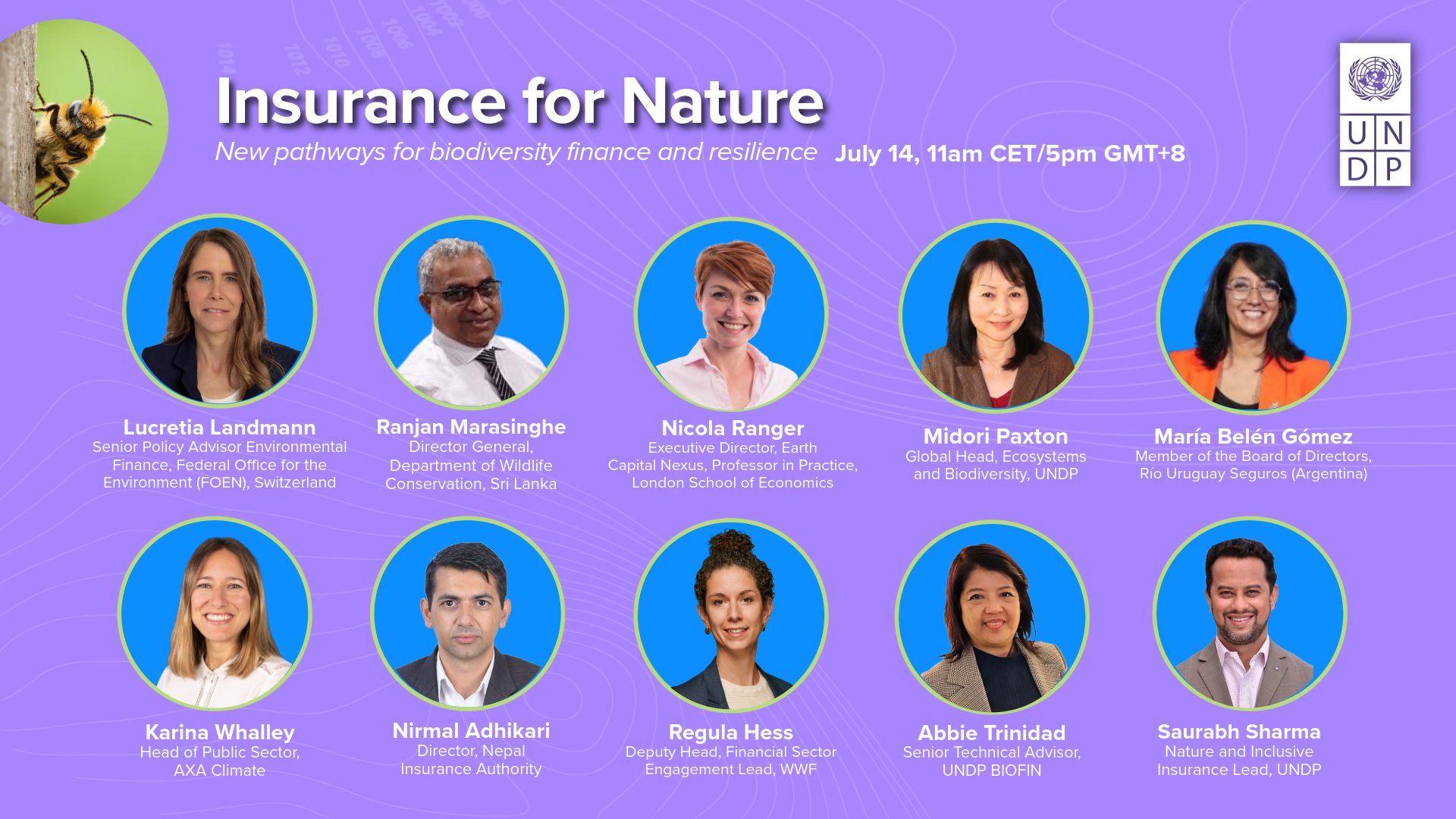
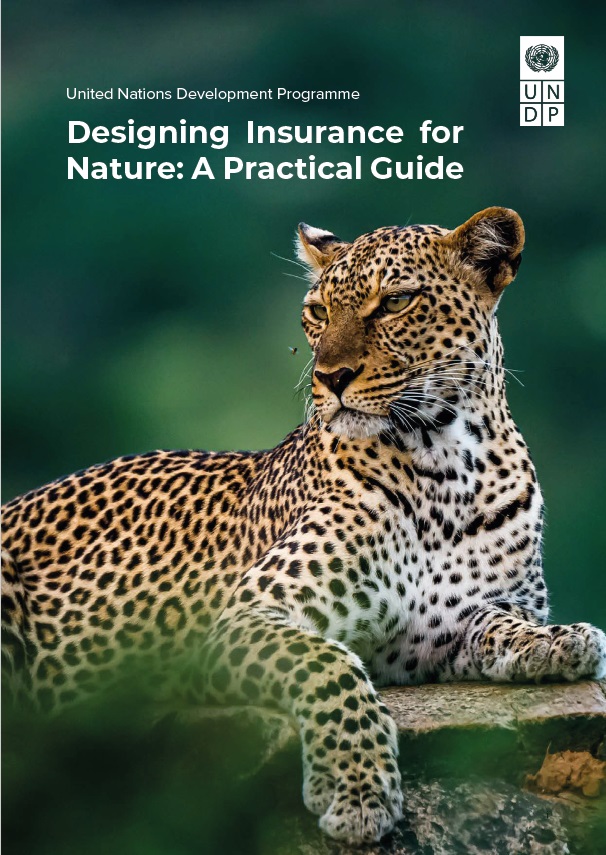
Insurance can play a crucial role in biodiversity conservation by providing financial protection against risks to natural assets, incentivizing sustainable practices, and securing key investments.
Publications

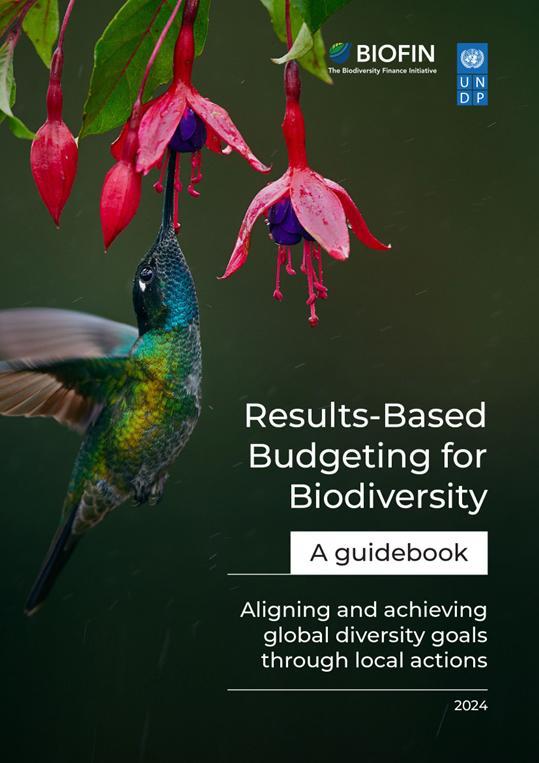
In 2022, countries adopted new global biodiversity targets under the Kunming-Montreal Global Biodiversity Framework (GBF), revisiting many goals that had gone unachieved or underachieved over the past decade.
Publications

Global Biodiversity Expenditure (GLOBE) is a taxonomy that categorizes all potential public expenditures for biodiversity.

The taxonomy consists of two components:
Publications

The BIOFIN Workbook 2024 provides detailed guidance to design and implement national biodiversity finance plans.  These are not mere plans. They set out a process to engage a coalition of actors around the issue of biodiversity finance for an extended time.
Publications

At the Conference of the Parties to the Convention on Biological Diversity 15 (CBD COP 15) in 2022, countries agreed to review and update their National Biodiversity Strategy and Action Plans
Publications

Well-intentioned subsidies aimed at socio-economic goals can have unintended negative impacts on the environment, including biodiversity. The BIOFIN team has developed a step-by-step guide to repurpose such subsidies and improve their positive impacts on people and nature.
Publications

The Kunming-Montreal Global Biodiversity Framework (GBF) calls for a whole-of-society approach to halting and reversing nature loss.

Publications


The Little Book of Investing in Nature provides an essential overview of the area of biodiversity finance at a time when governments and international negotiators are urgently seeking pragmatic solutions for the twin crises of climate change and the loss of nature.

E-LEARNING

Learning for nature: our free biodiversity finance certified e-learning course

Take our free biodiversity finance certified e-learning course. Master the methodology, connect with experts, and gain certification.

Start E-Learning
Browse the Knowledge Platform
636 Results
Publications

This supplementary guidance document to the Biodiversity Finance Initiative (BIOFIN) 2018 Workbook aims to enhance public and private collaboration to unlock private capital for biodiversity and ecosystems. It is targeted towards biodiversity finance practitioners, financial institutions, conservation agencies, and private sector investors. It is BIOFIN’s ambition that it will assist them to find creative and appropriate private sector finance solutions for conserving biodiversity and ecosystems and, in doing, contribute to a growing global movement that is pushing the boundaries of private investment in conservation and monitoring closely the benefits, risks and accountabilities of this.

Publications
Publications

Summary:  

Biodiversity provides humanity with innumerable benefits. The most important benefit is the indispensable ecosystem services that biodiversity provides to the humankind. Since the ecosystem services are permanent needs of the humans, initiatives seeking their protection without deterioration of their values as well as their optimal utilization for meeting the needs of the population should be integrated into the short- and long term environmental programme, laws and procedures for mandatory implementation.


Given that the biodiversity resources have been rapidly depleting over the last half a century, the nations around the globe united with a common goal to plan and take wider-scale actions for new approaches and trends. A bright example is the UN Conference on “Environment and Development” held in Rio-de-Janeiro in 1992 where the decline in biodiversity was recognized globally, and the international Convention on Biological Diversity (CBD) was adopted and followed by ratification of over 160 states including Mongolia. Parliament of Mongolia ratified the Convention on Biological Diversity in 1993 becoming the 30th country to join the Convention.

One of the main recommendations from the 12th Conference of Parties of the CBD was “each party to the CBD should develop their own national biodiversity programme incorporating the Aichi targets. Moreover, rapid developments in the social, economic and environment of Mongolia have necessitated the redevelopment of the National Biodiversity Strategic Action Plan ensuring cohesion with the Aichi 20 goals and the environment sector policies. In this regard, extensive research was conducted during 2012-2015, and the National Biodiversity Programme (NBP) was redeveloped and was approved by the Government order no.325 on 29 June 2015. NBP is a mid-term policy document, which elaborates the needs of national and international biodiversity targets, urgent issues to be solved, priority objectives and goals to be achieved. Policy and Institutional Review (PIR) of BIOFIN project aim to review the current biodiversity policies, practices, analyze the biodiversity finance landscapes, mechanisms, research the impacts on biodiversity, and identify pertinent stakeholders and main actors to successfully implement the NBP. 

Environmental legal framework and policy documents are very well established in Mongolia. However, despite the well design of environment policy documents, they lack proper implementation in practice. This could be attributed to the lack of monitoring and evaluation system by the Ministry of Environment and Tourism. In other words, the implementation of environmental laws should be improved through an effective monitoring system, especially of the natural resources use. 

Negative and positive impacts on biodiversity were also evaluated as part of the PIR research. It was found out that animal husbandry, agriculture, infrastructure, unplanned development are the main factors that have negative impacts on biodiversity. Moreover, five agricultural subsidies such as cashmere, wool, fertilizers etc., and two mining subsidies have negative impacts. Reducing or removing these subsidies could be an inexpensive alternative for effective biodiversity conservation. 

As part of the biodiversity financing landscape, sources of biodiversity financing as per the current legal framework were analyzed. It was found out that most of the financial resources as per the current legal framework should be funded by the state and local budget, donor fund, and natural resources use fee. Presently, several finance solutions including the natural resources use fee, the polluter pays principles, protected area fees, and etc. are implemented in Mongolia. Nevertheless, more finance solutions such as conservation trust funds, income generation for protected areas, biodiversity offset, results-based budgeting, should be explored and implemented, as a huge potential was observed. 

Biodiversity pertinent stakeholders were identified with reference to the legal framework and the sectors that have the most impacts on biodiversity. Key actors in implementing the NBP were assessed based on their weight and level of involvement of the identified pertinent stakeholders. Cooperation and partnership among Government ministries, their respective agencies and departments are critical for the implementation of the NBP, especially on initiatives such as to reduce the sectoral impacts (ecological footprint) on biodiversity. In other words, there is a need to study and analyze the sectoral impacts on biodiversity, and the appropriate conservation policies and actions should be incorporated to the respective sectoral policies, as biodiversity conservation activities and ensuring inter-sectoral cooperation is not only the duty of Ministry of Environment and Tourism but of other ministries as well.  A stakeholder mapping with four levels of key actors was identified based on their present involvement in NBP. Successful implementation of the NBP is highly dependent on the key actors’ involvement and cooperation; thus, the following management actions should be ensured for each level of stakeholders.

Level I stakeholders: improve cooperation of horizontal organizations and encourage a mechanism that assess results based on participation.  Level II stakeholders: build their capacity to a level that they can operationalize their interests in biodiversity conservation. Level III stakeholders: establish incentives to increase their interest in biodiversity conservation, so their full capacity and influence are utilized. Level IV stakeholders: explore their hidden capacity and establish incentives to increase their interest in biodiversity conservation. 

Considering the current economic and financial situation in Mongolia, key measures to successfully conserve and sustain biodiversity are: right policy and proactive measures; appropriate options for institutional and management framework; community participation based on citizens’ initiatives; and private sector involvement based on the right balance of profitability and social responsibility.

Podcast


In this episode of the Finance for Nature Podcast we head to the annual BIOFIN Regional Dialogue for Europe, Asia and Pacific held in late September 2019. We are joined by Mabel Niala from the fintech company, GCash in the Philippines and Anabelle Plantilla, the national coordinator of BIOFIN in the Philippines to discuss the CSR initiative, GCash Forests initiative, which is using a mobile money app to engage users in the Philippines to take steps to be more environmentally friendly and earn points through their app to plant a virtual tree. These virtual trees once earned will be planted for the restoration of the Ipo watershed, which provides much of the water for the Philippines Capital Manilla.

GCash Forests is a partnership between GCash, BIOFIN and WWF.

Launched in 2012, the Biodiversity Finance Initiative – BIOFIN, is a global partnership, that seeks to address the biodiversity finance challenge in a comprehensive manner – building a sound business case for increased investment in the management of ecosystems and biodiversity, with a particular focus on the needs and transformational opportunities at the national level. Phase II of BIOFIN, (2018-2022) is implemented in partnership with the Governments of Flanders, Germany, Switzerland, Sweden and Norway. For more information, please visit: www.biodiversityfinance.org

Publications

El documento presenta la primera versión de una propuesta para movilizar recursos para el manejo de las áreas protegidas a partir de la reincorporación de tarifas de ingreso de visitantes. Expone además el análisis jurídico que viabiliza la gestión de cobro.

Publications

We suggest to your attention the Biodiversity Finance Plan of the Kyrgyz Republic summariz-ing the results of the first phase of the UNDP BIOFIN project. This project laid the groundwork for the pub-lic discussions on environmental finance issues: fi-nanciers and environmentalists reached an under-standing and began to use the same language. For many years it has been recognized that one of the causes of environmental degradation is the lack of funding for environmental protection measures. Thanks to the platform organized by the BIOFIN pro-ject, the Ministry of Finance of the Kyrgyz Republic for the first time acts as a leading body in integrating environmental issues and biodiversity conservation into budget planning and resource mobilization.

Publications

Due to its wealth of biodiversity, Viet Nam has been acknowledged as one of the most prioritized countries for global conservation, which has been reflected in its three main values: maintaining ecological functions (environmental protection), delivering economic supplies (direct use), and providing for socio-cultural engagement (Ministry of Natural Resources and Environment, 2008).

A number of Protected Areas (PAs) in Viet Nam today are globally and regionally recognized, including 8 Ramsar sites, 9 World Biosphere Reserves, 2 World Natural Heritage Sites, 1 World Cultural and Natural Heritage Site, and 5 ASEAN Heritage Parks. Furthermore, there are currently 63 Important Bird and Biodiversity Areas (IBAs) in Viet Nam.

In Viet Nam, biodiversity brings direct and indirect benefits to humans, contributing substantially to the national economy, especially for sectors such as agriculture, forestry, and fisheries; ensuring food security; maintaining genetic resources for farming animals and crops; and providing construction materials, pharmaceutical materials, and food. In addition, ecosystems play an important role in climate regulation and environmental protection. Biodiversity has also been a cultural and artistic inspiration to humanity for millennia (MoNRE, 2013).

According to the Policy and Institutional Review (PIR) (UNDP, 2018), economically, biodiversity contributes directly or indirectly to many sectors, households, and firms. In the agricultural sector,3 about 20 million people rely on fisheries, exploiting more than 300 marine species and more than 50 species of economically valuable freshwater fish, while 25 million people living in or near the forests earn 20-50% of their income from harvesting non-timber forest products (NTFPs), including medicinal plants and rubber. As such, there is a great reliance on products and services provided by biodiversity and ecosystems.

As also stated in the PIR Report, the beautiful biodiversity and terrestrial and coastal landscapes and islands are the foundation for Viet Nam's rapidly expanding tourism industry. Ecotourism is becoming more popular in Nature Reserves (NRs), encouraging education on natural protection and benefiting local people who provide tourism services. About 70% of Viet Nam's rapid tourism growth is occurring in coastal areas and areas with natural ecosystems characterized by high biodiversity. From 2010 to 2016, domestic tourists increased from 28 million to 62 million, and foreign tourists increased from 5 to 10 million. Tourists spend between VND 96,000 billion and VND 400,000 billion. It is estimated that high biodiversity value areas, including National Parks (NPs), PAs, and Landscape PAs, attract 40%-60% of tourists and have earned 20% of their spending.

Multimedia
Multimedia
Multimedia
Multimedia