Knowledge Base

KNOWLEDGE HUB

Knowledge Hub

Access BIOFIN's library of resources, including flagship publications, country reports, finance solution case studies, webinars, explainer videos, podcasts, and more.

Key Publications
Publications

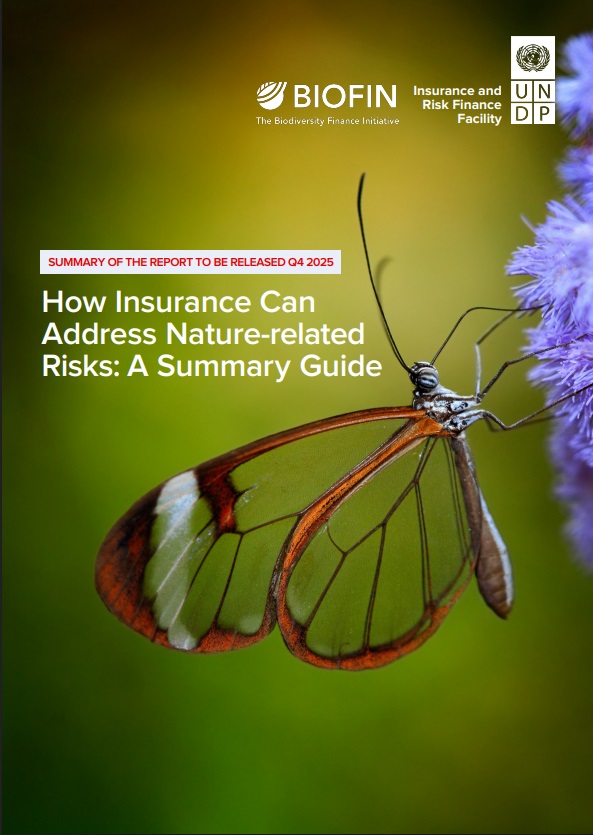
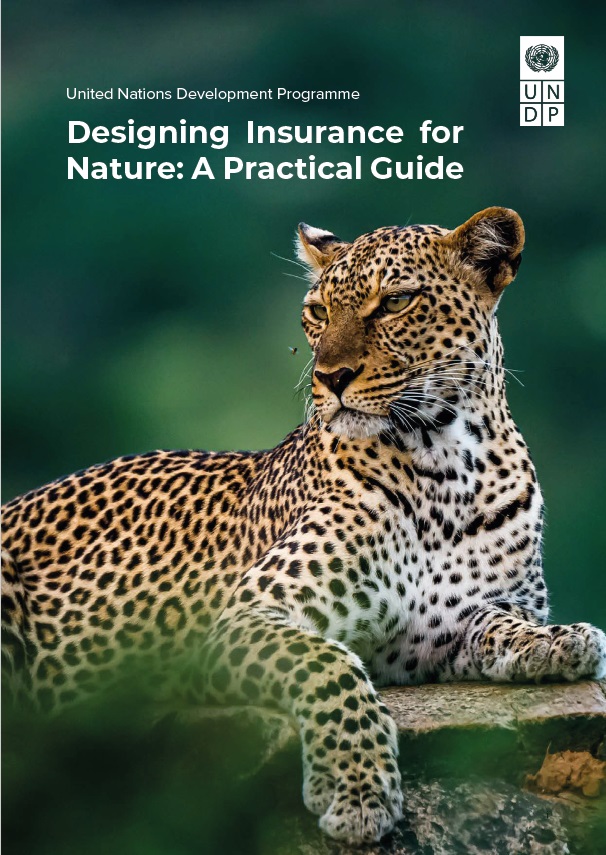
Insurance can play a crucial role in biodiversity conservation by providing financial protection against risks to natural assets, incentivizing sustainable practices, and securing key investments.
Publications

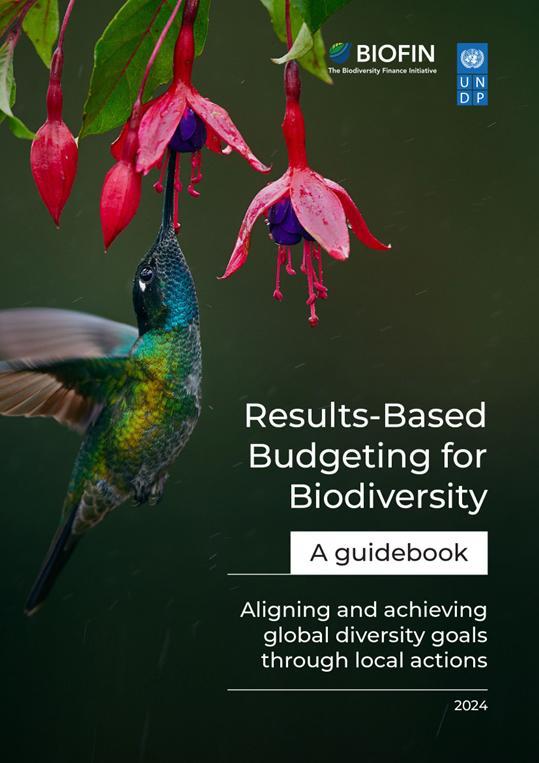
In 2022, countries adopted new global biodiversity targets under the Kunming-Montreal Global Biodiversity Framework (GBF), revisiting many goals that had gone unachieved or underachieved over the past decade.
Publications

Global Biodiversity Expenditure (GLOBE) is a taxonomy that categorizes all potential public expenditures for biodiversity.

The taxonomy consists of two components:
Publications

The BIOFIN Workbook 2024 provides detailed guidance to design and implement national biodiversity finance plans.  These are not mere plans. They set out a process to engage a coalition of actors around the issue of biodiversity finance for an extended time.
Publications

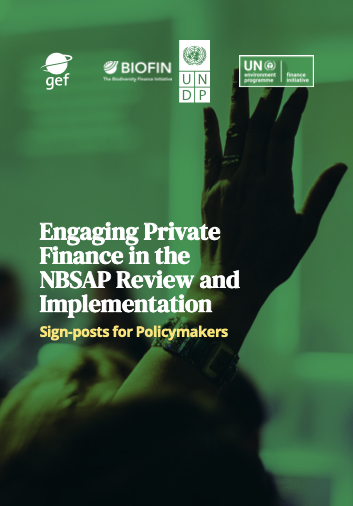
At the Conference of the Parties to the Convention on Biological Diversity 15 (CBD COP 15) in 2022, countries agreed to review and update their National Biodiversity Strategy and Action Plans
Publications

Well-intentioned subsidies aimed at socio-economic goals can have unintended negative impacts on the environment, including biodiversity. The BIOFIN team has developed a step-by-step guide to repurpose such subsidies and improve their positive impacts on people and nature.
Publications

The Kunming-Montreal Global Biodiversity Framework (GBF) calls for a whole-of-society approach to halting and reversing nature loss.

Publications


The Little Book of Investing in Nature provides an essential overview of the area of biodiversity finance at a time when governments and international negotiators are urgently seeking pragmatic solutions for the twin crises of climate change and the loss of nature.

E-LEARNING

Learning for nature: our free biodiversity finance certified e-learning course

Take our free biodiversity finance certified e-learning course. Master the methodology, connect with experts, and gain certification.

Start E-Learning
Browse the Knowledge Platform
636 Results
Multimedia
Publications

The Massive Open Online Course on Biodiversity Finance took place on 15 April - 31 May 2019. It brought together 3,371 participants from 170 countries, and concluded with a 19% completion rate and more than 4,000 engagements on the course forums.

Publications

The Massive Open Online Course on Biodiversity Finance took place on 15 April - 31 May 2019. It brought together 3,371 participants from 170 countries, and concluded with a 19% completion rate and more than 4,000 engagements on the course forums.

Publications

The Massive Open Online Course on Biodiversity Finance took place on 15 April - 31 May 2019. It brought together 3,371 participants from 170 countries, and concluded with a 19% completion rate and more than 4,000 engagements on the course forums.

Publications

The Massive Open Online Course on Biodiversity Finance took place on 15 April - 31 May 2019. It brought together 3,371 participants from 170 countries, and concluded with a 19% completion rate and more than 4,000 engagements on the course forums.

Publications

The Massive Open Online Course on Biodiversity Finance took place on 15 April - 31 May 2019. It brought together 3,371 participants from 170 countries, and concluded with a 19% completion rate and more than 4,000 engagements on the course forums.

Publications
Publications
Publications
Publications
Publications
Publications

This publication presents Zambia’s Biodiversity Expenditure Review (BER), which assesses public biodiversity-related spending to support improved policies, financing, and conservation outcomes. Using the BIOFIN methodology, the analysis examines biodiversity expenditures across 24 national and provincial institutions over the period 2014–2019, drawing primarily on Ministry of Finance data and complemented by macroeconomic sources. The BER highlights key spending trends, sectoral contributions, and the scale of biodiversity financing, showing that biodiversity expenditures accounted for approximately 0.11% of GDP and demonstrated an overall upward trend during the review period.