
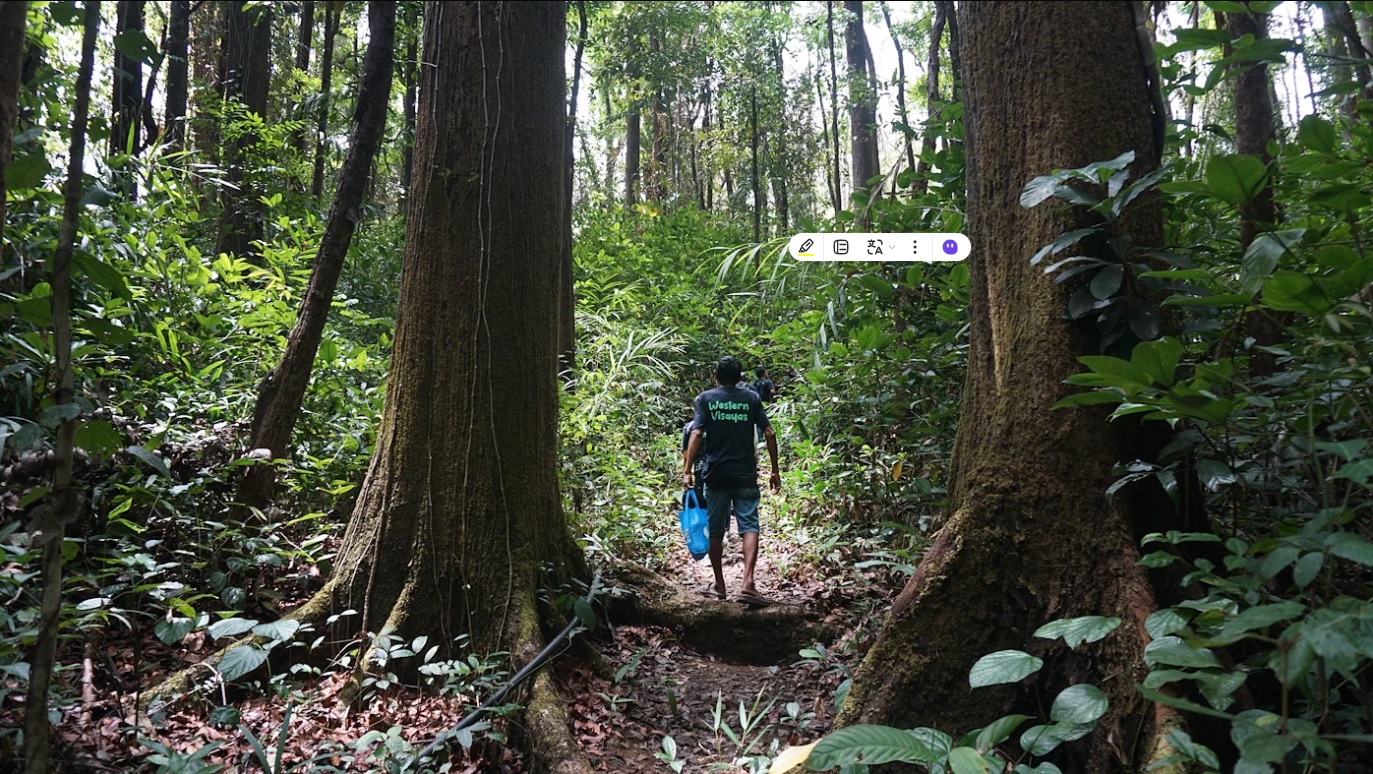
In Antique, Western Visayas, thrives a 6,700-hectare protected landscape that spans across 18 barangays— the Sibalom Natural Park.
Legislated as a protected area under the Republic Act No. 11038 in 2018, it shelters five flagship species, including the critically endangered Rafflesia species. Among its unique natural wonders is the Mau-it River, also known as the “Rainbow River” for its colorful semi-precious stones.
While legally protected, the park faced a familiar challenge, as with most of the country’s protected areas: limited and unstable financing. In 2023, its Integrated Protected Area Fund (IPAF), a trust fund for protected areas used to finance operations and management, had only PHP 36,560 (US$ 656.67). Visitor numbers reached 2,905, but structured ecotourism products were not yet fully developed.
Through UNDP’s Biodiversity Finance Initiative (BIOFIN) Philippines, the Year of the Protected Areas (YOPA) campaign was initiated as a finance solution to develop an investment program for protected areas in the country. The campaign sought to build awareness on protected areas and increase their revenue. In Sibalom, YOPA focused on developing ecotourism as a sustainable income stream for the park and its local partners.
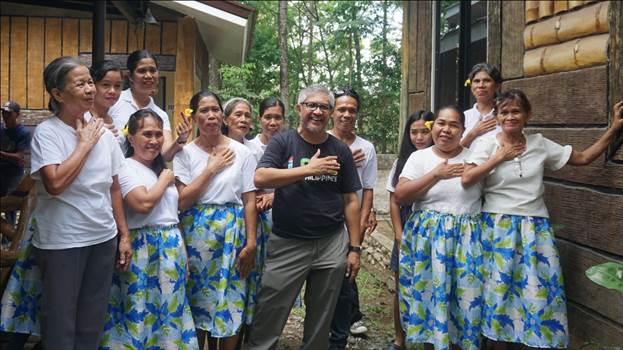
At the foothills of the park, residents of Barangay Imparayan organized themselves into the Imparayan Bantay Gubat Association (IBGA), a group of volunteer bantay gubat or forest guards composed of 76 members (22 women and 54 men). Their income opportunities were irregular and dependent on the occasional visitor. With only their knowledge of the land guiding them in their tourism activities, they had limited experience in formal tour guiding, planning, financial management, and the overall packaging of their services.
From 2022 to 2024, BIOFIN provided technical assistance to help IBGA develop their ecotourism products. A series of workshops covered ecotourism orientation, interpretative planning, product development and costing, script writing, food safety, menu preparation, financial management, branding, and marketing. A benchmarking visit to the award-winning Bojo River ecotourism site in Aloguinsan, Cebu gave them practical insights on managing community-led tourism. It inspired them to reflect on their own capabilities and confidence.
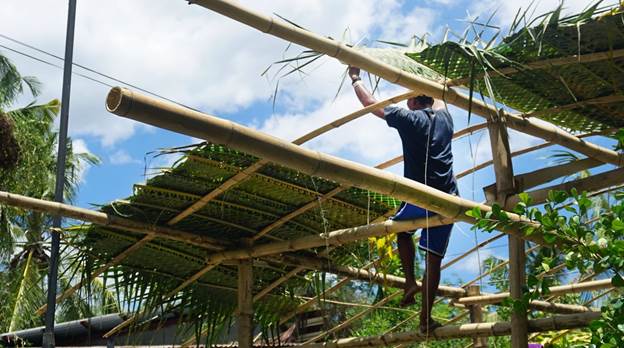
By the definitions of the Asian Ecotourism Network (AEN) and the Department of Environment and Natural Resources (DENR) Administrative Order No. 2013-19, which establishes the guidelines for ecotourism development in the Philippines:
“Ecotourism is a responsible and sustainable tourism that conserves the environment, protects cultural heritage, and caters to the well-being of communities. It educates and interprets, surfacing the link between biodiversity and culture.”
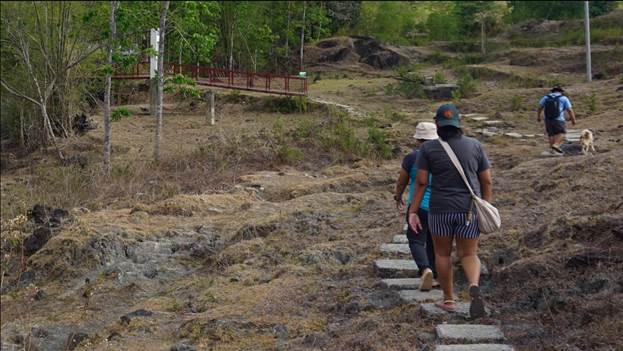
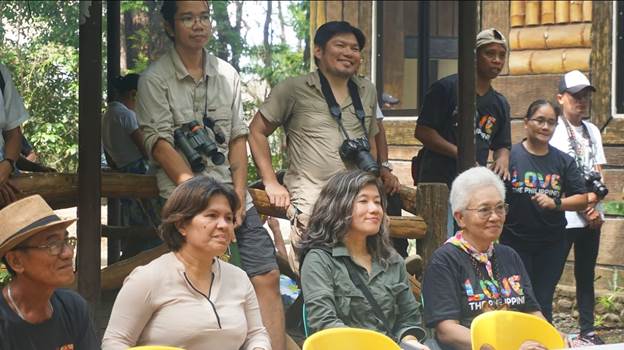
In May 2024, five ecotourism products were launched: 1) A Walk in the Woods; 2) A Glimpse of the Forest; 3) Forest Feast for the Senses; 4) Flower Power Trek (with rafflesia viewing); and 5) Rainbow River Tour (with river trekking). Each package combined guided tours, site access, and meals with clear pricing.
The finance results followed.
Ecotourism revenues reached nearly $1,500 between 2024 and 2025, while IPAF collections increased steadily from $655 (2023) to $770 (2024) and $847 (2025). Visitor numbers also rose by 48 percent, and association members report more stable income and diversified services.
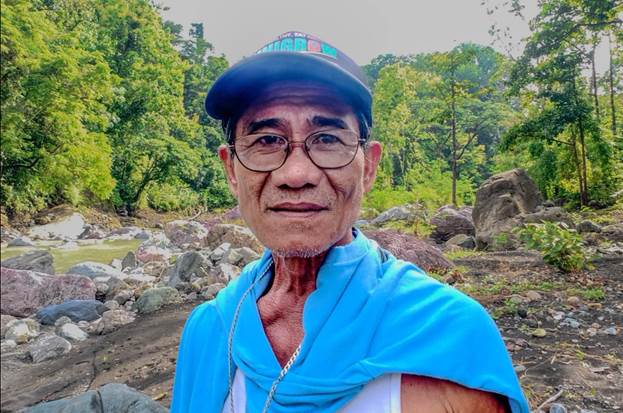
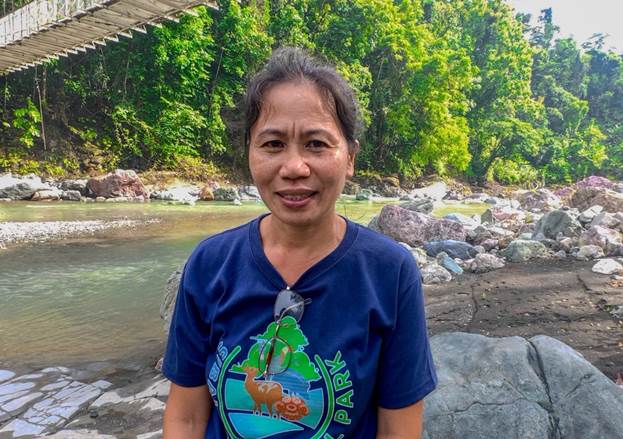
“The change is significant. It shows that protected areas can finance part of their own management and improve local livelihoods, while supporting national priorities on biodiversity conservation,” he says.
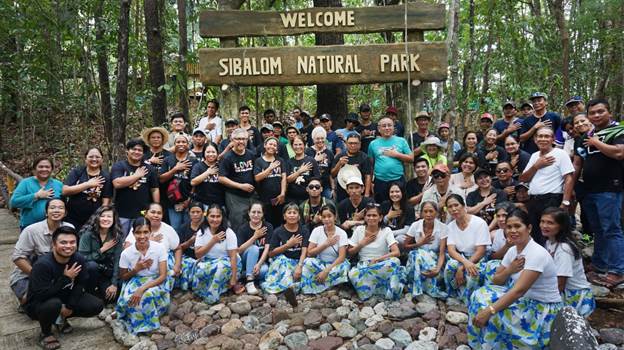
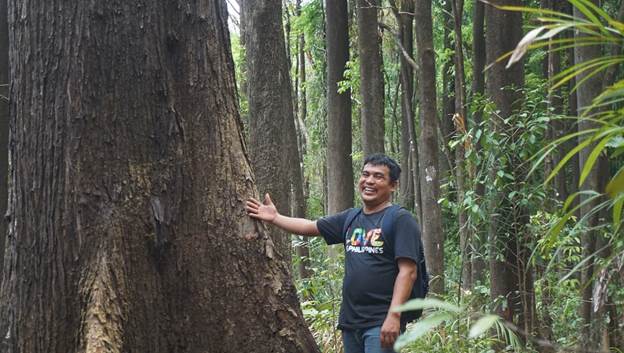
Beyond increased revenues and visitor numbers, the initiative strengthened community confidence and improved livelihoods.
For members of the Imparayan Bantay Gubat Association, conservation is both a responsibility and a source of dignity, pride, and opportunity. This collective stewardship keeps the wonders of Sibalom Natural Park alive.