

Equatorial Guinea
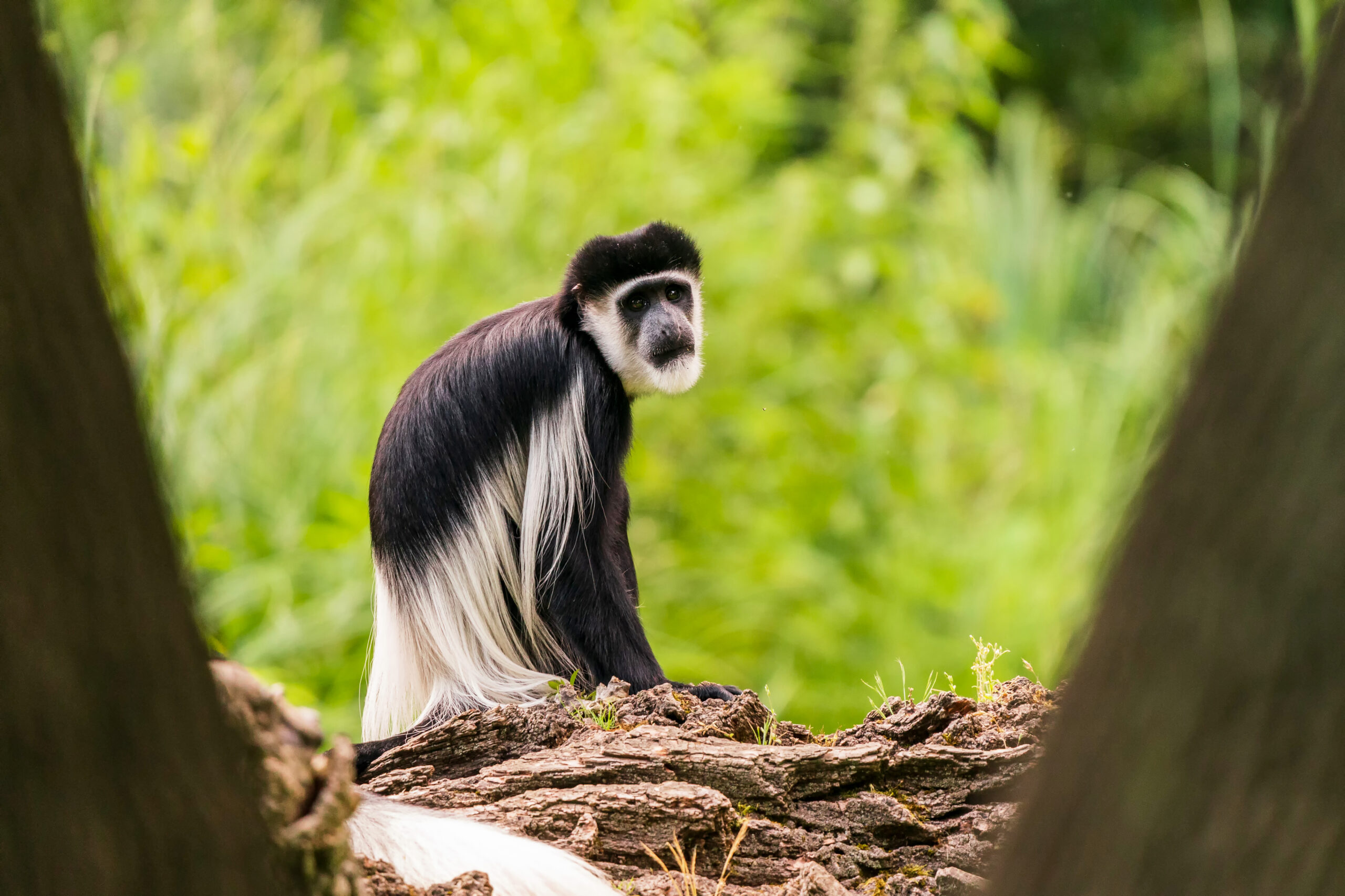
Equatorial Guinea is one of Central Africa’s most biodiverse countries. Its tropical forests, coastal ecosystems, protected areas and distinctive wildlife provide essential services to people and the economy. However, biodiversity is under increasing pressure from extractive activities, infrastructure development and land-use change. Limited financing and implementation capacity also constrain progress towards national conservation priorities.
Preliminary analysis under UNDP BIOFIN indicates that biodiversity expenditure represents approximately 0.21 percent of the national budget, equivalent to about US$0.23 per person. International cooperation accounts for around 97 percent of recorded biodiversity-related expenditure, highlighting the country’s strong dependence on external financing. The estimated annual biodiversity finance gap is between XAF 16 billion and XAF 18 billion, equivalent to approximately 40–45 percent of identified financing needs.
With support from the Global Biodiversity Framework Fund and using the UNDP BIOFIN methodology, Equatorial Guinea is assessing how biodiversity is financed and where additional resources are needed. This work includes the Policy and Institutional Review, Incentives Assessment, Biodiversity Expenditure Review and Financial Needs Assessment, which will inform the country’s Biodiversity Finance Plan.
The process is exploring opportunities to improve the effectiveness of existing expenditure and mobilize additional resources through fiscal reforms, payments for ecosystem services, stronger private-sector engagement and better policy coordination. The Biodiversity Finance Plan will provide a framework for strengthening biodiversity governance and financing while supporting Equatorial Guinea’s commitments under the Convention on Biological Diversity and the Kunming–Montreal Global Biodiversity Framework.
No posts found.
Finance solutions
Equatorial Guinea is assessing a range of finance solutions to improve the use of existing resources and mobilize additional public, private and international finance for biodiversity. These preliminary options will be further analysed and prioritized during the development of the Biodiversity Finance Plan.
1. Fiscal reform for biodiversity
This solution will review subsidies and other fiscal measures that may harm biodiversity, particularly those associated with fossil fuels and extractive activities. Potential reforms could redirect or generate resources for conservation, restoration and sustainable natural resource management.
Stage: Under assessment
Potential lead institutions and partners: Ministry of Finance, Ministry responsible for the environment and UNDP BIOFIN.
2. Payments for ecosystem services
Payments for ecosystem services could reward landowners and communities for conserving ecosystems and maintaining the services they provide. The proposed mechanisms could create financial incentives for conservation while supporting local livelihoods.
Stage: Design
Potential lead institutions and partners: Ministry responsible for the environment, UNDP BIOFIN, local communities and other relevant stakeholders.
3. Biodiversity offsets
Equatorial Guinea is exploring mechanisms through which infrastructure and extractive-sector projects could address residual impacts on biodiversity after applying the mitigation hierarchy. Any biodiversity offset system would require clear standards, safeguards and monitoring arrangements.
Stage: Design
Potential lead institutions and partners: Ministry responsible for the environment, relevant regulatory authorities and industry stakeholders.
4. Environmental fiscal incentives
This solution would expand or strengthen tax incentives that encourage investment in environmental protection, ecosystem restoration, cleaner technologies and pollution control.
Stage: Design
Potential lead institutions and partners: Ministry of Finance and relevant sectoral ministries.
5. Private-sector investment in biodiversity
This solution will explore ways to mobilize private finance for biodiversity conservation, ecosystem restoration and the sustainable management of natural resources. It could help diversify funding and encourage businesses to invest in nature-positive activities.
Stage: Concept
Potential lead institutions and partners: Government institutions, private-sector partners and UNDP.
6. International biodiversity finance
Equatorial Guinea will strengthen its capacity to access and coordinate resources from international biodiversity, climate and environmental funds. This could reduce financing gaps and support the implementation of national biodiversity priorities.
Stage: Ongoing
Potential lead institutions and partners: Government institutions, UNDP, the Global Environment Facility and other international partners.
Key results
Equatorial Guinea has made initial progress in building the evidence base and institutional arrangements needed for biodiversity finance planning. Key achievements include:
- Completion of the Policy and Institutional Review, providing an assessment of the policies, institutions and governance arrangements influencing biodiversity finance.
- Completion of the Nature-Positive and Nature-Harmful Incentives Assessment, identifying opportunities to reform fiscal measures and strengthen financing for biodiversity.
- Preparation of the draft Biodiversity Expenditure Review, establishing a baseline for biodiversity-related expenditure and examining current funding patterns.
- Advancement of the Financial Needs Assessment to estimate the investment required to achieve the country’s biodiversity targets.
- Preliminary identification of an annual biodiversity finance gap of approximately XAF 16–18 billion, representing an estimated 40–45 percent of total financing needs.
- Establishment of stakeholder engagement processes and stronger coordination among institutions involved in biodiversity finance planning.
- Strengthening of national implementation capacity through the engagement of specialized technical experts and project personnel.
The assessments remain subject to further review and validation and will inform the development of Equatorial Guinea’s Biodiversity Finance Plan.