Finance solutions
Based on the Policy and Institutional Review, El Salvador has identified a preliminary portfolio of finance solutions. These options focus on strengthening existing instruments and exploring new mechanisms and will be further assessed and prioritized through the Biodiversity Finance Plan.
1. Financing through Protected Natural Areas
This solution would expand fee collection across more Protected Natural Areas, diversify revenue-generating services such as ecotourism, and introduce online payment systems. The objective is to increase and improve the management of revenue for conservation and protected-area operations.
Stage: Preliminary assessment
Potential partners: Ministry responsible for the environment, protected-area authorities, tourism institutions and service providers.
2. Strengthening environmental compensation
El Salvador is considering improvements to its environmental compensation mechanism, which currently generates approximately US$2.5 million annually. Potential measures include stronger implementation arrangements and directing resources towards the restoration and connectivity of biological corridors. Compensation should address residual impacts only after measures to avoid, minimize and restore biodiversity loss have been applied.
Stage: Preliminary assessment
Potential partners: Ministry responsible for the environment, relevant regulatory authorities, implementing organizations and private-sector contributors.
3. Redirecting concessions and user-fee revenue
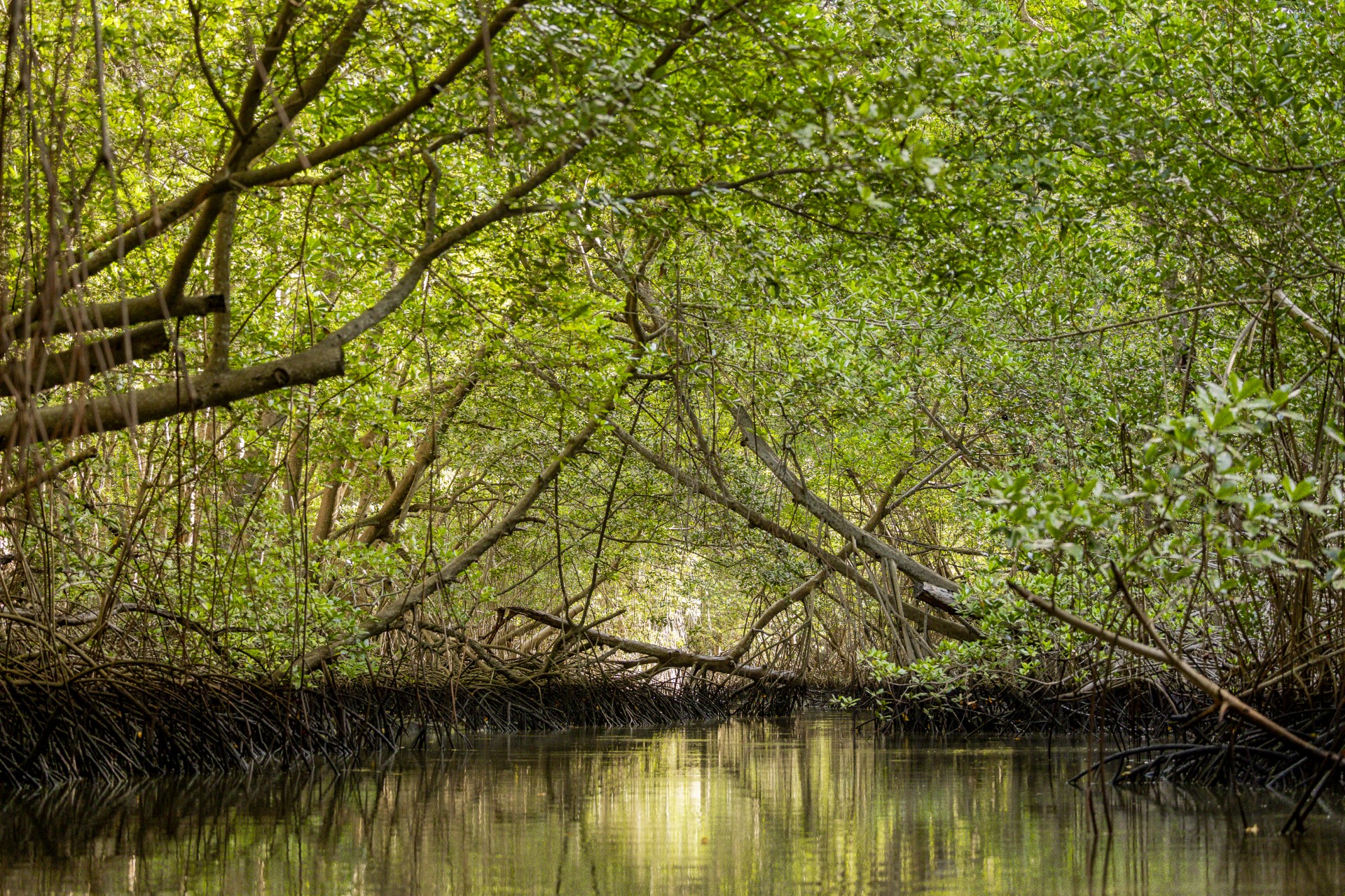
Revenue from mangrove concessions, including those associated with shrimp farming, and water-use fees could be directed more systematically towards ecosystem conservation and restoration.
Stage: Concept
Potential partners: Environmental, water, fisheries and local government authorities, concession holders and community organizations.
4. Reactivating environmental funds
This solution would assess opportunities to reactivate or repurpose underused financing mechanisms, including the Fisheries Trust and the Forestry Special Activities Fund. These funds could provide dedicated resources for biodiversity conservation and the sustainable management of forests, fisheries and coastal ecosystems.
Stage: Concept
Potential partners: Blue Economy Authority, the ministry responsible for the environment, the Ministry of Finance, and relevant fund administrators.
5. Aligning subsidies with biodiversity objectives
Review and redesign selected public subsidies to incorporate environmental conditions and encourage biodiversity-friendly production and resource-management practices.
Stage: Concept
Potential partners: Ministry of Finance, agriculture and fisheries authorities, ministry responsible for the environment and producer organizations.
6. Digital green assets
El Salvador is exploring whether its legal framework for digital assets could support instruments such as high-integrity biodiversity credits or tokenized carbon bonds. Further assessment would be required to establish environmental integrity, safeguards, governance arrangements and credible systems for measuring and verifying results.
Stage: Concept
Potential partners: Financial and digital-asset regulators, Ministry of Finance, ministry responsible for the environment, financial institutions and private investors.
7. Debt-for-nature conversion for marine and coastal ecosystems
Building on the country’s previous experience, El Salvador could explore a debt conversion designed to generate long-term financing for the conservation and restoration of marine and coastal ecosystems.
Stage: Concept
Potential partners: Ministry of Finance, the ministry responsible for the environment, the Blue Economy Authority, international financial institutions, and conservation partners.
8. Green certification in biosphere reserves
A certification and financing mechanism could support sustainably produced goods and services originating from El Salvador’s biosphere reserves. The solution could help participating producers access markets, strengthen sustainable livelihoods and generate incentives for biodiversity conservation.
Stage: Concept
Potential partners: Ministry responsible for the environment, agriculture and tourism institutions, biosphere reserve authorities, producer associations and private-sector partners.