
Somalia
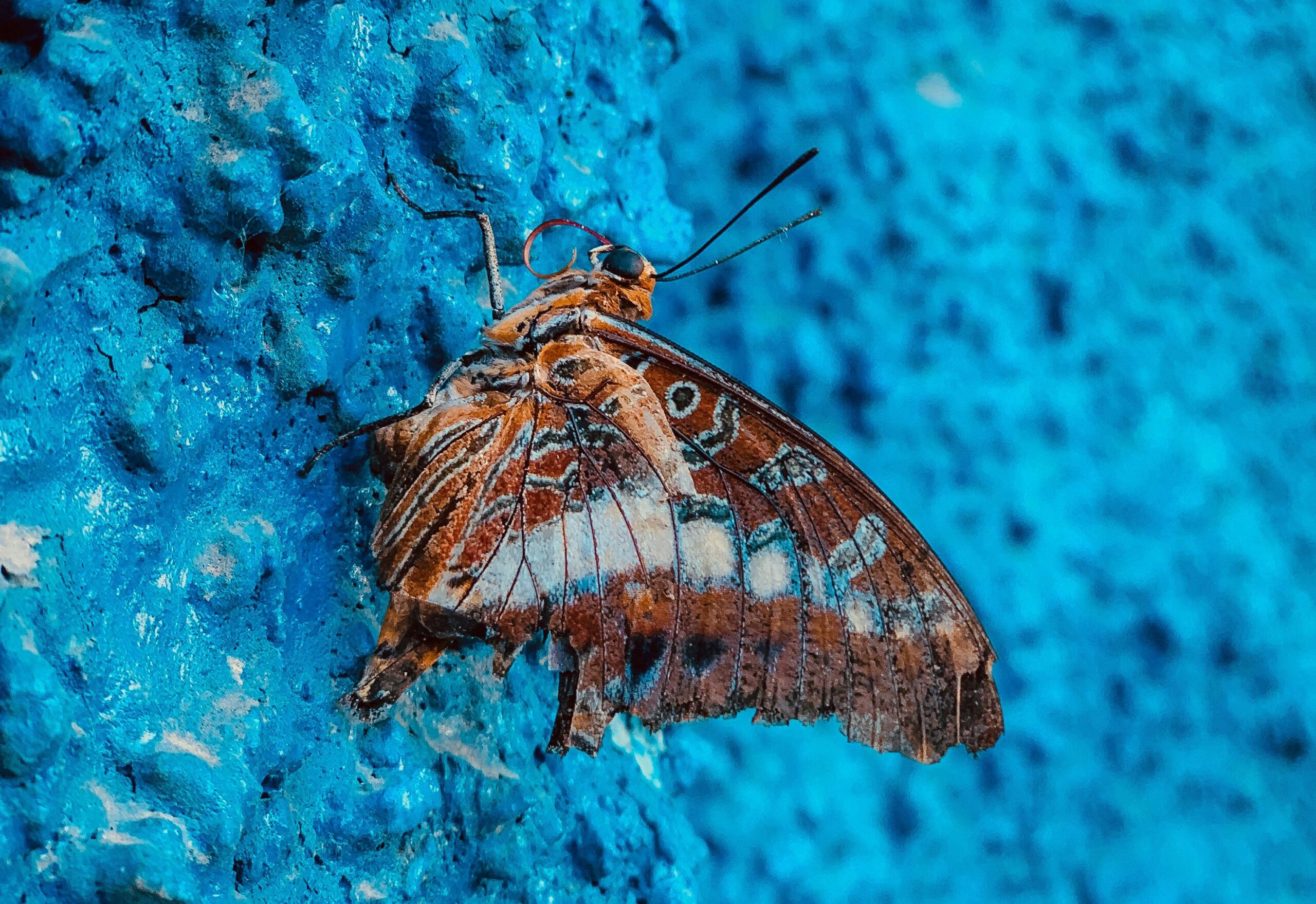
Somalia supports significant biodiversity across its rangelands, dry forests, rivers, mangroves, coral reefs, seagrass meadows and extensive coastline. The country is home to more than 175 mammal species, 671 bird species, 230 reptile species, 29 amphibian species and over 3,000 recorded plant species, including many endemic species. These ecosystems sustain livestock production, agriculture, fisheries and traditional livelihoods while contributing to food and water security and resilience to droughts, floods and climate change.
However, Somalia’s biodiversity faces growing pressure from climate change, prolonged drought, land degradation, deforestation, charcoal production, overgrazing, unsustainable fishing, invasive species and limited environmental governance. According to a 2019 assessment, the country had 218 threatened species, including 22 classified as critically endangered. Limited financial and institutional capacity further constrains the implementation of national biodiversity priorities.
Through the GEF-8 Global Biodiversity Framework Early Action Support Programme, UNDP BIOFIN is supporting the Federal Government of Somalia in developing a more systematic approach to biodiversity finance. The initiative is led by the Ministry of Environment and Climate Change in collaboration with the Ministry of Finance, the Ministry of Planning, Investment and Economic Development, Federal Member State governments and other national stakeholders.
Somalia is undertaking a Policy and Institutional Review, Biodiversity Expenditure Review and Financial Needs Assessment. The findings will inform the country’s Biodiversity Finance Plan, which will identify opportunities to improve existing expenditure, strengthen institutions and mobilize additional public, private and international resources for implementing the National Biodiversity Strategy and Action Plan and the Kunming–Montreal Global Biodiversity Framework.
No posts found.
Finance solutions
Under development
Key results
Somalia has begun establishing the evidence base and stakeholder coordination required to develop its Biodiversity Finance Plan. Progress to date includes:
1. Stakeholders mapped and engaged
Relevant government institutions and other national stakeholders have been mapped and engaged in the UNDP BIOFIN process. Coordination has also been established with the UNDP BIOFIN Global Team to support implementation of the methodology.
2. Policy and Institutional Review initiated
Work has begun on the Policy and Institutional Review to assess the policies, legislation, institutions, incentives and governance arrangements influencing biodiversity finance in Somalia.
3. Biodiversity expenditure analysis launched
The Biodiversity Expenditure Review is underway, including the collection and classification of data on public expenditure related to biodiversity. This assessment will help establish a national baseline and identify opportunities to improve the effectiveness of existing spending.
4. Financial Needs Assessment initiated
Initial desk research and mapping have begun for the Financial Needs Assessment. The assessment will estimate the resources required to implement Somalia’s national biodiversity priorities and help identify the country’s biodiversity finance gap.
As implementation progresses, this section can be updated with measurable results, including resources mobilized, policy reforms adopted, institutional mechanisms established and finance solutions implemented.