
NEWS
Somalia establishes national steering committee for biodiversity finance
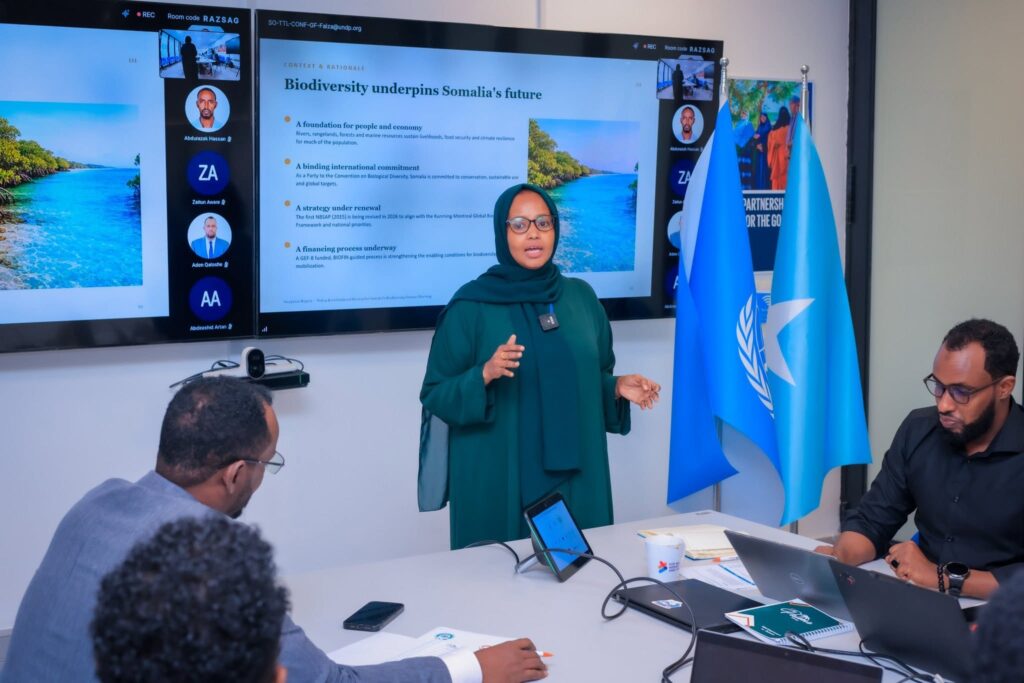
Somalia has launched the National Steering Committee for UNDP BIOFIN at a meeting held at the UNDP office in Mogadishu.…
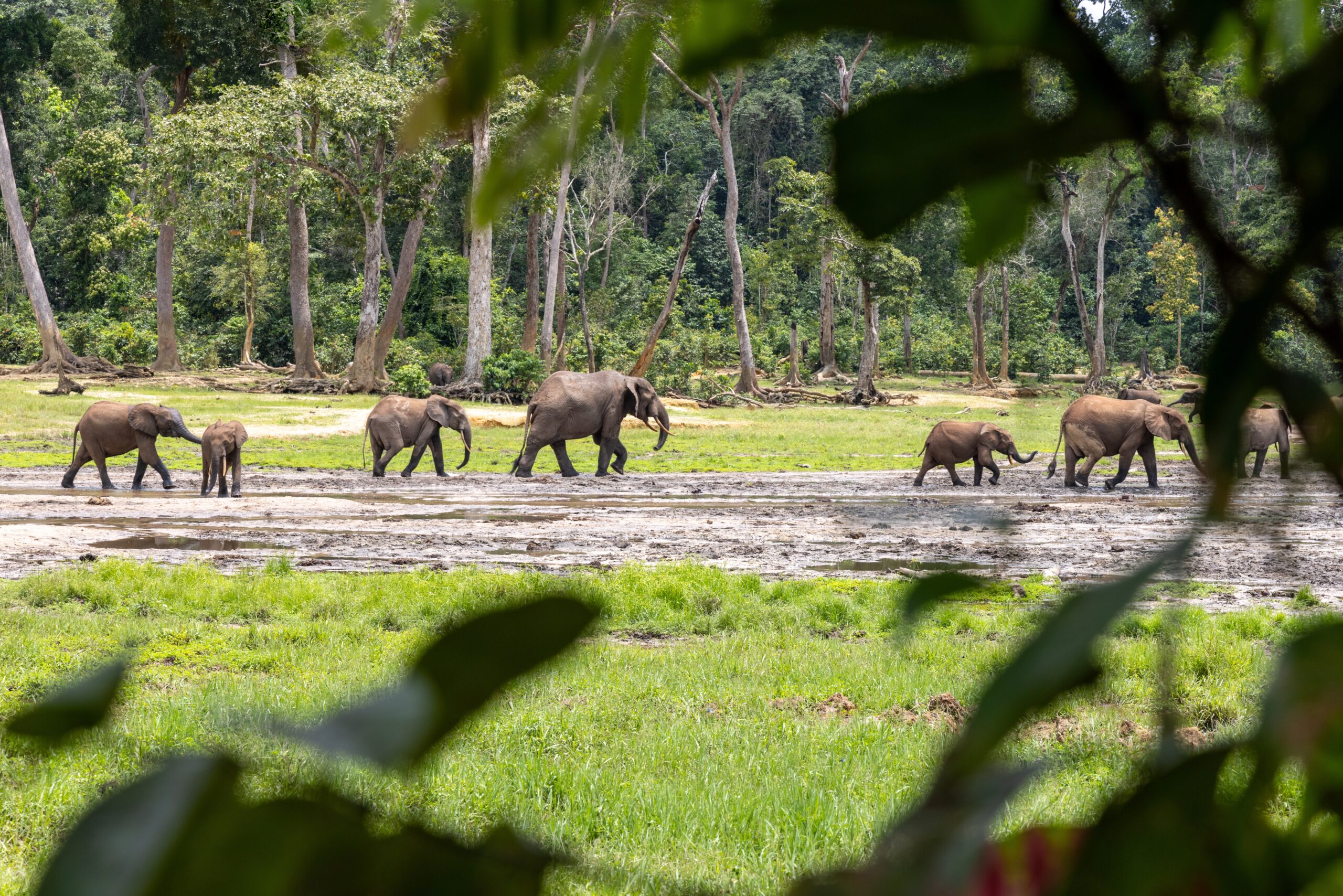
The Democratic Republic of the Congo is home to globally significant biodiversity across its tropical forests, wetlands, rivers, savannas and mountain ecosystems. Its natural assets support food and water security, agriculture, fisheries, forestry and the livelihoods of millions of people. The country’s forests also store vast amounts of carbon and play an important role in regulating regional and global climate systems.
Despite their ecological and economic importance, these ecosystems face increasing pressure from deforestation, unsustainable resource extraction, agricultural expansion, charcoal production, mining and infrastructure development. Limited public resources, regulatory gaps and weak coordination among institutions also constrain long-term investment in biodiversity conservation.
Biodiversity finance in the country currently combines public expenditure with support from international partners and mechanisms such as conservation trust funds, forest and climate programmes, carbon finance and results-based payments. Initiatives including the Okapi Fund for Nature Conservation, the Forest Investment Program and the Mai-Ndombe emissions-reduction programme demonstrate growing experience with innovative environmental finance. However, funding remains fragmented, and stronger governance, transparency and equitable benefit-sharing are needed to ensure that finance reaches conservation priorities and local communities.
Through UNDP BIOFIN, the Democratic Republic of the Congo is assessing its biodiversity expenditure, financing needs and institutional framework. This evidence will inform a national Biodiversity Finance Plan and the selection of practical solutions to improve existing expenditure, strengthen protected-area financing and mobilize additional public, private and international resources for biodiversity.
Before publishing the detailed figures elsewhere on the page, I recommend asking the country team to clarify:
The distinction between verified emissions reductions, credits transferred to the World Bank and credits remaining available for sale.
The original capitalization of FOCON: “US$7.4 million and €15 million” is currently written unclearly.
Whether the approximately US$300 million for the Forest Investment Program includes or is separate from the other World Bank and African Development Bank funding described.
The statement “US$55 million released in carbon credits,” which may instead refer to an agreed maximum value.
The Mai-Ndombe figures: 11 million tonnes, 29 million tonnes and “5,565 tCO₂” do not currently form a clear or consistent sequence.
The Democratic Republic of the Congo is developing finance solutions to strengthen environmental institutions, improve the management of existing revenues and mobilize more sustainable funding for biodiversity conservation.
1. Public-private partnerships for protected areas
The country is strengthening public-private partnerships for the management and financing of protected areas. Since 2005, the Congolese Institute for Nature Conservation has entered into agreements with conservation organizations supporting nationally and globally important protected areas.
UNDP BIOFIN is assessing gaps in the legal and institutional framework and supporting the development of a national strategy for biodiversity-focused public-private partnerships. The work will also strengthen the capacity of the Congolese Institute for Nature Conservation to design, manage and monitor these partnerships.
Stage: Assessment and design
Lead institutions: Congolese Institute for Nature Conservation and Ministry of Environment, Sustainable Development and New Climate Economy.
2. Strengthening the Environmental Investment Fund
Operational since 2020, the Environmental Investment Fund mobilizes and manages resources from environmental taxes, government allocations, development partners and other environmental finance mechanisms. It supports biodiversity conservation, sustainable forest management, environmental research and green investment.
An institutional and organizational assessment is underway to strengthen the Fund’s governance, fiduciary systems and operational capacity. A transformation roadmap will also explore its potential role in carbon finance, green bonds and international mechanisms such as the Tropical Forests Forever Facility and the Green Climate Fund.
Stage: Implementation and institutional strengthening
Lead institutions: Environmental Investment Fund and Ministry of Environment, Sustainable Development and New Climate Economy.
3. Reforming tourism fees
The Tourism Promotion Fund is financed through fees collected from tourism-related businesses and services. Digital collection has so far covered only part of the airline sector, generating an estimated US$850,000 per month. Seven percent of the revenue is intended to support biodiversity protection.
UNDP BIOFIN is assessing opportunities to expand the collection base by mapping tourism businesses and service providers and extending digital payments to hotels, restaurants, tourist sites, travel agencies and transport operators. The reform could increase revenue for tourism development and biodiversity conservation while improving transparency.
Stage: Assessment and design
Lead institutions: National Tourism Office, Congolese Institute for Nature Conservation and Ministry of Tourism.
4. Directing mining revenue towards local conservation
Chiefdoms receive resources from mining royalties, social commitments made by mining companies and an allocation equivalent to 0.3 percent of their annual turnover. However, limited planning, financial management and monitoring capacity can restrict the effective use of these resources for conservation and local development.
This solution will strengthen and digitize local systems for collecting, budgeting, spending and monitoring mining-related revenue. It will initially be piloted in the Kaponda chiefdom in Haut-Katanga and the Bayeke chiefdom in Lualaba, with the aim of improving transparency and directing more funding towards nature conservation, green economic activities and community resilience.
Stage: Pilot design and implementation
Lead institutions and partners: Participating decentralized territorial entities, National Secretariat for Capacity Building and UNDP BIOFIN.
The Democratic Republic of the Congo has made initial progress in establishing the governance, technical expertise and institutional coordination required for biodiversity finance planning.
1. Project Steering Committee established
A Project Steering Committee has been created to provide strategic direction, oversee implementation and guide the development of the country’s biodiversity finance assessments and solutions.
2. Technical assessments initiated
Specialists have been engaged to undertake the Policy and Institutional Review, Biodiversity Expenditure Review and Financial Needs Assessment. Together, these studies will establish the evidence base for the country’s Biodiversity Finance Plan.
3. Policy and expenditure reviews advanced
The Policy and Institutional Review and Biodiversity Expenditure Review have progressed to the validation stage. Their findings will help identify institutional and policy gaps, assess current biodiversity-related expenditure and inform the selection of priority finance solutions.
4. Institutional coordination strengthened
Collaboration has been strengthened among government institutions, development partners, civil society organizations and technical experts involved in biodiversity finance planning.
5. Awareness and capacity increased
Consultations and technical work under UNDP BIOFIN have increased national understanding of biodiversity finance and strengthened institutional capacity to support implementation of the National Biodiversity Strategy and Action Plan.