

NEWS
Advancing Biodiversity Conservation: 10th Africa Regional Dialogue on Biodiversity Finance
3 April 2024 – Blantyre: Planet Earth requires approximately US$ 950 billion annually for the restoration and protection of its…
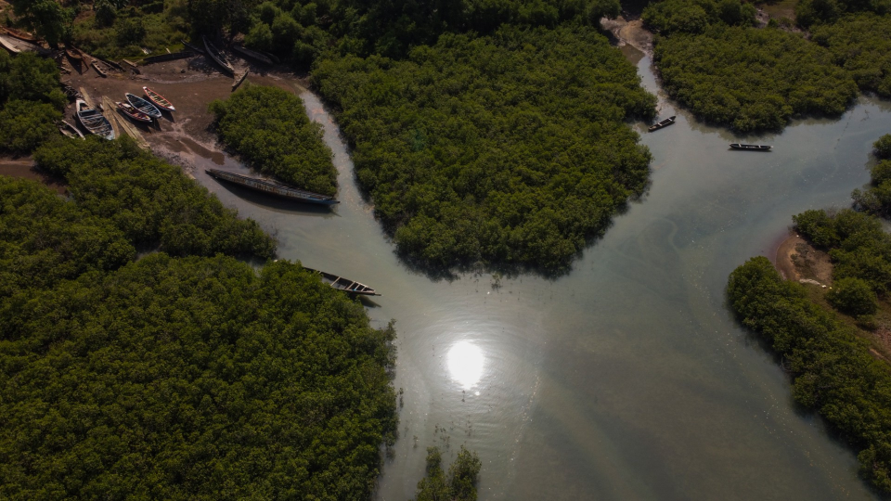
Guinea-Bissau is home to globally significant biodiversity, including extensive mangrove forests, wetlands, islands, and coastal and marine ecosystems. These natural assets support livelihoods, food security and economic activity, particularly in fisheries, agriculture and tourism. However, biodiversity conservation remains underfunded and highly dependent on external support, highlighting the need for more sustainable and diversified sources of finance.
UNDP BIOFIN was launched in Guinea-Bissau in 2025 under the leadership of the Ministry of Environment and Climate Action. The initiative works closely with the Ministry of Finance, other government institutions, civil society, the private sector and development partners to strengthen national biodiversity finance planning.
Following the UNDP BIOFIN methodology, Guinea-Bissau is undertaking a Policy and Institutional Review, Biodiversity Expenditure Review and Financial Needs Assessment. These studies will inform the country’s Biodiversity Finance Plan. Representatives from 17 institutions have participated in the process, helping to identify financing challenges, national priorities and potential solutions.
Options under consideration include conservation and biodiversity funds, ecological taxes, payments for ecosystem services, carbon and blue-carbon finance, green financial instruments and sustainable ecotourism financing. Through the Biodiversity Finance Plan, Guinea-Bissau aims to improve the governance and effectiveness of biodiversity finance, mobilize more domestic and international resources, and support implementation of its national biodiversity priorities and the Kunming–Montreal Global Biodiversity Framework.
Guinea-Bissau is assessing existing and potential finance solutions to strengthen long-term funding for biodiversity conservation and sustainable development. Identified through stakeholder consultations and the Policy and Institutional Review, these options will be further assessed for their feasibility and alignment with national priorities.
1. Conservation trust funds
Existing conservation funds support protected areas, buffer zones and ecological corridors. Strengthening and expanding these mechanisms could help diversify funding and provide more predictable, long-term finance for conservation and protected-area management.
Stage: Existing mechanism with potential for expansion
2. Environmental Fund
A national Environmental Fund is being considered to collect and direct environmental revenue from different sectors towards biodiversity conservation and restoration. Its establishment will depend on the adoption of a dedicated legal framework, which is currently under development.
Stage: Planned
3. Carbon finance
Guinea-Bissau is exploring carbon finance as a potential source of revenue for conserving and restoring forests and mangroves. Initial work is considering the technical, institutional and financial requirements for developing high-integrity projects with appropriate safeguards and benefits for local communities.
Stage: Exploratory
4. Payments for ecosystem services
Payments for ecosystem services could reward communities and resource users for conserving and sustainably managing ecosystems that provide benefits such as carbon storage, water regulation and coastal protection. Potential applications include mangroves, forests and agricultural landscapes.
Stage: Under discussion
5. Green and sustainable bonds
Green and sustainable bonds could mobilize public and private investment for eligible biodiversity, climate and environmental projects. Further analysis is needed to assess market demand, the availability of suitable projects and the instrument’s financial feasibility in the national context.
Stage: Exploratory
6. Sustainable ecotourism
Nature-based tourism is already being developed on a small scale in some protected areas. UNDP BIOFIN is exploring opportunities to expand ecotourism revenue while supporting biodiversity conservation, community livelihoods and local economic development.
Stage: Existing mechanism with potential for expansion
Guinea-Bissau has made initial progress in establishing the institutional foundation, evidence base and stakeholder engagement required for biodiversity finance planning.
UNDP BIOFIN was officially launched in Guinea-Bissau, creating a national platform for dialogue and cooperation among government institutions, civil society organizations, the private sector and development partners.
Representatives from 17 institutions have participated in consultations and technical discussions. This process has strengthened coordination and developed a shared understanding of the country’s biodiversity finance challenges and opportunities.
The Policy and Institutional Review assessed the policies, institutions, financing mechanisms and incentives influencing biodiversity finance in Guinea-Bissau. It identified institutional and policy gaps, developed recommendations and informed the selection of potential finance solutions.
Stakeholder consultations produced a preliminary portfolio of options, including conservation trust funds, a national Environmental Fund, carbon finance, payments for ecosystem services, sustainable ecotourism and green financial instruments. These options will undergo further assessment and prioritization through the Biodiversity Finance Plan.
The UNDP BIOFIN process has strengthened technical understanding of biodiversity finance and increased engagement among institutions responsible for environmental, economic and financial planning.