
Lebanon

Lebanon’s mountains, forests, wetlands, rivers and Mediterranean coast support important biodiversity and provide water, food, livelihoods and opportunities for nature-based tourism. These ecosystems face increasing pressure from land degradation, forest fires, pollution, unsustainable resource use and climate change.
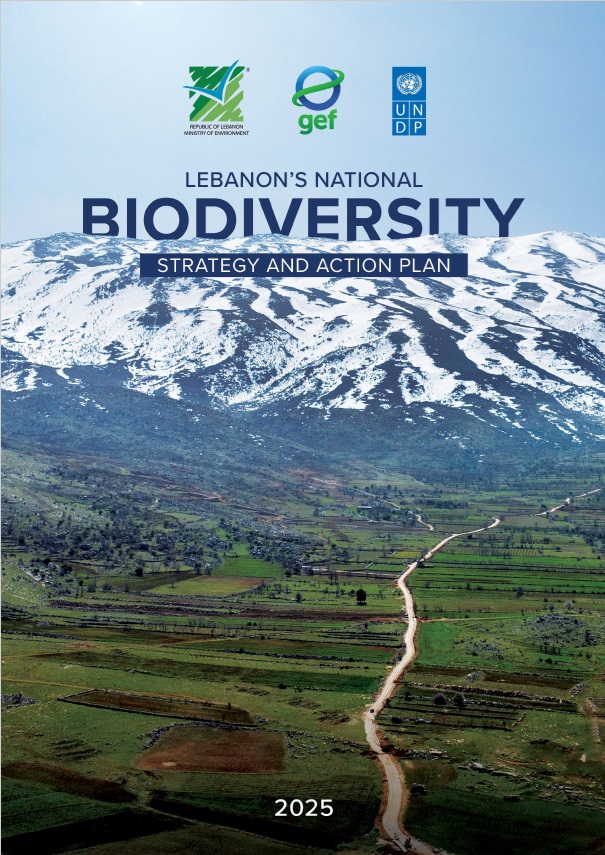
The country’s updated National Biodiversity Strategy and Action Plan, published in 2025, sets priorities for conservation, restoration and sustainable management in alignment with the Kunming–Montreal Global Biodiversity Framework. Implementing these priorities requires a clearer understanding of their costs, current biodiversity expenditure and the country’s financing gap.
Biodiversity initiatives in Lebanon are currently financed through public budgets, international grants and projects, protected-area visitor revenue, and contributions from municipalities, civil society and the private sector. However, these financial flows have not yet been systematically assessed through the UNDP BIOFIN methodology.
Lebanon is at an early stage of its engagement with UNDP BIOFIN. Working with government institutions and national stakeholders, the initiative will assess the policy and institutional environment, map biodiversity-related expenditure, estimate financing needs and develop a Biodiversity Finance Plan. This process will identify practical opportunities to improve existing expenditure and develop more sustainable financing for national biodiversity priorities, including protected areas. Findings and proposed finance solutions will be published as they are validated.
No posts found.
Finance solutions
Initial areas for assessment
Lebanon is at an early stage of the UNDP BIOFIN process. The following options may be assessed through the Policy and Institutional Review, Biodiversity Expenditure Review and Financial Needs Assessment. None has yet been selected, piloted or implemented as a UNDP BIOFIN finance solution.
1. Protected-area revenue management
Assess how authorized visitor fees and other revenue are collected, managed and reinvested in protected areas. Potential improvements would be developed with the relevant authorities and site managers while maintaining affordable access and respecting ecological carrying capacity. Any changes to fee-setting or revenue-retention arrangements would require legal review.
Stage: Concept
Potential partners: Ministry of Environment, protected-area committees and management teams, and relevant financial authorities.
2. More effective biodiversity expenditure
Examine how biodiversity-related budgets are planned, released, spent and monitored, and identify institutional or administrative barriers that delay implementation. Potential measures could improve coordination, expenditure tracking and budget execution within existing mandates.
Stage: Concept
Potential partners: Ministry of Finance, Ministry of Environment and other institutions managing biodiversity-related budgets.
3. Costed investment pipeline for the NBSAP
Develop a prioritized and costed pipeline of investments required to implement the National Biodiversity Strategy and Action Plan. Each proposed investment would identify a responsible institution, expected biodiversity outcomes, potential funding sources and long-term operating costs. This could help Lebanon prepare investment-ready proposals for biodiversity and climate finance.
Stage: Concept
Potential partners: Ministry of Environment, Ministry of Finance, relevant sectoral ministries, UNDP and development partners.
4. Environmental compliance and remediation finance
Assess whether environmental-impact-assessment fees, performance bonds and remediation obligations could strengthen compliance and ensure that resources are available for restoration. Any proposal would require clear legal authority, enforcement capacity, institutional responsibilities and transparent arrangements for managing funds.
Stage: Exploratory; subject to legal and institutional feasibility
Potential partners: Ministry of Environment and other relevant permitting and enforcement authorities.
5. Watershed stewardship payments
Explore whether downstream water users and other beneficiaries could finance measurable conservation and sustainable land-management activities in selected upstream catchments. Any future pilot would require an assessment of legal feasibility, land and water rights, institutional roles, monitoring arrangements and equitable benefit-sharing.
Stage: For future exploration; no pilot selected
Potential partners: Ministry of Environment, water and agricultural authorities, municipalities, water users and local land stewards.
Key results
Subject to the agreed national workplan, the initial UNDP BIOFIN process in Lebanon is expected to produce:
- A Policy and Institutional Review assessing the policies, institutions and incentives influencing biodiversity finance.
- A Biodiversity Expenditure Review establishing a baseline of biodiversity-related spending and funding sources.
- A Financial Needs Assessment estimating the resources required to implement priority biodiversity actions.
- A nationally owned Biodiversity Finance Plan identifying practical, measurable and financially feasible solutions.
Together, these assessments will help Lebanon understand current expenditure, estimate priority financing needs and select suitable finance solutions. Findings, resources mobilized and implementation results will be published only after national review and validation.
No quantitative result or finance mobilization is currently reported for UNDP BIOFIN in Lebanon.