

Lao PDR
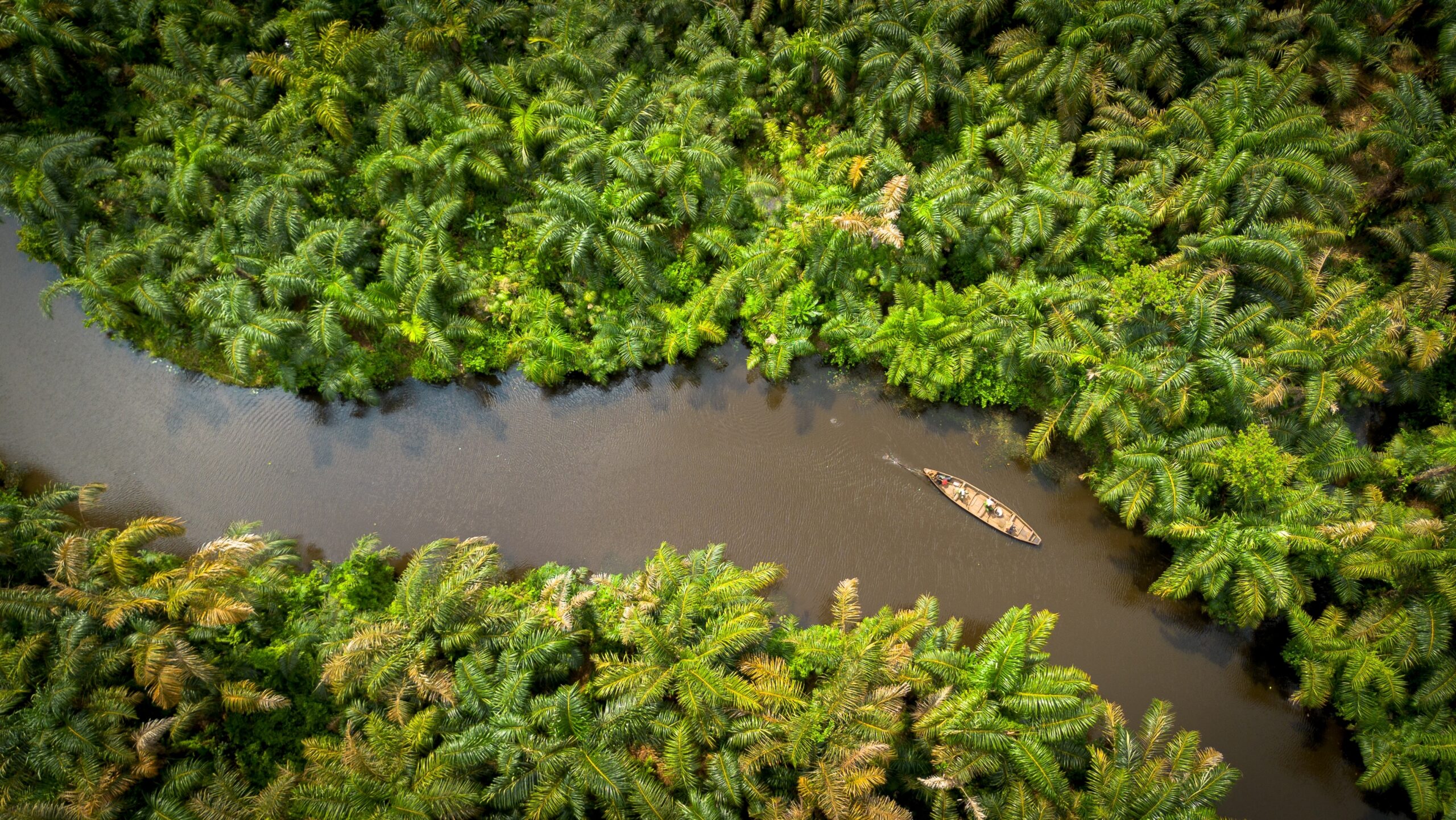
Lao PDR’s forests, rivers, wetlands and mountain ecosystems support rich biodiversity and provide food, water, livelihoods and other essential services. Agriculture, fisheries, forestry, hydropower and tourism all depend on healthy ecosystems. However, habitat loss, land degradation, overexploitation and climate change continue to place the country’s natural resources under pressure.
Financing remains a major barrier to implementing national biodiversity priorities. The estimated cost of delivering the National Biodiversity Strategy and Action Plan for 2026–2030 is approximately US$1.04 billion. Projected financing amounts to around US$333 million, leaving a gap of approximately US$708 million, or 68 percent of total needs. Lao PDR also depends heavily on external support, which accounts for more than 80 percent of biodiversity-related investment.
Led by the Ministry of Agriculture and Environment, with support from UNDP BIOFIN and national partners, Lao PDR completed its Policy and Institutional Review, Biodiversity Expenditure Review and Financial Needs Assessment in 2025. These assessments examined the country’s institutional framework, current expenditure and the resources required to deliver 23 national biodiversity targets aligned with the Kunming–Montreal Global Biodiversity Framework.
Drawing on this evidence, Lao PDR developed and validated its Biodiversity Finance Plan in September 2026. The plan identifies 10 priority finance solutions across public finance, private and market-based mechanisms, and international and innovative finance. It provides a roadmap for improving existing expenditure and mobilizing additional resources for the National Biodiversity Strategy and Action Plan between 2026 and 2030.
No posts found.
Finance solutions
Lao PDR’s Biodiversity Finance Plan identifies 10 potential finance solutions grouped into three areas. Together, they could mobilize, redirect or improve the management of an estimated US$75–145 million annually. These projections are indicative and should not be treated as confirmed finance mobilization.
1. Public finance
This group focuses on increasing domestic funding, improving expenditure management and redirecting public resources towards biodiversity. Its estimated combined potential is US$25–40 million annually.
Biodiversity budgeting and expenditure tracking
Integrate biodiversity into national and sectoral budgets and strengthen systems for identifying, tracking and reporting biodiversity-related expenditure.
Indicative potential: US$10–15 million annually
Subsidy reform and fiscal reallocation
Review subsidies and fiscal incentives that may harm biodiversity and redirect public resources towards conservation, restoration and sustainable production.
Indicative potential: US$15–25 million annually
Consolidated Biodiversity Fund
Establish a national financing mechanism to consolidate and channel domestic and international resources towards priority biodiversity actions.
Indicative potential: US$10–15 million annually
2. Private-sector and market-based finance
This group seeks to mobilize additional private investment and revenue from ecosystem services, tourism and environmental markets. Its estimated combined potential is US$30–60 million annually.
Carbon markets and REDD+
Develop high-integrity carbon finance and REDD+ mechanisms that support forest conservation and restoration, with appropriate safeguards and equitable benefit-sharing.
Indicative potential: US$15–25 million annually
Payments for ecosystem services
Develop mechanisms through which beneficiaries of ecosystem services contribute financially to their conservation and sustainable management.
Indicative potential: US$5–10 million annually
Ecotourism and protected-area revenue
Strengthen visitor fees and other sustainable tourism revenue to provide more reliable financing for protected-area management and local livelihoods.
Indicative potential: US$5–10 million annually
Green bonds and biodiversity credits
Assess the feasibility of green bonds and high-integrity biodiversity credits to attract investment for measurable conservation and restoration outcomes.
Indicative potential: US$5–15 million annually
3. International and innovative finance
This group aims to improve access to international funds and develop new financing partnerships. Its estimated combined potential is US$20–45 million annually.
Debt-for-nature conversion
Explore opportunities to convert part of the country’s debt obligations into long-term financing for biodiversity conservation and restoration.
Indicative potential: US$10–20 million annually
Expanded access to multilateral funds
Strengthen institutional capacity and project pipelines to access additional financing from the Global Environment Facility, Green Climate Fund and other multilateral mechanisms.
Indicative potential: US$5–10 million annually
Bilateral development finance and blended finance
Improve the alignment of bilateral official development assistance with national biodiversity priorities and use blended finance to mobilize additional public and private investment.
Indicative potential: US$5–10 million annually
Key results
As Lao PDR moves from assessment towards implementation, UNDP BIOFIN aims to strengthen the policies, institutions and financial mechanisms needed to implement the country’s biodiversity priorities.
1. Increased and more effective biodiversity finance
- Mobilize additional domestic, private and international resources through implementation of the Biodiversity Finance Plan.
- Improve the allocation and effectiveness of biodiversity-related public expenditure.
- Align financial resources more closely with the National Biodiversity Strategy and Action Plan for 2026–2030.
- Contribute to reducing the country’s estimated US$708 million biodiversity finance gap.
2. Stronger policies and public financial management
- Integrate biodiversity into national planning, budgeting and public financial management.
- Introduce stronger systems for identifying, tracking and reporting biodiversity-related expenditure.
- Advance policy and fiscal reforms that encourage investment in nature and address incentives that may harm biodiversity.
- Implement relevant recommendations from the Policy and Institutional Review.
3. Stronger institutions and finance mechanisms
- Institutionalize biodiversity finance planning and expenditure tracking within relevant government institutions.
- Strengthen coordination among the Ministry of Agriculture and Environment, Ministry of Finance and other national stakeholders.
- Assess and advance priority solutions identified in the Biodiversity Finance Plan, including biodiversity budget tagging, subsidy reform, a consolidated Biodiversity Fund, payments for ecosystem services, carbon finance, protected-area revenue, debt-for-nature conversion, green bonds and blended finance.
The financial and biodiversity outcomes of these solutions should be reported as results only once implementation has begun and the results have been measured and validated.
Key documents
No posts found.