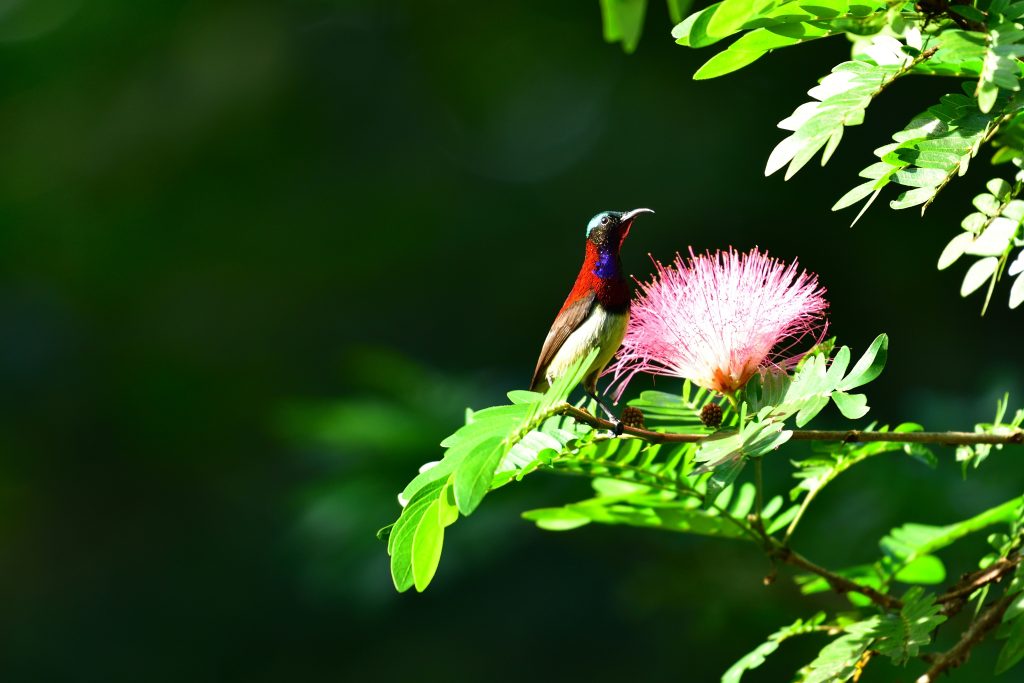
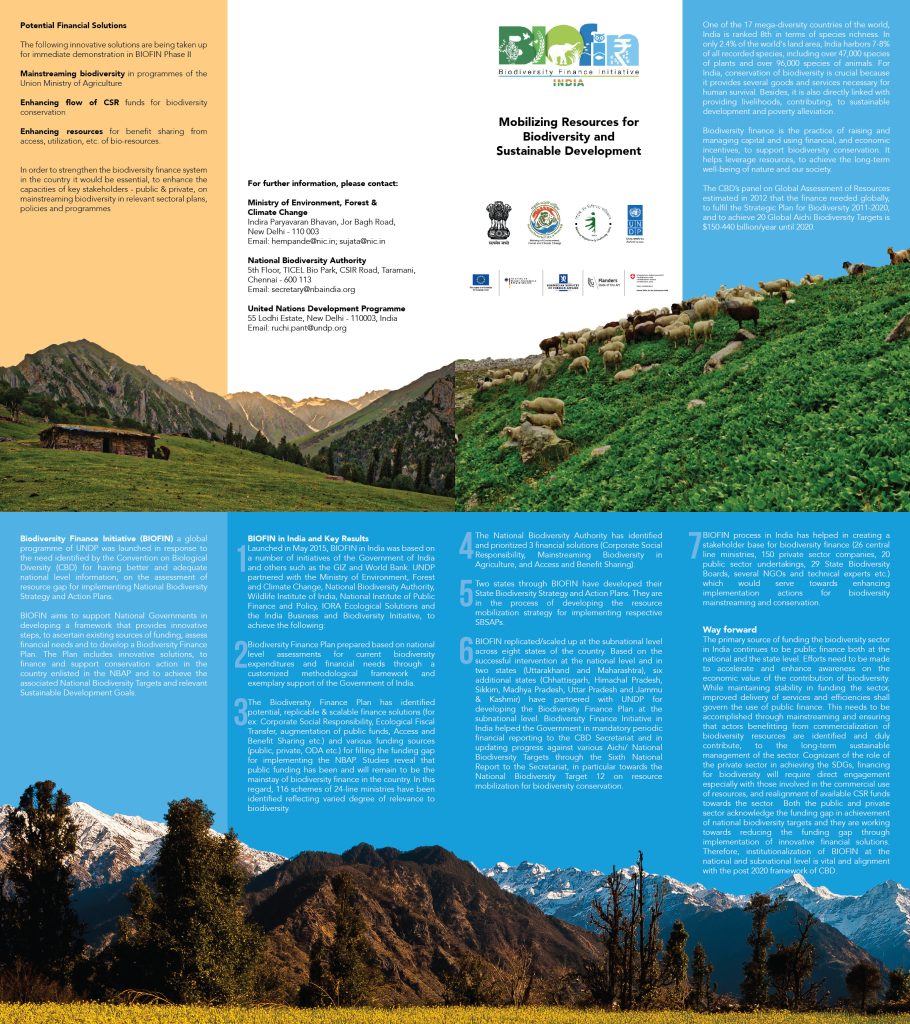
India is one of the world’s 17 megadiverse countries, harbouring an extraordinary range of ecosystems and species across forests, grasslands, wetlands, mountains, deserts, rivers, islands and coastal and marine areas. Although it accounts for only around 2.4% of the world’s land area, India supports an estimated 7–8% of recorded species globally. This natural capital provides essential ecosystem services and underpins agriculture, fisheries, forestry, water security, livelihoods and numerous economic value chains.

Protecting this biodiversity requires substantial and sustained investment. Public finance remains the backbone of biodiversity funding in India, but biodiversity-related expenditure extends well beyond the environmental sector. UNDP BIOFIN’s analysis mapped 116 relevant schemes across 24 central ministries, highlighting both the scale of existing public investment and the opportunity to better align financial flows across sectors with biodiversity priorities. Earlier BIOFIN assessments estimated annual biodiversity financing needs at approximately US$16.5 billion against biodiversity-attributable public expenditure of around US$10 billion, illustrating the scale of the financing challenge during the period assessed.

India joined UNDP BIOFIN in 2015 to strengthen the mobilization, effectiveness and alignment of public and private finance for biodiversity. Alongside improving public finance, the programme is helping unlock private-sector resources through Corporate Social Responsibility and strengthen Access and Benefit Sharing as a mechanism that connects the commercial use of biological resources with conservation and benefits for local communities. In 2026, India launched the world’s first dedicated voluntary certification scheme for Access and Benefit Sharing, creating new incentives for businesses to contribute to equitable benefit sharing and biodiversity conservation.

India is now advancing a new generation of biodiversity finance aligned with its updated national biodiversity priorities and the Kunming–Montreal Global Biodiversity Framework. UNDP BIOFIN is supporting efforts to develop scalable public and private finance solutions, address incentives and subsidies that can negatively affect biodiversity, and mobilize greater investment toward nature-positive development and the achievement of India’s biodiversity targets through 2030.

$29.5M

ABS Revenue

Mobilized through India's Access and Benefit Sharing (ABS) mechanism for biodiversity conservation and local communities.

$16.5B

Annual Finance Needs

Estimated annual investment required to implement India's National Biodiversity Action Plan.

$10B

Public Finance

Average annual public expenditure supporting biodiversity conservation.

News and stories

SEE ALL

Finance solutions

Finance Solution 1: Mainstreaming Biodiversity in Public Programmes and Schemes

UNDP BIOFIN supports India to strengthen the integration of biodiversity considerations into public programmes and expenditure. The Biodiversity Expenditure Review mapped 116 biodiversity-relevant schemes across 24 central ministries, demonstrating significant opportunities to better align existing public resources with biodiversity priorities.

The solution focuses particularly on improving the biodiversity contribution of government programmes in sectors such as agriculture and natural resource management, helping ensure that public expenditure supports conservation, sustainable use and biodiversity-positive development.

Finance Solution 2: Mobilizing Corporate Social Responsibility Finance for Biodiversity

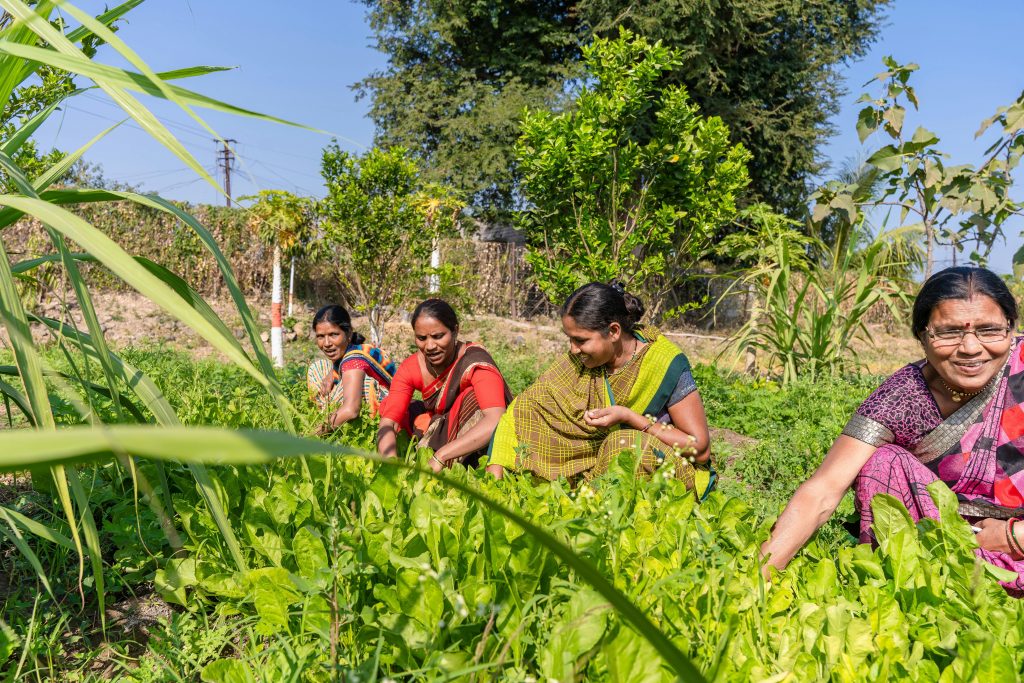
India’s Corporate Social Responsibility (CSR) framework offers significant potential to mobilize private finance for biodiversity. UNDP BIOFIN works to connect corporate investment with clearly defined and investable biodiversity priorities, helping businesses direct CSR resources toward conservation, ecosystem restoration and sustainable use of natural resources.

This work has included the development of five detailed biodiversity proposals and eight thematic fact sheets based on state-level priorities, as well as an eco-restoration proposal for the Koyna-Chandoli Wildlife Corridor in Maharashtra.

Finance Solution 3: Enhancing Finance through Access and Benefit Sharing

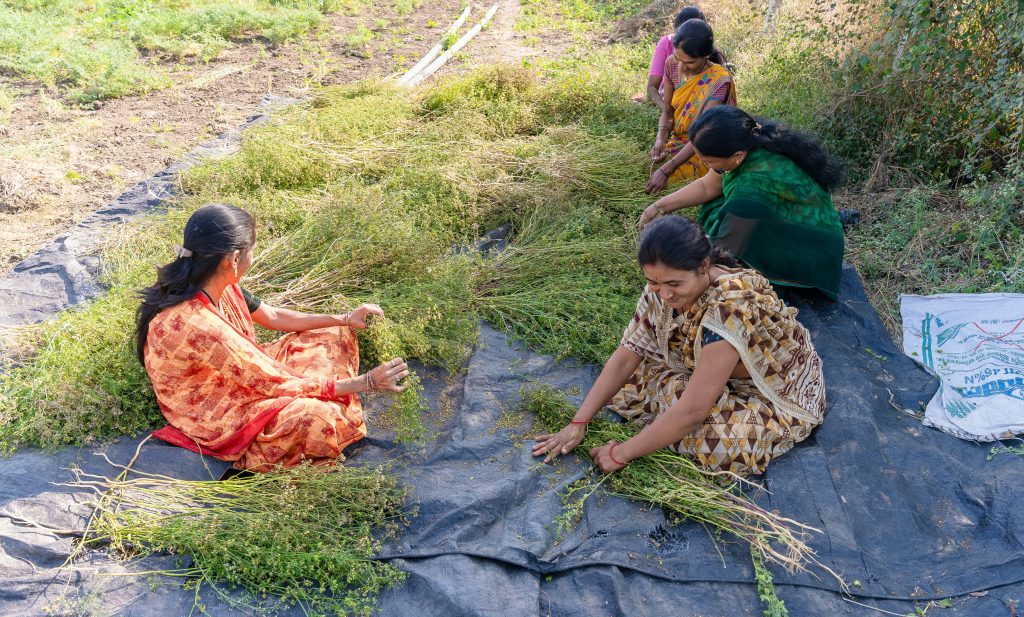
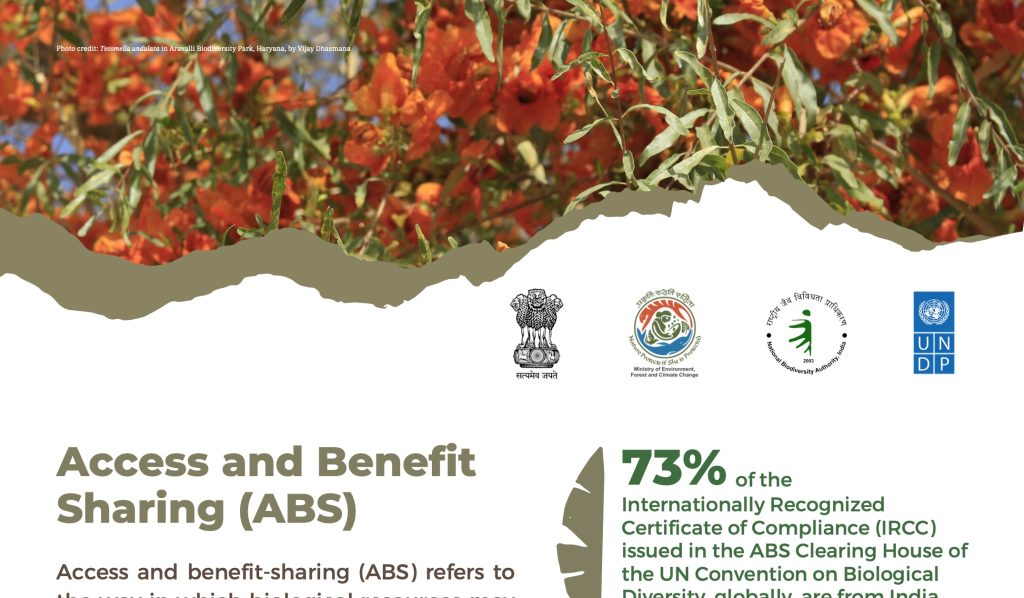
India is a global frontrunner in the implementation of Access and Benefit Sharing (ABS) as a biodiversity finance mechanism. The solution aims to increase resources generated through the sustainable use of biological resources and associated traditional knowledge, while ensuring that benefits are shared fairly and equitably with local communities and other biodiversity custodians.

UNDP BIOFIN supports efforts to strengthen ABS implementation, expand participation among businesses and other users of biological resources, and increase its potential to generate sustainable finance for biodiversity conservation and community development.

Finance Solution 4: Voluntary Certification Scheme for Incentivisation of Access and Benefit Sharing (VCS-I-ABS)

In June 2026, India launched the Voluntary Certification Scheme for Incentivisation of Access and Benefit Sharing (VCS-I-ABS), developed by the Ministry of Environment, Forest and Climate Change, National Biodiversity Authority and Quality Council of India in collaboration with UNDP India.

The voluntary market-based mechanism recognizes and incentivizes businesses that responsibly access biological resources and associated traditional knowledge and comply with benefit-sharing requirements. By linking responsible biodiversity use with business recognition and market incentives, the scheme aims to increase participation in ABS, strengthen benefits for local communities and create additional incentives for biodiversity conservation. India is the first country to establish a dedicated voluntary certification scheme of this kind.

Key results

Developing India's Biodiversity Finance Framework

UNDP BIOFIN supported India in assessing biodiversity expenditure and financing needs and developing its first Biodiversity Finance Plan. The analysis mapped 116 biodiversity-relevant schemes across 24 central ministries, demonstrating that biodiversity finance extends well beyond the environmental sector and identifying opportunities to better align public expenditure with biodiversity priorities.

Quantifying Biodiversity Finance Needs

India's Biodiversity Expenditure Review estimated average annual biodiversity-attributable public expenditure at approximately US$10 billion, while the Finance Needs Assessment estimated annual requirements of around US$16.5 billion for implementation of the National Biodiversity Action Plan during the period assessed. This indicated an estimated annual financing gap of approximately US$6.5 billion and provided an evidence base for prioritizing biodiversity finance solutions. These figures represent the earlier BIOFIN assessment period and should not be presented as India's current financing gap.

Mobilizing Private Finance through Corporate Social Responsibility

UNDP BIOFIN has worked with businesses and other partners to increase the contribution of India's Corporate Social Responsibility framework to biodiversity. This included developing five detailed biodiversity proposals based on state-level priorities, eight thematic fact sheets and an eco-restoration proposal for the Koyna-Chandoli Wildlife Corridor in Maharashtra, helping create investable opportunities for corporate biodiversity finance.

Pioneering Access and Benefit Sharing

India has become the first country in the world to operationalize a dedicated voluntary certification mechanism for Access and Benefit Sharing (ABS). Launched in June 2026, the Voluntary Certification Scheme for Incentivization of Access and Benefit Sharing (VCS-I-ABS) was developed by the Ministry of Environment, Forest and Climate Change, National Biodiversity Authority and Quality Council of India in collaboration with UNDP India. The scheme aims to incentivize businesses using biological resources to comply with ABS requirements and strengthen equitable benefit sharing with local communities.

Strengthening Biodiversity Finance at State Level

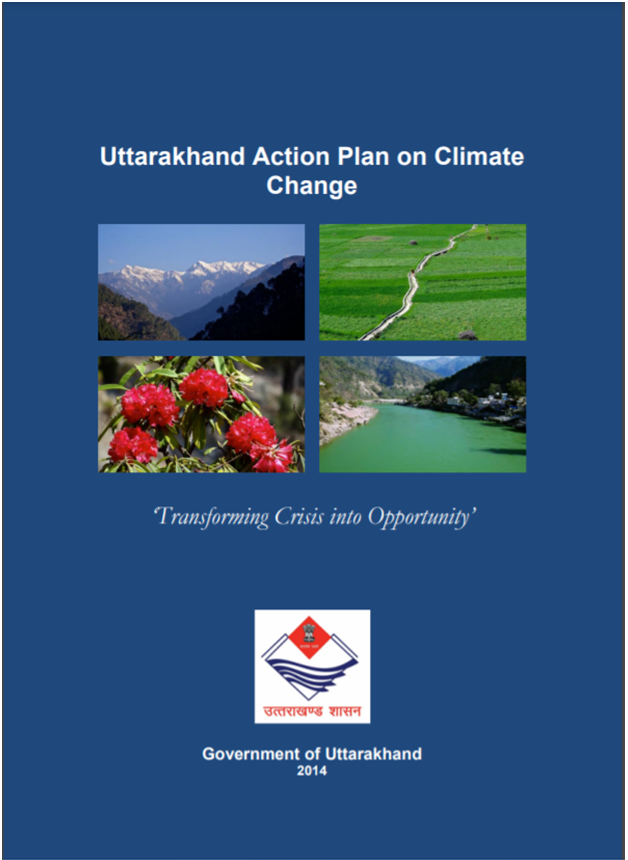
UNDP BIOFIN has supported subnational biodiversity finance planning, including work with the Uttarakhand State Biodiversity Board and the Ministry of Environment, Forest and Climate Change. This included development of a State Biodiversity Strategy and Action Plan and Resource Mobilization Strategy, helping connect biodiversity priorities with practical financing opportunities at the state level.

Advancing a New Generation of Biodiversity Finance

India is now building on its first Biodiversity Finance Plan to respond to the Kunming–Montreal Global Biodiversity Framework and the country's updated national biodiversity targets. In 2025, UNDP supported work toward a new gender-responsive Biodiversity Finance Plan, helping identify scalable public and private investment pathways for India's biodiversity priorities through 2030.

Key documents